실제 크기로 보기
 보내기
보내기 공유하기
공유하기
 상세 보기
상세 보기 가이드 보기

 이미지 다운로드
 유사 작품 더 보기
 X-레이
X-레이 슬라이드 쇼 보기
 통계 정보
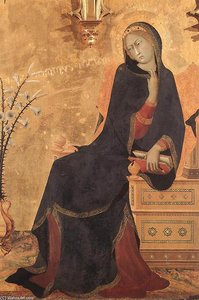
통계 정보Orvieto Polyptych
 Acrylic On Canvas
- WallArt
- Late Gothic
 1321
1321 113.0 x 257.0 cm
 Museo dell'Opera del Duomo
 상세 보기
상세 보기
핸드메이드 유화 복제화
작가가 직접 캔버스에 손으로 그린 유화 작품으로, 원하는 크기와 액자로 맞춤 제작해 드립니다. ( 프린트 판매로 전환 디지털 이미지 판매 채널로 전환)




P118B ₩10

P118H ₩10

P118W ₩10

P438Z ₩10

P508JH ₩12

P508YH ₩12

P805H ₩10

P805Z ₩10

P919BZ ₩10

P919G ₩10

P919XJ ₩10

P959ZH ₩10

P968JZ ₩12

W106C ₩8

W218G ₩10

W218JH ₩8

W218Y ₩10

W307PJ ₩10

W316G ₩10

W316PJ ₩8

W316Y ₩10

W398PJ ₩8

W4111J ₩10

W500HY ₩15

W500JH ₩15

W692G ₩12

W849H ₩8

W940BG ₩15

W953PJ ₩8




작품의 원본 비율을 그대로 유지하는 프리셋 사이즈 중에서 선택해 보세요.

액자나 벽면 크기에 맞춰 필요한 가로와 세로 길이를 입력해 주세요. 본 작품은 수작업으로 제작되므로, 요청하신 비율에 따라 작가가 그림의 가장자리를 조금 더 넓게 그리거나 일부를 조정하여 작업할 수 있습니다. 작업 시작 전, 최종 확인을 위해 디지털 목업 이미지를 보내드립니다. 이 페이지에 표시된 이미지는 실제 결과물과 다를 수 있으며, 오직 목업 이미지만이 정확한 결과물을 보여줍니다.
주문 완료 후 OriginalUniqueArt.com 팀에서 상세 안내를 위해 고객님께 이메일을 보내드리며, 미리보기 시안을 함께 제공해 드립니다.


 유리 옵션은 110cm 미만 크기에서만 선택 가능합니다.

Orvieto Polyptych
재현 매체
복제본 규격
-


총 결제 금액
₩ 406080
A Symphony of Faith and Florentine Grace: Exploring Simone Martini’s Orvieto Polyptych
The Orvieto Polyptych, completed in 1321 by Simone Martini—a name synonymous with elegance and refinement—stands as a testament to the artistic fervor of Siena during its golden age. More than just a depiction of religious figures, it embodies a profound dialogue between medieval piety and burgeoning Renaissance sensibilities, reflecting the intellectual currents shaping Europe at the time. Commissioned for the Cathedral of Orvieto, this monumental altarpiece represents a pivotal moment in Western art history, marking a decisive step away from the austere formalism of Giotto’s predecessors toward a richer tapestry of color and expressive detail.The Style: Florentine Influence Meets Sienese Tradition
Martini's artistic vision was undeniably influenced by Florence, where he spent formative years absorbing the innovations championed by Giotto di Bondone—a revolutionary artist who had begun to liberate painting from its rigid conventions. However, Martini skillfully blended these Florentine ideals with the established traditions of Siena, resulting in a style characterized by luminous color palettes and exquisitely rendered drapery folds. Unlike Giotto’s flattened figures, Martini’s saints possess palpable volume and dynamism, conveying an emotional depth that transcends mere representation. The meticulous attention to detail—particularly evident in the depiction of textures like velvet and silk—demonstrates Martini's mastery of technique and elevates the Polyptych beyond a simple devotional image into a sublime work of art.Technique: Tempera on Panel – A Delicate Dance of Color
The Polyptych’s breathtaking beauty is achieved through the masterful application of tempera paint on wooden panels. This medium—renowned for its brilliance and durability—allowed Martini to achieve unparalleled luminosity, capturing the ethereal glow of divine light. The process involved layering thin glazes of pigment onto prepared wood, meticulously building up color gradually over time. This painstaking technique demanded exceptional skill and patience, resulting in a surface finish that is remarkably smooth and luminous – a characteristic hallmark of Martini’s oeuvre. Furthermore, the use of gold leaf—a lavish embellishment typical of Sienese art—adds an opulent dimension to the composition, symbolizing divine majesty and reinforcing its spiritual significance.Historical Context: Siena Amidst Papal Rivalry
The creation of the Orvieto Polyptych coincided with a period of intense political and religious upheaval in Italy. Siena was embroiled in a protracted struggle for dominance against Florence and Rome—a conflict fueled by papal ambition and driven by competing claims to spiritual authority. Martini’s patronage reflects this turbulent landscape, highlighting the importance of artistic commissions as instruments of prestige and influence. The Polyptych served not only as a focal point for liturgical worship but also as a powerful assertion of Siena's cultural identity – a visual declaration of faith and civic pride amidst the shifting alliances of the papal court.Symbolism: Representing Christ’s Passion and Divine Mercy
The Polyptych’s iconography is steeped in symbolism, meticulously conveying theological concepts central to Christian belief. The depiction of Christ Pantocrator—the Lord Almighty—dominates the central panel, embodying divine majesty and compassion. Surrounding him are figures representing Mary Magdalene, Saint Benedict, Saint Dominic, Saint Catherine of Siena, Saint Francis of Assisi, Saint Augustine, Saint Gregory IX, Saint Lawrence and Saint Stephen – each saint chosen to represent virtues considered essential for Christian piety. The inclusion of a baby Jesus symbolizes the incarnation—the divine Logos taking human form—affirming the promise of salvation offered by Christ’s sacrifice.Emotional Impact: A Window into Spiritual Contemplation
Ultimately, Simone Martini's Orvieto Polyptych transcends mere visual representation; it invites contemplation and evokes profound emotion. The luminous colors, combined with the exquisitely rendered drapery folds and figures, transport viewers to a realm of spiritual serenity—a space where earthly concerns fade away before the grandeur of divine grace. It remains an enduring masterpiece, captivating audiences centuries later with its beauty, sophistication, and unwavering devotion to Christian faith.질의응답
시몬 마르티니의 "Orvieto Polyptych"의 프린트물로 권장되는 사이즈와 방향은 무엇인가요?
Large 크기, Panoramic 방향: 이는 시몬 마르티니의 "Orvieto Polyptych" 작품에 권장되는 인쇄 설정입니다.
시몬 마르티니의 "Orvieto Polyptych"의 저작권으로 복제가 가능한가요?
Museo dell'Opera del Duomo에 소장된 시몬 마르티니의 "Orvieto Polyptych"은(는) 퍼블릭 도메인 - 저작권 보호 기간이 만료되었습니다 상태입니다. 이 상태에 따라 해당 이미지의 복제 가능 여부가 결정됩니다.
시몬 마르티니의 "Orvieto Polyptych"은 밝은 분위기의 작품인가요, 아니면 어두운 분위기의 작품인가요?
시각적 밝기 측면에서 볼 때, 시몬 마르티니의 "Orvieto Polyptych"은(는) brilliant 수준입니다.
작가 소개
Simone Martini (c.1284–1344)
Simone Martini는 기네즈가 다소 불확실하지만 대략 1284년 이탈리아 시에나에서 태어난 이탈리아의 화가이자 미니어처 화가로, 중세 시대와 레르네상스 시대 사이의 전환기를 대표하는 예술가입니다. 그는 단순히 그림을 그린 사람이 아니었으며, 우아함과 세련미를 불어넣은 화가였습니다. 기요토 디 부오니세그나처럼 시에나 최고의 화가였던 두초 디 부오니세그나의 영향 아래 그의 초기 교육은 이루어졌습니다. 이 외에도 그는 플로렌스에서 기요토의 영향을 받았습니다. 그러나 Martini는 독특한 예술적 길을 개척했습니다.
Early Life and Artistic Training
Martini의 생애에 대한 정보는 매우 부족하며, 역사학자들은 다양한 자료와 전통적인 계통으로부터 그의 삶 이야기를 재구성해야 합니다. 그는 시에나에서 태어났으며 두초 디 부오니세그나의 영향을 받았습니다. Martini는 기요토의 영향 아래 플로렌스에서 교육을 받았고 이 외에도 그는 시에나의 문화와 상업 중심 환경에서 예술가로서 성장했습니다.
The Maestà and Gothic Influence
Martini의 작품 스타일은 플로렌스와 대조적으로 우아함과 세련미를 특징으로 합니다. 그는 기요토의 영향을 받아 장식적인 선과 색상 사용에 주목했으며 이 외에도 시에나에서 새로운 예술적 흐름이 나타났습니다. Martini는 이러한 스타일을 단순히 모방한 것이 아니라 기존 시에네 전통과 합성하여 독창적인 작품을 창조했습니다. 그의 그림은 종교적인 장면을 표현하는 것 이상으로 감정적 깊이와 시각적 서사시를 담고 있습니다.
Notable Works and Artistic Achievements
Martini는 특히 기요토의 영향을 받아 이탈리아 미술의 흐름에 중요한 역할을 했습니다. 그는 국제 고딕 스타일을 유럽 전역에 확산시키고 레르네상스 시대 초반 예술가들에게 영감을 주었습니다. Martini는 기술적인 능력뿐만 아니라 그의 시대의 미적 감성을 사로잡는 시각 언어를 창조했습니다. 그의 작품은 기요토의 영향을 받아 장식적인 선과 색상 사용에 주목했으며 이 외에도 시에나에서 새로운 예술적 흐름이 나타났습니다.
Legacy and Enduring Influence
Martini는 레르네상스 시대 초반 예술가들에게 영감을 주었습니다. 그는 국제 고딕 스타일을 유럽 전역에 확산시키고 레르네상스 시대 초반 예술가들에게 영감을 주었습니다. Martini의 작품은 기요토의 영향을 받아 장식적인 선과 색상 사용에 주목했으며 이 외에도 시에나에서 새로운 예술적 흐름이 나타났습니다.

시몬 마르티니
1284 - 1344 , 이탈리아
작가 정보 요약
- Artistic Movement Or Style: 국제 고딕 스타일
- Artists Who Influenced This Artist:
- 두초 디 부오니세그나
- 지오토 디 본도네
- Date Of Birth: c. 1284
- Date Of Death: 1344
- Full Name: Simone Martini
- Nationality: 이탈리아
- Notable Artworks:
- 성 루이스의 로베르트 공작 기리도리오 다 포글리아노 기념 프레스코
- 산 카테리나 폴리포크
- 예수 그리스 황폐화
- Place Of Birth: Siena, Italy