보내기
보내기 공유하기
공유하기
 상세 보기
상세 보기 가이드 보기

 이미지 다운로드
 유사 작품 더 보기
 슬라이드 쇼 보기
 통계 정보
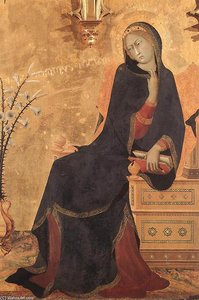
통계 정보Maestà (detail)


 상세 보기
상세 보기
지클레 / 아트 프린트
빠른 제작과 다양한 마감 옵션을 선택할 수 있는 박물관 수준의 지클레이 및 캔버스 프린트. ( 수작업 채색 복제본 주문하기 디지털 이미지 판매 채널로 전환)




































작품의 원본 비율을 그대로 유지하는 프리셋 사이즈 중에서 선택해 보세요.

액자나 벽면 크기에 맞춰 필요한 가로와 세로 길이를 입력해 주세요. 프린트는 원본 이미지보다 크게 제작할 수 없으며 오직 자르는 것만 가능하므로, 비율이 다른 사이즈를 선택할 경우 이미지의 일부가 잘려 나갈 수 있습니다. 인쇄 작업에 들어가기 전, 최종 확인을 위해 디지털 목업을 보내드립니다. 이 페이지에 표시된 이미지는 실제 잘리는 영역을 나타내지 않으며, 오직 목업을 통해서만 정확한 확인이 가능합니다.


 유리 옵션은 110cm 미만 크기에서만 선택 가능합니다.

Maestà (detail)
지클레 / 아트 프린트
복제본 규격
-


총 결제 금액
₩ 109488
A Symphony of Grace: The Ethereal Vision of Simone Martini
To gaze upon the detail of Simone Martini’s Maestà is to step through a portal into the golden age of Sienese Gothic art. Created around 1315, this fresco fragment serves as a breathtaking window into a period where spiritual devotion and courtly elegance danced in perfect harmony. The artwork presents a celestial assembly, a rhythmic arrangement of angels and saints whose presence transcends the physical realm. Each figure, adorned with delicate halos, seems to exist in a state of perpetual adoration, their forms layered with a sense of orderly divinity. The composition does not merely depict a group of holy figures; it orchestrates a visual hymn, where the soft interplay of light and shadow creates an atmosphere of profound serenity and timelessness.
The technical mastery displayed in this work is nothing short of extraordinary, showcasing Martini’s unique ability to marry linear precision with a luminous, flowing grace. Unlike the more robust and muscular figures found in the Florentine works of Giotto, Martini’s hand is characterized by an exquisite delicacy. He employs a meticulous linework that defines the rhythmic folds of drapery, lending the figures a weightless, almost ethereal quality. The palette is a masterclass in color harmony, dominated by cool, contemplative blues and verdant greens that evoke the tranquil sanctity of the Basilica di San Domenico. This subtle use of shading and color creates an illusion of three-dimensional form that feels soft to the eye, inviting the viewer into a meditative state of contemplation.
Historical Splendor and Symbolic Depth
The historical backdrop of the Maestà is as rich as its visual textures. Painted during a time when Siena was ascending as a powerful papal stronghold under the influence of Pope Boniface VIII, the artwork reflects the political and religious fervor of the era. This was a period of immense patronage, where art served as both an expression of faith and a symbol of civic and ecclesiastical authority. Martini, a master of the Sienese school, infused this commission with the sophisticated aesthetic of the International Gothic style—a movement that sought to blend the spiritual intensity of the Middle Ages with the refined, courtly splendor of European royalty.
Beyond its surface beauty, every element of the fresco is imbued with deep symbolic significance. The arrangement of the saints and angels represents the hierarchical order of the heavens, a visual manifestation of divine grace descending upon the earthly realm. The very act of looking upon these figures was intended to inspire piety and a sense of connection to the divine. For the modern collector or interior designer, this piece offers more than mere decoration; it provides a focal point of profound emotional resonance. A high-quality reproduction of this masterpiece brings an air of historical prestige and sophisticated tranquility to any space, acting as a bridge between the storied past of the Trecento and the refined elegance of contemporary living.
질의응답
"Maestà (detail)"의 재료와 화풍은 무엇인가요?
"Maestà (detail)"은(는) Fresco 기법을 사용하여 Late Gothic 양식으로 제작되었습니다.
"Maestà (detail)"의 작가는 누구인가요?
"Maestà (detail)"은(는) 시몬 마르티니의 작품입니다. 이 페이지의 정보는 시몬 마르티니의 원작에 대해 설명합니다.
시몬 마르티니의 "Maestà (detail)" 작품은 어떤 공간에 추천하시나요?
시몬 마르티니의 "Maestà (detail)" 작품에 추천하는 공간은 Hotel Lobby입니다. 물론 이 제안은 고객님의 인테리어에 맞춰 자유롭게 조정하실 수 있습니다.
작가 소개
Simone Martini (c.1284–1344)
Simone Martini는 기네즈가 다소 불확실하지만 대략 1284년 이탈리아 시에나에서 태어난 이탈리아의 화가이자 미니어처 화가로, 중세 시대와 레르네상스 시대 사이의 전환기를 대표하는 예술가입니다. 그는 단순히 그림을 그린 사람이 아니었으며, 우아함과 세련미를 불어넣은 화가였습니다. 기요토 디 부오니세그나처럼 시에나 최고의 화가였던 두초 디 부오니세그나의 영향 아래 그의 초기 교육은 이루어졌습니다. 이 외에도 그는 플로렌스에서 기요토의 영향을 받았습니다. 그러나 Martini는 독특한 예술적 길을 개척했습니다.
Early Life and Artistic Training
Martini의 생애에 대한 정보는 매우 부족하며, 역사학자들은 다양한 자료와 전통적인 계통으로부터 그의 삶 이야기를 재구성해야 합니다. 그는 시에나에서 태어났으며 두초 디 부오니세그나의 영향을 받았습니다. Martini는 기요토의 영향 아래 플로렌스에서 교육을 받았고 이 외에도 그는 시에나의 문화와 상업 중심 환경에서 예술가로서 성장했습니다.
The Maestà and Gothic Influence
Martini의 작품 스타일은 플로렌스와 대조적으로 우아함과 세련미를 특징으로 합니다. 그는 기요토의 영향을 받아 장식적인 선과 색상 사용에 주목했으며 이 외에도 시에나에서 새로운 예술적 흐름이 나타났습니다. Martini는 이러한 스타일을 단순히 모방한 것이 아니라 기존 시에네 전통과 합성하여 독창적인 작품을 창조했습니다. 그의 그림은 종교적인 장면을 표현하는 것 이상으로 감정적 깊이와 시각적 서사시를 담고 있습니다.
Notable Works and Artistic Achievements
Martini는 특히 기요토의 영향을 받아 이탈리아 미술의 흐름에 중요한 역할을 했습니다. 그는 국제 고딕 스타일을 유럽 전역에 확산시키고 레르네상스 시대 초반 예술가들에게 영감을 주었습니다. Martini는 기술적인 능력뿐만 아니라 그의 시대의 미적 감성을 사로잡는 시각 언어를 창조했습니다. 그의 작품은 기요토의 영향을 받아 장식적인 선과 색상 사용에 주목했으며 이 외에도 시에나에서 새로운 예술적 흐름이 나타났습니다.
Legacy and Enduring Influence
Martini는 레르네상스 시대 초반 예술가들에게 영감을 주었습니다. 그는 국제 고딕 스타일을 유럽 전역에 확산시키고 레르네상스 시대 초반 예술가들에게 영감을 주었습니다. Martini의 작품은 기요토의 영향을 받아 장식적인 선과 색상 사용에 주목했으며 이 외에도 시에나에서 새로운 예술적 흐름이 나타났습니다.

시몬 마르티니
1284 - 1344 , 이탈리아
작가 정보 요약
- Artistic Movement Or Style: 국제 고딕 스타일
- Artists Who Influenced This Artist:
- 두초 디 부오니세그나
- 지오토 디 본도네
- Date Of Birth: c. 1284
- Date Of Death: 1344
- Full Name: Simone Martini
- Nationality: 이탈리아
- Notable Artworks:
- 성 루이스의 로베르트 공작 기리도리오 다 포글리아노 기념 프레스코
- 산 카테리나 폴리포크
- 예수 그리스 황폐화
- Place Of Birth: Siena, Italy
관련 기사

Gothic Vibes: From Dark Shadows to Bold Modern Edge | The Ultimate Trend Forecast
Explore the evolution of Gothic vibes, from historical shadows to bold modern edge. Discover how dark aesthetics, noir interiors, and contemporary subcultures are redefining modern design through a high-impact, trend-focused lens.
The Radiant Dusk of Medieval Vision: Exploring Late Gothic Art's Synthesis of Faith, Form & Emotionality (c. 1300-1500)
Explore the exquisite beauty & spiritual depth of Late Gothic art (c. 1300-1500). Discover key artists, symbolism, and its lasting influence on the Renaissance. Expert insights at OriginalUniqueArt.

Simone Martini: Innovation, Spirituality & Courtly Refinement in Sienese Painting
Explore the captivating world of Simone Martini, a pivotal figure in Sienese painting & the International Gothic style. Discover his innovative techniques, spiritual depth, and lasting influence on early Renaissance art.

Beyond Borders: The Spiritual & Stylistic Innovations of International Gothic Art
Explore the exquisite beauty & spiritual depth of International Gothic art. Discover key artists like Simone Martini & Pol de Limbourg, its origins, symbolism, and lasting influence on European painting. Expert insights at OriginalUniqueArt.

International Gothic Style: The Elegant Dawn of European Art History and the Transition to Renaissance Naturalism
Explore the elegance of International Gothic art. Discover how masters like Simone Martini bridged medieval symbolism and Renaissance naturalism through courtly grace, luminous gold, and intricate detail in this expert guide to European art history.