

 실제 크기로 보기
 보내기
보내기 공유하기
공유하기
 상세 보기
상세 보기 가이드 보기

 이미지 다운로드
 유사 작품 더 보기
 X-레이
X-레이 슬라이드 쇼 보기
 통계 정보
통계 정보Grass and Insects


 상세 보기
상세 보기
핸드메이드 유화 복제화
작가가 직접 캔버스에 손으로 그린 유화 작품으로, 원하는 크기와 액자로 맞춤 제작해 드립니다. ( 프린트 판매로 전환 디지털 이미지 판매 채널로 전환)




P118B ₩10

P118H ₩10

P118W ₩10

P438Z ₩10

P508JH ₩12

P508YH ₩12

P805H ₩10

P805Z ₩10

P919BZ ₩10

P919G ₩10

P919XJ ₩10

P959ZH ₩10

P968JZ ₩12

W106C ₩8

W218G ₩10

W218JH ₩8

W218Y ₩10

W307PJ ₩10

W316G ₩10

W316PJ ₩8

W316Y ₩10

W398PJ ₩8

W4111J ₩10

W500HY ₩15

W500JH ₩15

W692G ₩12

W849H ₩8

W940BG ₩15

W953PJ ₩8




작품의 원본 비율을 그대로 유지하는 프리셋 사이즈 중에서 선택해 보세요.

액자나 벽면 크기에 맞춰 필요한 가로와 세로 길이를 입력해 주세요. 본 작품은 수작업으로 제작되므로, 요청하신 비율에 따라 작가가 그림의 가장자리를 조금 더 넓게 그리거나 일부를 조정하여 작업할 수 있습니다. 작업 시작 전, 최종 확인을 위해 디지털 목업 이미지를 보내드립니다. 이 페이지에 표시된 이미지는 실제 결과물과 다를 수 있으며, 오직 목업 이미지만이 정확한 결과물을 보여줍니다.
주문 완료 후 OriginalUniqueArt.com 팀에서 상세 안내를 위해 고객님께 이메일을 보내드리며, 미리보기 시안을 함께 제공해 드립니다.


 유리 옵션은 110cm 미만 크기에서만 선택 가능합니다.

Grass and Insects
재현 매체
복제본 규격
-


총 결제 금액
₩ 407114
Shin Saimdang’s “Grass and Insects”: A Symphony of Color and Quiet Observation
Shin Saimdang (1504–1551), a trailblazing female artist in Joseon dynasty Korea, stands as an emblem of intellectual curiosity and artistic prowess—a woman who defied societal constraints to pursue her passions for poetry, calligraphy, and painting. Her legacy resides not merely in the exquisite beauty of her artwork but also in its profound reflection of the era’s cultural values and philosophical ideals. This examination delves into “Grass and Insects,” one of her most celebrated panels from a monumental ten-panel folding screen—a masterpiece that encapsulates Saimdang's distinctive artistic vision and offers invaluable insight into Korean art history.A Window Into Joseon Aesthetic Principles
“Grass and Insects” exemplifies the dominant aesthetic sensibilities of the late 16th century, characterized by meticulous detail, harmonious color palettes, and a reverence for nature’s subtle grandeur. The screen embodies Neo-Confucian ideals—a belief system that prioritized moral cultivation alongside intellectual pursuits—reflected in Saimdang's careful composition and her masterful execution of brushstrokes. Unlike Western art traditions focused on dramatic narratives or idealized figures, Korean painting during this period favored contemplative scenes depicting landscapes and flora, intended to inspire serenity and contemplation. The screen’s overall design adheres to the principles of “Yonghwa,” meaning “harmonious beauty”—a concept central to Joseon artistic philosophy that sought to achieve balance between form and content.Technique and Material Considerations
Saimdang employed a technique rooted in meticulous observation and painstaking layering—a hallmark of Korean painting at the time. Using mineral pigments mixed with animal glue, she achieved remarkable luminosity and vibrancy, capturing the delicate textures of grass blades and the iridescent sheen of insects’ wings. The screen's surface is covered with thin layers of lacquer, providing protection while enhancing the colors and creating a tactile experience for the viewer. Furthermore, Saimdang skillfully utilized “Ma,” or negative space—a technique that deliberately leaves areas unfilled to create visual balance and emphasize the subject matter—demonstrating an understanding of compositional principles that transcended mere representation. The careful blending of pigments and meticulous brushwork contribute to the screen’s enduring beauty and artistic significance.Symbolism: Echoes of Confucian Thought
Beyond its technical brilliance, “Grass and Insects” resonates with deeper symbolic meanings rooted in Confucian cosmology—a worldview that viewed humanity as intrinsically linked to the natural world. The depiction of various insects—including beetles, dragonflies, cicadas, and moths—represents transformation and renewal—themes central to Confucian teachings concerning reincarnation and moral progress. Similarly, the inclusion of flowers like hibiscus, poppies, and lilies symbolizes purity and virtue—values upheld by Joseon society as markers of moral excellence. The meticulous rendering of grass blades underscores the importance of simplicity and humility—qualities considered essential for achieving inner harmony and cultivating compassion.Emotional Resonance: A Moment Frozen in Time
“Grass and Insects” transcends mere visual representation; it evokes a profound emotional response—a feeling of tranquility and appreciation for the beauty of the natural world. The screen’s muted color palette—dominated by greens, blues, and reds—creates an atmosphere of serenity and contemplation—inviting viewers to pause and reflect on the passage of time. Saimdang's masterful brushwork conveys a sense of quiet observation—capturing not just what is seen but also what is felt—a testament to her artistic sensitivity and her ability to communicate complex ideas through subtle visual cues. Viewing this artwork inspires contemplation about the interconnectedness of humanity and nature, reminding us of the enduring power of art to elevate our spirits and enrich our understanding of the human experience.Concluding Remarks: An Artistic Legacy Enduring Through Centuries
Shin Saimdang’s “Grass and Insects” remains a cornerstone of Korean art history—a testament to her artistic genius and her unwavering commitment to intellectual pursuits. Its harmonious composition, masterful technique, and evocative symbolism continue to captivate audiences today—serving as an enduring reminder of Joseon dynasty Korea's aesthetic ideals and its profound appreciation for the natural world. The screen’s legacy extends beyond its visual splendor; it embodies a spirit of contemplation and moral cultivation—values that resonate powerfully across cultures and generations—solidifying Saimdang’s place as one of Korea’s most celebrated artists and an inspiration to aspiring creatives everywhere.질의응답
신사임당의 "Grass and Insects"은(는) 얼마나 잘 알려져 있나요?
신사임당의 "Grass and Insects"의 기록된 인기도는 Recognized입니다.
신사임당의 "Grass and Insects"은(는) 몇 년도에 제작되었나요?
신사임당의 "Grass and Insects"은(는) 1500년에 제작되었습니다.
신사임당의 "Grass and Insects"의 이미지를 자유롭게 복제할 수 있나요?
신사임당의 "Grass and Insects"은(는) 퍼블릭 도메인 - 저작권 보호 기간이 만료되었습니다 상태입니다. 이 상태에 따라 해당 작품 이미지의 복제 가능 여부가 결정됩니다.
작가 소개
조선 시대를 밝힌 선구적인 여성 예술가
신사임당은 한국 미술사에 지울 수 없는 깊은 발자취를 남긴 다재다능한 예술가입니다. 1504년 10월 29일 강원도 강릉에서 태어난 그녀는 단순히 화가에 머물지 않고, 문학가이자 서예가, 그리고 시인으로서 찬란한 예술적 성취를 이루었습니다.어린 시절과 예술적 여정의 시작
신사임당의 천재적인 예술적 재능은 아주 어린 시절부터 빛을 발했습니다. 불과 일곱 살의 나이에 당대 저명한 화가였던 안견의 화풍을 모방하며 예술적 기틀을 닦았습니다. 그녀가 태어난 곳이자 외가댁의 숨결이 머무는 오죽헌은 오늘날까지도 그 고즈넉한 아름다움을 간직한 채 전해지고 있습니다.예술적 공헌과 독창적인 화풍
섬세한 필치와 생생한 색채가 특징인 신사임당의 작품들은 십폭 병풍의 일부로 구성되어 깊은 울림을 줍니다. 특히 초충도와 같은 그녀의 대표작에는 수박, 가지, 양귀비, 무궁화, 그리고 다양한 곤충들이 정교하게 그려져 자연의 생명력을 담아냈습니다. 이러한 걸작들은 현재 국립중앙박물관(대한민국 서울)에 소장되어 있으며, 시대를 초월하여 예술 애호가들에게 끊임없는 영감을 주고 있습니다.- OriginalUniqueArt에서 신사임당의 작품 감상하기: https://OriginalUniqueArt.com/@/shin-saimdang
- 국립중앙박물관 컬렉션 탐색하기: /en/art/show/national-museum-of-korea-seoul/
- 조선 시대 미술 운동에 대해 더 알아보기: 조선 시대 미술 운동
유산과 역사적 영향력
신사임당의 유산은 그녀의 예술 작품을 넘어 더욱 넓게 퍼져 있습니다. 그녀는 조선 시대의 저명한 학자이자 정치가였던 이이를 길러낸 어머니로도 잘 알려져 있습니다. 그녀의 삶과 예술은 조선 시대 한국 미술의 정수를 구현하며 오늘날 우리에게도 커다란 영감을 줍니다. 신사임당의 주요 작품:- 초충도 (대한민국 서울, 국립중앙박물관)
- 섬세한 필치와 선명하고 생생한 색채가 돋보이는 십폭 병풍 속의 다른 주요 작품들
- 안견, 조선 초기의 또 다른 저명한 화가

신사임당
1504 - 1551 , 대한민국
작가 정보 요약
- Artistic Movement Or Style: 조선 시대 미술
- Artists Or Movements Influenced By This Artist: 조선 시대 미술
- Artists Who Influenced This Artist: 안견
- Date Of Birth: 1504년 10월 29일
- Date Of Death: 1551년
- Full Name: 신사임당
- Nationality: 한국
- Notable Artworks: ['초충도']
- Place Of Birth: 대한민국 강릉
관련 기사
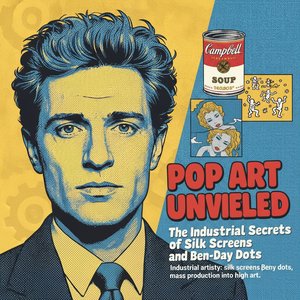
Pop Art Unveiled: The Industrial Secrets of Silk Screens and Ben-Day Dots
Explore the industrial artistry of Pop Art. Delve into the sophisticated history of Ben-Day dots and silk screen techniques that transformed mass media into high art, perfect for discerning collectors seeking deep historical insight and aesthetic excellence.
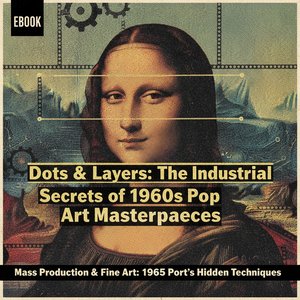
Dots & Screens: The Industrial Secrets Behind 1960s Pop Art Masterpieces
Explore the industrial secrets of 1960s Pop Art. Discover how Ben-Day dots and silk screening transformed mass media into masterpieces by Roy Lichtenstein. An in-depth look at the intersection of mechanical printing and fine art history for students and collectors.

Beyond the Screen: Transforming Personal Memories into Timeless AI-Driven Anime Masterpieces
Experience the magic of digital metamorphosis. Transform your cherished photos into stunning, hand-painted anime masterpieces using our proprietary AI technology and professional artists. Elevate your personal story with a timeless, high-quality oil painting on canvas.
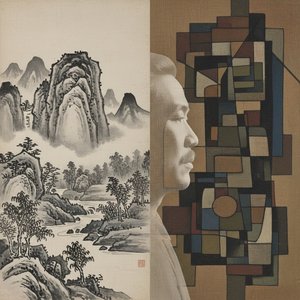
Yi Eungro: Bridging East & West in the Landscape of Korean Modernism
Explore the captivating world of Yi Eungro (Lee Ungno), a pivotal figure in Korean modernism. Discover his unique fusion of Eastern and Western artistic traditions, abstract masterpieces, and lasting legacy. A must-read for discerning art collectors.
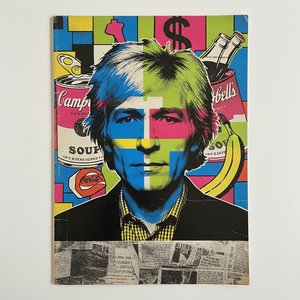
Andy Warhol: Deconstructing Pop Culture & Redefining Artistic Expression
Explore the revolutionary art of Andy Warhol & the Pop Art movement. Discover his iconic techniques, cultural impact, and investment potential. A guide for discerning collectors.