
 미리보기

 공유하기
 공유하기
 상세 정보
 가이드 보기


 다운로드
 유사 작품 더 보기
 X-레이
 슬라이드 쇼 보기
 질의응답
 통계 정보
Self-portrait

- 151.0 x 106.0cm


 더 보기
지클레 / 아트 프린트
빠른 제작과 다양한 마감 옵션을 제공하는 박물관 수준의 지클레이 및 캔버스 프린트. ( 수작업 채색 복제본 주문하기 디지털 이미지로 전환)




































작품의 원본 비율을 그대로 유지하는 프리셋 사이즈 중에서 선택해 보세요.

액자나 벽면 크기에 맞춰 필요한 가로와 세로 길이를 입력해 주세요. 프린트는 원본 이미지보다 크게 제작할 수 없으며 오직 자르는 것만 가능하므로, 비율이 다른 사이즈를 선택할 경우 이미지의 일부가 잘려 나갈 수 있습니다. 인쇄 작업에 들어가기 전, 최종 확인을 위해 디지털 목업을 보내드립니다. 이 페이지에 표시된 이미지는 실제 잘리는 영역을 나타내지 않으며, 오직 목업을 통해서만 정확한 확인이 가능합니다.


 유리 옵션은 110cm 미만 크기에서만 선택 가능합니다.

Self-portrait
지클레 / 아트 프린트
복제본 크기
-


최종 결제 금액
₩ 107423
작가 정보
The Soul of the Spanish Baroque: The Life and Legacy of Pedro de Moyá
In the golden age of the Spanish Baroque, few artists captured the profound intersection of spiritual ecstasy and human drama as poignantly as Pedro de Moyá. Born in the historic city of Granada in 1610, Moyá emerged from a landscape steeped in religious fervor and artistic innovation. While the biographical shadows surrounding his early years remain somewhat elusive, his presence in the annals of art history is unmistakable. His journey was not merely that of a studio painter, but one shaped by the vast, turbulent currents of 17th-century Europe. Trained under the esteemed Juan del Castillo in Seville, Moyá inherited the foundational principles of the Sevillian school—a tradition defined by its meticulous attention to detail and an expressive, emotive use of color that would become the heartbeat of his later masterpieces.
Moyá’s life was marked by a unique duality, blending the discipline of a soldier with the sensitivity of a master painter. His service in the Spanish armies stationed in Flanders provided him with more than just a reprieve from the easel; it offered a window into the broader European artistic dialogue. Traveling through the Low Countries and eventually reaching the bustling streets of London, Moyá was exposed to the burgeoning influences of Northern realism and English portraiture. This cosmopolitan exposure breathed a new dimension into his work, allowing him to infuse the rigid structures of Spanish religious iconography with a more nuanced, international sensibility. When he finally returned to the sun-drenched landscapes of Seville and Granada following his discharge in 1641, he did so not just as a returning veteran, but as an artist enriched by the diverse visual languages of a continent in flux.
A Mastery of Light and Devotion
The true brilliance of Moyá lies in his command over chiaroscuro, the dramatic interplay of light and shadow that serves as the emotional engine of Baroque art. He possessed an uncanny ability to use darkness not merely as a void, but as a weight—a heavy, atmospheric presence from which divine light could emerge with startling clarity. In his religious compositions, such as the evocative Vision of St. Maria Magdalena di Piti, this technique transcends mere decoration; it becomes a theological tool, guiding the viewer’s eye toward moments of spiritual revelation and profound sanctity.
His oeuvre is characterized by several defining artistic pillars:
- Emotional Intensity: Moyá moved beyond static iconography to depict the palpable human emotions—fear, rapture, and contemplation—inherent in biblical narratives.
- Dynamic Composition: Utilizing the tension between light and dark, he created scenes that feel as though they are caught in a moment of perpetual motion.
- Portraiture and Presence: Beyond his sacred works, his secular portraits, such as the 1655 Portrait of a Man now held in the Hermitage Museum, demonstrate an exquisite ability to capture the dignity and psychological depth of his subjects through subtle facial contours and sophisticated light.
Historical Significance and Enduring Influence
Though Pedro de Moyá passed away in 1660, leaving behind a legacy that continues to resonate within the halls of great museums, his impact on the trajectory of Spanish art remains profound. He served as a vital link between the traditional Sevillian masters and the next generation of innovators. It is noted that even later artists, such as the talented Pedro Atanasio Bocanegra, looked toward Moyá’s mastery of color and light as a standard of excellence to be emulated. His ability to synthesize the grit of military life with the ethereal beauty of religious mysticism allowed him to create a body of work that feels both grounded in human reality and elevated by divine aspiration.
Today, when we gaze upon his canvases, we do not merely see relics of the 17th century; we witness the enduring power of the Baroque spirit. Moyá’s work remains a testament to an era where art was the primary vessel for exploring the mysteries of faith and the complexities of the human soul, ensuring his place as a true master of the Spanish Golden Age.

Pedro De Moya
1610 - 1674 , Spain
작가 정보 요약
- Full Name: Pedro de Moyá
- Nationality: Spanish
- Date Of Birth: 1610
- Date Of Death: 1660
- Place Of Birth: Granada, Spain
- Notable Artworks:
- Portrait of a Man
- Holy Family
- Vision of St Maria Magdalena di Pazzi
- Artistic Movement Or Style: Baroque Art
- Artists Who Influenced This Artist: ['Juan del Castillo']
- Artists Or Movements Influenced By This Artist: ['Seville Painting']
관련 콘텐츠

호안 미로 최고 걸작 25선: 꿈과 상상의 화가, 공간에 예술을 더하다
호안 미로의 최고 걸작 25선을 만나보세요. 꿈과 상상의 세계를 담은 추상 미술 작품들의 탄생 비화와 예술적 의미를 탐구합니다. OriginalUniqueArt.com에서 고품질 미로 그림을 감상하고, 공간에 특별한 색채를 더해보세요! 지금 바로 컬렉션을 확인하세요.
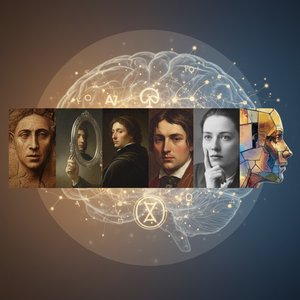
Reflecting the Self: A History of Portraiture & Psychological Insight
Explore the fascinating history of self-portraiture from Renaissance masters like Dürer & Rembrandt to modern interpretations. Discover the psychological insights and artistic techniques behind these iconic works. Expert analysis for art enthusiasts.

25 Must-See Masterpieces at the Alte Pinakothek, Munich
Explore 25 iconic Old Masters at Munich's Alte Pinakothek. Discover timeless masterpieces on OriginalUniqueArt.com.

Maurice Quentin de La Tour: Light, Shadow & the Rococo Portrait
Explore the captivating world of Maurice Quentin de La Tour, a master of Rococo portraiture. Discover his innovative pastel techniques, intimate depictions of French aristocracy, and lasting artistic legacy. Learn more at OriginalUniqueArt.

The Echo of Self: Reflectivity as a Core Theme in Art History & Contemporary Practice
Explore the rich history of self-representation in art, from Renaissance masters to modern innovators. Discover how artists use portraiture to reveal identity, emotion & the depths of the human psyche. Expert insights for collectors.