

 미리보기
미리보기
 공유하기
공유하기 공유하기
공유하기
 상세 정보
상세 정보

 다운로드
다운로드
 유사 작품
유사 작품 X-레이
X-레이 슬라이드 쇼
 통계 정보
통계 정보Death of Dido
 Oil On Canvas
- WallArt
- Baroque
 1637
1637 159.0 x 137.0 cm
 에르미타주 박물관
 더 보기
더 보기
지클레 / 아트 프린트
빠른 제작과 다양한 마감 옵션을 제공하는 박물관 품질의 지클레이 또는 캔버스 프린트. ( 손으로 그린 그림 구매 디지털 이미지로 전환)




P118B $10

P118H $10

P118W $10

P438Z $10

P508JH $12

P508YH $12

P805H $10

P805Z $10

P919BZ $10

P919G $10

P919XJ $10

P959ZH $10

P968JZ $12

W106C $8

W218G $10

W218JH $8

W218Y $10

W307PJ $10

W316G $10

W316PJ $8

W316Y $10

W398PJ $8

W4111J $10

W500HY $15

W500JH $15

W692G $12

W849H $8

W940BG $15

W953PJ $8




작품의 원본 비율을 유지하는 미리 설정된 크기 중에서 선택하세요.

특정 프레임이나 공간에 맞춰 직접 치수를 입력하실 수 있습니다. 선택하신 사이즈가 원본 이미지의 비율과 일치하지 않을 경우, 작품을 크롭(자르기)하거나 이미지를 대칭 또는 단색 채우기로 확장하여 제작합니다. 제작 시작 전, 최종 확인을 위해 디지털 목업이 전송됩니다.
화면상의 미리보기는 실제 크롭이나 확장 상태를 반영하지 않으므로, 최종 구도는 오직 목업을 통해서만 정확하게 확인하실 수 있습니다.
맞춤 사이즈 제작도 가능하지만, 원본 비율을 유지하기 위해서는 사전 정의된 목록에서 치수를 선택하시는 것을 권장합니다.


 유리 옵션은 110cm 미만 크기에서만 선택 가능합니다.

Death of Dido
지클레 / 아트 프린트
복제본 크기
-


최종 결제 금액
$ 80
The Tragic Beauty of "Death of Dido": A Baroque Masterpiece
Sébastien Bourdon’s “Death of Dido,” painted in 1637, is not merely a depiction of a legendary queen's demise; it’s a profound exploration of grief, betrayal, and the immutable power of fate. This monumental oil on canvas, measuring an impressive 159 x 137 cm, resides within the State Hermitage Museum in St. Petersburg, a testament to its enduring artistic merit. Bourdon, a pivotal figure in the Baroque movement, masterfully captures the raw emotion of this poignant scene drawn from Virgil’s epic poem, the Aeneid, transforming a classical narrative into a deeply resonant visual experience.
The composition immediately commands attention. Dido, draped in a flowing blue gown, lies supine on her bed, a sword poised delicately in her hand – an instrument of both destruction and liberation. Her face, etched with sorrow and defiance, is turned towards the departing ships of Aeneas, symbolizing the irrevocable loss of love and the end of her reign. Around her, a carefully orchestrated group of mourners—servants, women, and even a partially visible figure presumed to be her brother Acerbas – react with varying degrees of grief and shock. The scene is bathed in a dramatic chiaroscuro, characteristic of Bourdon’s style and deeply influenced by the Venetian masters he admired during his time in Rome. Light streams dramatically from an unseen source, highlighting Dido's form while casting deep shadows across the room, intensifying the sense of tragedy and despair.
A Story of Betrayal and Divine Intervention
The narrative itself is steeped in myth and heartbreak. Dido, a Phoenician princess, founded Carthage after fleeing persecution in Tyre. She fell passionately in love with Aeneas, a Trojan prince destined to found Rome. However, fate intervened – or so it seemed – as Aeneas was compelled by the gods to fulfill his destiny and leave her behind. The painting vividly portrays this moment of agonizing separation, capturing the devastating consequences of divine decree and human ambition. The inclusion of Mercury, the messenger god, subtly alluded to in the composition through a glimpse of his winged sandals amongst the departing ships, reinforces the notion that Dido’s fate was predetermined.
Bourdon's artistic choices are laden with symbolic meaning. The two vases positioned strategically within the scene – one on the left and another on the right – aren’t simply decorative elements; they likely represent offerings to the gods, acknowledging the role of divine forces in shaping Dido’s tragic end. The stark contrast between the vibrant colors of her gown and the muted tones of the surrounding figures further emphasizes her isolation and vulnerability. The overall effect is a powerful meditation on loss, duty, and the inescapable nature of destiny.
Bourdon's Baroque Vision
Sébastien Bourdon’s artistic journey was profoundly shaped by his time in Rome, where he encountered the revolutionary techniques of Caravaggio. Bourdon expertly employed *tenebrism*, a dramatic use of light and shadow, to create an atmosphere of intense emotionality. This technique, combined with his masterful rendering of textures – from the flowing fabric of Dido’s gown to the rough stone of the room – imbues the painting with remarkable realism and immediacy. His brushwork is loose and expressive, conveying a sense of urgency and movement that mirrors the drama unfolding within the scene.
Furthermore, Bourdon's understanding of classical composition—inherited from his training in France—is evident in the carefully balanced arrangement of figures and objects. The pyramidal structure of the composition draws the viewer’s eye towards Dido’s central form, while the diagonal lines created by the departing ships and her outstretched hand contribute to a dynamic sense of movement and instability. This masterful blend of classical principles and Baroque dynamism is what elevates “Death of Dido” beyond a simple historical depiction into a timeless work of art.
A Legacy of Dramatic Emotion
“Death of Dido” remains a compelling example of the emotional intensity that characterized the Baroque period. Bourdon’s ability to translate a complex mythological narrative into a visually arresting and emotionally resonant image is truly remarkable. The painting continues to captivate viewers with its depiction of profound sorrow, betrayal, and the enduring power of love—a testament to the artist's skill and the timelessness of the story he so powerfully portrays. Reproductions of this masterpiece offer an opportunity to experience the drama and beauty of Bourdon’s vision in a way that transcends time and space.
작가 약력
빛과 다재다능함의 거장: 세바스티앙 부르동의 생애
세바스티앙 부르동(1616–1671)은 17세기 프랑스 바로크 시대를 상징하는 가장 매혹적이고 다면적인 인물 중 한 명으로 기억됩니다. 프랑스 남부 몽펠리에의 개신교 예술가 가문에서 태어난 그의 유년 시절은 활기차면서도 때로는 격동적이었던 남프랑스의 예술적 전통 속에서 형성되었습니다. 어린 도제 시절부터 왕립 회화 조각 아카데미(Académie Royale de Peintures et Sculptures)의 초석을 다진 핵심 인물로 성장하기까지, 그의 여정은 깊고도 끊임없는 지적 탐구심과 유럽 전역의 양식적 흐름을 흡수하는 독보적인 능력을 증명합니다. 파리에서의 초기 훈련을 마친 후, 부르동의 발걸음은 보르도와 툴루즈를 거쳐 마침내 유럽 예술과 정신의 심장부인 로마에 닿았습니다. 그의 재능이 진정으로 불꽃을 피운 곳은 바로 이탈리아였습니다. 그곳에서 그는 카라바조, 니콜라 푸생, 그리고 클로드 로랭과 같은 거장들의 작품에 몰입했습니다. 이 강렬한 수학의 시기를 통해 그는 카라바조파의 거칠고 극적인 사실주의부터 베네치아 학파의 빛나는 고전적 우아함에 이르기까지, 자유자재로 넘나들 수 있는 자신만의 독창적인 시각 언어를 구축할 수 있었습니다.양식과 기법의 진화
부르동의 작품 세계를 진정으로 차별화하는 요소는 놀라울 정도로 유연한 양식적 변화이며, 이러한 특성은 당대 동료들에게 찬사와 비판을 동시에 불러일으키기도 했습니다. 그의 예술적 발전은 유럽의 다양한 전통과 마주하며 겪은 일련의 변혁적인 만남들로 점철되어 있습니다. 특히 베네치아를 방문한 결정적인 사건 이후, 그의 팔레트는 심오한 탈바꿈을 맞이했습니다. 초기 훈련에서 보여주었던 극명한 대비는 베네치아 거장들에게서 영감을 받은 더욱 풍부하고 대기감이 느껴지는 색채 사용으로 변화했습니다. 이러한 진화 덕분에 그는 서로 이질적인 장르 사이를 능숙하게 항해할 수 있었습니다. 초상화 작업에 있어서 그는 종종 루벤스풍의 접근 방식을 취하거나, 에바 스파레 백작부인과 같은 인물의 심리적 깊이와 우아함을 포착하기 위해 친밀한 흉상 구도를 선호했습니다. 반대로 그의 종교화에서는 극적인 키아로스쿠로(명암법)를 활용하여 영적인 경외감을 불러일으켰는데, 그 정점은 노트르담 대성당을 위해 제작된 기념비적 걸작, 성 베드로의 십자가형에서 극명하게 드러납니다.유산과 역사적 의의
부르동은 단순히 개별적인 캔버스를 넘어 프랑스 예술의 제도화 과정에서도 결정적인 역할을 수행했습니다. 1648년 왕립 아카데미의 공동 설립자로서, 그는 이후 수 세대 동안 프랑스 회화를 정의하게 될 탁월함의 기준을 세우는 데 기여했습니다. 그의 경력 또한 놀라울 정도로 폭넓은 활동으로 특징지어집니다. 최고의 초상화가라는 명성은 그를 스웨덴의 크리스티나 여왕의 궁정으로 이끌었고, 그는 궁정 화가로서 파리와 로마의 세련된 미학을 스톡홀름에 전파했습니다. 모세와 구리 뱀이 보여주는 처절한 긴장감부터 고전적 풍경화의 평온한 장엄함에 이르기까지, 부르던의 작품은 바로크 시대의 이중적인 정신을 완벽하게 구현합니다. 즉, 인간 조건의 강렬한 감정적 드라마와 고전적 아름다움을 향한 균형 잡힌 지적 추구가 그의 예술 속에 공존하고 있습니다. 프랑스의 자연주의적 전통과 이탈리아의 기념비적 양식을 통합해낸 그의 능력은 유럽 미술사의 신전에서 그의 자리를 영원히 빛나게 합니다.
세바스티앙 부르동
1616 - 1671 , 프랑스
주요 정보
- Artistic Movement Or Style: 바로크
- Artists Or Movements Influenced By This Artist: ['프랑스 바로크 미술']
- Artists Who Influenced This Artist:
- 니콜라 푸생
- 클로드 로랭
- 카라바조
- Date Of Birth: 1616년 2월 2일
- Date Of Death: 1671년 5월 8일
- Full Name: 세바스티앙 부르동
- Nationality: 프랑스
- Notable Artworks:
- 성 베드로의 십자가형
- 그리스도의 내려오심
- Place Of Birth: 프랑스, 몽펠리에
관련 기사 더 보기

Theatricality & Triumph: Baroque Drama in Painting & Sculpture
Explore the dramatic world of Baroque art! Discover its history, defining characteristics, & lasting influence on painting & sculpture. Expert insights into Caravaggio, Zurbarán, and Bernini – plus high-quality reproductions at OriginalUniqueArt.

The Visceral Stage: Exploring Dramatic Narratives & Emotional Intensity in Baroque Art
Explore the dramatic world of Baroque art! Discover iconic masters like Caravaggio & Rembrandt, their techniques, and the movement's lasting impact. Expert insights for collectors & enthusiasts at OriginalUniqueArt.

화려함 속에 감춰진 진실! 바로크 미술을 정의한 10대 걸작 탐구
화려함과 극적인 표현이 압권! 바로크 미술을 대표하는 10대 걸작의 숨겨진 이야기를 만나보세요. 베르니니, 루벤스 등 거장의 작품부터 바로크 색감, 예술적 기법까지 – OriginalUniqueArt.com에서 명품 복제 & 인테리어 영감을 얻으세요! 지금 바로 컬렉션을 탐험해보세요.

The Dramatic Flourish: Exploring the Baroque Movement's Enduring Legacy in Art History
Explore the dramatic world of Baroque art! Discover iconic artists like Caravaggio & Rubens, defining techniques, and its lasting impact on art history. Expert insights for collectors & enthusiasts at OriginalUniqueArt.
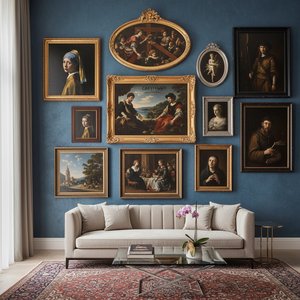
Baroque Painting's Greatest Hits: 10 Masterpieces for Your Home | OriginalUniqueArt
Journey through Baroque painting's glory! Explore 10 masterpieces by Caravaggio, Rembrandt & Vermeer. Discover dramatic lighting, rich colors & timeless stories. Find museum-quality art reproductions for your home at OriginalUniqueArt.com.