 더 보기
더 보기


 가로 또는 세로 중 어느 한 면이라도 105cm(약 41인치)를 초과하는 작품이나 복제화의 경우, 프레임은 분해된 키트 형태로 배송됩니다. 이는 안전한 배송을 보장하고 운송 중 발생할 수 있는 손상을 방지하기 위함입니다.


이 작품에 대해 더 알아보기
텍스트 크기

() ·
당신만을 위해 손으로 직접 그린 그림
핸드메이드 유화 복제화
작가가 직접 캔버스에 손으로 그린 유화 작품으로, 원하는 크기와 액자로 맞춤 제작해 드립니다. ( 프린트 판매로 전환 디지털 이미지로 전환)
수집품 상세 설명
A charming black and white photograph capturing a lush Victorian garden gathering by Samuel Dixon Bourne from 1865 that invites you to explore the timeless elegance of this historic outdoor scene.
작가 프로필
사무엘 디슨 본(1834-1912)은 19세기 인도의 환상적인 풍경과 건축 연구로 유명한 영국의 선구적인 사진작가입니다. OriginalUniqueArt에서 식민지 시대 인도의 아름다움과 문화를 담은 박물관 품질의 프린트를 만나보세요.
~부터 ·
제1장
어느 정도 크기가 적당할까요?
슬라이드를 움직여 크기를 변경해 보세요. 왼쪽의 이미지는 프레임의 실제 너비를 보여줍니다. 원작의 비율은 그대로 유지됩니다.
표준 규격
맞춤형
CM
INCH
작품의 원본 비율을 그대로 유지하는 프리셋 사이즈 중에서 선택해 보세요.
사이즈 불러오는 중...

가로 너비
세로 길이
액자나 벽면 크기에 맞춰 필요한 가로와 세로 길이를 입력해 주세요. 본 작품은 수작업으로 제작되므로, 요청하신 비율에 따라 작가가 그림의 가장자리를 조금 더 넓게 그리거나 일부를 조정하여 작업할 수 있습니다. 작업 시작 전, 최종 확인을 위해 디지털 목업 이미지를 보내드립니다. 이 페이지에 표시된 이미지는 실제 결과물과 다를 수 있으며, 오직 목업 이미지만이 정확한 결과물을 보여줍니다.
제2장
어떤 방식으로 배송받기를 원하시나요?
캔버스 옆면 스타일 선택
프레임을 선택하세요

화이트 테두리 ₩1

블러사이드 ₩1

옆면 확장형 ₩1

P118B ₩10

P118H ₩10

P118W ₩10

P438Z ₩10

P508JH ₩12

P508YH ₩12

P805H ₩10

P805Z ₩10

P919BZ ₩10

P919G ₩10

P919XJ ₩10

P959ZH ₩10

P968JZ ₩12

W106C ₩8

W218G ₩10

W218JH ₩8

W218Y ₩10

W307PJ ₩10

W316G ₩10

W316PJ ₩8

W316Y ₩10

W398PJ ₩8

W4111J ₩10

W500HY ₩15

W500JH ₩15

W692G ₩12

W849H ₩8

W940BG ₩15

W953PJ ₩8

H24-GOLD ₩30

H24-SILVER ₩30

H36-GOLD ₩45

H36-SILVER ₩45
액자형
몰딩: . 액자 포함 전체 크기: .
제3장
누가 그리며, 변경해야 할 사항이 있나요?
제4장
마지막 마무리 작업
박물관에 있는 것과 같은 명판을 원하시나요?
동판 각인 상세 정보
This elegant plaque features the artist's name and the title of the artwork, finely engraved for a timeless presentation.
It is made from bronze with a refined, elegant finish. The text is precisely laser-engraved for a sharp and permanent result. Measuring 9x2 cm, the plaque is compact yet easy to read. It's built to be durable and scratch-resistant, offering a professional, museum-quality look. Mounting is simple thanks to the included adhesive backing.
투명 아크릴 명판 상세 정보
The plaque includes essential engraved details such as the artist's name, the title of the artwork, the date it was created, the type of media used-like oil on canvas or watercolor-a brief description of the piece, and a QR code that links to the complete artwork information.
It is crafted from clear acrylic, offering a sleek, modern appearance. The text is UV-engraved in black to ensure strong visual contrast. With a size of 10x15 cm, it ensures optimal readability. It comes equipped with two metal hooks for secure wall mounting. The plaque is designed to be weather-resistant, making it suitable for various environments, and it includes interactive features that work seamlessly with smartphone scanning.
블랙 아크릴 명판 상세 정보
This elegant plaque includes engraved information such as the artist's name, the title of the artwork, the date it was created, the type of media used (like oil on canvas or watercolor), a short description of the artwork, and a QR code for quick access to more information.
The plaque itself is made from refined black acrylic with a premium finish. The text is laser-engraved in white for high contrast and readability. Its size is 10x15 cm, designed to be easy to read. It comes with two metal hooks for professional mounting. The design is sleek and fits any interior style. It is also weather-resistant and durable, with built-in digital integration for mobile compatibility.
보호용 바니시를 선택하시겠습니까?
언제 받기를 원하시나요?
제5장
주문하신 그대로의 작품
Untitled
재현 기법
복제본 크기
-
엄선된 시니어 아티스트
더욱 세밀한 묘사와 정교함, 그리고 충분한 제작 시간
-
복제화 액자 구성
-
-
가로 또는 세로 중 어느 한 면이라도 105cm(약 41인치)를 초과하는 작품이나 복제화의 경우, 프레임은 분해된 키트 형태로 배송됩니다. 이는 안전한 배송을 보장하고 운송 중 발생할 수 있는 손상을 방지하기 위함입니다.
전문가 조립 권장 - 본 제품은 DIY용이 아닙니다.
해당 키트는 숙련된 전문 프레임 제작자가 목공용 풀(별도 구매), 캔버스 스트레칭 플라이어 및 풀이 마르는 동안 나무 틀의 수평을 유지할 클램프를 사용하여 캔버스를 팽팽하게 고정하고 조립해야 합니다. 잘못된 조립이나 불균형한 캔버스 장력은 작품에 영구적인 손상을 입힐 수 있으며, 이로 인한 손상은 보증 범위에 포함되지 않습니다.
모든 원목 부재가 포함되어 있으며, 조립에 딱 맞게 정밀하게 재단되었습니다.
제공된 나사와 함께, 별도로 준비해야 하는 모서리 접합부용 목공용 풀을 사용하여 조립합니다. (목공용 풀은 포함되어 있지 않으므로 제작자께서 직접 준비해 주셔야 합니다.)
전문가용 도구가 필요하며 키트에 포함되어 있지 않습니다: 캔버스 스트레칭 플라이어(텐셔너)와 접착제가 마르는 동안 나무 틀의 수평을 유지하기 위한 클램프가 필요합니다.
주의사항:
모서리 접합부에는 목공용 풀이 필요하며, 풀이 완전히 마를 때까지 클램프로 바(bar)를 고정해야 합니다. 또한 조립된 프레임에 캔버스를 팽팽하게 당기려면 캔버스 스트레칭 플라이어가 필요합니다. 이 제품들 중 어느 것도 키트에 포함되어 있지 않습니다. 이 사이즈를 주문하시기 전에 숙련된 전문 액자 제작업체를 미리 섭외하시기 바랍니다.
작품 설명문
-
-
보호용 바니시
유광 바니시(색감을 선명하게 하며 빛과 습기로부터 보호함)
-
내 작품 맞춤 설정
변경 가능한 예시: 얼굴을 고객의 사진으로 교체, 반려동물 추가(예: 고양이를 강아지로 변경), 배경에 숨겨진 메시지 삽입, 배경 풍경 또는 요소 변경.
-
빠른 배송
전 세계 배송()은 기존 5주의 표준 기간 대신 3~4주 내에 완료됩니다. (10 11월). 품질에는 어떠한 타협도 하지 않습니다.
-
특급 배송
전 세계 배송(): 약 5주 소요 (17 11월).
포함됨
최종 결제 금액
₩ 402283
유리 옵션은 110cm 미만 크기에서만 선택 가능합니다.
모든 주문에 포함되는 혜택
- 전 세계 무료 특급 배송
- 프리미엄 린넨 캔버스
- 배송 전 과정 보험 적용
- 관세 및 수입세 환급 보장 서비스
- 원본과 동일한 색상 구현 보장
- 100일 이내 반품 정책 (결함 발생 시)
- 100% 환불 보장
- 다량 구매 할인 혜택
 공유하기
공유하기 공유하기
공유하기
 상세 정보
상세 정보 가이드 보기

 다운로드
다운로드
 유사 작품 더 보기
 슬라이드 쇼 보기
 질의응답
질의응답 통계 정보
통계 정보수치로 보는
- 1865제작 연도
- 29선택 가능한 프레임
- 고유의 비율을 유지한 표준 사이즈
- 5작품 제작 및 배송까지 수주 소요
원작 안내

- 23.0 x 29.0 cm


사무엘 딕슨 본
1834 - 1912
사무엘 딕슨 본에 관한 주요 정보
- Artistic Movement Or Style: 빅토리아 시대 풍경 사진
- Artists Or Movements Influenced By This Artist: ['포토그라비어']
- Artists Who Influenced This Artist: ['윌리엄 헨리 폭스 탈보트']
- Date Of Birth: 1834
- Date Of Death: 1912
- Full Name: 사무엘 디슨 본
- Nationality: 영국
- Notable Artworks:
- 파이가 묘
- 다즐링의 부테아 그룹
- 아그라 요새 모티 마스지드 내부
- 마로케티
- 이트마드 우드 다울라 묘
- 봄베이, 사이드 메몬 거리
- 사각형 모퉁이에서 바라본 타지마할
- Place Of Birth: 영국 니즈던
작가 정보
렌즈를 통해 본 선구자: 사무엘 딕슨 본의 생애
사무엘 딕슨 본 (1834–1912)은 단순한 풍경의 기록자를 넘어, 제국의 시각적 언어를 재정의한 개척자였습니다. 영국 니즈던에서 태어난 본의 유년 시절은 고전 교육의 엄격한 분위기 속에서 형성되었으나, 그의 마음은 이미 태동하던 새로운 매체인 사진에 사로잡혀 있었습니다. 노팅엄의 무어 앤 로빈슨 은행에서 안정적이고 예측 가능한 금융업으로 커리어를 시작했음에도 불구하고, 시각 예술이 보내는 부름은 거부할 수 없는 것이었습니다. 장부에서 렌즈로 향한 이 극적인 전환은 결국 그를 영국의 안락함을 뒤로하고, 햇살 가득하며 문화적 풍요로움이 넘치는 인도 아대륙으로 이끄는 심오한 여정의 시작점이 되었습니다. 기술적 숙련도가 높아짐에 따라 사진 커뮤니티 내에서 교육자이자 지식인으로서 그의 명성도 함께 높아졌습니다. 본은 단순한 기술자를 넘어 빛과 화학을 탐구하는 학자였으며, 빅토리아 시대의 저명한 학술지에 통찰력 있는 담론을 기고하기도 했습니다. 사진 기법에 대한 그의 깊은 이해는 단순한 기록의 차원을 넘어 자연계의 숭고한 본질을 포착하려는 열망으로 이어졌습니다. 이러한 비범함을 향한 추구는 결국 은행원이라는 직업을 완전히 포기하고 인도로 항해를 떠나는 결정적인 전환점으로 귀결되었으며, 이 선택은 식민지 사진사의 흐름을 영원히 바꾸어 놓았습니다.본 앤 셰퍼드의 서막과 인도를 향한 오디세이
1863년 캘커타에 도착한 본은 사진 역사상 가장 중요한 협업 중 하나를 시작하게 됩니다. 그는 찰스 셰퍼드와 함께 전설적인 본 앤 셰퍼드 스튜디오(Bourne & Shepherd Studios)를 설립하였는데, 이 파트너십은 영국령 인도 제국의 시각적 정체성을 상징하는 이름이 되었습니다. 그들의 활동 범위는 안개 자욱한 고산 지대의 휴양지인 심라에서부터 활기차고 습한 캘커타의 거리까지 전략적으로 매우 광범위했습니다. 이러한 이중적인 거점은 본으로 하여금 히말라야 풍경의 장엄하고 압도적인 웅장함과, 도시 중심부의 정교하고 인간 중심적인 건축적 연구라는 두 가지 서로 다르면서도 매혹적인 영역을 탐험할 수 있게 해주었습니다. 이 시기의 그의 작업은 사라진 시대를 들여다볼 수 있는 숨 막히는 창 역할을 합니다. 그의 렌즈를 통해 무굴 제국의 기념비적인 규모는 정밀함과 시적 우아함을 동시에 갖춘 모습으로 재현되었습니다. 예를 들어, 그의 정식 건축 연구작인 사각형 광장 모퉁이에서 바라본 타지마할(The Taj Mahal from the corner of the quadrangle)을 보고 있으면, 무굴 예술의 복잡한 디테일을 강조하기 위해 그가 빛을 얼마나 세심하게 활용했는지 목격하게 됩니다. 그림자와 돌의 상호작용을 포착하는 그의 능력은 정적인 기념물을 살아있는 역사로 변모시켰으며, 그를 포토그라비ュ르(photogravure) 기법의 거장이자 당대 건축적 화려함을 기록한 최고의 기록가로 만들었습니다.빛의 유산과 문명의 기록
거대한 기념비들을 넘어, 본은 일상의 맥박을 읽어내는 드문 감수성을 지니고 있었습니다. 그의 사진 레퍼토리는 인도 도시의 내밀한 구석구석까지 확장되어, 봄베이, 사이드 메몬 거리(Bombay, The Said-Memon Street)와 같은 거리의 역동적인 에너지를 포착해냈습니다. 이러한 흑백의 구도 속에서 관찰자는 1860년대로 이동하여 식민지 시대 인도의 움직임과 상업, 그리고 사회적 구조를 생생하게 목격하게 됩니다. 히말라야의 치솟는 봉우리와 평화로운 환경 속에 놓인 그리스 조각상의 고요하고 영적인 정적을 동시에 담아내는, 즉 서사적 웅장함과 내밀한 섬세함 사이의 균형을 맞추는 능력은 그의 작품을 동시대 작가들의 것과 차별화하는 핵심 요소입니다oon입니다. 사무엘 딕슨 본이 남긴 역사적 중요성은 아무리 강조해도 지나치지 않습니다. 그는 단순히 사진을 찍은 것이 아니라, 역사학자, 건축가, 그리고 예술 애호가들에게 없어서는 안 될 귀중한 시각적 아카이브를 구축했습니다. 그의 작업은 거리와 시대를 연결하는 사진 매체의 힘을 증명하는 증거로 남아 있습니다. 인도의 아름다움과 문화, 그리고 복잡성을 포착하려는 그의 헌신을 통해 본은 빛의 유산을 남겼으며, 이는 19세기 세계에 대한 우리의 이해를 계속해서 밝혀주며 과거의 장엄함이 현재에도 영원히 접근 가능하도록 보장하고 있습니다.관련 콘텐츠
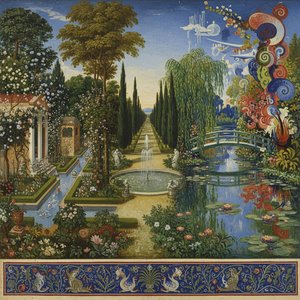
Cultivating Paradise: A Historical & Artistic Exploration of Gardens in Painting
Explore the rich history of gardens in painting! Discover masterpieces from Renaissance to Impressionism & beyond. Learn about symbolism, artists like Monet & Klimt, and find your perfect artwork at OriginalUniqueArt.

Dark Masterpieces: 10 Iconic Paintings Dominated by Black Tones |
Explore 10 iconic paintings dominated by black tones, from Rembrandt’s chiaroscuro to Goya's dark expressions. Discover the stories behind these masterpieces & find museum-quality art reproductions for your home at .

White on Canvas: 10 Masterpieces & Timeless Elegance for Your Home Decor
Explore 10 iconic white paintings by Monet, Whistler & Rothko! Discover the stories behind these serene masterpieces and their impact on art history. Find museum-quality reproductions for your home decor at .

Monochrome Visions: Exploring the Aesthetic & Historical Significance of Black & White Photography
Explore the rich history & artistic power of black and white photography. From early techniques to iconic masters like Ansel Adams, discover why monochrome continues to captivate art lovers today. Expert insights for collectors.