

 미리보기
미리보기
 공유하기
공유하기 공유하기
공유하기
 상세 정보
상세 정보

 다운로드
다운로드
 유사 작품
유사 작품 X-레이
X-레이 슬라이드 쇼
 통계 정보
통계 정보Paranoia (Surrealist Figures)


 더 보기
더 보기
지클레 / 아트 프린트
빠른 제작과 다양한 마감 옵션을 제공하는 박물관 품질의 지클레이 또는 캔버스 프린트. ( 손으로 그린 그림 구매 디지털 이미지로 전환)




P118B $10

P118H $10

P118W $10

P438Z $10

P508JH $12

P508YH $12

P805H $10

P805Z $10

P919BZ $10

P919G $10

P919XJ $10

P959ZH $10

P968JZ $12

W106C $8

W218G $10

W218JH $8

W218Y $10

W307PJ $10

W316G $10

W316PJ $8

W316Y $10

W398PJ $8

W4111J $10

W500HY $15

W500JH $15

W692G $12

W849H $8

W940BG $15

W953PJ $8




작품의 원본 비율을 유지하는 미리 설정된 크기 중에서 선택하세요.

특정 프레임이나 공간에 맞춰 직접 치수를 입력하실 수 있습니다. 선택하신 사이즈가 원본 이미지의 비율과 일치하지 않을 경우, 작품을 크롭(자르기)하거나 이미지를 대칭 또는 단색 채우기로 확장하여 제작합니다. 제작 시작 전, 최종 확인을 위해 디지털 목업이 전송됩니다.
화면상의 미리보기는 실제 크롭이나 확장 상태를 반영하지 않으므로, 최종 구도는 오직 목업을 통해서만 정확하게 확인하실 수 있습니다.
맞춤 사이즈 제작도 가능하지만, 원본 비율을 유지하기 위해서는 사전 정의된 목록에서 치수를 선택하시는 것을 권장합니다.


 유리 옵션은 110cm 미만 크기에서만 선택 가능합니다.

Paranoia (Surrealist Figures)
지클레 / 아트 프린트
복제본 크기
-


최종 결제 금액
$ 80
Paranoia (Surrealist Figures): A Descent into the Subconscious
Salvador Dalí’s “Paranoia (Surrealist Figures),” painted in 1944, isn't merely a landscape; it’s an immersive journey into the fractured psyche. Born from the anxieties of wartime Europe and deeply rooted in Dalí’s exploration of Freudian psychoanalysis, this work represents a pivotal moment in his artistic evolution – a deliberate plunge into the realm of paranoia and subjective experience. The painting immediately confronts the viewer with a desolate, almost lunar landscape, dominated by a stark, ochre-colored sky and a barren terrain punctuated by unsettlingly distorted forms. It’s a scene designed not to offer comfort or clarity, but rather to evoke a sense of disorientation and unease – a feeling perfectly aligned with the title's core concept.
Dalí meticulously crafted this world using his signature meticulous technique, honed over years of practice. The precision of each brushstroke, the careful rendering of textures—from the dry, cracked earth to the shimmering heat haze—creates an illusionistic depth that draws the eye into the scene’s unsettling details. He employed a restricted palette of warm browns, yellows, and reds, intensifying the feeling of isolation and amplifying the psychological drama. The use of oil paint allowed for layering and blending, creating subtle gradations of color and light that contribute to the painting's dreamlike quality.
The Language of Symbols: Deconstructing Reality
“Paranoia (Surrealist Figures)” is a rich tapestry of symbolic imagery, reflecting Dalí’s fascination with Freudian concepts of the subconscious. The prominent red figure in the foreground, resembling a distorted chair, immediately commands attention. This isn't simply an object; it represents a sense of oppressive authority and perhaps even a self-imposed confinement – a visual manifestation of paranoia itself. The elongated sailboat, adrift on the dry land, symbolizes lost hope or a yearning for escape, while the translucent veil draped over a form suggests hidden desires and obscured identities. The scattered figures throughout the landscape—some standing, some seated, others lying prone—represent fragmented memories and distorted perceptions.
Dalí himself described his artistic process as “paranoiac-critical method,” a technique he developed to access his own subconscious mind. This involved systematically analyzing his thoughts and images, identifying recurring patterns and symbols, and then translating them into visual form. “Paranoia (Surrealist Figures)” is a prime example of this method in action – a deliberate attempt to externalize the internal chaos of a paranoid state. The painting isn’t about depicting a literal landscape; it's about representing the *feeling* of paranoia, its distortions and anxieties.
Historical Context & Dalí’s Surrealist Journey
Created in 1944, during the tumultuous years of World War II, “Paranoia (Surrealist Figures)” reflects a broader cultural climate marked by uncertainty, fear, and disillusionment. Surrealism, as a movement, emerged in response to the horrors of war and the perceived failures of rational thought. Dalí’s work aligns perfectly with this spirit, offering a visual antidote to the logic-driven world of the time. It's important to note that Dalí was deeply influenced by Sigmund Freud’s theories on psychoanalysis, particularly his exploration of dreams and the unconscious mind.
Following his departure from Spain in 1940 due to the rise of Franco, Dalí spent much of this period in America, enjoying considerable commercial success. However, he returned to Spain in 1948, embracing a more conservative outlook and aligning himself with the Catholic Church. This shift is reflected in some of his later works, which often incorporated religious imagery and themes. “Paranoia (Surrealist Figures)” represents a transitional period in Dalí’s career, bridging the gap between his earlier, more overtly subversive Surrealist paintings and his later, more introspective and spiritually-oriented work.
Emotional Resonance & Artistic Legacy
“Paranoia (Surrealist Figures)” is not a painting to be passively observed; it demands engagement. It evokes a profound sense of unease, disorientation, and perhaps even a touch of melancholy. The painting’s unsettling imagery lingers in the mind long after viewing, prompting reflection on the nature of reality, perception, and the hidden depths of the human psyche. Dalí's masterful manipulation of color, form, and symbolism creates an experience that is both visually arresting and emotionally resonant.
Today, “Paranoia (Surrealist Figures)” remains a cornerstone of Dalí’s oeuvre and a powerful example of Surrealism at its most evocative. Reproductions offer a remarkable opportunity to bring this extraordinary artwork into your home or office, allowing you to experience the unsettling beauty and profound psychological insights that lie within its dreamlike landscape.
작가 약력
몽상의 거장: 살바도르 달리의 삶과 예술
살바도르 달리, 이 이름은 초현실주의라는 단어와 떼려야 뗄 수 없는 연결고리를 지니고 있습니다. 1904년 스페인 피게라스에서 태어난 그는 단순한 화가를 넘어, 자신의 존재를 하나의 공연처럼 연출하며 꿈과 무의식의 세계를 시각적으로 구현해낸 예술가였습니다. 형의 죽음이라는 어린 시절의 상실은 그의 작품에 이중성과 대체라는 주제를 깊숙이 새겨 넣었고, 엄격하지만 현실적인 아버지와 헌신적인 어머니 사이에서 복잡한 관계를 형성하며 독특한 성격을 갖추게 되었습니다. 마드리드 산 페르난도 미술 아카데미에서 정식 교육을 받았지만, 인상주의 화가들과 르네상스 거장들의 작품을 접하면서 전통에서 벗어나 자신만의 길을 개척하고자 하는 열망에 불타올랐습니다.파리의 만남과 초현실주의 비전의 탄생
1926년 파리로 향한 여정은 달리의 삶을 완전히 바꿔놓았습니다. 그는 다다이즘의 반항적인 정신에 매료되었고, 논리를 거부하고 부조리함을 포용하는 태도에서 자신의 예술적 성향과 공명했습니다. 그러나 무엇보다 중요한 것은 파리에서 앙드레 브르통, 파블로 피카소 – 달리가 깊이 존경했던 인물 – 호안 미로 등 초현실주의의 핵심 인물들과 교류하며 본격적으로 초현실주의를 받아들인 것입니다. 이는 단순한 스타일의 차용이 아니라, 그가 스스로 “편집증적-비판적 방법”이라고 명명한 혁신적인 기법을 통해 초현실주의 운동 자체를 재정의하는 계기가 되었습니다. 그는 자발적으로 유도하는 편집증 상태를 통해 무의식 속에 숨겨진 이미지를 해방시키고, 꿈과 불안, 깊은 개인적 상징들을 놀라운 선명함과 세밀한 묘사로 캔버스에 옮겨놓았습니다. 그 결과, 녹아내리는 시계, 길어지는 그림자, 왜곡된 인물, 기괴한 조합으로 가득 찬 세계가 탄생했습니다. 1931년 완성된 <기억의 지속>은 시간의 유동성, 기억의 취약성, 그리고 필연적인 부패를 담아낸 그의 대표작입니다.캔버스를 넘어선 다재다능한 예술가
달리의 창작 활동은 회화에만 국한되지 않았습니다. 그는 극도로 다재다능한 예술가로서 조각, 영화 – 알프레드 히치콕과의 <현기증>과 월트 디즈니와의 협업이 대표적입니다 – 그래픽 아트, 보석 디자인, 무대 세트 등 다양한 분야에서 활동했습니다. 그는 전통적인 예술 매체를 넘어 상업 예술의 경계를 탐험하며 광고와 쇼윈도우를 디자인하기도 했습니다. 개미는 부패를 상징하고, 달걀은 태아의 삶과 희망을 나타내며, 목발은 지지와 취약성을 의미하고, 서랍은 숨겨진 비밀을 암시하는 등 반복되는 모티프들이 그의 작품 전반에 걸쳐 나타납니다. 이러한 상징들은 단순한 것이 아니라, 그의 불안, 욕망, 그리고 기억에 뿌리를 둔 깊이 개인적인 것들입니다. <줄리에의 무덤>, 인공성과 정체성을 반영하는 <마네킹 (바르셀로나 마네킹)>, 죽음을 섬뜩하게 묘사한 <비행기가 날아다니는 벌레가 있는 꿈>과 같은 작품들은 그의 주제적 관심사의 폭과 깊이를 보여줍니다. 그는 수년간 갈고닦은 뛰어난 기법을 통해 이러한 환상적인 비전을 사진처럼 사실적으로 구현하여 그 불안감을 더욱 증폭시켰습니다.기이함, 유산 그리고 지속적인 영향력
달리는 평생 자신의 예술만큼이나 기이하고 화려한 페르소나를 구축했습니다. 그는 대중의 관심을 사로잡는 쇼맨십을 이해했으며, 이를 적극적으로 활용했습니다. 1934년 갈라 엘루아르드와의 결혼은 개인적인 측면뿐만 아니라 예술적인 측면에서도 중요한 전환점이 되었습니다. 그녀는 그의 뮤즈이자 사업 관리자였으며, 변함없는 지지자가 되어주었습니다. 후기에는 상업적 활동이 증가하고 프랑코 정권에 대한 논란의 여지가 있는 지지를 보였지만, 그의 예술적 유산은 여전히 막대합니다. 1989년 1월 23일에 세상을 떠났지만, 그는 끊임없이 도전하고, 자극하며, 영감을 주는 작품들을 남겼습니다. 플로리다 주 세인트피터스버그에 위치한 살바도르 달리의 미술관은 그의 지속적인 인기를 증명하는 동시에 방문객들이 이 특별한 예술가의 세계에 몰입할 수 있는 공간입니다. 달리는 예술의 경계를 넘어 패션, 영화, 광고 및 대중 문화에 영향을 미친 문화적 아이콘이 되었습니다. 그는 20세기 가장 유명하고 영향력 있는 예술가 중 한 명으로 남아 있습니다—자신의 무의식의 깊이를 탐험하고 그 신비로움을 모든 사람이 볼 수 있도록 캔버스에 옮겨놓은 진정한 선구자입니다.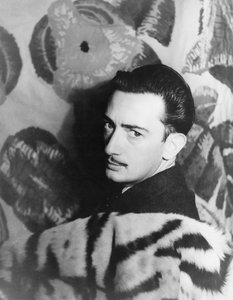
살바도르 달리
1904 - 1989 , 스페인
주요 정보
- 국적: 스페인
- 대표작:
- 기억의 지속
- 줄리에타의 무덤
- 마네킹
- 파리 드롬
- 영향을 받은 예술 사조:
- 팝 아트
- 현대 미술
- 영향을 준 예술가:
- 파블로 피카소
- 미로
- 예술 사조: 초현실주의
- 전체 이름: 살바도르 달리
- 출생일: 1904년 5월 11일
관련 기사 더 보기
살바도르 달리 최고작 25선: 꿈과 초현실주의의 세계를 담다 | OriginalUniqueArt
살바도르 달리 최고작 25선을 만나보세요. 초현실주의의 거장이 그린 꿈, 무의식, 시간의 흐름을 담은 명화들을 감상하고 작품 속 이야기를 탐구하세요. OriginalUniqueArt에서 미술 컬렉션을 완성해보세요.
Salvador Dalí: Surrealism, Subconscious Exploration & Artistic Innovation
Explore the captivating world of Salvador Dalí! Discover his surrealist masterpieces, profound connection to Freud's theories, and lasting impact on art & culture. A deep dive into a visionary artist.
초현실주의를 정의한 10대 걸작: 예술과 인테리어의 새로운 영감 (OriginalUniqueArt)
초현실주의 미술의 정수를 담은 10대 걸작을 만나보세요. 마그리트, 달리 등 거장의 작품 비하인드 스토리와 예술적 의미를 탐구하고, OriginalUniqueArt에서 고품질 아트 프린트로 공간에 영감을 불어넣으세요! 지금 바로 OriginalUniqueArt.com에서 컬렉션을 둘러보세요.

Decoding Dalí: The Paranoiac-Critical Method and Surrealist Symbols Explained
Master the complexities of Salvador Dalí's work. Explore the Paranoiac-Critical Method, decode iconic Surrealist symbols, and understand the psychological depth behind his technical brilliance in this expert art history guide designed for students and collectors.
Decoding Dalí: The Secrets of the Paranoiac-Critical Method and Surrealist Symbols
Unlock the mysteries of Salvador Dalí. Explore the profound secrets behind his Paranoiac-Critical Method and decode the surrealist symbols that define his legendary dreamscapes in this expert art history guide.


