

 실제 크기로 보기
 보내기
보내기 공유하기
공유하기
 상세 보기
상세 보기 가이드 보기

 이미지 다운로드
 유사 작품 더 보기
 X-레이
X-레이 슬라이드 쇼 보기
 통계 정보
통계 정보Chasse au daim


 상세 보기
상세 보기
핸드메이드 유화 복제화
작가가 직접 캔버스에 손으로 그린 유화 작품으로, 원하는 크기와 액자로 맞춤 제작해 드립니다. ( 프린트 판매로 전환 디지털 이미지 판매 채널로 전환)




































작품의 원본 비율을 그대로 유지하는 프리셋 사이즈 중에서 선택해 보세요.

특정 프레임이나 공간에 맞춰 원하는 크기를 직접 입력하실 수 있습니다. 선택하신 크기가 원본 이미지의 비율과 일치하지 않을 경우, 작품을 자르거나 추가적인 수작업 요소를 더해 그림을 확장하여 제작합니다. 제작 시작 전, 최종 확인을 위해 디지털 목업을 보내드립니다.
화면상의 미리 보기는 실제 크롭(자르기)이나 확장된 상태를 완벽히 반영하지 않을 수 있습니다. 최종 구도는 오직 목업을 통해서만 정확하게 확인하실 수 있습니다.
맞춤 크기 제작도 가능하지만, 원본의 비율을 그대로 유지하기 위해서는 미리 정의된 목록에서 크기를 선택하시는 것을 권장합니다.
주문 완료 후 OriginalUniqueArt.com 팀에서 상세 안내를 위해 고객님께 이메일을 보내드리며, 미리보기 시안을 함께 제공해 드립니다.


 유리 옵션은 110cm 미만 크기에서만 선택 가능합니다.

Chasse au daim
재현 매체
복제본 규격
-


총 결제 금액
$ 300
작가 소개
A Master of Flemish Still Life: The World of Geerard Rysbrack
Geerard Rysbrack, a name perhaps less immediately recognizable than some of his Dutch and Flemish contemporaries, nevertheless occupies a significant place in the pantheon of 18th-century still life painters. Born in Antwerp (though precise dates remain elusive), Rysbrack flourished during a period when meticulous observation of nature, coupled with an increasingly sophisticated understanding of light and texture, defined artistic excellence. While biographical details are scarce – a common fate for artists working within established genres – the surviving corpus of his work speaks volumes about his skill, dedication, and the refined tastes of his clientele. Rysbrack’s paintings weren't merely depictions of dead game or lush landscapes; they were carefully constructed statements about wealth, status, and humanity’s relationship with the natural world. He was a product of the Baroque tradition, yet his style subtly anticipates the more delicate sensibilities of the Rococo era.Early Influences and Artistic Development
Rysbrack's artistic journey began in a city steeped in painting traditions. Antwerp, a major center for art production throughout the 17th and 18th centuries, provided fertile ground for aspiring artists. He likely received his initial training within a local workshop, absorbing the techniques of established masters specializing in still life and animalier paintings. The influence of painters like Frans Snyders, renowned for his dynamic market scenes teeming with game and provisions, is readily apparent in Rysbrack’s early works. However, Rysbrack quickly moved beyond mere imitation. He demonstrated a particular aptitude for rendering the subtle nuances of plumage, fur, and feather – qualities that would become hallmarks of his mature style. His landscapes, though less numerous than his still lifes, reveal an appreciation for the atmospheric effects pioneered by artists like Jacob van Ruisdael, suggesting a broader engagement with the wider Dutch painting tradition. He wasn’t simply copying nature; he was interpreting it through a lens of refined observation and technical mastery.The Art of Detail: Still Lifes of Game, Fruit & Flowers
Rysbrack's most celebrated works are undoubtedly his still lifes featuring game birds, rabbits, fruit, and occasionally flowers. These paintings are characterized by an extraordinary level of detail – each feather meticulously rendered, each piece of fruit glistening with moisture, each fold of fur conveying a sense of tactile realism. He possessed an uncanny ability to capture the textures and colors of his subjects, creating compositions that were both visually stunning and remarkably lifelike. Beyond technical skill, Rysbrack’s still lifes are imbued with symbolic meaning. Game birds often represented abundance and prosperity, while fruit alluded to themes of temptation and mortality. The careful arrangement of objects within the composition wasn't arbitrary; it was a deliberate attempt to convey specific messages about wealth, status, and the fleeting nature of earthly pleasures. His compositions frequently feature rich, dark backgrounds that serve to accentuate the vibrancy of the foreground elements, drawing the viewer’s eye directly to the meticulously rendered details of his subjects.Landscapes & Broader Artistic Scope
While primarily known for his still lifes, Rysbrack also produced a number of landscapes, often incorporating animals into the scenes. These works demonstrate his versatility as an artist and reveal a keen eye for atmospheric effects.- His landscapes typically feature wooded areas, rolling hills, and tranquil waterways.
- Animals, such as deer or rabbits, are often depicted in naturalistic poses, adding a sense of life and movement to the compositions.
- The color palettes employed in his landscapes tend to be muted and harmonious, creating a sense of serenity and tranquility.
Legacy & Historical Significance
Geerard Rysbrack’s work represents a high point in Flemish Baroque still life painting. While he didn't achieve the widespread fame of some of his contemporaries, his paintings were highly sought after by collectors during his lifetime and continue to be admired today for their technical brilliance and refined aesthetic sensibility. His meticulous attention to detail, coupled with his subtle use of symbolism, set him apart from other artists working in the genre. Rysbrack’s legacy lies not only in the beauty and artistry of his individual paintings but also in his contribution to the broader tradition of still life painting – a tradition that continues to inspire artists and captivate audiences centuries later. His works offer a glimpse into the world of 18th-century Flanders, revealing the tastes, values, and artistic sensibilities of a bygone era. He stands as a testament to the enduring power of observation, skill, and the pursuit of beauty in art.
관련 기사

The Enduring Power of Painting: A Historical & Contemporary Exploration of Form and Emotion
Explore the rich history & enduring techniques of oil painting with OriginalUniqueArt. Discover masterpieces, learn about art collecting, and find authentic handmade reproductions crafted by skilled artists.
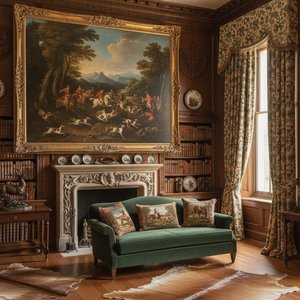
Capturing the Chase: Infusing Interiors with the Dramatic Grandeur of Historical Hunting Scene Artworks
Transform your space with the dramatic grandeur of hunting scene art. OriginalUniqueArt.com offers exquisite, hand-painted oil reproductions of Baroque landscapes and custom historical portraits. Discover museum-quality craftsmanship and bespoke artistry to bring timeless prestige to your home.

The Dramatic Flourish: Exploring the Baroque Movement's Enduring Legacy in Art History
Explore the dramatic world of Baroque art! Discover iconic artists like Caravaggio & Rubens, defining techniques, and its lasting impact on art history. Expert insights for collectors & enthusiasts at OriginalUniqueArt.

바로크의 드라마: 현대 인테리어에 풍요로움과 감동을 불어넣기
바로크 예술의 풍요로운 세계를 탐험하고, 현대 인테리어에 감동을 불어넣는 방법을 OriginalUniqueArt에서 만나보세요. 카라바조, 렘브란트 등 거장들의 작품과 키아로스쿠로 기법 활용 노하우를 공개합니다.

화려함 속에 감춰진 진실! 바로크 미술을 정의한 10대 걸작 탐구
화려함과 극적인 표현이 압권! 바로크 미술을 대표하는 10대 걸작의 숨겨진 이야기를 만나보세요. 베르니니, 루벤스 등 거장의 작품부터 바로크 색감, 예술적 기법까지 – OriginalUniqueArt.com에서 명품 복제 & 인테리어 영감을 얻으세요! 지금 바로 컬렉션을 탐험해보세요.