Contemporary Minimalism · 2010
Untitled (루돌프 슈팅겔, 2010)
루돌프 슈팅겔 (1956) 작가의 Untitled 2010년에 제작되었습니다. Contemporary Minimalism 운동에 속합니다. Acrylic On Canvas(으)로 제작되었습니다. 베네치아, 이탈리아에 위치한 팔라초 그라시에 소장되어 있습니다. 크기는 40 × 33 cm입니다.
- 2010
- Acrylic On Canvas
- 40 × 33 cm
- 팔라초 그라시, 베네치아

 미리보기

 수작업 유화 작품
 공유하기
 공유하기
 학습용 요약본


 다운로드
 유사 작품 더 보기
 X-레이
 슬라이드 쇼 보기
 질의응답

 통계 정보
Untitled 요약
Untitled은(는) 무엇을 묘사하고 있나요?
Rudolf Stingel’s ‘Untitled’: A Dialogue Between Medieval Iconography and Industrial Texture
Rudolf Stingel's oeuvre defies easy categorization, presenting an artist who consistently interrogates the boundaries between art and everyday life. His work isn’t merely aesthetically pleasing; it compels viewers to contemplate their own perceptions of beauty and artistic process—a deliberate provocation that distinguishes him from many contemporary practitioners. This essay delves into the conceptual core of ‘Untitled,’ examining its striking monochrome sculpture, exploring its fusion of disparate influences, and uncovering the profound emotional resonance embedded within its textured surface.The Sculpture’s Genesis: Material Transformation
Stingel's artistic approach begins with a radical reimagining of conventional materials. Rather than relying on traditional mediums like oil paint or marble, he utilizes industrial components—primarily styrofoam and cast polyurethane—to construct monumental sculptures that challenge preconceived notions about artistic expression. This deliberate selection speaks to Stingel’s fascination with the intersection between craft and industry, mirroring the broader cultural shift towards embracing repurposed materials and questioning established hierarchies within the art world. The process itself is equally significant: Stingel meticulously carves out geometric forms from these blocks of polyurethane, imprinting them with intricate patterns reminiscent of medieval iconography—a deliberate juxtaposition designed to disrupt visual expectations.Medieval Echoes: Symbolism and Iconographic Influence
The sculpture’s surface bears unmistakable traces of religious symbolism. Recurring motifs – crosses, halos, and stylized figures – echo the traditions of European art history, specifically referencing Byzantine icons and Renaissance frescoes. Stingel isn't attempting a literal representation; instead, he employs these symbols as points of reference to stimulate contemplation about faith, spirituality, and the enduring power of visual imagery. This layering of references elevates ‘Untitled’ beyond mere sculptural form, transforming it into a vehicle for conveying complex ideas about cultural heritage and artistic interpretation. The artist’s intention is not simply to reproduce recognizable images but to engage in a dialogue with art history itself.Texture as Emotional Resonance: Technique and Material Exploration
The sculpture's surface possesses an extraordinary tactile quality—a deliberate departure from the smooth, polished finishes typical of classical sculpture. Stingel employs a technique known as ‘carving out,’ where he removes material from the polyurethane block to reveal underlying textures that are then painstakingly smoothed and polished. This process creates surfaces that appear both monumental and subtly vulnerable, mirroring the artist’s exploration of materiality as an expressive medium. The resulting texture is deliberately uneven, capturing the marks of the carving process and emphasizing the physicality of the artwork—a conscious decision to counteract the perceived detachment of abstract sculpture and foster a connection between viewer and object.A Reflection on Perception: Artistic Intent
Ultimately, ‘Untitled’ serves as a meditation on how we perceive art and its relationship to our environment. Stingel's masterful manipulation of industrial material alongside classical iconography compels us to reconsider what constitutes beauty and artistic significance. The sculpture invites viewers to engage in an active process of interpretation—to consider the interplay between tradition and innovation, materiality and symbolism. It’s a testament to Stingel’s belief that art should provoke thought and emotion, pushing beyond mere visual gratification toward a deeper understanding of human experience.Concluding Thoughts: Beyond Representation
‘Untitled’ exemplifies Stingel's commitment to conceptual painting and installations—a genre characterized by its focus on ideas rather than literal depictions. He prioritizes the process of creation itself, demonstrating how readily available materials can be transformed into artworks that resonate with profound emotional depth. By juxtaposing industrial texture with religious iconography, Stingel compels us to confront our assumptions about art’s role in shaping cultural consciousness—a legacy that secures his place as one of the most distinctive voices in contemporary sculpture.Untitled은(는) 어느 미술관에 소장되어 있나요?
팔라초 그라시
베네치아, 이탈리아
재해석된 베네치아의 걸작: 팔라초 그라시의 영혼 대운하가 지나간 해상 제국의 비밀을 속삭이는 베네치아의 심장부에 팔라초 그라시가 서 있습니다. 이곳은 18세기의 고전적 우아함과 현대의 도발적인 맥박을 이어주는 숨 막히는 가교 역할을 하는 건축물입니다. 이 문턱을 넘어서는 것은 단순히 과거에 머무는 역사가 아니라, 현재와 능동적으로 대화하는 공간으로 들어서는 일입니다.


Untitled의 고해상도 이미지

Protected by copyright: these files are for personal reference, not a licence to republish.
루돌프 슈팅겔, Untitled (2010), 팔라초 그라시.
Untitled에 관한 질문과 답변
현재 루돌프 슈팅겔의 "Untitled"은(는) 어디에서 관람할 수 있나요?
루돌프 슈팅겔의 "Untitled"에는 어떤 기법이 사용되었나요?
"Untitled"은(는) Acrylic On Canvas 기법으로 제작되었습니다.
루돌프 슈팅겔의 "Untitled"의 실제 크기는 어떻게 되나요?
"Untitled"은(는) 어떤 내용을 담고 있나요?
루돌프 슈팅겔의 "Untitled"의 이미지를 자유롭게 복제할 수 있나요?
"Untitled"은(는) 어떤 화풍에 속하나요?
아티스트 루돌프 슈팅겔 소개
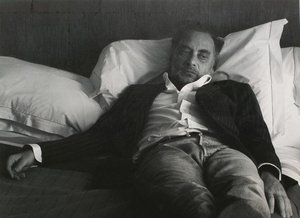
1956, 이탈리아
루돌프 슈팅겔
루돌프 슈팅겔: 전기 출생: 이탈리아 메라노 (1956년) 현재 거주지: 뉴욕 국적: 이탈리아 초기 생애와 예술적 발전 루돌프 슈팅겔은 1980년대 후반 미술계에 등장하며 중요한 인물로 부상했습니다. 주로 1987년부터 1994년 사이에 제작된 그의 초기 단색화 작업들은 은빛 표면 아래로 빨강, 노랑, 혹은 파랑의 미묘한 색조가 감도는 것이 특징이었습니다. 이 시기는 슈팅겔이 표면과 지각에 대한 탐구에 깊은 관심을 두게 된 토대가 되었습니다. 이후 1990년대에 접어들며 그의 예술적 발전은 더욱 극적인 전환점을 맞이하는데, 그는 보다 생동감 넘치는 색채와 질감을 실험하기 시작했습니다.
Untitled 관련 에세이
 Spontaneity and Matter: Distinguishing CoBrA from Art InformelMaster the differences between CoBrA and Art Informel with our expert guide. Learn to identify these post-war movements today.
 10 Iconic Masterpieces Defining the Contemporary Art EraExplore 10 iconic works defining the contemporary era. Discover museum-quality masterpieces on OriginalUniqueArt.com.
 Color & Emotion: The 25 Most Iconic Masterpieces by Mark RothkoImmerse yourself in the profound emotion of Abstract Expressionism. Explore 25 iconic Mark Rothko masterpieces, from his signature color fi…