
 미리보기
미리보기
 프린트 구매
 공유하기
공유하기 공유하기
공유하기
 상세 정보
상세 정보

 다운로드
다운로드
 유사 작품
유사 작품 X-레이
X-레이 슬라이드 쇼
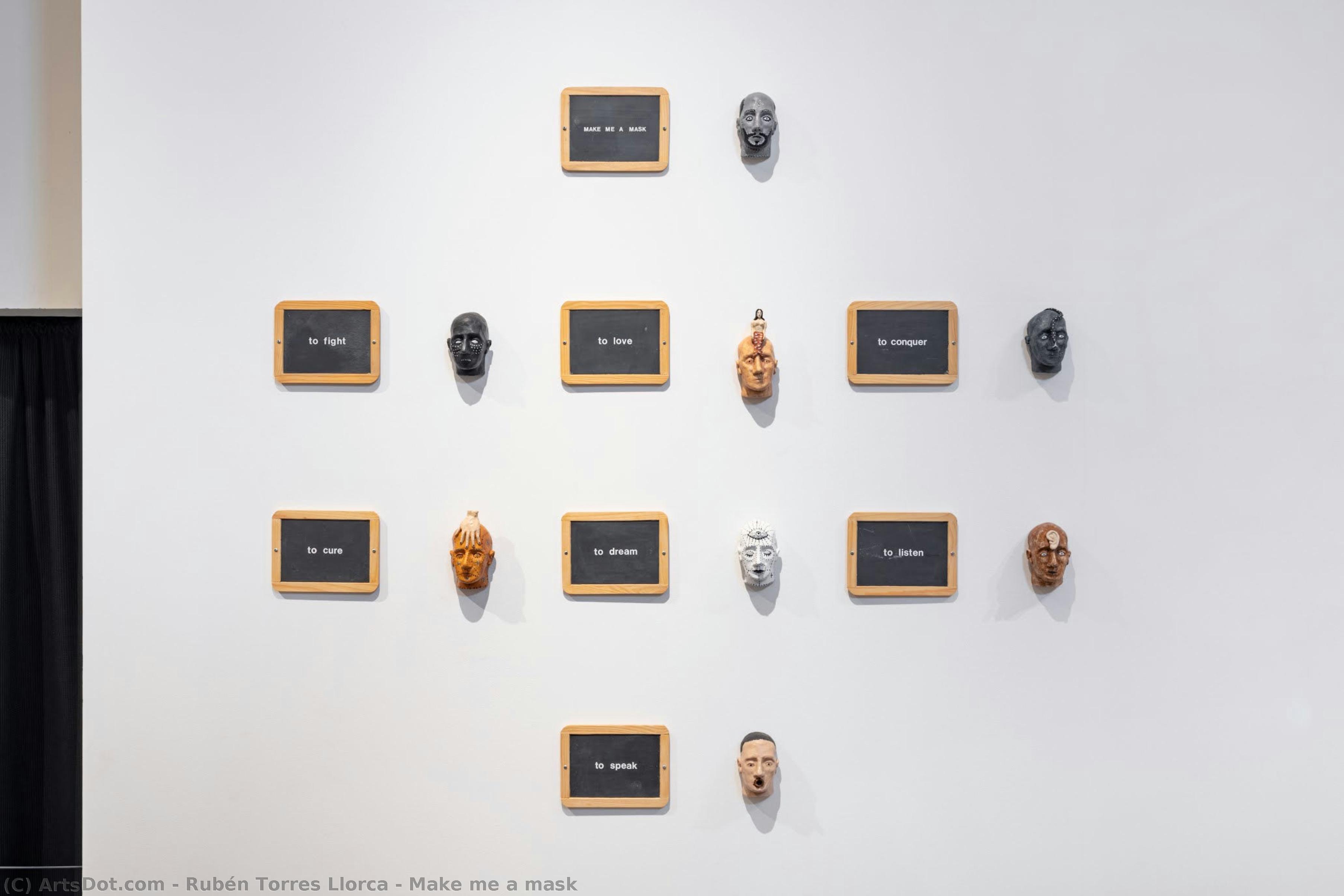
Make me a mask
 2013
2013 13.0 x 9.0 cm
 Collegium Arévalo Spain
 더 보기
더 보기




































작품의 원본 비율을 유지하는 미리 설정된 크기 중에서 선택하세요.

특정 프레임이나 공간에 맞도록 직접 크기를 입력할 수 있습니다. 선택하신 크기가 원본 이미지의 비율과 일치하지 않는 경우, 작품을 자르거나 추가적인 손으로 그린 요소를 사용하여 그림을 확장합니다. 제작 시작 전 승인을 위해 디지털 목업을 보내드립니다.
화면 미리 보기는 실제 자르기 또는 확장을 반영하지 않습니다. 최종 구성은 목업을 통해서만 정확하게 확인하실 수 있습니다.
맞춤 크기 제작도 가능하지만, 원본 비율을 유지하기 위해 사전 정의된 목록에서 크기를 선택하시는 것을 권장합니다.
주문 후 OriginalUniqueArt.com 팀에서 상세 안내를 위해 고객님께 이메일을 보내드리며, 미리보기 시안을 제공해 드립니다.


 유리 옵션은 110cm 미만 크기에서만 선택 가능합니다.

Make me a mask
재현 기법
복제본 크기
-


최종 결제 금액
$ 300
작품 상세 설명
작가 약력
A Life Immersed in Color: The Journey of Rubén Torres Llorca
Rubén Torres Llorca, born in the vibrant heart of Havana, Cuba, on March 3rd, 1957, is an artist whose work embodies a lifelong dialogue with place, memory, and the human condition. His artistic trajectory isn’t simply a chronicle of skill development; it's a compelling narrative woven from the rich tapestry of Cuban history, personal exile, and a relentless pursuit of expressive form. From his earliest studies at the Escuela Nacional de Bellas Artes "San Alejandro" (1972-1976), where he laid the foundational groundwork in painting and drawing, Torres Llorca demonstrated an innate sensitivity to light and shadow, a characteristic that would become a hallmark of his mature style. This formal training was further refined during his years at the Instituto Superior de Arte (ISA) in Havana (1976-1981), where he expanded his artistic vocabulary to encompass sculpture, collage, and photography – mediums he continues to explore with equal passion today.From Havana’s Studios to Mexico City and Miami
The political climate of Cuba profoundly shaped Torres Llorca's early career. While deeply rooted in the traditions of Cuban art, his work also subtly reflected a yearning for broader perspectives. This internal tension found its release in 1990 with his relocation to Mexico City. The three years he spent there were pivotal, exposing him to new artistic currents and allowing him to distance himself from the constraints of his homeland. However, it was his arrival in Miami, Florida, in 1993 that truly catalyzed a significant shift in his artistic focus. Miami’s unique cultural landscape – a confluence of Latin American identities, vibrant energy, and the ever-present specter of displacement – became both subject matter and catalyst for his evolving aesthetic. The city's light, so different from Havana’s, demanded a new approach to color and form. He didn’t merely adapt; he absorbed this new environment, allowing it to permeate his canvases and sculptures.Themes of Memory, Identity, and the Landscape
Torres Llorca's work is characterized by an evocative power that transcends mere representation. His landscapes are not simply depictions of places but rather emotional terrains – imbued with a sense of nostalgia, longing, and the weight of history. He often returns to motifs of the Cuban countryside, rendered in lush, layered colors that capture both its beauty and its fragility. Portraits, too, hold a central place in his oeuvre, serving as intimate studies of identity and resilience. These are not idealized representations but rather explorations of vulnerability, strength, and the complexities of the human spirit. Collage emerges as another significant element, allowing Torres Llorca to fragment and reassemble memories, creating visual narratives that speak to the fractured nature of experience. His photography often serves as a foundation for his paintings, providing a raw, immediate source material that he then transforms through layers of color and texture.Influences and Artistic Development
While Torres Llorca’s work is distinctly personal, it resonates with the broader currents of Latin American modernism. The influence of artists like Wifredo Lam – a fellow Cuban master known for his surrealist-infused depictions of Afro-Cuban culture – can be seen in Torres Llorca's exploration of symbolism and myth. However, he also draws inspiration from European masters such as Francis Bacon and Antoni Tàpies, whose expressive use of texture and form informs his sculptural work. Over the years, Torres Llorca has moved beyond a purely figurative style, embracing abstraction as a means of conveying deeper emotional truths. His recent works demonstrate a growing interest in materiality – experimenting with different surfaces, incorporating found objects, and pushing the boundaries of traditional painting techniques.A Legacy of Evocation and Resilience
Rubén Torres Llorca’s contribution to contemporary Cuban art lies not only in his technical mastery but also in his ability to capture the essence of a complex cultural experience. His work serves as a poignant reminder of the enduring power of memory, the search for identity in a fragmented world, and the resilience of the human spirit. He has exhibited extensively throughout the Americas and Europe, earning critical acclaim and establishing himself as a leading voice in the Latin American art scene.- His paintings hang in numerous private collections.
- Torres Llorca’s sculptures grace public spaces across Florida.
- He continues to inspire younger generations of Cuban artists with his dedication to artistic exploration and unwavering commitment to expressing the complexities of his heritage.

rubén torres llorca
1957 - , Cuba

