
 미리보기
미리보기
 프린트 구매
 공유하기
공유하기 공유하기
공유하기
 상세 정보
상세 정보

 다운로드
다운로드
 유사 작품
유사 작품 X-레이
X-레이 슬라이드 쇼
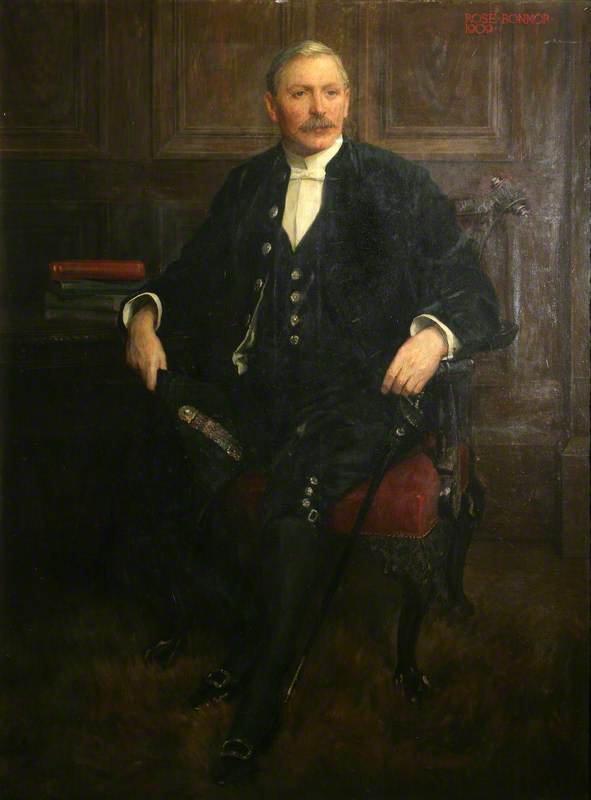
Herbert Eccles, High Sheriff
 1909
1909 162.0 x 121.0 cm
 더 보기
더 보기




































작품의 원본 비율을 유지하는 미리 설정된 크기 중에서 선택하세요.

특정 프레임이나 공간에 맞도록 직접 크기를 입력할 수 있습니다. 선택하신 크기가 원본 이미지의 비율과 일치하지 않는 경우, 작품을 자르거나 추가적인 손으로 그린 요소를 사용하여 그림을 확장합니다. 제작 시작 전 승인을 위해 디지털 목업을 보내드립니다.
화면 미리 보기는 실제 자르기 또는 확장을 반영하지 않습니다. 최종 구성은 목업을 통해서만 정확하게 확인하실 수 있습니다.
맞춤 크기 제작도 가능하지만, 원본 비율을 유지하기 위해 사전 정의된 목록에서 크기를 선택하시는 것을 권장합니다.
주문 후 OriginalUniqueArt.com 팀에서 상세 안내를 위해 고객님께 이메일을 보내드리며, 미리보기 시안을 제공해 드립니다.


 유리 옵션은 110cm 미만 크기에서만 선택 가능합니다.

Herbert Eccles, High Sheriff
재현 기법
복제본 크기
-


최종 결제 금액
$ 300
작가 약력
Rose Dempster Bonnor: A Victorian Portraitist of Dogs and Dignitaries
Rose Dempster Bonnor (1875-1967) remains a quietly significant figure in 19th and early 20th-century British art, an artist whose talent was often overshadowed by the prevailing male dominance of the Royal Academy. Born in Callander, Perthshire, Scotland, into a family with artistic roots – her great-great grandfather was a renowned engraver – Bonnor’s journey to becoming a respected portrait painter was one marked by both perseverance and personal tragedy. Her early life instilled within her a deep appreciation for visual representation, a foundation that would shape her distinctive style and enduring appeal. She initially trained at Clapham School of Art, later the Camberwell School of Art, honing her skills before establishing herself as an independent artist.A Career Defined by Dogs and Dignitaries
Bonnor’s artistic focus quickly settled on two primary subjects: dogs and prominent figures from British society. While she produced a substantial body of work depicting both, it is arguably her portraits of canine companions that have secured her lasting recognition. These weren't merely charming depictions; they were imbued with an astonishing level of realism and psychological insight – capturing the essence of each dog’s personality with remarkable accuracy. Her most celebrated example, ‘Corwen,’ a champion Welsh Springer Spaniel, exemplifies this skill perfectly, showcasing a nuanced understanding of canine anatomy and behavior. Beyond her beloved dogs, Bonnor also painted numerous portraits of notable individuals: members of the aristocracy, politicians, and even royalty. Her subjects included Lord Kenyon, a loyal lord-in-waiting to Queen Victoria, Edward VII, and George V, demonstrating an ability to capture both formal dignity and subtle character in her brushstrokes. Her work was exhibited at prestigious venues like the Royal Academy, cementing her position within the established art world, albeit often as a somewhat overlooked presence.Technique and Influences
Bonnor’s artistic style is characterized by a meticulous attention to detail and a masterful use of light and shadow – hallmarks reminiscent of Rembrandt's approach. She employed a layered technique, building up her paintings with numerous thin glazes, creating a luminous quality that brought her subjects to life. Her compositions often featured dramatic lighting effects, drawing the viewer’s eye to key features and conveying a sense of atmosphere. While she was influenced by contemporary artists such as John Singer Sargent and Edvard Munch – particularly in her use of expressive brushwork and emotional depth – Bonnor developed a distinctly personal style, marked by its quiet elegance and understated charm. The influence of her brother, John Bonnor, an Arts & Crafts artist working with jewellery, sculpture, and stained glass, is also evident in her work’s meticulous craftsmanship and attention to detail.Personal Tragedy and Legacy
Tragically, Bonnor's career was cut short by a devastating accident in 1917 – she lost her brother, John, who was sculpting ‘St George & The Dragon’ on the Parliament buildings in Ottawa. This loss profoundly affected her, leading to a decline in her artistic output and a withdrawal from public life. Despite this setback, Bonnor continued to paint sporadically until her retirement in the 1950s. She lived a relatively solitary life, never marrying or having children, and her estate was significantly altered after her death in 1967. However, her legacy endures through the remarkable quality of her portraits – particularly those of dogs – which continue to captivate viewers with their realism, sensitivity, and enduring charm.Rediscovering a Forgotten Artist
In recent years, there has been a growing appreciation for Rose Dempster Bonnor’s work, fueled by exhibitions like the one at Orleans House Gallery in London. These events have brought renewed attention to her talent and highlighted the often-overlooked contributions of women artists during the Victorian and Edwardian eras. Bonnor's paintings offer a valuable glimpse into a bygone era, capturing not only the likenesses of her subjects but also their personalities and the social context in which they lived. Her work stands as a testament to her skill, dedication, and the enduring power of portraiture – a quiet reminder that even within the grand narratives of art history, there are countless stories waiting to be rediscovered.
rose dempster bonnor
1875 - 1967
주요 정보
- Artistic Movement Or Style: Portraiture
- Artists Or Movements Influenced By This Artist: ['Arts & Crafts Movement']
- Artists Who Influenced This Artist:
- Rembrandt
- John Singer Sargent
- Date Of Birth: 1875
- Date Of Death: 1967
- Full Name: Rose Dempster Bonnor
- Nationality: British
- Notable Artworks:
- Corwen (Welsh Springer)
- Herbert Eccles Portrait
- Place Of Birth: Callander, Scotland

