
 미리보기
미리보기
 프린트 구매
 공유하기
공유하기 공유하기
공유하기
 상세 정보
상세 정보

 다운로드
다운로드
 유사 작품
유사 작품 X-레이
X-레이 슬라이드 쇼
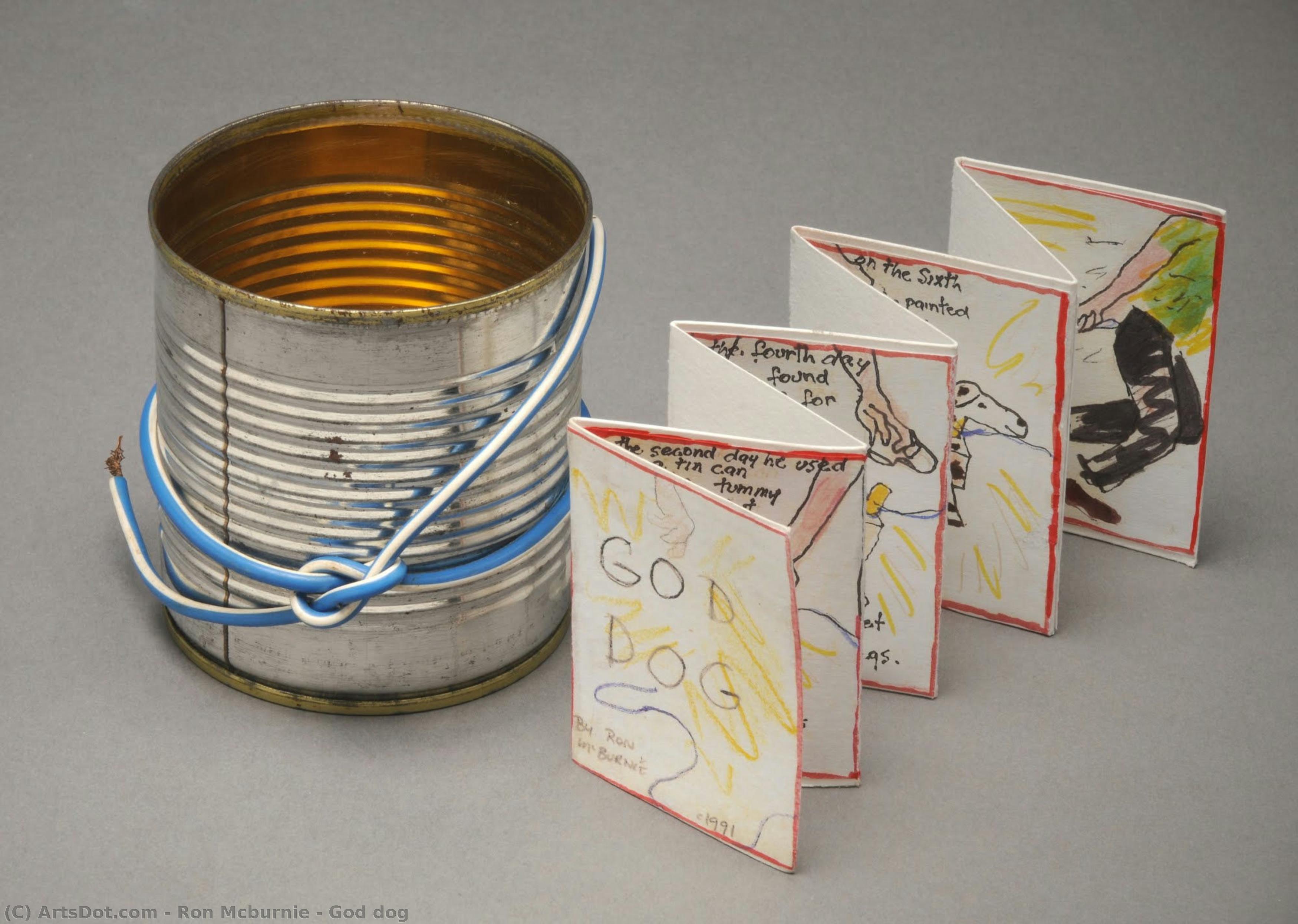
God dog


 더 보기
더 보기




































작품의 원본 비율을 유지하는 미리 설정된 크기 중에서 선택하세요.

특정 프레임이나 공간에 맞도록 직접 크기를 입력할 수 있습니다. 선택하신 크기가 원본 이미지의 비율과 일치하지 않는 경우, 작품을 자르거나 추가적인 손으로 그린 요소를 사용하여 그림을 확장합니다. 제작 시작 전 승인을 위해 디지털 목업을 보내드립니다.
화면 미리 보기는 실제 자르기 또는 확장을 반영하지 않습니다. 최종 구성은 목업을 통해서만 정확하게 확인하실 수 있습니다.
맞춤 크기 제작도 가능하지만, 원본 비율을 유지하기 위해 사전 정의된 목록에서 크기를 선택하시는 것을 권장합니다.
주문 후 OriginalUniqueArt.com 팀에서 상세 안내를 위해 고객님께 이메일을 보내드리며, 미리보기 시안을 제공해 드립니다.


 유리 옵션은 110cm 미만 크기에서만 선택 가능합니다.

God dog
재현 기법
복제본 크기
-


최종 결제 금액
$ 300
작가 약력
Ron McBurnie: A Legacy of Print and Observation
Born in Brisbane, Australia, in 1957, Ron McBurnie’s artistic journey is deeply rooted in the landscapes and traditions of his native Queensland. From a young age, he cultivated an appreciation for both the visual arts and the power of storytelling, initially finding inspiration in the evocative imagery of British and European masters – particularly those exploring themes of pastoral romance and moral allegory. This early fascination with classical art forms laid the foundation for a career characterized by meticulous detail, layered narratives, and a profound engagement with the relationship between image and meaning.
McBurnie’s formal training began at the Queensland College of Art in 1975, where he honed his skills in painting and printmaking. Following this initial period, he pursued further studies in teaching, culminating in a Graduate Diploma in Teaching from Kelvin Grove Teachers College. A pivotal move to Townsville in 1980 marked a significant shift – not only geographically but also professionally. He quickly established himself as a respected educator at the Townsville College of TAFE and later James Cook University, where he lectured for over two decades, shaping generations of artists and fostering a deep understanding of printmaking techniques.
The Roots of Observation: Early Influences and Queensland Identity
McBurnie’s artistic development is inextricably linked to his experiences in North Queensland. Initially influenced by the works of St Francis of Assisi and the Desert Fathers, he began documenting the everyday lives and stories of the people he encountered – a process that evolved into a rich tapestry of observations and recollections. These early sketches and prints were infused with a sense of humor and gentle critique, reflecting the unique character of his new environment.
The landscapes of North Queensland, particularly the Victoria River region, became a central focus for McBurnie’s work. He drew inspiration from both the natural beauty of the area and its rich Indigenous history. His interest in the didgeridoo and the artefacts associated with Aboriginal culture led to a series of prints exploring themes of storytelling, connection to land, and the enduring legacy of Indigenous traditions. The “Bridge” series, born from visits to a Flinders Street shop/museum, stands as a testament to this engagement – a thoughtful meditation on the intersection of history, community, and cultural heritage.
Technique and Process: Printmaking as a Dialogue
Ron McBurnie’s artistic process is characterized by a deliberate and considered approach. He frequently works directly onto plates using etching needles, allowing for an immediate connection between image and surface. This technique allows him to capture the nuances of light, texture, and gesture with remarkable precision. His prints are often layered and complex, incorporating multiple states and variations – reflecting his belief that each print is a unique dialogue between artist, material, and viewer.
McBurnie’s commitment to traditional printmaking techniques is balanced by an openness to experimentation. He has embraced digital printing methods while retaining a deep respect for the historical precedents of etching, lithography, and screenprinting. His work demonstrates a mastery of both established practices and emerging technologies, resulting in prints that are both technically sophisticated and visually arresting.
Residencies and Recognition: A Global Perspective
Throughout his career, McBurnie has sought opportunities for artistic exploration through residencies around the world. These experiences have broadened his perspective and enriched his creative practice. He has been an artist-in-residence at Alayrac France (2009), Carleton College Minnesota (2006), Frans Masereel Centrum Belgium (2004, 2011), ANU Canberra (2001-2010), and the National Art School Sydney (2010-2011). These periods of focused work have allowed him to delve deeper into specific themes, experiment with new techniques, and engage with diverse cultural contexts.
His artistic achievements have been widely recognized through numerous awards and exhibitions. Notable accolades include the Fremantle Print Prize in 1988 and an Australia Council Overseas Studio Grant at Cite Internationale des Arts Paris in 1991. McBurnie’s work is held in significant public and private collections across Australia and internationally, solidifying his position as a leading figure in contemporary printmaking.
Contemporary Relevance: Storytelling and the Australian Landscape
Despite spanning decades of artistic practice, Ron McBurnie's work remains remarkably relevant today. His prints continue to explore universal themes – memory, identity, connection, and the relationship between humanity and nature – while simultaneously offering a unique perspective on Australian culture and landscape. His meticulous attention to detail, combined with his ability to imbue his images with humor, pathos, and profound insight, ensures that McBurnie’s work will continue to resonate with audiences for years to come.

Ron McBurnie
1957 - , Australia
주요 정보
- Artistic Movement Or Style: British & European traditions
- Artists Or Movements Influenced By This Artist:
- St Francis
- Desert Fathers
- Romanticism
- Artists Who Influenced This Artist:
- William Blake
- Samuel Palmer
- Hogarth
- Date Of Birth: 1957-07-07 Brisbane
- Full Name: Ron McBurnie
- Nationality: Australian
- Notable Artworks:
- The Bridge
- Man Ferns
- From The Suburbs
- Place Of Birth: Brisbane, Australia

