실제 크기로 보기
 보내기
보내기 공유하기
공유하기
 상세 보기
상세 보기 가이드 보기

 이미지 다운로드
 유사 작품 더 보기
 X-레이
X-레이 슬라이드 쇼 보기
 통계 정보
통계 정보Diptych
 Acrylic On Canvas
- WallArt
- Early Netherlandish Painting
 1440
1440 18.0 x 12.0 cm
 쿤스트히스토리스체 박물관
 상세 보기
상세 보기
지클레 / 아트 프린트
빠른 제작과 다양한 마감 옵션을 선택할 수 있는 박물관 수준의 지클레이 및 캔버스 프린트. ( 수작업 채색 복제본 주문하기 디지털 이미지 판매 채널로 전환)




P118B ₩10

P118H ₩10

P118W ₩10

P438Z ₩10

P508JH ₩12

P508YH ₩12

P805H ₩10

P805Z ₩10

P919BZ ₩10

P919G ₩10

P919XJ ₩10

P959ZH ₩10

P968JZ ₩12

W106C ₩8

W218G ₩10

W218JH ₩8

W218Y ₩10

W307PJ ₩10

W316G ₩10

W316PJ ₩8

W316Y ₩10

W398PJ ₩8

W4111J ₩10

W500HY ₩15

W500JH ₩15

W692G ₩12

W849H ₩8

W940BG ₩15

W953PJ ₩8




작품의 원본 비율을 그대로 유지하는 프리셋 사이즈 중에서 선택해 보세요.

액자나 벽면 크기에 맞춰 필요한 가로와 세로 길이를 입력해 주세요. 프린트는 원본 이미지보다 크게 제작할 수 없으며 오직 자르는 것만 가능하므로, 비율이 다른 사이즈를 선택할 경우 이미지의 일부가 잘려 나갈 수 있습니다. 인쇄 작업에 들어가기 전, 최종 확인을 위해 디지털 목업을 보내드립니다. 이 페이지에 표시된 이미지는 실제 잘리는 영역을 나타내지 않으며, 오직 목업을 통해서만 정확한 확인이 가능합니다.


 유리 옵션은 110cm 미만 크기에서만 선택 가능합니다.

Diptych
지클레 / 아트 프린트
복제본 규격
-


총 결제 금액
₩ 108354
A Testament to Faith: Examining Rogier van der Weyden’s Diptych
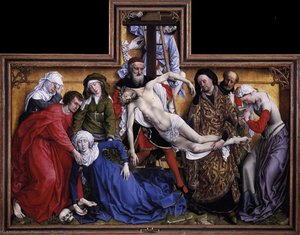
The image presented is a masterful depiction of two figures—a woman holding a child, and another woman adorned with a crown—captured within the confines of an 18 x 12 cm canvas. Executed in 1440 by Rogier van der Weyden, this “Philadelphia Diptych,” as it’s commonly known, transcends mere representation; it embodies the profound spiritual convictions characteristic of Early Netherlandish art and stands as a testament to the artistic prowess of its creator. The meticulous attention to detail—a hallmark of Van der Weyden's oeuvre—is immediately apparent in every brushstroke, reflecting his unwavering dedication to capturing reality with breathtaking accuracy.The Composition: A Narrative of Devotion
At first glance, the scene unfolds as a poignant tableau of maternal tenderness and solemn piety. The woman on the left cradles her infant son, gazing upwards with an expression imbued with serene contemplation—a gaze that directs our attention beyond the frame, hinting at a divine presence. Her attire is rendered in rich blues, symbolizing purity and spiritual grace, while the crown signifies royalty – perhaps referencing Mary’s role as Queen of Heaven and Mother of God, a central theme within Christian iconography. Conversely, the woman on the right holds another child, albeit less prominently displayed, conveying a similar sense of maternal care. She wears scarlet robes—a color traditionally associated with martyrdom and sacrifice—and grasps a sword, symbolizing strength and defense of faith; this juxtaposition underscores the duality inherent in spiritual devotion – vulnerability alongside unwavering conviction.Technical Brilliance: Van der Weyden’s Pioneering Approach
Rogier van der Weyden's technique exemplifies the groundbreaking innovations that defined the Northern Renaissance. He employed oil paint—a relatively new medium at the time—allowing for unprecedented luminosity and tonal subtlety, surpassing the limitations of tempera painting. The artist meticulously layered pigments to achieve astonishing realism, capturing textures like fabric folds and skin pores with remarkable precision. Observe particularly the rendering of the infant’s face; it possesses an uncanny likeness to life, achieved through masterful blending and shading techniques that would inspire generations of artists. Furthermore, Van der Weyden skillfully incorporated landscapes—a burgeoning trend in Northern Renaissance art—creating a backdrop that enhances the emotional impact of the figures depicted. The left landscape features dense foliage and towering trees, symbolizing earthly paradise and divine providence, while the right landscape presents a mountainous vista—representing challenges to faith and the grandeur of God’s creation.Symbolism and Spiritual Resonance
The Diptych operates on multiple symbolic levels, reflecting the dominant theological concerns of its time. The depiction of Mary and Jesus embodies the Virgin Mother's role as protector and intercessor before God, a cornerstone of Christian belief. The sword symbolizes courage and resilience in upholding religious dogma against adversity—a motif prevalent throughout medieval art. Beyond these explicit references, however, lies a deeper resonance with humanist ideals emerging from Italy; the figures’ expressions convey profound emotion – sorrow, compassion, and unwavering faith – mirroring the burgeoning interest in portraying human psychology with psychological depth.A Legacy of Emotion: Why This Artwork Matters Today
More than six centuries after its creation, Rogier van der Weyden's Diptych continues to captivate audiences worldwide. Its enduring appeal stems from its masterful execution—a triumph of artistic technique—and its profound spiritual message. It serves as a poignant reminder of the importance of faith, compassion, and unwavering devotion – qualities that remain relevant in our contemporary world. Reproductions of this iconic artwork offer an opportunity to experience firsthand the beauty and emotional power of Early Netherlandish painting, transporting viewers back to a period defined by artistic innovation and religious fervor.질의응답
로지에 반 데르 베이덴의 "Diptych"의 분위기는 어떻게 묘사되나요?
"Diptych"은(는) Elegant 분위기를 자아냅니다.
로지에 반 데르 베이덴의 "Diptych"은 밝은 분위기의 작품인가요, 아니면 어두운 분위기의 작품인가요?
시각적 밝기 측면에서 볼 때, 로지에 반 데르 베이덴의 "Diptych"은(는) balanced 수준입니다.
로지에 반 데르 베이덴의 "Diptych"의 색감은 채도가 높은 편인가요, 아니면 차분한 편인가요?
로지에 반 데르 베이덴의 "Diptych"은(는) Balanced Soft의 채도로 기록되었습니다.
작가 소개
로지에 반 데어 베이든: 감정의 거장, 초기 네덜란드 회화의 혁신
1400년경 투르네에서 태어난 로지에 반 데어 베이든(Roger van der Weyden)은 초기 네덜란드 회화를 대표하는 가장 중요한 인물 중 한 명입니다. 그의 삶에 대한 구체적인 정보는 제한적이지만, 남아있는 작품들은 섬세한 묘사와 깊은 감정 표현을 통해 그의 예술적 천재성을 증명합니다. 금세공사로 시작하여 회화의 길을 걸었던 그는 뛰어난 관찰력과 정교함을 바탕으로 종교화를 중심으로 독창적인 스타일을 구축했습니다. 반 데어 베이든은 단순한 현실 묘사를 넘어, 인물의 내면세계와 감정을 생생하게 전달하는 데 집중하며 당시 미술계에 새로운 지평을 열었습니다.
투르네에서 브뤼셀로: 명성의 부상
반 데어 베이든은 1427년 투르네 화가 길드에 입회하면서 자신의 예술적 재능을 공식적으로 인정받았습니다. 이후 그는 브뤼셀의 필리프 장 클로드 공작의 궁정 화가가 되어 더욱 발전된 환경에서 활동할 수 있었습니다. 공작의 후원은 그에게 귀족과 제각기 사회 지도층과의 교류 기회를 제공했을 뿐만 아니라, 예술적 영감을 얻고 새로운 기술을 실험할 수 있는 기반이 되었습니다. 이 시기에 반 데어 베이든은 이전 화가들의 엄격한 규범에서 벗어나 더욱 자연스럽고 감정적인 표현 방식을 추구하며 자신만의 독특한 스타일을 확립했습니다. 그의 작품들은 점차적으로 종교적 주제에 인간적인 감성을 불어넣으며, 보는 이로 하여금 깊은 공감을 불러일으키는 힘을 갖게 되었습니다.
감정의 언어: 스타일과 기법
반 데어 베이든의 작품을 가장 뚜렷하게 특징짓는 것은 바로 그의 뛰어난 감정 표현 능력입니다. 그는 색채를 다루는 방식에서도 독특한 면모를 보였습니다. 다양한 색조와 음영을 섬세하게 사용하여 화면에 깊이감을 더하고, 인물의 표정과 몸짓을 통해 복잡한 감정을 전달했습니다. 특히 슬픔과 고통을 묘사할 때 그는 극적인 연출보다는 미묘한 감정의 변화를 포착하여 보는 이에게 더욱 강렬한 인상을 남겼습니다. 그의 대표작인 “애도”는 이러한 특징이 가장 잘 드러나는 작품으로, 예수 그리스도의 죽음을 슬퍼하는 인물들의 표정과 몸짓을 통해 깊은 슬픔과 고통을 생생하게 전달합니다. 또한 반 데어 베이든은 유화 기법을 능숙하게 사용하여 화면에 섬세한 질감과 빛의 효과를 더했습니다. 이는 그의 작품에 사실적인 느낌을 부여했을 뿐만 아니라, 인물의 피부와 의상의 표현을 더욱 풍부하게 만들었습니다.
영향력과 유산: 예술사에 남긴 족적
반 데어 베이든의 영향력은 그의 생존 시대를 넘어 유럽 전역으로 확산되었습니다. 특히 이탈리아와 스페인에서는 그의 작품들이 큰 인기를 얻으며 현지 미술에 새로운 영감을 불어넣었습니다. 비록 17세기 이후 그의 명성은 잠시 잊혀졌지만, 19세기에 들어서면서 다시 재평가되기 시작했습니다. 오늘날 그는 얀 반 에이크, 로베르 캄핀과 함께 초기 네덜란드 미술의 “3대 거장”으로 불리며, 북유럽 르네상스 미술 발전에 지대한 공헌을 한 것으로 평가받고 있습니다. 그의 혁신적인 기법과 감성적인 표현은 후대 화가들에게 큰 영향을 미쳤으며, 서양 미술사의 흐름을 바꾸는 데 결정적인 역할을 했습니다. 반 데어 베이든은 예술가를 단순한 기술자로 보는 시각에서 벗어나 창조적인 존재로 격상시키는 데 기여했으며, 그의 유산은 오늘날까지도 많은 사람들에게 영감을 주고 있습니다.
대표작과 불멸의 걸작들
반 데어 베이든은 생애 동안 수많은 작품을 남겼으며, 그중에서도 몇몇 작품은 예술사의 중요한 이정표로 평가받고 있습니다. 보스턴 미술관에 소장된 “성 루카 복음사가자가 마리아를 묘사하는 모습”은 그의 뛰어난 관찰력과 정교함을 보여주는 대표적인 작품입니다. 또한, 투르네 미술관에 있는 “애도”는 그의 가장 유명한 작품 중 하나로, 극적인 구성과 섬세한 감정 표현을 통해 깊은 슬픔을 전달합니다. 여러 버전으로 존재하는 “십자가 하강” 역시 반 데어 베이든의 대표작으로 꼽히며, 그의 예술적 역량을 보여줍니다. 이 외에도 “수태고지”, 정교하고 세밀하게 묘사된 “블라델린 삼위일체 제단화” 등은 그의 작품 세계를 풍부하게 만들어주는 걸작들입니다. 이러한 작품들은 오늘날까지도 수많은 사람들에게 감동을 선사하며, 반 데어 베이든의 불멸의 예술적 유산을 증명하고 있습니다.
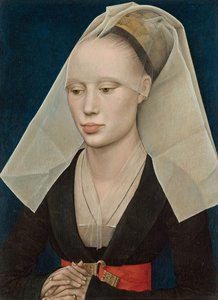
로지에 반 데르 베이덴
1400 - 1464 , 벨기에
작가 정보 요약
- 국적: 벨기에인
- 대표작품: ['성 루카 복음서에 나타난 마리아”, “애통”, “착의”, “수태고지”, “블라델린 삼중 병풍']
- 출생일: 약 1400년경
- 출생지: 뚜르네이, 벨기에
관련 기사

Early Netherlandish Masters: 10 Paintings That Revolutionized Art & Decor
Journey into the world of Early Netherlandish painting! Explore 10 masterpieces by Jan van Eyck, Rogier van der Weyden & more. Discover stunning detail, symbolism & Renaissance art for your home decor. Find museum-quality reproductions on OriginalUniqueArt.com

Early Netherlandish Masters: 10 Paintings That Revolutionized Art & Decor
Journey into the Early Netherlandish Renaissance! Explore 10 iconic paintings by Jan van Eyck, Rogier van der Weyden & more. Discover stunning detail, symbolism, and oil painting techniques. Find museum-quality art reproductions for your home at OriginalUniqueArt.com.

Rogier van der Weyden: Emotion, Innovation & the Early Netherlandish Renaissance
Explore the revolutionary art of Rogier van der Weyden, a pivotal figure of the Early Netherlandish Renaissance. Discover his emotional realism, innovative compositions, and lasting impact on painting history.

렘브란트 반 레인 명작 25선: 빛과 그림자의 거장, 예술의 정수를 만나다
렘브란트 반 레인 명작 25선을 만나보세요. 빛과 그림자의 거장이 그린 역사화, 초상화 속 예술의 정수를 감상하고, 네덜란드 황금시대 바로크 미술의 깊이를 느껴보세요. OriginalUniqueArt.com에서 고품질 복제화를 컬렉션하세요.

Hugo van der Goes: Devotion, Innovation & the Psychological Depth of Early Netherlandish Painting
Explore the revolutionary art of Hugo van der Goes – a master of Early Netherlandish painting renowned for his dramatic realism, psychological depth & profound influence on Renaissance artists. Discover his iconic works and lasting legacy.