

 미리보기
미리보기
 공유하기
공유하기 공유하기
공유하기
 상세 정보
상세 정보

 다운로드
다운로드
 유사 작품
유사 작품 X-레이
X-레이 슬라이드 쇼
 통계 정보
통계 정보Still-Life
 Baroque Realism
 1645
1645 43.0 x 56.0 cm
 더 보기
더 보기
수제 유화 복제품
원하는 크기와 액자로 주문 제작되는, 작가들이 직접 캔버스에 손으로 그린 유화 작품입니다. ( 프린트 판매로 전환 디지털 이미지로 전환)




































작품의 원본 비율을 유지하는 미리 설정된 크기 중에서 선택하세요.

특정 프레임이나 공간에 맞도록 직접 크기를 입력할 수 있습니다. 선택하신 크기가 원본 이미지의 비율과 일치하지 않는 경우, 작품을 자르거나 추가적인 손으로 그린 요소를 사용하여 그림을 확장합니다. 제작 시작 전 승인을 위해 디지털 목업을 보내드립니다.
화면 미리 보기는 실제 자르기 또는 확장을 반영하지 않습니다. 최종 구성은 목업을 통해서만 정확하게 확인하실 수 있습니다.
맞춤 크기 제작도 가능하지만, 원본 비율을 유지하기 위해 사전 정의된 목록에서 크기를 선택하시는 것을 권장합니다.
주문 후 OriginalUniqueArt.com 팀에서 상세 안내를 위해 고객님께 이메일을 보내드리며, 미리보기 시안을 제공해 드립니다.


 유리 옵션은 110cm 미만 크기에서만 선택 가능합니다.

Still-Life
재현 기법
복제본 크기
-


최종 결제 금액
$ 300
작가 약력
A Life Immersed in Stillness: The World of Roelof Koets
Roelof Koets, a name perhaps less immediately recognizable than some of his Dutch Golden Age contemporaries, nevertheless occupies a significant and fascinating niche within the pantheon of 17th-century Netherlandish painters. Born around 1592 in Haarlem, a city already blossoming with artistic talent, Koets dedicated his career to the meticulous rendering of still life – not as a mere depiction of objects, but as a profound exploration of texture, light, and the ephemeral beauty of the material world. His life, though relatively undocumented compared to some of the more flamboyant figures of the era, reveals a craftsman deeply embedded in the artistic community of his time, collaborating with leading painters and subtly influencing those who followed.Early Career and Guild Affiliation
The details of Koets’s early training remain somewhat elusive; however, it is clear he was immersed in the vibrant artistic milieu of Haarlem from a young age. The city itself served as an incubator for painters like Frans Hals, and the burgeoning trade and prosperity of the Dutch Golden Age provided both patronage and subject matter. In 1654, Koets became a member of the esteemed Haarlem Guild of St. Luke as a *vinder*, or dean – a position signifying recognition from his peers and a level of mastery within the guild’s structure. This affiliation was crucial; it not only provided access to commissions but also fostered collaboration with other artists. Notably, Koets frequently worked alongside Pieter Claesz and Jan Jansz van de Velde, often contributing specific elements—particularly fruits—to larger, more complex still life compositions. These collaborations highlight the division of labor common in 17th-century Dutch painting workshops, where specialized skills were pooled to create impressive works for a growing art market.Influences and Artistic Development
Koets’s artistic sensibility was shaped by several key influences. The work of Floris van Dyck is readily apparent in his early paintings, particularly in the delicate handling of light and shadow and the precise depiction of textures. He, in turn, exerted an influence on Floris van Schooten, demonstrating a clear lineage of artistic inspiration within the Haarlem school. However, Koets wasn’t simply imitating; he developed a distinctive style characterized by intimate compositions, rich browns and ochres, and a remarkable ability to capture the lifelike quality of perishable subjects like grapes, fish, and bread. His paintings are not grandiose displays of wealth but rather quiet meditations on the beauty of everyday objects, imbued with a subtle sense of realism and depth. The use of *impasto* – applying paint thickly to create texture – is particularly notable in his fruit still lifes, adding a tactile quality that draws the viewer into the scene.Major Achievements and Symbolic Resonance
While Koets’s oeuvre remains relatively small—only a handful of signed paintings survive—his contributions are nonetheless significant. Works like “Banquet Still-Life” (1655) exemplify his mastery of Baroque composition, showcasing opulent abundance and rich textures with dramatic *chiaroscuro* lighting. The painting is not merely a depiction of food; it’s a symbolic representation of prosperity, indulgence, and the fleeting nature of earthly pleasures. Similarly, “Still-Life” (1645), featuring grapes and raisins, demonstrates his exceptional skill in capturing the delicate translucence of fruit and the subtle play of light on their surfaces. These paintings are not simply exercises in technical virtuosity; they invite contemplation on themes of mortality, abundance, and the transience of life—a common thread within Dutch still life painting of the period. The inclusion of objects like silver salt cellars or elaborate glassware also hints at the wealth and status of the patrons who commissioned these works.Historical Significance and Legacy
Roelof Koets’s historical significance lies in his contribution to the development of Dutch Golden Age still life painting. He was part of a generation that elevated this genre from its earlier, more rudimentary forms to a sophisticated art form capable of conveying complex symbolism and emotional resonance. Though he is not as widely celebrated as some of his contemporaries, Koets’s work embodies the spirit of the era—a fascination with realism, a meticulous attention to detail, and a profound appreciation for the beauty of the everyday world. His paintings continue to captivate viewers today, offering a glimpse into the lives, values, and artistic sensibilities of 17th-century Netherlands. He is not to be confused with Roelof Koets of Zwolle, who specialized in portraiture, highlighting the importance of distinguishing between artists with similar names during this period. His legacy endures through his surviving works and the influence he had on subsequent generations of Dutch painters, solidifying his place as a key figure within the rich tapestry of the Dutch Golden Age.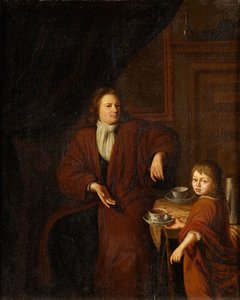
roelof koets
1592 - 1654 , Netherlands
주요 정보
- Artistic Movement Or Style: Dutch Golden Age painting
- Artists Or Movements Influenced By This Artist: ['Floris van Schooten']
- Artists Who Influenced This Artist: ['Floris van Dyck']
- Date Of Birth: 1592
- Date Of Death: 1654
- Full Name: Roelof Koets
- Nationality: Dutch
- Notable Artworks:
- Banquet Still-Life
- Still-Life (1645)
- Portrait of a Minister
- Place Of Birth: Haarlem, Netherlands
관련 기사 더 보기

Jan Jansz Wijnants: A Study in Dutch Golden Age Still Life & Floral Transience
Explore the captivating world of Jan Wijnants and Dutch Golden Age still life painting. Discover symbolism, masterful techniques & lasting influence on floral art history. Learn more!

Illuminating Innovation: Exploring the Dutch Golden Age of Painting
Explore the Dutch Golden Age of painting with OriginalUniqueArt. Discover Rembrandt, Vermeer & other Masters. Learn about key characteristics, iconic artworks, and lasting influence. Expert insights for collectors & enthusiasts.

Golden Age Reflections: Dutch Baroque Painting & Cultural Innovation
Explore the Dutch Golden Age of painting! Discover key artists like Vermeer & ter Borch, their innovative techniques, and the rich cultural context behind these Baroque masterpieces. Learn about collecting & appreciating this iconic art period.

네덜란드 황금 시대 예술의 정수를 담은 10대 걸작 탐구
렘브란트, 베르메르의 걸작부터 할스의 인물화까지! 네덜란드 황금시대 미술의 10대 명품을 만나보세요. 예술적 깊이와 아름다움을 담은 작품들을 OriginalUniqueArt에서 감상하고, 고품질 아트 프린트로 당신의 공간에 특별함을 더하세요. 지금 바로 OriginalUniqueArt.com에서 모든 걸작을 발견하세요!

Golden Light & Dutch Skies: The Timeless Magic of Dutch Golden Age Landscapes
Discover the breathtaking beauty of Dutch Golden Age landscapes. Explore the mastery of light, chiaroscuro, and 17th-century realism through an expert art history lens, celebrating the enduring legacy of the Dutch Masters for discerning collectors and art lovers.