Hudson River School · 1855
Pompeii (로버트 셀던 던컨슨, 1855)
로버트 셀던 던컨슨 (1821–1872) 작가의 Pompeii 1855년에 제작되었습니다. Hudson River School 운동에 속합니다. Oil On Canvas(으)로 제작되었습니다. 워싱턴 D.C., 미국에 위치한 스미소니언 미국 미술관에 소장되어 있습니다. 크기는 53 × 43 cm입니다.
- 1855
- Oil On Canvas
- 53 × 43 cm
- 스미소니언 미국 미술관, 워싱턴 D.C.

 미리보기

 수작업 유화 작품
 공유하기
 공유하기
 학습용 요약본


 다운로드
 유사 작품 더 보기
 X-레이
 슬라이드 쇼 보기
 질의응답

 통계 정보
Pompeii 요약
- 제목
- Pompeii
- 작가
- 로버트 셀던 던컨슨 (1821–1872)
- 작가 출생지
- 페이틀뷰, 미국
- 제작 연도
- 1855
- 매체
- Oil On Canvas
- 크기
- 53 × 43 cm
- 전시 장소
- 스미소니언 미국 미술관, 워싱턴 D.C., 미국
- 제작 시기
- 19th Century
- 주제
- people, tower, boats, mountains, trees, bushes
Pompeii은(는) 무엇을 묘사하고 있나요?
Identification of the Artwork and Artist
The painting Pompeii is a work by the artist Robert Seldon Duncanson. Created in 1855, this oil on canvas captures a specific moment of stillness. The artist, born in Fayette, United States, in 1821, sought to translate the weight of history through the medium of paint. He lived until 1872.
Duncanson was a man of many layers, a pioneer of the American landscape. His hands moved from the practical work of carpentry to the delicate application of oil. He studied the light of the Old Masters to find his own way through the wilderness. This work emerged from that disciplined study.
The canvas holds a view of ancient ruins and a volcanic landscape. It is a quiet record of stone and sky. The brush traces the edges of a mountain and the silhouette of a tower. A stillness remains.
The Composition and Visual Elements
A large stone tower anchors the foreground, its heavy presence grounding the viewer amidst a mountainous landscape. Near this structure, a group of people gathers, their small forms providing a sense of scale against the ancient masonry. Scattered trees and bushes break the terrain, adding organic textures to the rugged earth. The eye is drawn from these immediate details toward the water, where several boats drift upon the surface.
In the distance, a second, smaller tower rises against the backdrop of the mountains. The composition relies on a receding perspective, layering the bay, the ruins, and the peaks to establish a deep sense of space. Light softens the distant mountains, creating an atmospheric veil over the volcanic landscape. The verticality of the stone structures contrasts with the horizontal stillness of the water. A quiet shadow falls across the rocks.
Technical Details and Artistic Style
The artist works in oil on canvas, layering pigment to build a sense of weight and light. Through the careful application of blending and glazing, smooth transitions emerge between the shadows of the ruins and the glow of the sky. This technique allows the colors to settle into one another, creating a soft, atmospheric depth. The composition relies on atmospheric perspective, where the clarity of the distant mountains and the volcano is softened by the intervening air, pushing the horizon far into the distance.
A tension exists between the geometric and the wild. The verticality of the central column and the rounded dome provide a linear structure that anchors the scene. These rigid, man-made forms contrast against the organic textures of the irregular rocks, the scattered foliage, and the drifting clouds. This marriage of the structured and the untamed is a hallmark of the Hudson River School and the Romanticism movement. The light does not merely illuminate; it defines the space, using tonal shifts to guide the eye from the foreground stones toward the hazy, volcanic peaks.
Thematic and Historical Context
The canvas captures a collision between the enduring earth and the fragile remnants of human endeavor. A single stone column rises from the terrain, a vertical ghost of classical architecture standing against a landscape of volcanic power. In the distance, the silhouette of a smoking volcano looms, a silent reminder of the geological forces that once buried this site. The composition places the scale of the natural world above the broken geometry of civilization, emphasizing a quiet tension between the permanence of mountains and the decay of stone.
This work explores the heavy weight of time through the lens of historical ruins. By situating human structures within a vast, untamed environment, the painting examines the relationship between the built world and the wild. The stillness of the scene suggests a moment of quiet contemplation regarding the passage of years and the inevitable reclamation of cities by the earth. It is a study of what remains when the pulse of a city has ceased, leaving only the mountains and the ash.
Related Works by the Artist
The artist’s hand often returned to the tension between the permanent and the fleeting. In 1870, he revisited the shadow of the volcano in Vesuvius and Pompeii. This later work echoes the geological power found in his earlier studies. He also captured the quietude of the pastoral in Landscape with Sheep. The animals move through a landscape that feels settled and still.
Earlier in his career, his focus shifted toward the intimate and the specific. He painted Roses Still Life in 1843, a study of delicate forms. In 1844, he turned his attention to the American terrain with Mt. Healthy, Ohio. These works reveal a painter navigating the transition from small, contained subjects to the vastness of the natural world. A single petal or a distant hill remains held in his gaze. The light settles on the earth and stays.
Pompeii은(는) 어느 미술관에 소장되어 있나요?
스미소니언 미국 미술관
워싱턴 D.C., 미국
미국적 정체성의 연대기 워싱턴 D.C.에 위치한 스미소니언 미국 미술관은 미국 최초의 미술 컬렉션을 보유한 역사적인 장소입니다. 스미소니언 협회의 일원으로서 이곳은 미국에서 제작된 예술 작품 중 가장 방대하고 포괄적인 컬렉션 중 하나를 간직하고 있습니다. 이곳의 소장품들은 식민지 시대부터 현대에 이르기까지 미국인들의 열망과 성격, 그리고 상상력을 포착하며 미국적 경험의 연속적인 기록을 보여줍니다.


Pompeii의 고해상도 이미지
로버트 셀던 던컨슨, Pompeii (1855), 스미소니언 미국 미술관. 퍼블릭 도메인
Pompeii에 관한 질문과 답변
로버트 셀던 던컨슨의 "Pompeii"의 원화는 어디에서 감상할 수 있나요?
로버트 셀던 던컨슨의 "Pompeii"은(는) 스미소니언 미국 미술관, 워싱턴 D.C., 미국에 전시되어 있습니다. 박물관 목록은 복제품이 아닌 원작을 기준으로 합니다.
"Pompeii"은(는) 언제 제작되었나요?
로버트 셀던 던컨슨의 "Pompeii"은(는) 1855년에 제작되었습니다.
로버트 셀던 던컨슨의 "Pompeii"의 기법은 무엇인가요?
로버트 셀던 던컨슨의 "Pompeii"의 재료는 Oil On Canvas입니다. 복제화는 이 기법 특유의 질감을 그대로 구현하는 것을 목표로 합니다.
원작 로버트 셀던 던컨슨의 "Pompeii"의 크기는 어떻게 되나요?
"Pompeii" 원작의 크기는 53 x 43 cm입니다. 원작의 규격은 복제본 사이즈를 선택하실 때 유용한 참고 자료가 됩니다.
"Pompeii"은(는) 어떤 내용을 담고 있나요?
"Pompeii"에 담긴 소재는 people, tower, boats, mountains, trees, bushes, water입니다.
로버트 셀던 던컨슨의 "Pompeii"의 이미지를 자유롭게 복제할 수 있나요?
저작권과 관련하여, "Pompeii"은(는) 퍼블릭 도메인 - 저작권 보호 기간이 만료되었습니다 상태입니다.
"Pompeii"을(를) 만든 작가는 누구인가요?
"Pompeii"은(는) 로버트 셀던 던컨슨의 작품입니다. 이 페이지의 정보는 로버트 셀던 던컨슨의 원작에 대해 설명합니다.
"Pompeii"은(는) 어떤 화풍에 속하나요?
"Pompeii"은(는) Hudson River School 양식의 작품입니다. 이 사조는 해당 작품이 속한 예술적 전통을 나타냅니다.
"Pompeii"은(는) 로버트 셀던 던컨슨의 예술적 발전 단계 중 어느 시기를 나타냅니까?
"Pompeii"은(는) 로버트 셀던 던컨슨의 Mature Period를 잘 보여주는 작품입니다.
아티스트 로버트 셀던 던컨슨 소개
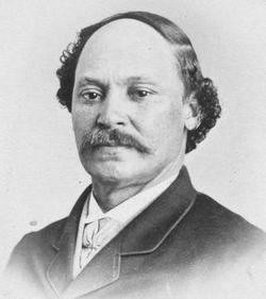
1821–1872, 미국
로버트 셀던 던컨슨
미국 풍경화의 선구자 예술적 탁월함과 역사적 중요성을 동시에 지닌 이름, 로버트 셀던 던컨슨은 19세기 미국 미술계에서 핵심적인 인물로 등장했습니다. 1821년경 뉴욕주 페이틀뷰에서 유럽계와 아프리카계 혈통의 부모 사이에서 태어난 던컨슨은, 근면함과 배움의 가치를 심어준 자유 흑인 상인이었던 아버지 존 딘 던컨슨을 두었습니다. 그는 인종적 편견으로 얼룩진 세상을 헤쳐나가면서도 풍경화가로서 국제적인 명성을 동시에 얻었습니다. 그의 여정은 자기 교육, 흔들림 없는 헌신, 그리고 자연 세계와의 깊은 연결에 관한 것이었으며, 궁극적으로 그를 대서양 양편에서 폭넓게 인정받은 최초의 아프리카계 미국인 예술가로 자리매김하게 했습니다.
로버트 셀던 던컨슨의 다른 작품들
 Italianate Landscape1855
 Mount Healthy, Ohio1844
 The Drunkard's Plight, (painting)1846
 Light and Shade on Ruins on Carthage, (painting)1845
Pompeii 관련 에세이
 Robert Seldon Duncanson: Landscape, Abolitionism & Shaping American IdentityDiscover Robert Seldon Duncanson, the first internationally acclaimed African American landscape artist. Explore his connection to the Huds…
 Hubert Robert: Picturing Ruins, Preserving Memory – A Study of Romantic Antiquarianism & Artistic InnovationExplore the captivating world of Hubert Robert, master of Romantic landscape painting & 'capriccio' ruins. Discover his historical context,…
 25 Must-See Masterpieces at the Smithsonian American Art MuseumExplore 25 iconic works from the Smithsonian American Art Museum. From Hopper to O'Keeffe, find museum-quality art on OriginalUniqueArt.com.