
 미리보기
미리보기
 프린트 구매
 공유하기
공유하기 공유하기
공유하기
 상세 정보
상세 정보

 다운로드
다운로드
 유사 작품
유사 작품 X-레이
X-레이 슬라이드 쇼
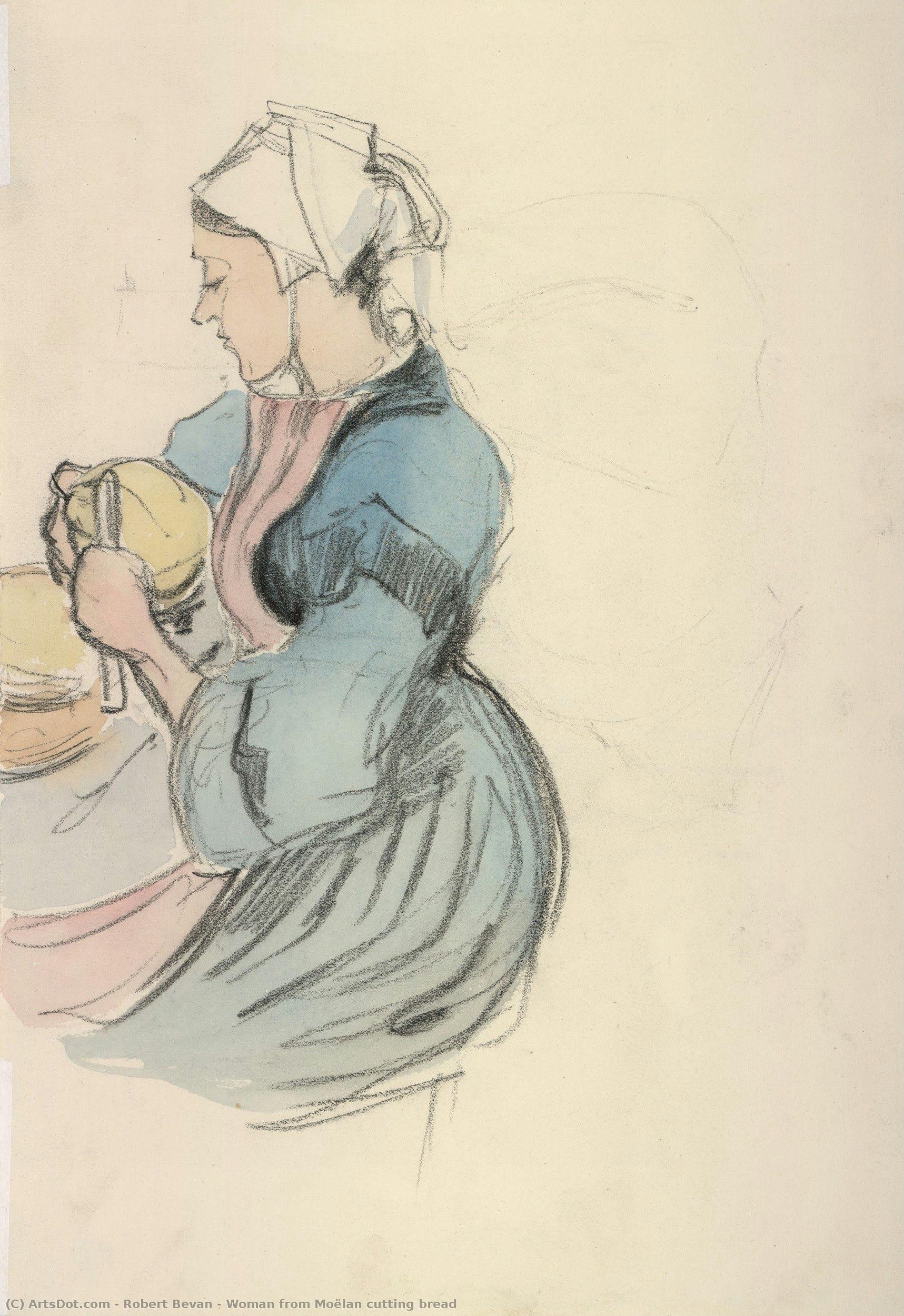
Woman from Moëlan cutting bread
 Acrylic On Canvas
- WallArt
- Fauvism
 1891
1891- 19th Century
 34.0 x 24.0 cm
 Musée de Pont-Aven
 더 보기
더 보기




P118B $10

P118H $10

P118W $10

P438Z $10

P508JH $12

P508YH $12

P805H $10

P805Z $10

P919BZ $10

P919G $10

P919XJ $10

P959ZH $10

P968JZ $12

W106C $8

W218G $10

W218JH $8

W218Y $10

W307PJ $10

W316G $10

W316PJ $8

W316Y $10

W398PJ $8

W4111J $10

W500HY $15

W500JH $15

W692G $12

W849H $8

W940BG $15

W953PJ $8




작품의 원본 비율을 유지하는 미리 설정된 크기 중에서 선택하세요.

특정 프레임이나 공간에 맞도록 직접 크기를 입력할 수 있습니다. 선택하신 크기가 원본 이미지의 비율과 일치하지 않는 경우, 작품을 자르거나 추가적인 손으로 그린 요소를 사용하여 그림을 확장합니다. 제작 시작 전 승인을 위해 디지털 목업을 보내드립니다.
화면 미리 보기는 실제 자르기 또는 확장을 반영하지 않습니다. 최종 구성은 목업을 통해서만 정확하게 확인하실 수 있습니다.
맞춤 크기 제작도 가능하지만, 원본 비율을 유지하기 위해 사전 정의된 목록에서 크기를 선택하시는 것을 권장합니다.
주문 후 OriginalUniqueArt.com 팀에서 상세 안내를 위해 고객님께 이메일을 보내드리며, 미리보기 시안을 제공해 드립니다.


 유리 옵션은 110cm 미만 크기에서만 선택 가능합니다.

Woman from Moëlan cutting bread
재현 기법
복제본 크기
-


최종 결제 금액
$ 300
작품 상세 설명
A Moment of Domesticity: Robert Polhill Bevan’s ‘Woman from Moëlan Cutting Bread’
Robert Polhill Bevan's “Woman from Moëlan Cutting Bread,” painted in 1891, isn’t merely a depiction of a woman preparing food; it’s a carefully constructed tableau brimming with quiet observation and the subtle poetry of everyday life. The painting immediately draws the eye to its central figure – a woman, rendered in soft watercolor hues, her face partially obscured by shadow yet radiating an undeniable sense of purpose as she expertly wields a bread knife against a worn wooden table. This isn’t a grand narrative; it's a frozen moment, a snapshot of domesticity imbued with a distinctly late-nineteenth-century sensibility.
Bevan, a pivotal figure in the Camden Town Group and a pioneer of Fauvist tendencies, was deeply interested in capturing the essence of British life – its rhythms, its textures, and its inherent beauty. He moved away from the purely academic traditions of his early training, embracing bolder color palettes and looser brushwork to convey mood and atmosphere. “Woman from Moëlan Cutting Bread” exemplifies this shift; the colors are muted yet vibrant, suggesting a warm, inviting interior bathed in diffused light. The careful layering of washes creates a remarkable sense of depth and texture, particularly evident in the depiction of the loaf of bread itself – its rough surface rendered with meticulous detail.
The Context of Camden Town and Modern British Art
To fully appreciate Bevan’s work, it's crucial to understand the artistic climate of his time. The late 1880s and 90s witnessed a burgeoning interest in depicting modern life – not the heroic or romanticized versions often favored by earlier artists, but rather the realities of working-class existence and the quiet moments of domesticity. The Camden Town Group, to which Bevan belonged, sought to capture this spirit with a focus on urban scenes and portraits of ordinary people. They rejected the prevailing academic style in favor of brighter colors, looser brushwork, and a more direct approach to subject matter.
Bevan’s connection to the group was significant; he shared their desire to break free from traditional artistic conventions and explore new ways of representing the world around them. His work reflects this experimentation, particularly in his use of color – a characteristic that would later influence the development of Fauvism, an early 20th-century movement known for its intense, non-naturalistic hues. The painting’s palette, dominated by blues and browns with touches of yellow and red, creates a sense of warmth and intimacy, inviting the viewer into this private moment.
Symbolism and Emotional Resonance
Beyond its technical merits, “Woman from Moëlan Cutting Bread” is rich in symbolism. The act of cutting bread itself can be interpreted as a metaphor for sustenance, both physical and emotional. The woman’s focused expression suggests a sense of responsibility and care – she's not simply preparing food; she's providing for her household. The presence of the basket and bowls hints at a shared meal, fostering connection and community.
Furthermore, the painting evokes a feeling of nostalgia—a longing for simpler times. The worn table, the rustic bread, and the woman’s humble attire all contribute to this sense of timelessness. It's a scene that could have been plucked from a bygone era, offering a poignant glimpse into the lives of ordinary people. The painting’s emotional impact lies in its ability to capture a fleeting moment of quiet beauty—a reminder of the dignity and grace found in everyday life.
A Legacy of Impressionistic Innovation
Robert Polhill Bevan's "Woman from Moëlan Cutting Bread" stands as a testament to his pioneering spirit within British art. It’s a work that transcends its simple subject matter, offering a profound meditation on domesticity, labor, and the beauty of the ordinary. Reproductions of this evocative painting continue to resonate with viewers today, capturing the essence of a bygone era while simultaneously speaking to universal themes of family, sustenance, and human connection.
작가 약력
영국 모더니즘의 선구자: 로버트 폴힐 베반의 삶과 예술
1865년 호브에서 태어난 로버트 폴힐 베반은 20세기 초 영국 미술사의 흐름 속에서 중추적이면서도 종종 과소평가된 위치를 차지하고 있습니다. 금융업에 종사하던 리처드 알렉산더 베반과 로라 마리아 폴힐 사이에서 태어나 퀘이커 교도의 배경을 지닌 그는, 세속적인 기대치를 뒤로한 채 대담한 혁신가로서의 길을 걸었습니다. 그는 인상주의에서 벗어나 색채와 형태에 대한 더욱 급진적인 탐구로 나아가는 전환기의 핵심 인물이었습니다. 그의 여정은 끊임으로 이어지는 실험의 연속이었으며, 유럽 전역의 영향을 흡수하는 동시에 영국 현대 미술의 발전에 깊은 영감을 줄 독창적이고 개인적인 예술적 비전을 구축해 나갔습니다. 프레드 브라운 휘하의 웨스트민스터 미술 학교에서의 초기 교육은 그에게 탄탄한 기초를 제공했지만, 그의 창조적 불꽃을 진정으로 지핀 것은 파리 아카데미 쥘리안에서의 수학 시절이었습니다. 그곳에서 그는 폴 세뤼지에, 피에르 보나르, 에두아르 위아르, 모리스 드니와 같은 떠오르는 별들을 만났습니다. 이들은 기존의 학구적 관습에 도전하며 회화에 대한 새로운 접근 방식을 수용하던 예술가들이었으며, 베반은 이들과의 만남을 통해 종합주의(Synthetism)의 원리를 접하며 미래의 탐구를 위한 토대를 마련할 수 있었습니다.브르타뉴, 야수파, 그리고 순수 색채를 향한 갈망
베반의 예술적 발전에 있어 브르타뉴가 미친 영향은 아무리 강조해도 지나치지 않습니다. 1890년과 1891년에 이루어진 두 차례의 중요한 여정은 그를 퐁아벤의 분위기 속으로 몰입시켰습니다. 당시 퐁아벤은 파리의 살롱 문화에서 벗어나고자 했던 예술가들에게 매력적인 안식처였습니다. 고갱과 같은 화가들이 주창한 대담한 색채와 단순화된 형태는 베반의 초기 드로잉과 판화에 깊은 울림을 주었습니다. 그러나 베반이 진정으로 자신만의 독자적인 영역을 구축하기 시작한 것은 1904년 무렵으로, 그는 유럽 대륙에서 야수파가 등장하기를 예견하는 듯한 순수 색채 실험의 길로 들어섰습니다. 그의 작품 <뜰(Courtyard)>은 이러한 초기 야수파적 접근의 놀라운 사례로, 자연주의적 재현을 과감히 포기하고 표현적인 색채의 강렬함을 선택한 용기를 보여줍니다. 이러한 탐구는 정체되어 있지 않았습니다. 베반은 이후 점묘법이나 분할주의 기법을 채택하여 <다운스의 쟁기질(Ploughing on the Downs)>과 <쌀 쟁기질(The Turn-Rice Plough)> 같은 작품에서 빛을 포착하고 색을 적용하는 다양한 방법론에 대한 그의 헌신을 증명해 보였습니다. 이 시기 베반의 작업에는 벨라스케스와 고야 같은 거장들의 영향이 여전히 느껴졌으며, 말(馬)을 묘사함에 있어 르누아르로부터 받은 직접적인 영감 또한 함께 녹아 있었습니다. 이는 다양한 원천으로부터 배우고자 했던 베반의 폭넓은 예술적 호기심을 잘 보여주는 대목입니다.공동의 비전: 캠든 타운 그룹과 그 너머
베반은 결코 고립된 채 작업하는 예술가가 아니었습니다. 그는 뜻을 같이하는 이들과의 연결을 적극적으로 모색했으며, 여러 영향력 있는 예술 단체의 형성 과정에서 결정적인 역할을 수행했습니다. 캠든 타운 그룹(Camden Town Group)의 창립 멤버로서 그는 현대 도시 생활을 묘사하고 기존의 예술적 규범에 도전하고자 했던 동료 화가들과 힘을 합쳤습니다. 이러한 공동체 정신은 런던 그룹과 컴버랜드 마켓 그룹 활동으로까지 이어지며, 진보적인 예술 운동에 대한 그의 확고한 의지를 보여주었습니다. 특히 1908년 월터 시커트의 피츠로이 스트리트 그룹에 합류했을 때 맺어진 관계는 매우 중요했습니다. 일상적인 주제에 집중하라는 시커트의 격려는 베반을 더욱 현실적이고 사회 참여적인 예술적 접근으로 이끄는 귀중한 지침이 되었습니다. 또한 1908년 제1회 연합 예술가 협회(Allied Artists’ Association) 전시회는 베반에게 국제적인 모더니즘의 태동을 접할 수 있는 또 다른 중요한 무대가 되었으며, 특히 바실리 칸딘스키와의 만남은 그에게 큰 전환점이 되었습니다. 이러한 예술적 유대 관계는 단순한 사교를 넘어, 베반의 예술적 궤적을 형성하고 영국 미술의 광범적인 진화에 기여하는 역동적인 아이디어 교환의 장이 되었습니다.풍경, 도시의 장면, 그리고 영원한 유산
베반의 소재는 매우 다채로웠습니다. 아내 스타니슬라바 데 카르워프스카를 그린 초상화부터 마차 산업의 쇠퇴를 기록한 도시 풍경인 <마차 말(The Cab Horse)>에 이르기까지 그의 스펙트럼은 넓었습니다. 하지만 그를 가장 잘 나타내는 것은 단연 그의 풍경화입니다. 서섹스와 브르타뉴를 담아낸 그의 회화는 생동감 넘치는 에너지로 가득 차 있으며, 표현력 있는 붓터치와 대담한 색채 팔레트를 통해 전원 생활의 정수를 포착해냅니다. <루이스 근처의 다운스(In the Downs near Lewes)>, <밤나무(The Chestnut Tree)>, <데번 블랙다운 힐스의 풍경(Landscape in the Blackdown Hills, Devon)>과 같은 작품들은 자연 세계의 물리적 아름다움과 정서적 울림을 동시에 전달하는 그의 거장다운 면모를 잘 보여줍니다. 로버트 폴힐 베반의 유산은 단순히 개별 작품에 머물지 않습니다. 그는 야수파적 원리를 조기에 수용하고 색채에 대한 두려움 없는 실험을 감행한 영국 현대 미술의 선구자로 정당하게 인정받고 있습니다. 후대 화가들에게 미친 그의 영향력은 부정할 수 없으며, 캠든 타운 그룹에서의 공헌은 영국 현대 미술의 발전을 형성하는 데 중추적인 역할을 했습니다. 1961년 콜나기(Colnaghi’s)에서 열린 회고전은 그의 예술적 위치를 확고히 하며, 그의 혁신적인 정신이 오늘날의 예술가들에게도 계속해서 영감을 줄 수 있도록 하는 결정적인 순간이 되었습니다. 그는 20세기 초 영국 회화의 복잡한 진화 과정을 이해하는 데 있어 여전히 없어서는 안 될 핵심적인 인물로 남아 있습니다.
로버트 폴힐 베반
1865 - 1925 , 영국
주요 정보
- Artistic Movement Or Style: 야수파, 신인상주의
- Artists Or Movements Influenced By This Artist: ['현대 영국 미술']
- Artists Who Influenced This Artist:
- 폴 고갱
- 벨라스케스
- 고야
- 르누아르
- Date Of Birth: 1865년
- Date Of Death: 1925년
- Full Name: 로버트 폴힐 베반
- Nationality: 영국
- Notable Artworks:
- 농가
- 다운스의 쟁기질
- 퀸즈 그로브
- 마차 말
- Place Of Birth: 영국 호브
관련 기사 더 보기

Watercolor Wonders: 10 Masterpieces That Redefined Art History | OriginalUniqueArt
Journey through 10 legendary watercolor masterpieces by Sargent, Turner & Homer! Explore iconic landscapes, portraits & floral art that redefined history. Find museum-quality reproductions and curated decor ideas at OriginalUniqueArt.com.

Ephemeral Visions: Exploring the Artistic Legacy & Contemporary Practice of Watercolor Painting
Explore the captivating world of watercolor painting! Discover its rich history, essential techniques, influential artists & collecting tips. A comprehensive guide for art enthusiasts from OriginalUniqueArt.

Ephemeral Visions: Exploring the History & Emotional Resonance of Watercolor Painting
Explore the captivating history of watercolor painting, from ancient techniques to modern masters like Kandinsky & Blake. Discover essential artists, collecting tips & the emotional power of this luminous medium. Expert insights for art enthusiasts.
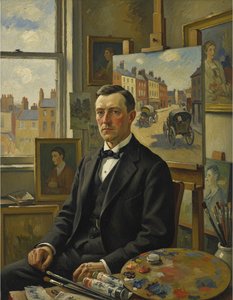
Robert Bevan: Pioneering British Post-Impressionism & the Camden Town Group's Intimate Vision
Explore the life & work of Robert Bevan, a pioneer of British Post-Impressionism and founding member of the Camden Town Group. Discover his vibrant landscapes and lasting impact on early 20th-century art.

Ephemeral Visions: Exploring the Artistic Legacy & Nuances of Watercolor Painting
Explore the captivating world of watercolor painting! Discover its rich history, essential techniques, influential artists & collecting tips from art experts. A comprehensive guide for enthusiasts.



