실제 크기로 보기
 보내기
보내기 공유하기
공유하기
 상세 보기
상세 보기 가이드 보기

 이미지 다운로드
 유사 작품 더 보기
 X-레이
X-레이 슬라이드 쇼 보기
 통계 정보
통계 정보Les amoureux de l


 상세 보기
상세 보기
이 페이지에 표시된 작품은 저작권법의 보호를 받으며, 이에 따라 동일한 복제품을 제작하거나 판매하는 것은 법으로 금지되어 있습니다. 이러한 권리 보호는 다음과 같은 국제 협약에 따라 시행됩니다. 베른 협약 또한 다음에서 명시하는 법률을 포함한 국내법에 의해 보호됩니다. 미국 저작권법 제17조.
이 방식은 저작권 보호를 받는 예술 작품을 복제하거나 그대로 재현하는 것이 아니기에 저작권 규정을 완벽히 준수합니다. 대신, 이는 창의적인 재해석의 과정을 거칩니다. 즉, 원작에서 영감을 받되 원작과 동일하지 않은 새로운 회화 작품을 의미합니다.
지클레 / 아트 프린트
빠른 제작과 다양한 마감 옵션을 선택할 수 있는 박물관 수준의 지클레이 및 캔버스 프린트. ( 수작업 채색 복제본 주문하기 디지털 이미지 판매 채널로 전환)




P118B ₩10

P118H ₩10

P118W ₩10

P438Z ₩10

P508JH ₩12

P508YH ₩12

P805H ₩10

P805Z ₩10

P919BZ ₩10

P919G ₩10

P919XJ ₩10

P959ZH ₩10

P968JZ ₩12

W106C ₩8

W218G ₩10

W218JH ₩8

W218Y ₩10

W307PJ ₩10

W316G ₩10

W316PJ ₩8

W316Y ₩10

W398PJ ₩8

W4111J ₩10

W500HY ₩15

W500JH ₩15

W692G ₩12

W849H ₩8

W940BG ₩15

W953PJ ₩8




작품의 원본 비율을 그대로 유지하는 프리셋 사이즈 중에서 선택해 보세요.

액자나 벽면 크기에 맞춰 필요한 가로와 세로 길이를 입력해 주세요. 프린트는 원본 이미지보다 크게 제작할 수 없으며 오직 자르는 것만 가능하므로, 비율이 다른 사이즈를 선택할 경우 이미지의 일부가 잘려 나갈 수 있습니다. 인쇄 작업에 들어가기 전, 최종 확인을 위해 디지털 목업을 보내드립니다. 이 페이지에 표시된 이미지는 실제 잘리는 영역을 나타내지 않으며, 오직 목업을 통해서만 정확한 확인이 가능합니다.


 유리 옵션은 110cm 미만 크기에서만 선택 가능합니다.

Les amoureux de l
지클레 / 아트 프린트
복제본 규격
-


총 결제 금액
₩ 108479
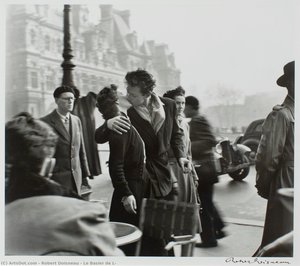
로베르 도이새우의 ‘레 아모뢰 드 로페’: 도시 사랑 이야기
로베르 도이새우의 “레 아모뢰 드 로페”는 제2차 세계 대전 이후 프랑스를 배경으로 한 작품입니다. 도시의 활기찬 에너지와 애절함이 공존하는 순간을 포착한 이 작품은 사진작가 도이새우의 뛰어난 기술과 예술적 감각을 보여줍니다.
도이새우는 단순한 기록 이상의 의미를 담고 있습니다. 그는 제2차 세계 대전 이후 프랑스 사회가 변화하는 시기에 살았던 세대였으며, 일상생활 속에서 인간적인 면모와 감정을 표현하고자 하는 열망을 담은 사진 예술가였습니다. 도이새우의 작품 스타일은 인문주의적 사실주의로 특징지어집니다. 이 흐름은 인간 피조물을 진실하고 공감하는 태도를 지향하며 특히 소외된 공동체를 조명하는 데 중점을 두는 경향을 보입니다.
기술과 예술적 재능의 결합
도이새우의 작품에서 가장 주목할 만한 점은 그의 뛰어난 기술력과 예술적 감각입니다. 그는 사진 촬영 시 느린 카메라 속도를 활용하여 ‘모션 블러’ 효과를 만들어냈습니다. 이 기법은 움직이는 피사체를 포착하여 이미지에 역동적인 느낌을 더하며 시간의 흐름과 일상의 순간들을 생생하게 담아냅니다. 도이새우는 이러한 기술적 노력을 통해 사진 예술의 새로운 지평을 열었습니다.
도시 풍경 속 로맨스의 상징
"레 아모뢰 드 로페"는 도시 풍경 속에서 피어나는 사랑과 애정을 표현하는 작품입니다. 도이새우는 Hôtel de Ville 광장 계단에 서 있는 젊은 남녀의 포옹 장면을 촬영했습니다. 이 사진은 도시의 활기찬 에너지와 인간적인 연결을 상징하며 보는 이들에게 따뜻함과 아름다움을 선사합니다.
프랑스 인상주의 스타일의 영향
도이새우는 프랑스 인상주의 예술가들의 영향을 받아 빛과 색채를 활용하여 감정을 표현하는 데 능숙했습니다. 그는 인상주의 화가들이 자연 현상을 관찰하고 순간적인 느낌을 포착하는 방식을 모방하며 독특한 시각적 스타일을 구축했습니다. 도이새우의 작품은 프랑스 예술사에서 중요한 위치를 차지하며 인상주의 운동의 정신과 아름다움을 계승합니다.
영원히 기억될 이미지
"레 아모뢰 드 로페"는 도이새우가 보여준 최고의 작품으로 평가받으며 오늘날까지 많은 사랑을 받고 있습니다. 이 사진은 도시 생활 속에서 인간적인 감정과 아름다움을 표현하는 예술가의 능력과 열정을 증명하며 영원히 기억될 이미지로 자리 잡았습니다.
질의응답
제 방에 "Les amoureux de l"을(를) 어떤 사이즈로 프린트하는 것이 좋을까요?
Robert Doisneau의 "Les amoureux de l"에 추천하는 조합: 거실 공간 공간에 어울리는 대형 사이즈 프린트입니다.
Robert Doisneau의 "Les amoureux de l"의 느껴지는 밝기는 어느 정도인가요?
전반적으로 "Les amoureux de l"의 밝기는 균형 잡힌로 기록되었습니다. 인지된 밝기는 작품이 얼마나 밝거나 어둡게 보이는지를 나타냅니다.
Robert Doisneau의 "Les amoureux de l"은 어떤 사조와 시대에 속하나요?
"Les amoureux de l"은(는) Street Photography 사조에 속하며, 작가는 Modern 시대에 활동했습니다.
작가 소개
A Parisian Chronicler: The Life and Legacy of Robert Doisneau
Robert Doisneau, born in Gentilly, France, in 1912, wasn’t merely a photographer; he was a visual poet of the streets, a chronicler of everyday life who captured the heart and soul of post-war Paris with an unparalleled blend of humanism, irony, and playful observation. His journey began amidst personal hardship – orphaned at a young age, raised by an unloving aunt – yet it blossomed into a career that celebrated the resilience and charm of the human spirit. Initially drawn to the technical arts, Doisneau trained in engraving and lithography at the École Estienne, skills that would later inform his compositional eye. However, it was the allure of the streets, the spontaneous narratives unfolding before him, that truly ignited his artistic passion. He began tentatively, reportedly photographing cobblestones to overcome initial shyness, gradually building confidence to capture the lives of children and adults in their natural environment.From Advertising to Artistic Vision
Doisneau’s early career was a pragmatic blend of necessity and opportunity. He navigated the world of advertising, working first as a draughtsman at Atelier Ullmann and later as a photographer for Renault. While these roles provided financial stability, they also fueled his growing interest in people and their interactions. His time at Renault, though ultimately cut short by his habitual tardiness, proved formative, exposing him to the possibilities of photography beyond mere commercial application. The late 1930s saw him join the Rapho photographic agency, a pivotal moment that allowed him to pursue street photography more seriously. This period coincided with the looming shadow of World War II, and Doisneau’s life took on another layer of complexity as he served in the French army and actively participated in the Resistance, utilizing his skills to forge documents for those fleeing persecution. It was a time of immense risk and moral responsibility, shaping his commitment to documenting the lives of ordinary people with dignity and respect.The Humanist Lens: Style and Influences
Doisneau’s photographic style is instantly recognizable – a masterful blend of candid observation, carefully composed framing, and a gentle, often ironic, perspective. He wasn't interested in grand narratives or dramatic events; instead, he found beauty and meaning in the mundane, the fleeting moments of everyday life. Influenced by masters like André Kertész, Eugène Atget, and Henri Cartier-Bresson, Doisneau developed his own unique voice, one that prioritized human connection over technical perfection. He possessed an extraordinary ability to anticipate and capture decisive moments, often with a touch of humor or whimsy. His work frequently features amusing juxtapositions, contrasting social classes, and eccentric characters, all set against the backdrop of bustling Parisian streets and cafes. Le Baiser de l'Hôtel de Ville (The Kiss by the Town Hall), his most iconic image from 1950, perfectly encapsulates this approach – a spontaneous moment of intimacy amidst the chaos of city life, an enduring symbol of love and freedom. He famously stated, “The marvels of daily life are so exciting; no movie director can arrange the unexpected that you find in the street.”A Legacy of Empathy and Observation
Throughout his career, Doisneau consistently championed the overlooked and marginalized. He had a particular fondness for children, portraying their play with seriousness and respect, recognizing their inherent dignity and freedom from adult constraints. His photographs offer a poignant glimpse into a post-war Paris rebuilding itself, grappling with social change, yet retaining its unique charm and spirit. While he briefly experimented with fashion photography for Vogue, his heart remained on the streets, capturing the authentic pulse of Parisian life. Despite receiving an invitation to join Magnum Photos from Henri Cartier-Bresson, Doisneau chose to remain with Rapho, valuing the agency’s independence and allowing him greater creative freedom. He was appointed a Chevalier (Knight) of the Legion of Honour in 1984, a testament to his significant contribution to French culture. Robert Doisneau passed away in 1994, leaving behind a vast body of work that continues to inspire and captivate audiences worldwide. His photographs are not simply records of a time and place; they are enduring celebrations of the human condition, reminding us to find beauty and meaning in the everyday moments that shape our lives.
Robert Doisneau
1922 - 1994 , France
작가 정보 요약
- Full Name: Robert Doisneau
- Nationality: French
- Date Of Birth: 1922
- Date Of Death: 1994
- Place Of Birth: Gennevilliers, France
- Notable Artworks: ["Le Baiser de l'hôtel de ville"]
- Artistic Movement Or Style: Humanist photography
- Artists Who Influenced This Artist:
- André Kertész
- Eugène Atget
- Henri Cartier-Bresson
관련 기사
Shadow & Soul: Why Black & White Photography Remains the Ultimate Power Move in Modern Art
Discover why black & white photography remains a powerful force in contemporary art. Explore the impact of light, shadow, and texture through a visual journey of monochrome mastery and learn how to elevate your space with timeless grayscale aesthetics.
Timeless Shadows: The Artistry, History, and Emotional Resonance of Black and White Photography
Explore the profound artistry of black and white photography. From historical mastery to the interplay of light and shadow, discover how monochrome captures timeless emotion and form through a sophisticated lens of art history.

Monochrome Visions: Exploring the Aesthetic & Historical Significance of Black & White Photography
Explore the rich history & artistic power of black and white photography. From early techniques to iconic masters like Ansel Adams, discover why monochrome continues to captivate art lovers today. Expert insights for collectors.
Beyond Color: The Timeless Power and Artistry of Black and White Photography
Explore the profound artistry of black and white photography. From the chemistry of gelatin silver to the chiaroscuro of the Old Masters, discover how monochrome captures the eternal essence of light, form, and emotion for the discerning art collector.

White on Canvas: 10 Masterpieces & Timeless Elegance for Your Home Decor
Explore 10 iconic white paintings by Monet, Whistler & Rothko! Discover the stories behind these serene masterpieces and their impact on art history. Find museum-quality reproductions for your home decor at .