

 실제 크기로 보기
 보내기
보내기 공유하기
공유하기
 상세 보기
상세 보기 가이드 보기

 이미지 다운로드
 유사 작품 더 보기
 X-레이
X-레이 슬라이드 쇼 보기
 통계 정보
통계 정보Formes circulaires, soleil (Circular Forms, Sun)


 상세 보기
상세 보기
지클레 / 아트 프린트
빠른 제작과 다양한 마감 옵션을 선택할 수 있는 박물관 수준의 지클레이 및 캔버스 프린트. ( 수작업 채색 복제본 주문하기 디지털 이미지 판매 채널로 전환)




P118B ₩10

P118H ₩10

P118W ₩10

P438Z ₩10

P508JH ₩12

P508YH ₩12

P805H ₩10

P805Z ₩10

P919BZ ₩10

P919G ₩10

P919XJ ₩10

P959ZH ₩10

P968JZ ₩12

W106C ₩8

W218G ₩10

W218JH ₩8

W218Y ₩10

W307PJ ₩10

W316G ₩10

W316PJ ₩8

W316Y ₩10

W398PJ ₩8

W4111J ₩10

W500HY ₩15

W500JH ₩15

W692G ₩12

W849H ₩8

W940BG ₩15

W953PJ ₩8




작품의 원본 비율을 그대로 유지하는 프리셋 사이즈 중에서 선택해 보세요.

특정 프레임이나 공간에 맞춰 직접 치수를 입력하실 수 있습니다. 선택하신 사이즈가 원본 이미지의 비율과 일치하지 않을 경우, 작품을 크롭(자르기)하거나 이미지를 대칭 또는 단색 채우기로 확장하여 제작합니다. 제작 시작 전, 최종 확인을 위해 디지털 목업이 전송됩니다.
화면상의 미리보기는 실제 크롭이나 확장 상태를 반영하지 않으므로, 최종 구도는 오직 목업을 통해서만 정확하게 확인하실 수 있습니다.
맞춤 사이즈 제작도 가능하지만, 원본 비율을 유지하기 위해서는 사전 정의된 목록에서 치수를 선택하시는 것을 권장합니다.


 유리 옵션은 110cm 미만 크기에서만 선택 가능합니다.

Formes circulaires, soleil (Circular Forms, Sun)
지클레 / 아트 프린트
복제본 규격
-


총 결제 금액
₩ 107290
A Dance of Light and Form: Robert Delaunay’s “Formes Circulaires, Soleil, Lune”
Robert Delaunay's "Formes Circulaires, Soleil, Lune" (Circular Forms, Sun, Moon) is not merely a painting; it’s an immersive experience—a vibrant meditation on the very essence of light and its transformative power. Created in 1912-13 during his pivotal period of experimentation with color theory and abstraction, this work stands as a cornerstone of Orphism, a movement Delaunay co-founded alongside his wife, Sonia, seeking to liberate art from representational constraints and embrace the pure joy of visual sensation. The canvas pulsates with an energy born from the collision of scientific inquiry and artistic intuition, inviting the viewer into a world where color isn’t simply observed but actively felt.
The Language of Color: Delaunay's Theoretical Framework
Delaunay’s approach to painting was deeply rooted in his fascination with optics and the theories of Chevreul, a 19th-century color scientist. He believed that colors didn’t exist independently but were instead created through the simultaneous interaction of complementary hues. This concept—that the effect of one color is altered by its neighbors—became the driving force behind his “Orphism,” characterized by bold, clashing colors arranged in dynamic, non-naturalistic compositions. "Formes Circulaires" exemplifies this perfectly; the fiery yellows and oranges of the sun are juxtaposed against cooler blues and greens, creating a visual tension that is both exhilarating and harmonious. The layering of these colors isn’t simply decorative; it's a deliberate attempt to capture the fleeting, shimmering quality of light itself.
Geometric Harmony: Structure and Symbolism
Despite its vibrant color palette, “Formes Circulaires” is fundamentally structured. The dominant element—a series of concentric circles—creates a sense of rhythm and movement, echoing the patterns found in nature – the sun’s rays, the orbits of planets, or even the ripples on water. These circles aren't static; they are layered with smaller, fragmented shapes, suggesting an underlying dynamism and instability. The inclusion of the titles “Soleil” (Sun) and “Lune” (Moon) isn’t merely descriptive; it imbues the painting with symbolic weight. The sun represents energy, vitality, and illumination, while the moon embodies mystery, reflection, and the subconscious. The interplay between these celestial bodies speaks to a fundamental duality—the conscious and the unconscious, the active and the passive.
A Bridge Between Tradition and Modernity
Delaunay’s work occupies a fascinating space within the transition from early 20th-century art. While influenced by Neoimpressionism's emphasis on color theory, he moved decisively beyond its strict adherence to pointillist techniques. “Formes Circulaires” demonstrates this shift—a move towards abstraction and a focus on pure visual experience. His exploration of color and form resonated deeply with artists like Kandinsky and Mondrian, who would later develop their own distinct approaches to abstract art. Delaunay’s legacy lies not only in his pioneering work within Orphism but also in his willingness to challenge conventional artistic boundaries and explore the limitless possibilities of color and light.
This reproduction captures the essence of Delaunay's vision, offering a window into a world where art becomes a celebration of perception itself. Its bold colors and dynamic composition make it an ideal addition to any space, injecting a dose of energy and visual excitement.
질의응답
로베르 들로네의 "Formes circulaires, soleil (Circular Forms, Sun)" 작품의 경우 어떤 복제본 크기를 추천하시나요?
로베르 들로네의 "Formes circulaires, soleil (Circular Forms, Sun)" 작품의 경우 Medium 크기의 복제본을 추천합니다. 비율을 유지하면서 크기를 조정할 수 있습니다.
"Formes circulaires, soleil (Circular Forms, Sun)"의 유화 복제본을 주문할 수 있을까요?
"Formes circulaires, soleil (Circular Forms, Sun)" 작품은 리넨 캔버스 위에 손으로 직접 그린 유화 복제화로 만나보실 수 있습니다. 다양한 사이즈 중 선택하여 현재 페이지에서 주문하실 수 있습니다.
"Formes circulaires, soleil (Circular Forms, Sun)"은 어떤 종류의 작품인가요?
로베르 들로네의 "Formes circulaires, soleil (Circular Forms, Sun)"은(는) WallArt로 분류됩니다. 이 카테고리는 원작이 어떤 종류의 예술 작품인지를 설명합니다.
"Formes circulaires, soleil (Circular Forms, Sun)"의 색감은 강렬한 편인가요, 아니면 부드러운 편인가요?
로베르 들로네의 "Formes circulaires, soleil (Circular Forms, Sun)"에 사용된 색상들은 Balanced 강도를 띱니다.
"Formes circulaires, soleil (Circular Forms, Sun)"에 대한 가이드는 어디에서 확인할 수 있나요?
로베르 들로네의 "Formes circulaires, soleil (Circular Forms, Sun)"의 가이드 페이지에서는 인쇄 가능한 두 장 분량의 학습용 팩트시트를 제공합니다. 여기에는 작품과 작품 정보표, 작가의 생애 속 시기를 보여주는 연대기, 해당 작가의 다른 작품들, 측정된 컬러 팔레트, 그리고 네 가지 스타일로 바로 복사하여 사용할 수 있는 인용 문구가 포함되어 있습니다.
로베르 들로네의 "Formes circulaires, soleil (Circular Forms, Sun)"의 프린트를 어디에서 구매할 수 있나요?
로베르 들로네의 "Formes circulaires, soleil (Circular Forms, Sun)"의 프린트는 현재 페이지에서 바로 주문하실 수 있습니다: 코튼 캔버스 또는 아카이브용 캔버스지에 인쇄된 파인 아트 프린트.
"Formes circulaires, soleil (Circular Forms, Sun)"의 작가는 누구인가요?
"Formes circulaires, soleil (Circular Forms, Sun)"의 작가는 로베르 들로네입니다. 이 작품은 로베르 들로네의 이름으로 등록되어 있습니다.
작가 소개
색채 추상 선구자: 로베르 들로네의 삶과 예술
1885년 파리에서 태어난 로베르 들로네는 20세기 초 급진적인 예술적 변화를 이끄는 핵심 인물로 부상했습니다. 처음에는 전통 회화에 매료되었지만, 그의 여정은 결국 색채와 빛을 탐구하는 방향으로 나아갔고, 이는 그의 유산을 정의하고 추상 미술 탄생에 크게 기여하게 되었습니다. 들로네는 단순히 세계를 *재현*하는 데 관심이 없었습니다. 그는 아내 소니아 들로네 및 같은 비전을 공유하는 다른 예술가들과 함께 오르피즘 운동을 공동 창립하여 생동감 넘치는 기하학적 형태와 빛나는 색조의 언어를 통해 세상의 본질을 포착하고자 했습니다. 그의 초기 삶은 부모님의 이혼과 친척들에게 양육되는 등 불안정함으로 특징지어졌지만, 어쩌면 이러한 환경이 예술적 관습에 도전하는 데 도움이 되는 독립적인 정신을 키워주었는지도 모릅니다. 그는 처음에는 장식 미술을 추구했지만 곧 회화로 기울어 1904년 Salon des Indépendants에서 전시하며 뛰어난 재능과 야망을 보여주었습니다.분할주의에서 오르피즘의 새벽으로
들로네의 예술적 발전은 끊임없는 실험으로 특징지어졌습니다. 그는 처음에는 신인상주의, 즉 분할주의에 참여하여 작은 뚜렷한 점들을 사용하여 반짝이는 효과를 만드는 원리를 흡수했습니다. 그러나 그는 단순히 광학 현상을 복제하는 것을 넘어 색채 자체의 표현적 잠재력을 탐구하기 시작했습니다. 이 시기에 장 메칭거와의 중요한 우정은 그의 형성에 결정적인 역할을 했습니다. 그들은 파편화된 형태와 모자이크 같은 구성을 탐구했고, 이러한 초기 협업은 나중에 입체주의에 참여하는 기반을 마련했지만 들로네는 입체주의의 보다 분석적인 접근 방식과는 결국 달라졌습니다. 그는 물체를 기하학적 구성 요소로 분해하는 데 관심이 없었습니다. 오히려 색채와 빛의 역동적인 배열로 종합하고자 했습니다. 이러한 변화는 시인 기욤 아폴리네르가 만든 용어인 오르피즘의 발전으로 이어졌으며, 이는 감정적 반응을 유도하기 위해 색채 강도를 통해 순수하게 추상적인 예술을 창조하는 것을 목표로 했습니다. 동시 대비: 태양과 달은 이 접근 방식을 보여주는 대표적인 작품으로 들로네가 에너지와 움직임의 느낌을 전달하기 위해 색채를 능숙하게 조작한 모습을 보여줍니다.‘동시성’의 힘과 예술적 영향
들로네의 예술 철학의 핵심은 “동시성”이라는 개념이었습니다. 이는 색상이 서로 상호 작용하여 새로운 감각과 인식을 창조한다는 생각입니다. 그는 색상이 단순한 묘사 요소가 아니라 현실에 대한 우리의 경험을 형성할 수 있는 능동적인 힘이라고 믿었습니다. 이러한 신념은 그의 에펠탑 연작에 반영되었는데, 여기서 그는 상징적인 구조를 교차하는 평면과 생생한 색조의 네트워크로 해체했습니다. 이것들은 탑 *그림*이 아니라 빛과 색상이 외관을 변화시키는 방식을 탐구한 것입니다. 들로네의 이론은 당시 다른 예술가들에게 깊은 공감을 불러일으켰고, 폴 클레, 프란츠 마르크, 아우구스트 막케와 같은 인물에게 영향을 미쳤으며 러시아 아방가르드 운동에도 영향을 미쳤습니다. 그는 추상과 색채의 표현적 힘에 대한 강조를 통해 대표적인 관습을 거부하고 순수 시각적 형태를 선호하는 새로운 세대의 예술가를 위한 길을 열었습니다. 그는 단순히 그림을 창조한 것이 아니라 색채, 빛 및 인식 간의 관계를 이해하기 위한 이론적 프레임워크를 개발했습니다.후기 연대와 지속적인 유산
제1차 세계 대전 발발로 인해 들로네와 그의 아내는 스페인과 포르투갈로 피난하여 계속해서 작업하고 전시했습니다. 1920년대에 파리로 돌아온 그는 초상화 및 사실적 장면을 포함한 다양한 주제를 탐구했지만 항상 색채와 추상의 핵심 원칙에 충실했습니다. 후기 연대에는 들로네는 이전의 테마를 재방문하여 점점 더 복잡하고 역동적인 구성을 만들었습니다. 또한 1937년 파리 국제 박람회에서 대규모 컬러 부조를 디자인하는 등 예술적 비전을 건축적 맥락으로 전환할 수 있는 능력을 보여주는 야심찬 프로젝트도 수행했습니다. 로베르 들로네의 갑작스러운 죽음은 미술계에 큰 손실이었지만 그의 영향력은 오늘날에도 계속되고 있습니다. 그의 선구적인 작품은 추상 미술의 많은 후속 발전에 토대를 마련했으며 색채 탐구는 다양한 분야의 예술가들에게 영감을 주고 있습니다. 그의 유산은 미학적 혁신뿐만 아니라 지적 탐구이기도 합니다. 이는 예술이 우리 주변 세계에 대한 이해를 변화시킬 수 있는 힘을 입증한 증거입니다.주요 작품
- 에펠탑 (1909-1911)
- 동시 대비: 태양과 달 (1913)
- 동시에 열린 창문, 1부, 3번째 모티프 (1912)
- 라옹의 길 (1910)
- 리듬 (1934)

로베르 들로네
1885 - 1941 , 프랑스
작가 정보 요약
- Artistic Movement Or Style: 오르피즘, 입체주의
- Artists Or Movements Influenced By This Artist:
- 스탠턴 맥도날드-라이트
- 소니아 델로네
- 청색 기수단
- Artists Who Influenced This Artist: ['폴 클레']
- Date Of Birth: 1885년 4월 12일
- Date Of Death: 1941년
- Full Name: 로베르 델로네(Robert Delaunay)
- Nationality: 프랑스인
- Notable Artworks (List Of Titles):
- 에펠탑 연작
- 동시적 대비
- 열린 창
- Place Of Birth (City And Country): 프랑스 파리
관련 기사
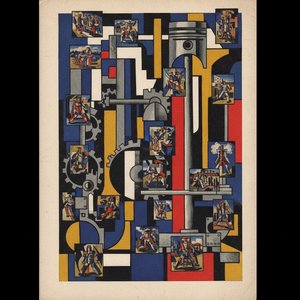
페르낭 레제 최고 걸작 25선: 현대 미술의 거장을 만나다 | OriginalUniqueArt
페르낭 레제의 최고 걸작 25선을 만나보세요. 큐비즘, 추상 미술의 거장이 그린 명작들의 탄생 비화와 예술적 의미를 탐구합니다. OriginalUniqueArt에서 고품질 아트 프린트와 인테리어 액자로 공간에 예술을 더하세요. 지금 바로 컬렉션을 확인하세요!

Kandinsky's Masterpieces: 25 Paintings That Define Abstract Art | OriginalUniqueArt
Journey through Wassily Kandinsky's 25 most iconic abstract paintings. Explore his revolutionary use of color, form & spiritual expressionism. Find museum-quality Kandinsky reproductions and elevate your home decor with OriginalUniqueArt.com. Discover all masterpieces on OriginalUniqueArt.com!

Beyond Form & Color: Geometric Abstraction's Evolution in 20th/21st Century Art
Explore the evolution of geometric abstraction from Cubism to contemporary art. Discover key artists like Malevich & Mondrian, investment insights, and expert collecting advice at OriginalUniqueArt.

기하학적 추상 미술을 정의한 명작 10가지 | OriginalUniqueArt.com
몬드리안, 말레비치 등 거장들의 기하학적 추상 미술 명작 10선을 만나보세요. 각 작품의 예술사적 의미와 색채, 구성을 탐구하고 OriginalUniqueArt.com에서 고품질 아트 프린트를 소장하세요. 지금 바로 온라인 컬렉션을 확인하세요!
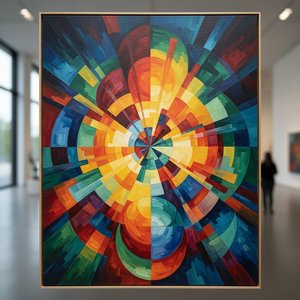
Orphism: A Symphony of Color and Form – Exploring the Abstract Roots of Modern Art
Explore Orphism, the vibrant abstract art movement pioneered by Robert & Sonia Delaunay. Discover its unique color theory, lasting influence on modern art, and how to bring this 'symphony of color' into your home with OriginalUniqueArt.

