 실제 크기로 보기
 보내기
보내기 공유하기
공유하기
 상세 보기
상세 보기 가이드 보기

 이미지 다운로드
 유사 작품 더 보기
 X-레이
X-레이 슬라이드 쇼 보기
 Q&A
Q&A 통계 정보
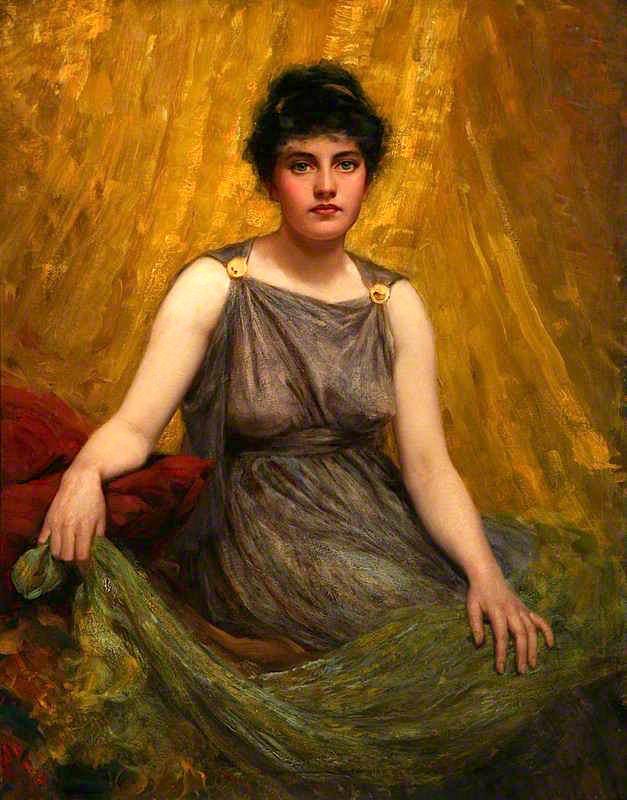
통계 정보Isabella
 상세 보기
상세 보기
웹 미리보기 화면을 훨씬 뛰어넘는 인쇄용 파일을 만나보세요. 저희가 판매하는 모든 디지털 이미지는 스톡 데이터베이스 내의 고해상도 마스터 파일(일반적으로 가로 5,000~15,000픽셀)을 기반으로 합니다. 따라서 대형 인쇄나 정밀한 크롭 작업 시에도 세밀한 디테일을 자신 있게 구현할 수 있습니다.
저희 스튜디오를 거치는 모든 파일은 정교한 손길을 거칩니다. 디지털 전문가가 원작과 대조하여 색상을 점검하고 필요 시 보정하며, 전문 리터칭 도구를 사용하여 선명도와 디테일을 높입니다. 이 과정에서 작가의 붓 터치와 화풍을 충실히 유지하는 것을 원칙으로 합니다. 그 결과, 단순한 스캔본에 필터를 입힌 듯한 느낌이 아닌, 마치 실제 회화 작품을 보는 듯한 이미지를 구현해냅니다.
최종 완료 전 확인 단계가 있습니다. 전문가가 검토하실 수 있도록 72시간 이내에 이메일로 이미지를 보내드립니다. 결과물이 만족스럽지 않으신가요? 수정이나 보완을 요청하시거나, 품질이 기대에 미치지 못할 경우 환불을 요청하실 수 있습니다.
출판사, 디자인 스튜디오, 갤러리 및 인쇄소가 신뢰하는 바로 그 품질입니다.
디지털 이미지
개인 소장 및 전시, 인쇄, 창작 프로젝트를 위한 고해상도 파일을 다운로드하세요. ( 프린트 판매로 전환 수작업 채색 복제본 주문하기)
모든 디지털 이미지 주문 시 제공되는 혜택
전문적인 디지털 이미지 전송 보장
OriginalUniqueArt.com를 선택하시면 단순히 이미지를 받는 것을 넘어, 정밀한 보정 과정을 거쳐 완성된 전문적인 디지털 예술 작품을 만나보실 수 있습니다. 모든 작품에는 만족 보장 서비스가 함께 제공되며, 주문 시 다음과 같은 사항들이 자동으로 포함됩니다:

빠른 이메일 수령
주문 후 72시간 이내에 고해상도 디지털 이미지 파일이 이메일로 발송되며, 즉시 사용하실 수 있습니다.

AI 기술로 최적화된 디지털 파일
귀하의 작품은 고급 AI 기술과 정교한 수동 편집 과정을 거쳐 전문적으로 최적화되며, 이를 통해 디테일과 선명도, 색상의 정확도를 극대화합니다.

평생 무료 재전송 서비스
파일을 실수로 삭제하거나 분실하셨나요? 걱정 마세요. 언제든 무료로 다시 보내드립니다.

추가 수입 비용 없음 - 언제나
관세나 부가세, 배송비 부담 없이 작품을 즉시 소장하세요 - 디지털 다운로드는 언제나 면세 혜택이 적용됩니다.

정확한 색상 보장
전문적인 도구와 색상 관리 시스템을 통해 디지털 이미지가 원본의 색상을 최대한 정확하게 구현하도록 보장합니다.

100일 만족 보장제
구매하신 디지털 이미지에 만족하지 못하실 경우, 100일 이내에 별도의 조건 없이 수정 또는 100% 환불을 진행해 드립니다.

100% 환불 보장
만족스럽지 않으신가요? 디지털 파일을 받으신 후 100일 이내에 조건 없이 전액 환불해 드립니다.

대량 주문 할인
이미지 3매 구매 시 10% 할인 - 5매 구매 시 15% 할인 - 10매 이상 구매 시 20% 할인. 크리에이티브 프로젝트, 갤러리, 에이전시에 매우 유용합니다.
아티스트 프로필
Robert Cree Crawford: A Scottish Painter of Light and Character
Born in 1842 in Rachan, Scotland, Robert Cree Crawford’s life and art were inextricably linked to the landscape of his upbringing – a remote, windswept corner of Sutherland. His early years were spent immersed in the rhythms of rural life, a formative experience that profoundly shaped his artistic vision. Crawford wasn't a flamboyant figure; he was a quiet observer, meticulously capturing the essence of his surroundings and the individuals who inhabited them. He eschewed grand narratives or dramatic compositions, instead focusing on the subtle beauty of everyday scenes – fishing boats bobbing in lochs, weathered cottages nestled amongst heather-clad hills, and portraits that revealed more than mere likenesses, hinting at character and inner life.
Crawford’s artistic journey began modestly. He initially trained as a draughtsman, honing his observational skills and developing a keen eye for detail. However, it was the influence of his uncle, Henry B. Marshall, a fellow artist who had spent considerable time in Scotland, that truly ignited Crawford's passion for painting. Marshall introduced him to the techniques of Impressionism and Realism, encouraging him to capture the fleeting effects of light and shadow – a crucial element in Crawford’s distinctive style. His early works were largely influenced by the Scottish Colourists, particularly their emphasis on capturing the vibrant hues of the Highlands, though Crawford's palette remained more restrained, favoring muted tones and subtle gradations.
A pivotal moment in Crawford’s career came with his portraiture work. He quickly established a reputation for creating remarkably insightful portraits of Scottish industrialists and businessmen – figures like William Loudon Reid, the Glasgow physician, and James Watt Douglas, a prominent shipping magnate. These weren't merely formal likenesses; Crawford imbued them with personality, capturing their bearing, expressions, and even a hint of their inner thoughts. He achieved this through careful observation, subtle shifts in pose, and an ability to convey mood and atmosphere. His technique involved layering thin glazes of oil paint, building up the image gradually and allowing the colors to blend seamlessly – a hallmark of his distinctive style.
Beyond portraiture, Crawford produced a significant body of landscape paintings. He possessed a remarkable sensitivity to light, expertly rendering the shifting qualities of sunlight on water, hillsides, and buildings. His landscapes are not idealized or romanticized; they are grounded in reality, reflecting the rugged beauty and often harsh conditions of the Scottish Highlands. He frequently depicted scenes from his own surroundings – lochs, mountains, and coastal views – capturing their atmospheric depth and sense of solitude. The influence of J.M. Whistler is evident in some of his later landscape works, particularly his use of color and composition to create evocative mood pieces.
Crawford’s artistic output was substantial, comprising over 300 paintings. He exhibited widely throughout Britain, receiving critical acclaim for his portraits and landscapes. He was elected an Associate of the Royal Scottish Academy in 1902 – a significant recognition of his talent and contribution to Scottish art. Despite achieving considerable success, Crawford remained a private and unassuming individual, dedicated to his craft and deeply connected to his homeland. He died in 1924, leaving behind a legacy of quietly powerful paintings that continue to resonate with viewers today. His work offers a poignant glimpse into the life and landscape of rural Scotland, revealing both its beauty and its inherent dignity.
Key Works & Notable Achievements
- Portrait of Henry B. Marshall (1898): A foundational piece showcasing Crawford’s early Impressionistic style and his ability to capture the essence of a subject through subtle observation.
- William Loudon Reid (1890): A masterful portrait demonstrating Crawford's skill in conveying character and personality through nuanced expression and pose.
- Portrait of Mrs Henderson and her Daughters, Maysie and Lesley (1893): An intimate portrayal of a family, highlighting Crawford’s ability to capture the warmth and connection between individuals.
- Drying Nets (1886): A quintessential Highland scene, demonstrating Crawford's mastery of light and color in capturing the atmosphere of rural life.
Influences & Artistic Style
Crawford’s artistic development was shaped by a confluence of influences. The Scottish Colourists, with their vibrant palette and focus on depicting contemporary life, provided an early inspiration. The Impressionist movement, particularly the work of Monet and Whistler, instilled in him a sensitivity to light and color. However, Crawford ultimately forged his own distinctive style – characterized by its quiet observation, subtle tonal gradations, and ability to convey mood and atmosphere. He was less concerned with dramatic effects than with capturing the essence of his subjects and their surroundings.
Legacy & Historical Significance
Robert Cree Crawford’s work holds a significant place in Scottish art history. He represents a bridge between the traditional landscape painting of earlier generations and the more modern, psychologically-oriented approaches of the 20th century. His portraits are particularly noteworthy for their insightful characterizations and their ability to reveal something of the inner lives of his subjects. Crawford’s paintings offer a valuable record of rural life in Scotland during a period of rapid social and economic change, providing a poignant glimpse into the beauty and dignity of a disappearing world.

Robert Cree Crawford
1842 - 1924
핵심 정보
- Artistic Movement Or Style: Realism, Portraiture
- Artists Or Movements Influenced By This Artist: ['Scottish Painting']
- Artists Who Influenced This Artist: ['James W. Briggs']
- Date Of Birth: 1842
- Date Of Death: 1924
- Full Name: Robert Cree Crawford
- Nationality: Scottish
- Notable Artworks:
- A Duet
- Drying Nets
- Cottage by the Sea
- Place Of Birth: Glasgow, Scotland