 미리보기
미리보기
 공유하기
공유하기 공유하기
공유하기
 상세 정보
상세 정보

 다운로드
다운로드
 유사 작품
유사 작품 X-레이
X-레이 슬라이드 쇼
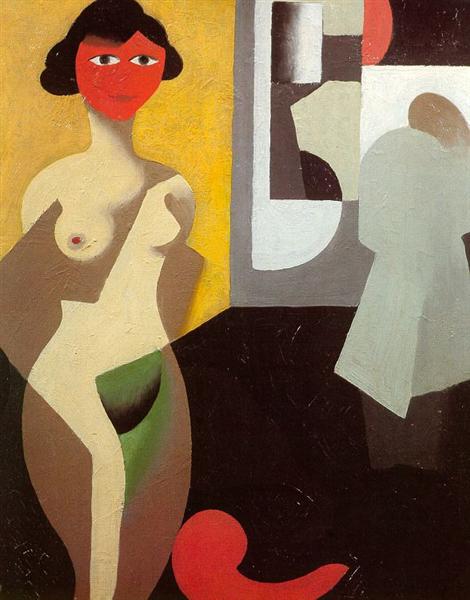
Woman bathing

 더 보기
더 보기
지클레 / 아트 프린트
빠른 제작과 다양한 마감 옵션을 제공하는 박물관 품질의 지클레이 또는 캔버스 프린트. ( 손으로 그린 그림 구매 이미지 구매)




P118B $10

P118H $10

P118W $10

P438Z $10

P508JH $12

P508YH $12

P805H $10

P805Z $10

P919BZ $10

P919G $10

P919XJ $10

P959ZH $10

P968JZ $12

W106C $8

W218G $10

W218JH $8

W218Y $10

W307PJ $10

W316G $10

W316PJ $8

W316Y $10

W398PJ $8

W4111J $10

W500HY $15

W500JH $15

W692G $12

W849H $8

W940BG $15

W953PJ $8




작품의 원본 비율을 유지하는 미리 설정된 크기 중에서 선택하세요.

특정 프레임이나 공간에 맞춰 직접 치수를 입력하실 수 있습니다. 선택하신 사이즈가 원본 이미지의 비율과 일치하지 않을 경우, 작품을 크롭(자르기)하거나 이미지를 대칭 또는 단색 채우기로 확장하여 제작합니다. 제작 시작 전, 최종 확인을 위해 디지털 목업이 전송됩니다.
화면상의 미리보기는 실제 크롭이나 확장 상태를 반영하지 않으므로, 최종 구도는 오직 목업을 통해서만 정확하게 확인하실 수 있습니다.
맞춤 사이즈 제작도 가능하지만, 원본 비율을 유지하기 위해서는 사전 정의된 목록에서 치수를 선택하시는 것을 권장합니다.


 유리 옵션은 110cm 미만 크기에서만 선택 가능합니다.

Woman bathing
지클레 / 아트 프린트
복제본 크기
-


최종 결제 금액
$ 80
작품 상세 설명
René Magritte’s Enigmatic “Woman Bathing”: A Study in Hidden Realities
Rene Magritte's "Woman Bathing," painted around 1929, is not merely a depiction of a woman enjoying a moment of repose; it’s a carefully constructed puzzle designed to challenge our fundamental assumptions about perception and representation. This deceptively simple black-and-white image, now housed in various collections worldwide, embodies the core tenets of Surrealism – a movement Magritte helped define – by subtly disrupting the familiar relationship between what we see and what truly exists. The painting’s power lies not in overt drama or explicit narrative, but in its quiet insistence on questioning the very nature of reality itself.
The scene unfolds with an almost clinical detachment. A woman, her features partially obscured by a strategically placed red dress, is immersed in a stream. Her posture suggests relaxation and vulnerability, yet there’s an undeniable sense of unease. The background is sparsely populated – two indistinct figures hint at the presence of others, adding to the feeling that we are observing a private, almost staged moment. Magritte masterfully employs a stark monochrome palette, reminiscent of early 20th-century photography and film, further enhancing the painting’s unsettling atmosphere. This deliberate choice strips away any potential distractions, forcing the viewer to confront the image with raw intensity.
The Roots of Surrealism: Trauma and the Unseen
Understanding Magritte's artistic vision requires a glimpse into his personal history. Born René Ghislain Magritte in Lessines, Belgium, in 1898, he experienced a profoundly formative event at the age of thirteen – the suicide of his mother. The image of her body being recovered from the River Sambre, with her dress concealing her face, became a recurring motif throughout his oeuvre. This deeply personal tragedy instilled within him a lifelong fascination with concealment, loss, and the unsettling power of what remains hidden beneath the surface. It’s believed this early trauma fueled his exploration of the subconscious and his deliberate manipulation of visual reality.
Magritte's work is often described as “visual poetry,” prioritizing intellectual engagement over emotional expression. He wasn’t interested in simply replicating the world; he sought to expose its constructed nature, revealing the mechanisms by which we perceive and interpret it. "Woman Bathing" exemplifies this approach perfectly. The red dress, a seemingly minor detail, acts as a powerful symbol of concealment – obscuring the woman's face and suggesting that her true identity is deliberately hidden from view. This echoes his mother’s obscured visage, creating a subtle yet persistent link to his personal history.
Technique and Style: A Masterclass in Illusion
Magritte’s technique is characterized by meticulous detail and an almost photographic realism, despite the painting's surreal subject matter. He employed oil paints on canvas with a precision that belies the dreamlike quality of his work. The smooth gradations of tone, the subtle modeling of form, and the careful rendering of textures create a convincing illusion of depth and space. However, this apparent realism is deliberately undermined by the painting’s overall atmosphere of unease and ambiguity.
The composition itself contributes to the painting's unsettling effect. The woman is positioned slightly off-center, drawing the viewer’s eye across the canvas and creating a sense of imbalance. The lack of clear perspective further enhances this feeling of disorientation. Magritte’s deliberate use of line and form challenges our expectations of how things should look, forcing us to question what we are seeing.
Symbolism and Emotional Resonance: A Question of Perception
"Woman Bathing" is a profoundly ambiguous work, inviting multiple interpretations. The woman herself can be seen as representing vulnerability, innocence, or perhaps even the unknowable depths of the human psyche. The stream symbolizes transition, purification, or simply the flow of time. The red dress, as previously mentioned, represents concealment and the suppression of identity.
Ultimately, Magritte’s masterpiece is not about providing answers but about posing questions. It's a meditation on the nature of perception, the limitations of representation, and the enduring power of the subconscious. A high-quality reproduction of “Woman Bathing” offers a captivating glimpse into the mind of one of the 20th century’s most influential artists – a work that continues to resonate with viewers today, prompting us to reconsider our own understanding of reality.
작가 약력
Early Life and the Seeds of Surrealism
René Magritte는 벨기에 레센네스에서 1898년 11월 21일에 태어났습니다. 그의 어린 시절은 충격적인 사건으로 시작되었습니다. 바로 어머니의 자살이었는데, 그는 열세 살 때였습니다. 그녀의 시체가 세브레 강에 발견되었고 그녀의 드레스가 얼굴을 가리는 모습이 눈앞에 펼쳐졌습니다. 이 초기의 트라우마는 그에게 미스터리함과 상실감 그리고 우리가 보지 못하는 힘에 대한 매혹감을 심어주었습니다. 그의 어린 시절에 대한 자세한 정보는 아직 명확하게 밝혀지지 않았지만 그는 삶 전체를 질문하는 방식으로 끊임없이 탐구하며 예술적 비전을 형성했습니다. 그는 열 살 때 그림 레슨을 시작했는데 이는 그에게 시각적 표현에 대한 타고난 기질을 드러냈습니다. 하지만 처음에는 인상주의로 탐구했지만 이후 그의 예술 경로는 서양 미술의 주요 인물 중 한 명으로 나아가기 위해 독특한 길을 택했습니다.
Artistic Development and Influences
마그리트는 예술적 여정이 즉각적이고 간단하지 않았습니다. 그는 브뤼셀 왕립 미술 아카데미에서 공부했지만 전통적인 방법은 그에게 답답함을 안겨주었습니다. 그의 초기 작품은 미래주의와 입체주의를 실험했는데 이 두 현대 미술 운동의 형식을 흡수했지만 형식적인 우려에 대한 관심이 부족했습니다. 그는 1922년 지오르지오 드 치리코의 그림 *사랑의 노래*를 만나면서 새로운 시각을 발견했습니다. 드 치리코의 꿈 같은 풍경과 혼란스러운 대립은 마그리트에게 익숙한 것이 이상하게 변하고 평범함이 깊은 미스터리로 가득 차는 세계로 이끌었습니다. 이 만남은 그가 초현실주의에 대한 약속을 깨고 그의 동료 예술가들보다 더 자유로운 방식으로 탐구하는 것을 촉발했습니다. 그는 초현실주의의 심리적 또는 자동적인 접근 방식과 같은 방법으로 무의식 탐구를 추구하지 않았습니다.
The Heart of Surrealism: Challenging Reality
1926년 마그리트는 초현실주의 원칙을 완전히 받아들였고 *로스트 조커*를 제작했는데 이 작품은 광범위하게 그의 첫 번째 진정한 초현실주의 작품으로 여겨집니다. 그러나 그의 초현실주의는 독특했습니다. 그는 미래주의와 같은 다른 예술가들의 방식과 달리 무의식 탐구에 대한 자유 연관이나 꿈 이미지 사용에 관심이 없었습니다. 대신 마그리트는 일반적인 물건을 예상치 못한 맥락에서 제시하여 관객에게 세계에 대한 가정에 대해 질문하도록 강요하는 방식으로 현실에 도전했습니다. 그는 초현실주의의 핵심은 이처럼 관객에게 새로운 시각을 제공하고 예술이 생각과 경외심을 불러일으키는 능력을 인정하는 것입니다.
Iconic Works: Paradoxes of Perception
마그리트는 초현실주의 원칙에 대한 약속을 깨고 *사랑의 노래*를 제작했는데 이 작품은 광범위하게 그의 첫 번째 진정한 초현실주의 작품으로 여겨집니다. 그는 미래주의와 같은 다른 예술가들의 방식과 달리 무의식 탐구에 대한 자유 연관이나 꿈 이미지 사용에 관심이 없었습니다. 대신 마그리트는 일반적인 물건을 예상치 못한 맥락에서 제시하여 관객에게 세계에 대한 가정에 대해 질문하도록 강요하는 방식으로 현실에 도전했습니다. 그는 초현실주의의 핵심은 이처럼 관객에게 새로운 시각을 제공하고 예술이 생각과 경외심을 불러일으키는 능력을 인정하는 것입니다.
Legacy and Recognition
마그리트는 초기 작품에서 미래주의와 입체주의를 실험했는데 이 두 현대 미술 운동의 형식을 흡수했지만 형식적인 우려에 대한 관심이 부족했습니다. 그는 초현실주의의 심리적 또는 자동적인 접근 방식과 같은 방법으로 무의식 탐구에 대한 자유 연관이나 꿈 이미지 사용에 관심이 없었습니다. 대신 마그리트는 일반적인 물건을 예상치 못한 맥락에서 제시하여 관객에게 세계에 대한 가정에 대해 질문하도록 강요하는 방식으로 현실에 도전했습니다. 그는 초현실주의의 핵심은 이처럼 관객에게 새로운 시각을 제공하고 예술이 생각과 경외심을 불러일으키는 능력을 인정하는 것입니다.
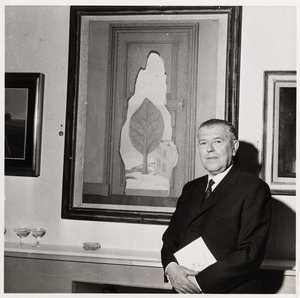
마그리트 레네
1898 - 1967 , 벨기에
주요 정보
- Artistic Movement Or Style: 초현실주의
- Artists Who Influenced This Artist: ['지오르조 디 치리코']
- Date Of Birth: November 21, 1898
- Date Of Death: August 15, 1967
- Full Name: René François Ghislain Magritte
- Nationality: 벨기에인
- Notable Artworks:
- 레 오베르스
- 이미지 기교의 속임수
- 시간 정지된 것
- Place Of Birth: Lessines, Belgium
관련 기사 더 보기
르네 마그리트 최고작 25선: 초현실주의 거장의 시대를 초월한 걸작들 | OriginalUniqueArt
르네 마그리트 최고작 25선을 만나보세요. 초현실주의 화가의 기묘하고 철학적인 세계를 탐험하고, 숨겨진 의미와 상징을 발견하세요. OriginalUniqueArt에서 고품질 미술 작품과 인테리어 아이디어를 찾아보세요. 지금 바로 컬렉션을 확인하세요!

Dark Masterpieces: 10 Iconic Paintings Dominated by Black Tones |
Explore 10 iconic paintings dominated by black tones, from Rembrandt’s chiaroscuro to Goya's dark expressions. Discover the stories behind these masterpieces & find museum-quality art reproductions for your home at .
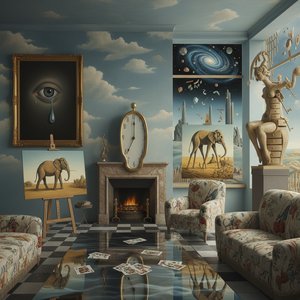
초현실주의를 정의한 10대 걸작: 꿈과 현실의 경계를 넘어서
초현실주의 미술의 정수를 담은 10대 걸작을 만나보세요! 마그리트, 달리 등 거장의 작품 비하인드 스토리와 예술적 의미를 탐구하고, 꿈결 같은 분위기를 당신의 공간에. OriginalUniqueArt.com에서 명품 아트 프린트를 찾아 지금 바로 경험하세요.
Mars Black Masterpieces: 10 Iconic Paintings & Timeless Art Decor Ideas
Delve into the power of 'Mars Black' with 10 iconic paintings by masters like Rembrandt & Caravaggio. Explore dramatic chiaroscuro, gothic art, and timeless beauty. Find museum-quality reproductions & elevate your home decor on .
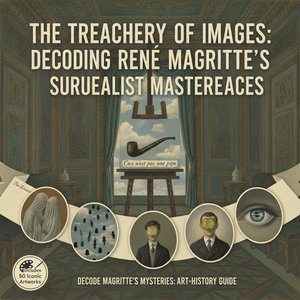
The Treachery of Images: Decoding René Magritte’s Surrealist Philosophy and the Paradox of Representation
Explore the profound mystery of René Magritte’s 'The Treachery of Images.' Dive into an expert analysis of his Surrealist philosophy, the paradox of representation, and how he challenged reality through the interplay of language and visual perception.