실제 크기로 보기
 보내기
보내기 공유하기
공유하기
 상세 보기
상세 보기 가이드 보기

 이미지 다운로드
 유사 작품 더 보기
 X-레이
X-레이 슬라이드 쇼 보기
 통계 정보
통계 정보The Great War


 상세 보기
상세 보기
이 페이지에 표시된 작품은 저작권법의 보호를 받으며, 이에 따라 동일한 복제품을 제작하거나 판매하는 것은 법으로 금지되어 있습니다. 이러한 권리 보호는 다음과 같은 국제 협약에 따라 시행됩니다. 베른 협약 또한 다음에서 명시하는 법률을 포함한 국내법에 의해 보호됩니다. 미국 저작권법 제17조.
이 방식은 저작권 보호를 받는 예술 작품을 복제하거나 그대로 재현하는 것이 아니기에 저작권 규정을 완벽히 준수합니다. 대신, 이는 창의적인 재해석의 과정을 거칩니다. 즉, 원작에서 영감을 받되 원작과 동일하지 않은 새로운 회화 작품을 의미합니다.
지클레 / 아트 프린트
빠른 제작과 다양한 마감 옵션을 선택할 수 있는 박물관 수준의 지클레이 및 캔버스 프린트. ( 수작업 채색 복제본 주문하기 디지털 이미지 판매 채널로 전환)




P118B ₩10

P118H ₩10

P118W ₩10

P438Z ₩10

P508JH ₩12

P508YH ₩12

P805H ₩10

P805Z ₩10

P919BZ ₩10

P919G ₩10

P919XJ ₩10

P959ZH ₩10

P968JZ ₩12

W106C ₩8

W218G ₩10

W218JH ₩8

W218Y ₩10

W307PJ ₩10

W316G ₩10

W316PJ ₩8

W316Y ₩10

W398PJ ₩8

W4111J ₩10

W500HY ₩15

W500JH ₩15

W692G ₩12

W849H ₩8

W940BG ₩15

W953PJ ₩8




작품의 원본 비율을 그대로 유지하는 프리셋 사이즈 중에서 선택해 보세요.

액자나 벽면 크기에 맞춰 필요한 가로와 세로 길이를 입력해 주세요. 프린트는 원본 이미지보다 크게 제작할 수 없으며 오직 자르는 것만 가능하므로, 비율이 다른 사이즈를 선택할 경우 이미지의 일부가 잘려 나갈 수 있습니다. 인쇄 작업에 들어가기 전, 최종 확인을 위해 디지털 목업을 보내드립니다. 이 페이지에 표시된 이미지는 실제 잘리는 영역을 나타내지 않으며, 오직 목업을 통해서만 정확한 확인이 가능합니다.


 유리 옵션은 110cm 미만 크기에서만 선택 가능합니다.

The Great War
지클레 / 아트 프린트
복제본 규격
-


총 결제 금액
₩ 108744
A Dream Obscured: Delving into Magritte’s ‘The Great War’
René Magritte's 1964 painting, *The Great War*, is a quintessential example of Surrealist artistry – a work that simultaneously captivates and unsettles. It presents a formally dressed man, complete with bowler hat and dark suit, but crucially, his face is entirely concealed by a vibrant green apple. Above the apple float several delicate leaves against a backdrop of softly rendered clouds. This seemingly simple composition unlocks layers of symbolic meaning and psychological intrigue.Style & Technique: The Precision of Dreams
Magritte masterfully employs the hallmarks of his signature style in *The Great War*. His technique is rooted in traditional oil painting, characterized by meticulous detail and smooth application – a deliberate contrast to the chaotic energy often associated with Surrealism. Geometric lines define the man’s attire, sharply contrasting with the organic forms of the apple and leaves. The color palette is restrained, dominated by blacks and greys that amplify the startling vibrancy of the green apple. This calculated use of color draws immediate attention to the central symbol. Perspective is flattened, contributing to the dreamlike quality and a sense of spatial ambiguity.Symbolism & Interpretation: Beyond the Surface
The symbolism within *The Great War* is rich and open to interpretation. The apple, a recurring motif in Magritte’s work, often represents temptation, hidden knowledge, or even innocence. Here, obscuring the face, it suggests an obstruction of identity or perception. Is this a commentary on how war conceals individual humanity? Or perhaps a representation of societal conformity – the bowler hat and suit signifying adherence to norms that mask true selfhood? The leaves above the apple could symbolize fleeting life or lost memories. Given the title, “The Great War,” it’s reasonable to interpret the work as a meditation on the obscuring effects of conflict—how war hides individual stories and distorts reality.Historical Context: Post-War Reflections
Created two decades after the end of World War II, *The Great War* reflects a lingering sense of trauma and disillusionment. While Magritte wasn’t directly involved in depicting battlefield scenes, his work often grapples with themes of anxiety, alienation, and the fragility of existence – sentiments deeply felt in the post-war era. His Surrealist approach allowed him to explore these complex emotions through symbolic imagery rather than direct representation. The painting stands as a quiet yet powerful statement about the psychological impact of large-scale conflict.Emotional Impact & Aesthetic Appeal
*The Great War* evokes a profound sense of unease and mystery. The juxtaposition of familiar elements – a well-dressed man, an apple – with their illogical arrangement creates a disquieting effect. The painting isn’t overtly dramatic; its power lies in its subtle psychological tension. It invites contemplation, prompting viewers to question what lies beneath the surface and to confront the hidden realities of human experience. Its sophisticated composition and evocative symbolism make it a compelling addition to any art collection or interior space. The painting’s muted tones and elegant simplicity lend themselves well to modern interiors, adding a touch of intellectual intrigue and surreal beauty.Collecting & Reproduction
As an iconic work by one of the 20th century's most influential artists, *The Great War* is highly sought after by collectors. High-quality reproductions allow art enthusiasts to experience Magritte’s vision in their own homes. When selecting a reproduction, consider canvas quality and color accuracy to best capture the nuances of the original painting. This piece serves as a powerful statement piece, sparking conversation and adding depth to any environment.질의응답
"The Great War"의 Surrealism에는 어떤 국가적 배경이 담겨 있나요?
"The Great War"은 작가의 탄생지를 통해 Surrealism 사조와 벨기에를 연결합니다.
"The Great War"은(는) 언제 제작되었나요?
"The Great War"은(는) 1964년에 제작되었습니다. 이 시기는 마그리트 레네의 예술적 경력과 당시의 시대상을 잘 보여줍니다.
마그리트 레네의 "The Great War"의 재료와 제작 연도는 무엇인가요?
"The Great War"은(는) 1964년에 Oil On Canvas 기법으로 제작되었습니다. 재료와 제작 연도는 원작이 어떤 방식으로 언제 만들어졌는지를 설명합니다.
작가 소개
Early Life and the Seeds of Surrealism
René Magritte는 벨기에 레센네스에서 1898년 11월 21일에 태어났습니다. 그의 어린 시절은 충격적인 사건으로 시작되었습니다. 바로 어머니의 자살이었는데, 그는 열세 살 때였습니다. 그녀의 시체가 세브레 강에 발견되었고 그녀의 드레스가 얼굴을 가리는 모습이 눈앞에 펼쳐졌습니다. 이 초기의 트라우마는 그에게 미스터리함과 상실감 그리고 우리가 보지 못하는 힘에 대한 매혹감을 심어주었습니다. 그의 어린 시절에 대한 자세한 정보는 아직 명확하게 밝혀지지 않았지만 그는 삶 전체를 질문하는 방식으로 끊임없이 탐구하며 예술적 비전을 형성했습니다. 그는 열 살 때 그림 레슨을 시작했는데 이는 그에게 시각적 표현에 대한 타고난 기질을 드러냈습니다. 하지만 처음에는 인상주의로 탐구했지만 이후 그의 예술 경로는 서양 미술의 주요 인물 중 한 명으로 나아가기 위해 독특한 길을 택했습니다.
Artistic Development and Influences
마그리트는 예술적 여정이 즉각적이고 간단하지 않았습니다. 그는 브뤼셀 왕립 미술 아카데미에서 공부했지만 전통적인 방법은 그에게 답답함을 안겨주었습니다. 그의 초기 작품은 미래주의와 입체주의를 실험했는데 이 두 현대 미술 운동의 형식을 흡수했지만 형식적인 우려에 대한 관심이 부족했습니다. 그는 1922년 지오르지오 드 치리코의 그림 *사랑의 노래*를 만나면서 새로운 시각을 발견했습니다. 드 치리코의 꿈 같은 풍경과 혼란스러운 대립은 마그리트에게 익숙한 것이 이상하게 변하고 평범함이 깊은 미스터리로 가득 차는 세계로 이끌었습니다. 이 만남은 그가 초현실주의에 대한 약속을 깨고 그의 동료 예술가들보다 더 자유로운 방식으로 탐구하는 것을 촉발했습니다. 그는 초현실주의의 심리적 또는 자동적인 접근 방식과 같은 방법으로 무의식 탐구를 추구하지 않았습니다.
The Heart of Surrealism: Challenging Reality
1926년 마그리트는 초현실주의 원칙을 완전히 받아들였고 *로스트 조커*를 제작했는데 이 작품은 광범위하게 그의 첫 번째 진정한 초현실주의 작품으로 여겨집니다. 그러나 그의 초현실주의는 독특했습니다. 그는 미래주의와 같은 다른 예술가들의 방식과 달리 무의식 탐구에 대한 자유 연관이나 꿈 이미지 사용에 관심이 없었습니다. 대신 마그리트는 일반적인 물건을 예상치 못한 맥락에서 제시하여 관객에게 세계에 대한 가정에 대해 질문하도록 강요하는 방식으로 현실에 도전했습니다. 그는 초현실주의의 핵심은 이처럼 관객에게 새로운 시각을 제공하고 예술이 생각과 경외심을 불러일으키는 능력을 인정하는 것입니다.
Iconic Works: Paradoxes of Perception
마그리트는 초현실주의 원칙에 대한 약속을 깨고 *사랑의 노래*를 제작했는데 이 작품은 광범위하게 그의 첫 번째 진정한 초현실주의 작품으로 여겨집니다. 그는 미래주의와 같은 다른 예술가들의 방식과 달리 무의식 탐구에 대한 자유 연관이나 꿈 이미지 사용에 관심이 없었습니다. 대신 마그리트는 일반적인 물건을 예상치 못한 맥락에서 제시하여 관객에게 세계에 대한 가정에 대해 질문하도록 강요하는 방식으로 현실에 도전했습니다. 그는 초현실주의의 핵심은 이처럼 관객에게 새로운 시각을 제공하고 예술이 생각과 경외심을 불러일으키는 능력을 인정하는 것입니다.
Legacy and Recognition
마그리트는 초기 작품에서 미래주의와 입체주의를 실험했는데 이 두 현대 미술 운동의 형식을 흡수했지만 형식적인 우려에 대한 관심이 부족했습니다. 그는 초현실주의의 심리적 또는 자동적인 접근 방식과 같은 방법으로 무의식 탐구에 대한 자유 연관이나 꿈 이미지 사용에 관심이 없었습니다. 대신 마그리트는 일반적인 물건을 예상치 못한 맥락에서 제시하여 관객에게 세계에 대한 가정에 대해 질문하도록 강요하는 방식으로 현실에 도전했습니다. 그는 초현실주의의 핵심은 이처럼 관객에게 새로운 시각을 제공하고 예술이 생각과 경외심을 불러일으키는 능력을 인정하는 것입니다.
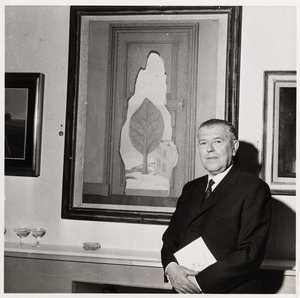
마그리트 레네
1898 - 1967 , 벨기에
작가 정보 요약
- Artistic Movement Or Style: 초현실주의
- Artists Who Influenced This Artist: ['지오르조 디 치리코']
- Date Of Birth: November 21, 1898
- Date Of Death: August 15, 1967
- Full Name: René François Ghislain Magritte
- Nationality: 벨기에인
- Notable Artworks:
- 레 오베르스
- 이미지 기교의 속임수
- 시간 정지된 것
- Place Of Birth: Lessines, Belgium
관련 기사
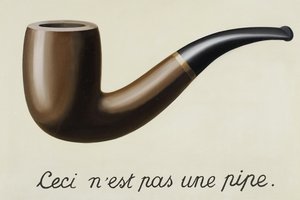
The Treachery of Images: Decoding René Magritte’s Surrealist Philosophy and the Paradox of Representation
Explore the profound mystery of René Magritte’s 'The Treachery of Images.' Dive into an expert analysis of his Surrealist philosophy, the paradox of representation, and how he challenged reality through the interplay of language and visual perception.
Surrealist Painting Masterpieces: 10 Artworks That Redefined Reality | OriginalUniqueArt
Journey into the dreamlike world of Surrealism! Explore 10 masterpieces by Dali, Magritte & Miró that redefined art. Discover their stories & find museum-quality reproductions to elevate your home decor on OriginalUniqueArt.com.
초현실주의를 정의한 10대 걸작: 꿈과 현실의 경계를 넘어서
초현실주의 미술의 정수를 담은 10대 걸작을 만나보세요! 마그리트, 달리 등 거장의 작품 비하인드 스토리와 예술적 의미를 탐구하고, 꿈결 같은 분위기를 당신의 공간에. OriginalUniqueArt.com에서 명품 아트 프린트를 찾아 지금 바로 경험하세요.
초현실주의를 정의한 10대 걸작: 예술과 인테리어의 새로운 영감 (OriginalUniqueArt)
초현실주의 미술의 정수를 담은 10대 걸작을 만나보세요. 마그리트, 달리 등 거장의 작품 비하인드 스토리와 예술적 의미를 탐구하고, OriginalUniqueArt에서 고품질 아트 프린트로 공간에 영감을 불어넣으세요! 지금 바로 OriginalUniqueArt.com에서 컬렉션을 둘러보세요.

The Treachery of Images: Decoding René Magritte’s Surrealist Vision and the Paradox of Representation
Delve into the profound mysteries of René Magritte’s Surrealism. Explore an expert analysis of 'The Treachery of Images,' decoding the philosophical paradoxes and visual subversions that redefined modern art history for collectors and connoisseurs alike.