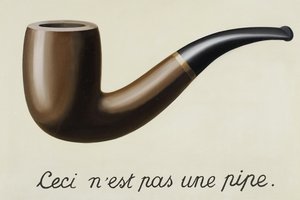
미리보기
미리보기
 공유하기
공유하기 공유하기
공유하기
 상세 정보
상세 정보 Guide
Guide

 다운로드
다운로드
 유사 작품
유사 작품 X-레이
X-레이 슬라이드 쇼
 통계 정보
통계 정보The chorus of the sphinxes

 더 보기
더 보기
지클레 / 아트 프린트
빠른 제작과 다양한 마감 옵션을 제공하는 박물관 품질의 지클레이 또는 캔버스 프린트. ( 손으로 그린 그림 구매 디지털 이미지로 전환)




P118B $10

P118H $10

P118W $10

P438Z $10

P508JH $12

P508YH $12

P805H $10

P805Z $10

P919BZ $10

P919G $10

P919XJ $10

P959ZH $10

P968JZ $12

W106C $8

W218G $10

W218JH $8

W218Y $10

W307PJ $10

W316G $10

W316PJ $8

W316Y $10

W398PJ $8

W4111J $10

W500HY $15

W500JH $15

W692G $12

W849H $8

W940BG $15

W953PJ $8




작품의 원본 비율을 유지하는 미리 설정된 크기 중에서 선택하세요.

특정 프레임이나 공간에 맞춰 직접 치수를 입력하실 수 있습니다. 선택하신 사이즈가 원본 이미지의 비율과 일치하지 않을 경우, 작품을 크롭(자르기)하거나 이미지를 대칭 또는 단색 채우기로 확장하여 제작합니다. 제작 시작 전, 최종 확인을 위해 디지털 목업이 전송됩니다.
화면상의 미리보기는 실제 크롭이나 확장 상태를 반영하지 않으므로, 최종 구도는 오직 목업을 통해서만 정확하게 확인하실 수 있습니다.
맞춤 사이즈 제작도 가능하지만, 원본 비율을 유지하기 위해서는 사전 정의된 목록에서 치수를 선택하시는 것을 권장합니다.


 유리 옵션은 110cm 미만 크기에서만 선택 가능합니다.

The chorus of the sphinxes
지클레 / 아트 프린트
복제본 크기
-


최종 결제 금액
$ 80
A Fragmented Eden: Exploring René Magritte’s “The Chorus of the Sphinxes”
René Magritte's "The Chorus of the sphinxes," painted in 1964, stands as a deceptively tranquil tableau within the broader landscape of Surrealist art. Initially appearing as a serene depiction of woodland vegetation—a scattering of tree trunks against a cerulean sky—closer observation reveals a profound disruption of natural order and invites contemplation on themes of loss, memory, and the elusive nature of perception. This artwork isn’t merely a visual representation; it's an intellectual puzzle designed to challenge our assumptions about how we experience reality.Style and Technique: Surrealist Illusionism
Magritte firmly established himself as a champion of Surrealist illusionism, prioritizing meticulous craftsmanship alongside paradoxical imagery. Unlike the overtly fantastical visions championed by artists like Salvador Dalí, Magritte’s approach is characterized by an unsettling calmness—a deceptive surface concealing layers of psychological complexity. The painting utilizes oil paint on canvas with remarkable precision, capturing subtle variations in texture and color to create a convincing illusion of depth. However, this realism serves as a counterpoint to the fractured composition, emphasizing the discrepancy between appearance and underlying truth – a hallmark of Surrealist philosophy.Historical Context: Echoes of Trauma and Philosophical Inquiry
“The Chorus of the sphinxes” emerged during Magritte’s mature period, following years of experimentation with various artistic styles. The painting reflects the anxieties of postwar Europe, grappling with questions of identity and existential uncertainty. Influenced by thinkers like Jean Baudrillard and Albert Camus, Magritte's work delves into concepts of simulacra – representations that exist without original reference – mirroring the pervasive influence of media and questioning whether we ever truly encounter ‘reality’ itself. The image of the sphinxes—ancient symbols of wisdom and mystery—further underscores this preoccupation with hidden knowledge and unspoken truths.Symbolism: Trees as Vessels of Memory
The fragmented tree trunks are arguably the painting's most potent symbolic element. They represent not just botanical forms but also vessels of memory, mirroring Magritte’s own childhood trauma – the unsettling recollection of his mother’s death. Each trunk is deliberately positioned in a manner that disrupts conventional spatial relationships, creating an atmosphere of disorientation and prompting viewers to consider how fragmented experiences contribute to our understanding of self and narrative. The scattered trunks symbolize the disintegration of wholeness and the difficulty of reconstructing past events with absolute certainty.Emotional Impact: A Quiet Disquiet
Despite its tranquil palette—dominated by blues and greens—“The Chorus of the sphinxes” evokes a palpable sense of melancholy and unease. Magritte’s masterful technique achieves this effect not through dramatic gestures but rather through subtle nuances in color and texture, fostering contemplation on themes of impermanence and the inescapable presence of loss. The painting invites viewers to confront uncomfortable questions about perception and representation, leaving them with a lingering feeling that something essential has been obscured—a quiet disquiet mirroring the profound philosophical inquiries at the heart of Magritte’s artistic vision. It's an artwork designed not for immediate gratification but for sustained engagement, rewarding those who appreciate the complexities of Surrealist art and its enduring relevance to contemporary thought.작가 약력
Early Life and the Seeds of Surrealism
René Magritte는 벨기에 레센네스에서 1898년 11월 21일에 태어났습니다. 그의 어린 시절은 충격적인 사건으로 시작되었습니다. 바로 어머니의 자살이었는데, 그는 열세 살 때였습니다. 그녀의 시체가 세브레 강에 발견되었고 그녀의 드레스가 얼굴을 가리는 모습이 눈앞에 펼쳐졌습니다. 이 초기의 트라우마는 그에게 미스터리함과 상실감 그리고 우리가 보지 못하는 힘에 대한 매혹감을 심어주었습니다. 그의 어린 시절에 대한 자세한 정보는 아직 명확하게 밝혀지지 않았지만 그는 삶 전체를 질문하는 방식으로 끊임없이 탐구하며 예술적 비전을 형성했습니다. 그는 열 살 때 그림 레슨을 시작했는데 이는 그에게 시각적 표현에 대한 타고난 기질을 드러냈습니다. 하지만 처음에는 인상주의로 탐구했지만 이후 그의 예술 경로는 서양 미술의 주요 인물 중 한 명으로 나아가기 위해 독특한 길을 택했습니다.
Artistic Development and Influences
마그리트는 예술적 여정이 즉각적이고 간단하지 않았습니다. 그는 브뤼셀 왕립 미술 아카데미에서 공부했지만 전통적인 방법은 그에게 답답함을 안겨주었습니다. 그의 초기 작품은 미래주의와 입체주의를 실험했는데 이 두 현대 미술 운동의 형식을 흡수했지만 형식적인 우려에 대한 관심이 부족했습니다. 그는 1922년 지오르지오 드 치리코의 그림 *사랑의 노래*를 만나면서 새로운 시각을 발견했습니다. 드 치리코의 꿈 같은 풍경과 혼란스러운 대립은 마그리트에게 익숙한 것이 이상하게 변하고 평범함이 깊은 미스터리로 가득 차는 세계로 이끌었습니다. 이 만남은 그가 초현실주의에 대한 약속을 깨고 그의 동료 예술가들보다 더 자유로운 방식으로 탐구하는 것을 촉발했습니다. 그는 초현실주의의 심리적 또는 자동적인 접근 방식과 같은 방법으로 무의식 탐구를 추구하지 않았습니다.
The Heart of Surrealism: Challenging Reality
1926년 마그리트는 초현실주의 원칙을 완전히 받아들였고 *로스트 조커*를 제작했는데 이 작품은 광범위하게 그의 첫 번째 진정한 초현실주의 작품으로 여겨집니다. 그러나 그의 초현실주의는 독특했습니다. 그는 미래주의와 같은 다른 예술가들의 방식과 달리 무의식 탐구에 대한 자유 연관이나 꿈 이미지 사용에 관심이 없었습니다. 대신 마그리트는 일반적인 물건을 예상치 못한 맥락에서 제시하여 관객에게 세계에 대한 가정에 대해 질문하도록 강요하는 방식으로 현실에 도전했습니다. 그는 초현실주의의 핵심은 이처럼 관객에게 새로운 시각을 제공하고 예술이 생각과 경외심을 불러일으키는 능력을 인정하는 것입니다.
Iconic Works: Paradoxes of Perception
마그리트는 초현실주의 원칙에 대한 약속을 깨고 *사랑의 노래*를 제작했는데 이 작품은 광범위하게 그의 첫 번째 진정한 초현실주의 작품으로 여겨집니다. 그는 미래주의와 같은 다른 예술가들의 방식과 달리 무의식 탐구에 대한 자유 연관이나 꿈 이미지 사용에 관심이 없었습니다. 대신 마그리트는 일반적인 물건을 예상치 못한 맥락에서 제시하여 관객에게 세계에 대한 가정에 대해 질문하도록 강요하는 방식으로 현실에 도전했습니다. 그는 초현실주의의 핵심은 이처럼 관객에게 새로운 시각을 제공하고 예술이 생각과 경외심을 불러일으키는 능력을 인정하는 것입니다.
Legacy and Recognition
마그리트는 초기 작품에서 미래주의와 입체주의를 실험했는데 이 두 현대 미술 운동의 형식을 흡수했지만 형식적인 우려에 대한 관심이 부족했습니다. 그는 초현실주의의 심리적 또는 자동적인 접근 방식과 같은 방법으로 무의식 탐구에 대한 자유 연관이나 꿈 이미지 사용에 관심이 없었습니다. 대신 마그리트는 일반적인 물건을 예상치 못한 맥락에서 제시하여 관객에게 세계에 대한 가정에 대해 질문하도록 강요하는 방식으로 현실에 도전했습니다. 그는 초현실주의의 핵심은 이처럼 관객에게 새로운 시각을 제공하고 예술이 생각과 경외심을 불러일으키는 능력을 인정하는 것입니다.
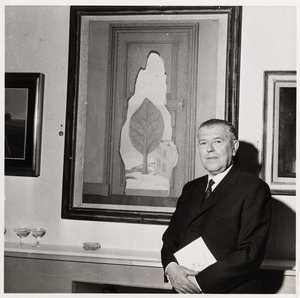
마그리트 레네
1898 - 1967 , 벨기에
주요 정보
- Artistic Movement Or Style: 초현실주의
- Artists Who Influenced This Artist: ['지오르조 디 치리코']
- Date Of Birth: November 21, 1898
- Date Of Death: August 15, 1967
- Full Name: René François Ghislain Magritte
- Nationality: 벨기에인
- Notable Artworks:
- 레 오베르스
- 이미지 기교의 속임수
- 시간 정지된 것
- Place Of Birth: Lessines, Belgium
관련 기사 더 보기

폴 세잔 명작 25선: 시대를 초월하는 예술과 공간의 미학 | OriginalUniqueArt
폴 세잔의 시대를 초월하는 명작 25점을 만나보세요. 인상주의를 넘어 후기 인상주의를 개척한 화가의 예술 세계와 정물화, 풍경화 속 숨겨진 이야기를 OriginalUniqueArt에서 감상하세요. 고품질 아트 프린트와 캔버스 액자로 공간에 예술을 더해보세요! 지금 바로 컬렉션을 탐험하세요.
The Treachery of Images: Decoding René Magritte’s Surrealist Philosophy and the Paradox of Representation
Explore the profound mystery of René Magritte’s 'The Treachery of Images.' Dive into an expert analysis of his Surrealist philosophy, the paradox of representation, and how he challenged reality through the interplay of language and visual perception.

Slate Blue Masterpieces: 10 Iconic Paintings & Timeless Home Decor Ideas
Immerse yourself in the captivating world of slate blue! Explore 10 iconic paintings by Monet, Van Gogh & Renoir. Discover their stories, techniques & find museum-quality art reproductions for your home at .

Arboreal Echoes: A Historical & Artistic Exploration of Trees in Painting
Explore the rich history of trees in painting! Discover symbolism, Romantic masterpieces by Caspar David Friedrich & beyond. A curated journey for art enthusiasts.
Serene Blue Backgrounds: Discover Soulful Art to Transform Your Space with Timeless Elegance
Transform your home with soulful blue art. From serene Monet impressions to modern textured sculptures, discover curated masterpieces designed to inspire calm. Explore expert art consultations and bespoke hand-painted reproductions to create your personal sanctuary.