

 실제 크기로 보기
 보내기
보내기 공유하기
공유하기
 상세 보기
상세 보기 가이드 보기

 이미지 다운로드
 유사 작품 더 보기
 X-레이
X-레이 슬라이드 쇼 보기
 통계 정보
통계 정보L'Aiguillon - Envy

 상세 보기
상세 보기
온라인 미리보기보다 훨씬 뛰어난 품질의 고해상도 디지털 이미지를 구매해 보세요.
각 파일은 사내 전문가가 고급 도구와 숙련된 수동 리터칭 기술을 사용하여 세심하게 준비합니다. 우리는 모든 이미지가 탁월한 선명도, 정확한 색상 재현력, 그리고 미세한 디테일까지 완벽하게 갖추도록 보장합니다.
최종 파일은 전문적인 편집 및 인쇄 환경에서 즉시 사용할 수 있도록 최적화되어 72시간 이내에 이메일로 발송됩니다. 이는 세계적인 디자인 스튜디오, 출판사 및 갤러리가 신뢰하는 것과 동일한 품질입니다.
디지털 이미지
개인 소장 및 전시, 인쇄, 창작 프로젝트를 위한 고해상도 파일을 다운로드하세요. ( 프린트 판매로 전환 수작업 채색 복제본 주문하기)
모든 디지털 이미지 주문 시 제공되는 혜택
전문적인 디지털 이미지 전송 보장
OriginalUniqueArt.com를 선택하시면 단순히 이미지를 받는 것을 넘어, 정밀한 보정 과정을 거쳐 완성된 전문적인 디지털 예술 작품을 만나보실 수 있습니다. 모든 작품에는 만족 보장 서비스가 함께 제공되며, 주문 시 다음과 같은 사항들이 자동으로 포함됩니다:

빠른 이메일 수령
주문 후 72시간 이내에 고해상도 디지털 이미지 파일이 이메일로 발송되며, 즉시 사용하실 수 있습니다.

AI 기술로 최적화된 디지털 파일
귀하의 작품은 고급 AI 기술과 정교한 수동 편집 과정을 거쳐 전문적으로 최적화되며, 이를 통해 디테일과 선명도, 색상의 정확도를 극대화합니다.

평생 무료 재전송 서비스
파일을 실수로 삭제하거나 분실하셨나요? 걱정 마세요. 언제든 무료로 다시 보내드립니다.

추가 수입 비용 없음 - 언제나
관세나 부가세, 배송비 부담 없이 작품을 즉시 소장하세요 - 디지털 다운로드는 언제나 면세 혜택이 적용됩니다.

정확한 색상 보장
전문적인 도구와 색상 관리 시스템을 통해 디지털 이미지가 원본의 색상을 최대한 정확하게 구현하도록 보장합니다.

100일 만족 보장제
구매하신 디지털 이미지에 만족하지 못하실 경우, 100일 이내에 별도의 조건 없이 수정 또는 100% 환불을 진행해 드립니다.

100% 환불 보장
만족스럽지 않으신가요? 디지털 파일을 받으신 후 100일 이내에 조건 없이 전액 환불해 드립니다.

대량 주문 할인
이미지 3매 구매 시 10% 할인 - 5매 구매 시 15% 할인 - 10매 이상 구매 시 20% 할인. 크리에이티브 프로젝트, 갤러리, 에이전시에 매우 유용합니다.
Exploring the Surreal Landscape of René Magritte’s “L’Aiguillon – Envy”
René Magritte’s “L’Aiguillon – Envy,” completed circa 1945, stands as a quintessential example of Surrealist artistry—a deceptively simple sketch that plunges viewers into a realm of psychological intrigue and unsettling beauty. More than just an image on paper; it's a carefully constructed puzzle designed to provoke contemplation about perception, desire, and the hidden anxieties lurking beneath the surface of consciousness. The artwork’s monochrome palette—primarily shades of grey—immediately establishes a mood of solemn introspection, mirroring the melancholic tone conveyed by Magritte’s masterful use of line work.A Study in Line and Form: Technique and Composition
The drawing's technique is deliberately restrained, prioritizing precision and tonal variation achieved through graphite pencil on paper. Thin, delicate lines delineate the figure—a woman viewed from behind—her hair, and the mirrored surface reflecting her gaze. These lines aren’t merely descriptive; they actively sculpt the image, creating a sense of depth and subtly hinting at underlying tensions. The organic shapes of the body and tail contribute to the sketch's fluidity, resisting rigid geometric forms typical of earlier artistic movements. Magritte eschews dramatic lighting or exaggerated perspective, opting instead for diffused illumination that enhances the artwork’s contemplative atmosphere. This understated approach underscores the artist’s commitment to conveying emotion through subtle nuances—a hallmark of Surrealist aesthetics.Symbolism Unveiled: The Tail and Mirror – Keys to Interpretation
The central element of “L’Aiguillon – Envy” is undoubtedly the tail extending from the woman's lower back, a fantastical appendage that disrupts the conventional representation of human anatomy. This symbol has been interpreted as representing repressed desires—the unconscious yearning for something unattainable—and perhaps most powerfully, envy itself. The mirror serves as another crucial visual motif, reflecting not only the woman’s physical appearance but also her inner self. Magritte famously questioned whether what we see is truly what exists, prompting viewers to consider the distortions inherent in perception and the illusion of control. The mirror symbolizes vanity, but crucially, it suggests that our reflection reveals truths hidden from conscious awareness.Historical Context: Surrealism’s Quest for Inner Reality
“L'Aiguillon – Envy” emerged during the height of Surrealist experimentation—a movement spearheaded by André Breton and fueled by psychoanalytic theories championed by Sigmund Freud. Surrealists sought to liberate creativity from rational constraints, tapping into the subconscious mind and exploring dreamlike imagery as pathways to artistic expression. Magritte’s work aligns perfectly with this ethos, rejecting representational accuracy in favor of conveying emotional resonance and challenging viewers' assumptions about reality. The artwork reflects a broader preoccupation with anxieties surrounding identity and desire—themes that resonated deeply within the intellectual landscape of post-war Europe.Emotional Resonance: A Portrait of Psychological Complexity
Ultimately, “L’Aiguillon – Envy” transcends mere visual depiction; it invites emotional engagement. Its quiet solemnity compels contemplation about hidden motivations and unspoken feelings. Magritte's masterful use of monochrome reinforces the artwork’s psychological depth, creating an image that lingers in the mind long after viewing—a testament to his enduring ability to capture the complexities of human experience within a deceptively simple framework. It is this profound exploration of inner turmoil combined with its striking visual style that secures “L’Aiguillon – Envy”'s place as one of Magritte’s most compelling and enigmatic masterpieces.질의응답
"L'Aiguillon - Envy"은(는) 마그리트 레네의 평소 작업 스타일을 잘 보여주는 작품인가요?
"L'Aiguillon - Envy"은(는) reflection, symbolism, fantasy, psychology, mirror, tail, monochrome을(를) 묘사하고 있는 반면, 마그리트 레네의 기존 주제들은 dreamlike imagery, psychological exploration, symbolic representation, magritte’s signature style, surrealist aesthetics입니다. 이 두 가지를 비교해 보면 해당 작품이 작가의 통상적인 소재와 어떻게 연관되는지 알 수 있습니다.
마그리트 레네의 "L'Aiguillon - Envy"의 느껴지는 밝기는 어느 정도인가요?
마그리트 레네의 "L'Aiguillon - Envy"의 느껴지는 밝기는 brilliant입니다. 이는 의도한 공간의 조명과 조화를 이룰 수 있습니다.
"L'Aiguillon - Envy"을(를) 정의하는 팔레트와 주된 색상은 무엇인가요?
"L'Aiguillon - Envy"은(는) White (#efebe8)이(가) 주를 이루는 Monochrome 색조로 정의됩니다.
아티스트 프로필
Early Life and the Seeds of Surrealism
René Magritte는 벨기에 레센네스에서 1898년 11월 21일에 태어났습니다. 그의 어린 시절은 충격적인 사건으로 시작되었습니다. 바로 어머니의 자살이었는데, 그는 열세 살 때였습니다. 그녀의 시체가 세브레 강에 발견되었고 그녀의 드레스가 얼굴을 가리는 모습이 눈앞에 펼쳐졌습니다. 이 초기의 트라우마는 그에게 미스터리함과 상실감 그리고 우리가 보지 못하는 힘에 대한 매혹감을 심어주었습니다. 그의 어린 시절에 대한 자세한 정보는 아직 명확하게 밝혀지지 않았지만 그는 삶 전체를 질문하는 방식으로 끊임없이 탐구하며 예술적 비전을 형성했습니다. 그는 열 살 때 그림 레슨을 시작했는데 이는 그에게 시각적 표현에 대한 타고난 기질을 드러냈습니다. 하지만 처음에는 인상주의로 탐구했지만 이후 그의 예술 경로는 서양 미술의 주요 인물 중 한 명으로 나아가기 위해 독특한 길을 택했습니다.
Artistic Development and Influences
마그리트는 예술적 여정이 즉각적이고 간단하지 않았습니다. 그는 브뤼셀 왕립 미술 아카데미에서 공부했지만 전통적인 방법은 그에게 답답함을 안겨주었습니다. 그의 초기 작품은 미래주의와 입체주의를 실험했는데 이 두 현대 미술 운동의 형식을 흡수했지만 형식적인 우려에 대한 관심이 부족했습니다. 그는 1922년 지오르지오 드 치리코의 그림 *사랑의 노래*를 만나면서 새로운 시각을 발견했습니다. 드 치리코의 꿈 같은 풍경과 혼란스러운 대립은 마그리트에게 익숙한 것이 이상하게 변하고 평범함이 깊은 미스터리로 가득 차는 세계로 이끌었습니다. 이 만남은 그가 초현실주의에 대한 약속을 깨고 그의 동료 예술가들보다 더 자유로운 방식으로 탐구하는 것을 촉발했습니다. 그는 초현실주의의 심리적 또는 자동적인 접근 방식과 같은 방법으로 무의식 탐구를 추구하지 않았습니다.
The Heart of Surrealism: Challenging Reality
1926년 마그리트는 초현실주의 원칙을 완전히 받아들였고 *로스트 조커*를 제작했는데 이 작품은 광범위하게 그의 첫 번째 진정한 초현실주의 작품으로 여겨집니다. 그러나 그의 초현실주의는 독특했습니다. 그는 미래주의와 같은 다른 예술가들의 방식과 달리 무의식 탐구에 대한 자유 연관이나 꿈 이미지 사용에 관심이 없었습니다. 대신 마그리트는 일반적인 물건을 예상치 못한 맥락에서 제시하여 관객에게 세계에 대한 가정에 대해 질문하도록 강요하는 방식으로 현실에 도전했습니다. 그는 초현실주의의 핵심은 이처럼 관객에게 새로운 시각을 제공하고 예술이 생각과 경외심을 불러일으키는 능력을 인정하는 것입니다.
Iconic Works: Paradoxes of Perception
마그리트는 초현실주의 원칙에 대한 약속을 깨고 *사랑의 노래*를 제작했는데 이 작품은 광범위하게 그의 첫 번째 진정한 초현실주의 작품으로 여겨집니다. 그는 미래주의와 같은 다른 예술가들의 방식과 달리 무의식 탐구에 대한 자유 연관이나 꿈 이미지 사용에 관심이 없었습니다. 대신 마그리트는 일반적인 물건을 예상치 못한 맥락에서 제시하여 관객에게 세계에 대한 가정에 대해 질문하도록 강요하는 방식으로 현실에 도전했습니다. 그는 초현실주의의 핵심은 이처럼 관객에게 새로운 시각을 제공하고 예술이 생각과 경외심을 불러일으키는 능력을 인정하는 것입니다.
Legacy and Recognition
마그리트는 초기 작품에서 미래주의와 입체주의를 실험했는데 이 두 현대 미술 운동의 형식을 흡수했지만 형식적인 우려에 대한 관심이 부족했습니다. 그는 초현실주의의 심리적 또는 자동적인 접근 방식과 같은 방법으로 무의식 탐구에 대한 자유 연관이나 꿈 이미지 사용에 관심이 없었습니다. 대신 마그리트는 일반적인 물건을 예상치 못한 맥락에서 제시하여 관객에게 세계에 대한 가정에 대해 질문하도록 강요하는 방식으로 현실에 도전했습니다. 그는 초현실주의의 핵심은 이처럼 관객에게 새로운 시각을 제공하고 예술이 생각과 경외심을 불러일으키는 능력을 인정하는 것입니다.
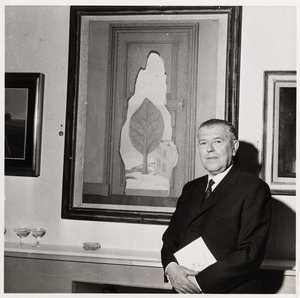
마그리트 레네
1898 - 1967 , 벨기에
핵심 정보
- Artistic Movement Or Style: 초현실주의
- Artists Who Influenced This Artist: ['지오르조 디 치리코']
- Date Of Birth: November 21, 1898
- Date Of Death: August 15, 1967
- Full Name: René François Ghislain Magritte
- Nationality: 벨기에인
- Notable Artworks:
- 레 오베르스
- 이미지 기교의 속임수
- 시간 정지된 것
- Place Of Birth: Lessines, Belgium