미리보기
미리보기
 공유하기
공유하기 공유하기
공유하기
 상세 정보
상세 정보

 다운로드
다운로드
 유사 작품
유사 작품 X-레이
X-레이 슬라이드 쇼
 통계 정보
통계 정보Blue cinema


 더 보기
더 보기
지클레 / 아트 프린트
빠른 제작과 다양한 마감 옵션을 제공하는 박물관 품질의 지클레이 또는 캔버스 프린트. ( 손으로 그린 그림 구매 디지털 이미지로 전환)




P118B $10

P118H $10

P118W $10

P438Z $10

P508JH $12

P508YH $12

P805H $10

P805Z $10

P919BZ $10

P919G $10

P919XJ $10

P959ZH $10

P968JZ $12

W106C $8

W218G $10

W218JH $8

W218Y $10

W307PJ $10

W316G $10

W316PJ $8

W316Y $10

W398PJ $8

W4111J $10

W500HY $15

W500JH $15

W692G $12

W849H $8

W940BG $15

W953PJ $8




작품의 원본 비율을 유지하는 미리 설정된 크기 중에서 선택하세요.

특정 프레임이나 공간에 맞춰 직접 치수를 입력하실 수 있습니다. 선택하신 사이즈가 원본 이미지의 비율과 일치하지 않을 경우, 작품을 크롭(자르기)하거나 이미지를 대칭 또는 단색 채우기로 확장하여 제작합니다. 제작 시작 전, 최종 확인을 위해 디지털 목업이 전송됩니다.
화면상의 미리보기는 실제 크롭이나 확장 상태를 반영하지 않으므로, 최종 구도는 오직 목업을 통해서만 정확하게 확인하실 수 있습니다.
맞춤 사이즈 제작도 가능하지만, 원본 비율을 유지하기 위해서는 사전 정의된 목록에서 치수를 선택하시는 것을 권장합니다.


 유리 옵션은 110cm 미만 크기에서만 선택 가능합니다.

Blue cinema
지클레 / 아트 프린트
복제본 크기
-


최종 결제 금액
$ 80
A Portrait of Illusion: René Magritte's "Blue Cinema"
René Magritte’s “Blue Cinema,” painted in 1925, is more than just a depiction of a woman posing before a cinema; it’s a meticulously constructed meditation on perception, identity, and the deceptive nature of reality. Executed during a pivotal moment in Magritte's artistic development – a period marked by his burgeoning interest in Surrealism while retaining a strong connection to classical painting techniques – this work exemplifies his signature style: a deliberate disruption of familiar visual conventions.
- Subject and Composition: The central figure, a woman dressed in a simple yet elegant dress, stands confidently before the “Cinema Blue,” her posture suggesting both invitation and detachment. The inclusion of two balloons – one playfully hovering above her head, the other receding into the background – adds an element of whimsical incongruity, further destabilizing any straightforward interpretation.
- Color Palette: Magritte’s masterful use of color is immediately striking. The dominant blue of the cinema's sign and curtain creates a cool, almost melancholic atmosphere, contrasting sharply with the warmer tones of the woman’s dress and the red accents within the scene. This deliberate juxtaposition amplifies the painting’s unsettling effect.
The Seeds of Surrealism: Influences and Techniques
Painted in 1925, “Blue Cinema” reflects Magritte's early explorations into Surrealist themes while firmly rooted in the traditions of Flemish realism. He was deeply influenced by artists like Jan van Eyck, known for his meticulous detail and exploration of optics, a fascination that would become central to Magritte’s own approach. The painting’s precise rendering – the smooth application of paint, the careful modeling of form – speaks to this influence. However, unlike Van Eyck's often celebratory depictions, Magritte employs these techniques to create an atmosphere of unease and ambiguity. The use of a photographic style, reminiscent of early advertising photography, adds another layer of complexity, blurring the lines between reality and representation.
- Technique: Magritte utilized a layering technique, building up thin glazes of color to achieve remarkable luminosity and depth. His brushwork is almost invisible, contributing to the painting’s smooth, polished surface – a characteristic feature of his style.
Symbolism and Emotional Resonance
"Blue Cinema" resonates with profound symbolic weight, echoing themes that would become recurring motifs in Magritte's oeuvre. The cinema itself represents a constructed reality, an illusion designed to entertain and captivate. The woman’s pose – poised yet distant – suggests a questioning of identity and the role of the observer. The obscured face of her mother, subtly alluded to through the painting’s overall mood and the recurring motif of veiled figures, is perhaps most powerfully felt here. This echoes Magritte's personal trauma and his lifelong preoccupation with hidden truths and the impossibility of truly knowing another person or their world.
- Interpretation: The painting invites viewers to consider the nature of representation itself – how images can both reflect and distort reality, and how our perceptions are shaped by cultural and psychological factors.
A Timeless Masterpiece for Your Collection
OriginalUniqueArt.com is proud to offer a meticulously crafted hand-painted reproduction of René Magritte’s “Blue Cinema.” This exceptional piece captures the essence of Magritte's genius, allowing you to bring this iconic artwork into your home or office. Perfect for collectors seeking a statement piece, or interior designers looking to infuse their spaces with a touch of Surrealist intrigue, this reproduction is an investment in art history and a testament to Magritte’s enduring legacy.
작가 약력
Early Life and the Seeds of Surrealism
René Magritte는 벨기에 레센네스에서 1898년 11월 21일에 태어났습니다. 그의 어린 시절은 충격적인 사건으로 시작되었습니다. 바로 어머니의 자살이었는데, 그는 열세 살 때였습니다. 그녀의 시체가 세브레 강에 발견되었고 그녀의 드레스가 얼굴을 가리는 모습이 눈앞에 펼쳐졌습니다. 이 초기의 트라우마는 그에게 미스터리함과 상실감 그리고 우리가 보지 못하는 힘에 대한 매혹감을 심어주었습니다. 그의 어린 시절에 대한 자세한 정보는 아직 명확하게 밝혀지지 않았지만 그는 삶 전체를 질문하는 방식으로 끊임없이 탐구하며 예술적 비전을 형성했습니다. 그는 열 살 때 그림 레슨을 시작했는데 이는 그에게 시각적 표현에 대한 타고난 기질을 드러냈습니다. 하지만 처음에는 인상주의로 탐구했지만 이후 그의 예술 경로는 서양 미술의 주요 인물 중 한 명으로 나아가기 위해 독특한 길을 택했습니다.
Artistic Development and Influences
마그리트는 예술적 여정이 즉각적이고 간단하지 않았습니다. 그는 브뤼셀 왕립 미술 아카데미에서 공부했지만 전통적인 방법은 그에게 답답함을 안겨주었습니다. 그의 초기 작품은 미래주의와 입체주의를 실험했는데 이 두 현대 미술 운동의 형식을 흡수했지만 형식적인 우려에 대한 관심이 부족했습니다. 그는 1922년 지오르지오 드 치리코의 그림 *사랑의 노래*를 만나면서 새로운 시각을 발견했습니다. 드 치리코의 꿈 같은 풍경과 혼란스러운 대립은 마그리트에게 익숙한 것이 이상하게 변하고 평범함이 깊은 미스터리로 가득 차는 세계로 이끌었습니다. 이 만남은 그가 초현실주의에 대한 약속을 깨고 그의 동료 예술가들보다 더 자유로운 방식으로 탐구하는 것을 촉발했습니다. 그는 초현실주의의 심리적 또는 자동적인 접근 방식과 같은 방법으로 무의식 탐구를 추구하지 않았습니다.
The Heart of Surrealism: Challenging Reality
1926년 마그리트는 초현실주의 원칙을 완전히 받아들였고 *로스트 조커*를 제작했는데 이 작품은 광범위하게 그의 첫 번째 진정한 초현실주의 작품으로 여겨집니다. 그러나 그의 초현실주의는 독특했습니다. 그는 미래주의와 같은 다른 예술가들의 방식과 달리 무의식 탐구에 대한 자유 연관이나 꿈 이미지 사용에 관심이 없었습니다. 대신 마그리트는 일반적인 물건을 예상치 못한 맥락에서 제시하여 관객에게 세계에 대한 가정에 대해 질문하도록 강요하는 방식으로 현실에 도전했습니다. 그는 초현실주의의 핵심은 이처럼 관객에게 새로운 시각을 제공하고 예술이 생각과 경외심을 불러일으키는 능력을 인정하는 것입니다.
Iconic Works: Paradoxes of Perception
마그리트는 초현실주의 원칙에 대한 약속을 깨고 *사랑의 노래*를 제작했는데 이 작품은 광범위하게 그의 첫 번째 진정한 초현실주의 작품으로 여겨집니다. 그는 미래주의와 같은 다른 예술가들의 방식과 달리 무의식 탐구에 대한 자유 연관이나 꿈 이미지 사용에 관심이 없었습니다. 대신 마그리트는 일반적인 물건을 예상치 못한 맥락에서 제시하여 관객에게 세계에 대한 가정에 대해 질문하도록 강요하는 방식으로 현실에 도전했습니다. 그는 초현실주의의 핵심은 이처럼 관객에게 새로운 시각을 제공하고 예술이 생각과 경외심을 불러일으키는 능력을 인정하는 것입니다.
Legacy and Recognition
마그리트는 초기 작품에서 미래주의와 입체주의를 실험했는데 이 두 현대 미술 운동의 형식을 흡수했지만 형식적인 우려에 대한 관심이 부족했습니다. 그는 초현실주의의 심리적 또는 자동적인 접근 방식과 같은 방법으로 무의식 탐구에 대한 자유 연관이나 꿈 이미지 사용에 관심이 없었습니다. 대신 마그리트는 일반적인 물건을 예상치 못한 맥락에서 제시하여 관객에게 세계에 대한 가정에 대해 질문하도록 강요하는 방식으로 현실에 도전했습니다. 그는 초현실주의의 핵심은 이처럼 관객에게 새로운 시각을 제공하고 예술이 생각과 경외심을 불러일으키는 능력을 인정하는 것입니다.
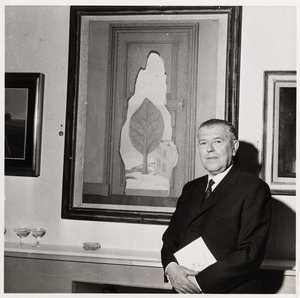
마그리트 레네
1898 - 1967 , 벨기에
주요 정보
- Artistic Movement Or Style: 초현실주의
- Artists Who Influenced This Artist: ['지오르조 디 치리코']
- Date Of Birth: November 21, 1898
- Date Of Death: August 15, 1967
- Full Name: René François Ghislain Magritte
- Nationality: 벨기에인
- Notable Artworks:
- 레 오베르스
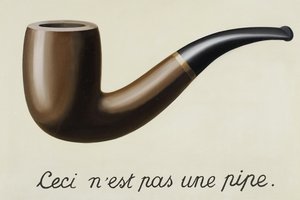
- 이미지 기교의 속임수
- 시간 정지된 것
- Place Of Birth: Lessines, Belgium
관련 기사 더 보기

OriginalUniqueArt.com F.A.Q.: Elevate Your Decor with Premium Textured Giclée Prints
Discover the distinction of OriginalUniqueArt.com premium textured Giclée prints. Expertly crafted with archival 12-color pigments and museum-grade substrates, our prints offer unparalleled vividness for the discerning collector seeking luxury, durability, and timeless elegance.