

 공유하기
공유하기 공유하기
공유하기
 상세 정보
상세 정보 Guide
Guide

 다운로드
다운로드
 유사 작품
유사 작품 슬라이드 쇼
 통계 정보
통계 정보Inkwell tray


 더 보기
더 보기
지클레 / 아트 프린트
빠른 제작과 다양한 마감 옵션을 제공하는 박물관 품질의 지클레이 또는 캔버스 프린트. ( 손으로 그린 그림 구매 디지털 이미지로 전환)




































작품의 원본 비율을 유지하는 미리 설정된 크기 중에서 선택하세요.

특정 프레임이나 공간에 맞춰 직접 치수를 입력하실 수 있습니다. 선택하신 사이즈가 원본 이미지의 비율과 일치하지 않을 경우, 작품을 크롭(자르기)하거나 이미지를 대칭 또는 단색 채우기로 확장하여 제작합니다. 제작 시작 전, 최종 확인을 위해 디지털 목업이 전송됩니다.
화면상의 미리보기는 실제 크롭이나 확장 상태를 반영하지 않으므로, 최종 구도는 오직 목업을 통해서만 정확하게 확인하실 수 있습니다.
맞춤 사이즈 제작도 가능하지만, 원본 비율을 유지하기 위해서는 사전 정의된 목록에서 치수를 선택하시는 것을 권장합니다.


 유리 옵션은 110cm 미만 크기에서만 선택 가능합니다.

Inkwell tray
지클레 / 아트 프린트
복제본 크기
-


최종 결제 금액
$ 80
A Glimpse into the Heart of Art Nouveau
René Jules Lalique’s “Inkwell Tray,” crafted in 1903, isn't merely a decorative object; it’s a meticulously rendered tableau vivant – a living picture – plucked from the dramatic heart of Greek mythology. This exquisite piece transcends its functional purpose as an inkwell holder, transforming instead into a poignant meditation on love, loss, and the inescapable consequences of desire. Lalique, a pivotal figure in the Art Nouveau movement, possessed a singular ability to infuse everyday objects with a sense of ethereal beauty and profound narrative depth. The tray embodies this philosophy perfectly, inviting contemplation long after its visual allure has faded.
The scene depicted is undeniably arresting: Nessus, the centaur, a figure traditionally associated with untamed passion and primal instinct, carries Deianira, Hercules’s wife, upon his back. This isn't a triumphant conquest; rather, it’s a moment of agonizing vulnerability, a desperate plea for rescue caught in the throes of a fatal mistake. The composition is deliberately unbalanced, mirroring the precariousness of Deianira’s situation and the impending doom that hangs heavy in the air. Lalique masterfully captures this tension through the dynamic positioning of the figures – Nessus's powerful form contrasted with Deianira’s exposed state, her face etched with a mixture of terror and resignation.
The Alchemy of Materials: Silver, Glass, and Opalescence
Lalique’s genius lay not only in his artistic vision but also in his innovative use of materials. The tray is constructed from a masterful combination of sterling silver and opaline glass, two elements that he deeply admired for their inherent qualities. The silver, meticulously sculpted into the figures of Nessus and Deianira, provides a stark, almost brutal contrast to the luminous softness of the glass. This juxtaposition immediately draws attention to the central drama unfolding within the scene.
The opaline glass, chosen for its subtle iridescence and ability to capture light, is particularly noteworthy. Lalique was fascinated by glass throughout his career, viewing it as a material capable of capturing both form and emotion. The use of opaline – a type of translucent glass with a milky appearance – lends the base of the tray an otherworldly quality, suggesting a dreamlike state or perhaps even the shimmering veil between life and death. The technique involved in creating this piece likely utilized lost-wax casting for the silver figures, ensuring their intricate detail and sculptural integrity, while the glass plate was molded to achieve its smooth, organic curves.
A Legacy of Collaboration and Artistic Vision
It’s important to acknowledge that Lalique's creative process rarely occurred in isolation. The “Inkwell Tray” is a testament to his collaborative spirit, born from partnerships with his father-in-law and brother-in-law – both accomplished sculptors who contributed their expertise to the creation of the silver figures. This collaboration speaks volumes about Lalique’s belief in shared artistic endeavors and his willingness to draw upon diverse talents to realize his ambitious visions. The inclusion of Rodin's influence is also evident, particularly in the dynamic poses and expressive faces of the sculpted figures.
The choice of opaline glass on the base plate further underscores this connection to nature and Lalique’s fascination with light. It echoes the translucent quality of water or ice, subtly referencing the myth's aquatic setting – the river Styx, where Nessus met his demise. This deliberate reference elevates the tray beyond a simple decorative object, transforming it into a symbolic representation of the tragic narrative at its core.
Echoes of Art Nouveau and Beyond
The “Inkwell Tray” stands as a quintessential example of Art Nouveau’s emphasis on organic forms, flowing lines, and emotional resonance. Lalique's work embodies the movement's fascination with nature, mythology, and the beauty of the feminine form. However, it also anticipates elements of Art Deco, particularly in its refined craftsmanship and elegant aesthetic. The piece continues to resonate today, not only for its exquisite artistry but also for its timeless exploration of universal themes – love, betrayal, and the enduring power of myth.
작가 약력
아름다움으로 빚어낸 삶: 르네 라리크의 세계
아르누보의 천상적인 아름다움과 아르데코의 매끄러운 우아함을 상징하는 이름, 르네 줄스 라리크(René Jules Lalique)는 단순한 보석 세공사나 유리 디자이너 그 이상이었습니다. 그는 혁신가이자 재료의 시인이었으며, 당대의 럭셔리를 재정의한 진정한 예술가였습니다. 1860년 4월 6일 프랑스 에(Aÿ)에서 태어난 라리크의 여정은 샴페인 지역의 완만한 구릉지 사이에서 시작되었으며, 이 풍경은 그의 예술적 감수성에 영원히 각인되었습니다. 외조부모와 함께 보낸 어린 시절의 여름은 그에게 자연에 대한 깊은 경외심을 심어주었고, 이는 훗날 그의 작품 세계에서 가장 핵심적인 주제가 되었습니다. 파리 근교로 이주하며 평화로운 유년 시절은 변화를 맞이했지만, 에(Aÿ)에 대한 기억은 여전히 강렬하게 남아 그의 후기 유리 공예에 자연주의적 생명력과 유기적인 우아함을 불어넣었습니다. 아버지의 갑작스러운 죽음은 어린 르네를 금세공사 루이 오코(Louis Aucoc)의 도제로 이끌었고, 이는 결국 보석과 유리 예술 모두에 혁명을 일으킬 길로 그를 인도했습니다. 그는 파리 장식미술학교(École des Arts Dénetic)에서 기량을 연마하고 런던의 크리스털 팔레스 미술학교에서 수학하며, 자신만의 독특한 미적 비전을 형성하는 다양한 영향력을 흡수했습니다.보석에서 유리로: 혁명적인 미학
라리크의 초기 경력은 1880년대 까르띠에(Cartier)와 부쉐론(Boucheron) 같은 프랑스의 저명한 보석 하우스에서 프리랜서 디자이너로 활동하며 꽃을 피웠습니다. 그러나 라리크가 진정으로 자신만의 독창적인 스타일을 구축하기 시작한 것은 1890년 파리 오페라 지구에 자신의 부티크를 열면서부터였습니다. 그는 당시 유행하던 화려하고 사치스러운 미학을 거부하고, 대신 더욱 유기적이고 상상력 넘치는 접근 방식을 취함으로써 빠르게 이름을 알렸습니다. 그는 단순히 귀중한 보석을 과시하는 데 관심이 없었습니다. 대신 뿔, 상아, 에나멜, 그리고 결정적으로 유리와 같이 부차적인 것으로 여겨지던 재료들을 다이아몬드나 루비와 대등한 지위로 격상시키고자 했습니다. 이는 가히 혁명적이었습니다. 그의 보석은 생동감이 넘치는 작은 조각품이 되었습니다. 플리카주르(plique-au-jour) 에나멜로 제작된 무지갯빛 날개를 가진 잠자리, 섬세한 금 세공으로 표현된 난초, 화려한 보석으로 깃털을 뽐내는 공작새 등이 그 예입니다. 이것들은 단순한 장신구가 아니라, 이전에는 보기 드문 움직임과 자연주의적 감각이 깃든 '입을 수 있는 예술 작품'이었습니다. 그의 디자인은 유려한 곡선과 유기적 형태, 그리고 여성미에 대한 찬사를 담아 아르누보 정신과 깊게 공명했습니다. 그는 당대의 유명 배우 사라 베르나르(Sarah Bernhardt)를 포함한 열성적인 고객층을 빠르게 확보했으며, 그녀는 자신의 극적인 페르소나를 반영한 수많은 작품을 의뢰하기도 했습니다.유리의 매혹: 새로운 예술적 지평
라리크의 보석이 그의 명성을 세웠다면, 그의 유산에 굳건한 토대를 마련한 것은 바로 유리에 대한 탐구였습니다. 1907년 조향사 프랑수아 코티(François Coty)와의 협업은 결정적인 전환점이 되었습니다. 코티는 향수의 프레젠테이션을 단순한 기능성을 넘어 예술적 경지로 끌어올릴 잠재력을 알아보고 라리크에게 향수병 디자인을 의뢰했습니다. 이 파트너십은 라리크가 유리 공예에 더욱 전념하게 되는 계기가 되었습니다. 1921년 그는 베레리 다르살스(Verrerie d'Alsace)를 인수하여, 예술적 통제력을 유지하면서도 대량 생산 기술을 실험할 수 있는 기반을 마련했습니다. 이는 저렴한 모조품을 만들기 위함이 아니라, 아름다움을 누구나 향유할 수 있게 만들기 위한 시도였습니다. 아르데코 시대에 이르러 라리크의 유리 공예는 정교함의 새로운 정점에 도달했습니다. 그는 아르누보의 유려한 곡선에서 벗어나 시대의 현대적 정신을 반영하는 더욱 기하학적이고 간결한 디자인으로 나아갔습니다. 꽃병, 그릇, 샹들리에, 심지어 자동차 보닛 장식에 이르기까지, 각 작품에는 로스트 왁스 주조(cire perdue)와 프로스트 유리 마감 같은 혁신적인 기술과 정교한 장인 정신이 깃들어 있었습니다. 그의 작품은 사치와 우아함의 대명사가 되었으며, 140점이 넘는 라리락 컬렉션을 구축한 칼루스트 사르키스 구르벤키안(Calouste Sarkis Gulbenkian)을 비롯해 전 세계 안목 있는 수집가들의 저택을 장식했습니다.영원한 유산: 가족, 영향력, 그리고 기억
르네 라리크의 영향력은 그의 창작물을 훨씬 넘어 확장됩니다. 그는 보석과 유리 분야를 변화시켰을 뿐만 아니라, 수세대에 걸친 예술가와 디자이너들에게 영감을 주었습니다. 그의 딸 수잔 라리크(Suzanne Lalique)는 화가이자 코메디 프랑세즈의 무대 디자이너로서 가문의 예술적 전통을 이어갔습니다. 손녀 마리 클로드 라리크(Marie Claude-Lalique) 또한 2003년 세상을 떠날 때까지 유리 공예의 유산을 계승했습니다. 오늘 오늘날 메종 라리크(Maison Lalique)는 창립자가 세운 품질과 예술성의 기준을 지키며 여전히 번영하고 있습니다. 르네 라리크는 1945년 5월 1일 또는 5일 파리에서 생을 마감하였으며, 아름다움과 불멸의 정신을 동시에 구현한 예술가에게 걸맞은 페르 라셰(Père Lachaise) 묘지에 안치되었습니다. 그의 작품들은 오르세 미술관을 포함하여 전 세계 유수의 박물관에서 발견되며, 미술사에 남긴 그의 깊은 발자취를 증명하고 있습니다. 르네 라리크는 단순히 물건을 만든 것이 아니었습니다. 그는 꿈을 빚어냈고, 자연의 덧없는 아름다움을 포착했으며, 20세기의 미적 풍경에 지워지지 않을 흔적을 남겼습니다. 그의 작업은 진정한 예술성이란 평범한 재료를 인간 창의성의 비범한 표현으로 변모시키는 능력에 있다는 사실을 우리에게 강력하게 상기시켜 줍니다.
르네 줄 라리크
1860 - 1945 , 프랑스
주요 정보
- Artistic Movement Or Style: 아르누보, 아르데코
- Date Of Birth: 1860년 4월 6일
- Date Of Death: 1945년 5월 1일 또는 5일
- Full Name: 르네 쥘 라리크
- Nationality: 프랑스
- Notable Artworks:
- 세인트 알버트 화병
- 체인이 달린 펜던트
- '여성의 얼굴' 펜던트
- Place Of Birth: 프랑스, 에
관련 기사 더 보기

Bronze Age to Modern Masters: 10 Sculptures That Redefined Art | OriginalUniqueArt
Journey through art history with 10 legendary bronze sculptures – from Michelangelo's David to Rodin’s Thinker. Explore the stories, techniques & timeless beauty of these masterpieces. Find museum-quality reproductions & elevate your home decor on OriginalUniqueArt.com.

Bronze Sculptures That Defined Art History | OriginalUniqueArt
Journey through art history with our Top 10 bronze sculptures! Explore masterpieces by Rodin, Michelangelo & more. Discover stories behind iconic statues and find museum-quality reproductions for your home decor at OriginalUniqueArt.com.

The Enduring Form: Exploring Themes & Techniques in Sculpture Across Historical Periods
Explore the rich history of sculpture from ancient masterpieces to contemporary innovations. Discover key techniques, influential artists & investment potential for discerning art collectors.

The Enduring Form: Sculpture Across History, Technique & Emotional Resonance
Explore the rich history of sculpture with OriginalUniqueArt. Discover key techniques, influential artists & investment potential for discerning collectors. Expert insights into valuing and collecting timeless masterpieces.
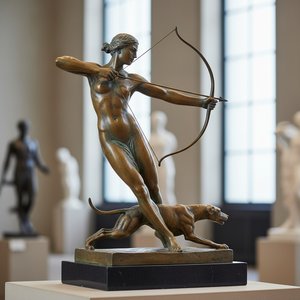
Paul Manship: Reassessing the Master of American Art Deco Sculpture
Explore the captivating world of Paul Manship, a leading figure in American Art Deco sculpture. Discover his iconic works like Prometheus, influence on modernism, and investment potential. Expert insights for collectors.
