

 실제 크기로 보기
 보내기
보내기 공유하기
공유하기
 상세 보기
상세 보기 가이드 보기

 이미지 다운로드
 유사 작품 더 보기
 X-레이
X-레이 슬라이드 쇼 보기
 통계 정보
통계 정보Two Travelling Peasants


 상세 보기
상세 보기
지클레 / 아트 프린트
빠른 제작과 다양한 마감 옵션을 선택할 수 있는 박물관 수준의 지클레이 및 캔버스 프린트. ( 수작업 채색 복제본 주문하기 디지털 이미지 판매 채널로 전환)




P118B $10

P118H $10

P118W $10

P438Z $10

P508JH $12

P508YH $12

P805H $10

P805Z $10

P919BZ $10

P919G $10

P919XJ $10

P959ZH $10

P968JZ $12

W106C $8

W218G $10

W218JH $8

W218Y $10

W307PJ $10

W316G $10

W316PJ $8

W316Y $10

W398PJ $8

W4111J $10

W500HY $15

W500JH $15

W692G $12

W849H $8

W940BG $15

W953PJ $8




작품의 원본 비율을 그대로 유지하는 프리셋 사이즈 중에서 선택해 보세요.

특정 프레임이나 공간에 맞춰 직접 치수를 입력하실 수 있습니다. 선택하신 사이즈가 원본 이미지의 비율과 일치하지 않을 경우, 작품을 크롭(자르기)하거나 이미지를 대칭 또는 단색 채우기로 확장하여 제작합니다. 제작 시작 전, 최종 확인을 위해 디지털 목업이 전송됩니다.
화면상의 미리보기는 실제 크롭이나 확장 상태를 반영하지 않으므로, 최종 구도는 오직 목업을 통해서만 정확하게 확인하실 수 있습니다.
맞춤 사이즈 제작도 가능하지만, 원본 비율을 유지하기 위해서는 사전 정의된 목록에서 치수를 선택하시는 것을 권장합니다.


 유리 옵션은 110cm 미만 크기에서만 선택 가능합니다.

Two Travelling Peasants
지클레 / 아트 프린트
복제본 규격
-


총 결제 금액
$ 80
A Moment of Passage: Rembrandt’s ‘Two Travelling Peasants’
Rembrandt van Rijn's “Two Travelling Peasants,” a captivating watercolor sketch rendered in the evocative monochrome palette characteristic of his later years, offers a poignant glimpse into the everyday lives of 17th-century Dutch society. More than just a depiction of two figures on a journey, this work embodies Rembrandt’s signature ability to distill essence and emotion through masterful observation and a deeply personal artistic voice. The sketch, likely created around the mid-1650s, speaks volumes about resilience, labor, and the quiet dignity found in simple existence – themes that resonate powerfully even today.
The composition itself is deceptively straightforward. Two peasants, their faces etched with the marks of a life lived outdoors, move purposefully towards the right, their bodies slightly off-center to create a dynamic sense of movement. A smaller figure, perhaps a child or companion, appears in the background, providing depth and hinting at a shared experience. Rembrandt eschews precise detail, instead relying on a network of delicate lines – hatching and cross-hatching – to define form and suggest texture. The clothing is rendered with quick, expressive strokes, conveying both its practicality and the weariness of travel. Notice how the varying density of washes creates an illusion of fabric, adding tactile richness to the image without resorting to meticulous rendering.
The Language of Light and Shadow: Rembrandt’s Technique
Rembrandt's approach to watercolor is particularly striking in this piece. He deliberately avoids strong highlights or dramatic shadows, opting for a diffused, almost atmospheric light that permeates the scene. This technique aligns perfectly with his broader artistic philosophy – he wasn’t interested in creating photographic realism but rather capturing the *feeling* of a moment. The loose application of paint, reminiscent of a quick charcoal sketch, contributes to the work's immediacy and sense of spontaneity. It’s as if Rembrandt is simply trying to capture the essence of these travelers before it vanishes.
The use of line is paramount. Rather than outlining forms with sharp, defined edges, Rembrandt employs a network of interconnected lines that create depth and suggest volume. This technique, deeply rooted in his earlier training under Pieter Lastman, allows for a greater sense of movement and dynamism within the composition. The sketch’s overall feel is one of immediacy and observation – a fleeting impression captured on paper.
Symbolism and Context: A Portrait of Dutch Life
Beyond its aesthetic qualities, “Two Travelling Peasants” offers valuable insights into the social and cultural context of Rembrandt's time. The figures’ humble attire and weary expressions reflect the realities of peasant life in the Netherlands – a life characterized by hard work, limited resources, and constant travel. The walking sticks they carry could be interpreted as symbols of support, guidance, or perhaps simply the tools necessary for navigating the arduous journey ahead. Rembrandt frequently depicted scenes from everyday life, often focusing on marginalized figures within society, elevating their stories to a level of artistic significance.
Interestingly, this sketch shares thematic similarities with Rembrandt’s “Philemon and Baucis,” another work depicting an elderly couple offering hospitality to divine visitors. While the narrative differs significantly, both pieces explore themes of generosity, compassion, and the quiet dignity found in simple acts of kindness – values deeply ingrained in Dutch culture during the Golden Age. The sketch's understated beauty and profound emotional resonance are a testament to Rembrandt’s enduring legacy as one of art history’s greatest masters.
Bringing ‘Two Travelling Peasants’ Home
OriginalUniqueArt offers meticulously crafted, hand-painted reproductions of “Two Travelling Peasants,” allowing you to experience the artistry and emotion of this iconic work in stunning detail. Our skilled artists replicate Rembrandt's unique technique with exceptional accuracy, capturing the subtle nuances of light, shadow, and texture that define his style. Whether for your home, office, or collection, a OriginalUniqueArt reproduction provides an authentic connection to one of art history’s most celebrated figures. Explore our selection today and bring this poignant portrait of Dutch life into your space.
작가 소개
렘브란트 판 레인: 빛과 그림자의 거장
렘브란트 판 레인(Rembrandt van Rijn, 1606-1669)은 네덜란드 황금시대의 가장 위대한 화가 중 한 명으로, 빛과 그림자를 다루는 독보적인 기법과 인간 내면을 깊이 있게 탐구하는 능력으로 전 세계 미술사에 영원히 이름을 남겼습니다. 1606년 네덜란드의 라이덴에서 태어난 그는 밀러의 아들로, 비교적 풍족한 환경에서 자라면서 고전 교육을 받으며 예술적 재능을 키워나갔습니다. 젊은 시절 야코프 판 스바넨부르흐와 피터 러스만의 지도를 받았고, 특히 러스만에게서 얻은 극적인 빛과 그림자의 사용법은 그의 작품 세계에 깊은 영향을 미쳤습니다. 라이덴에서 명성을 쌓던 그는 1631년 암스테르담으로 이주하여 초상화가로서 큰 성공을 거두며 빠르게 부를 축적했습니다.암스테르담의 빛과 그림자: 예술적 성숙
암스테르담에서의 삶은 렘브란트에게 새로운 전환점이 되었습니다. 그는 뛰어난 재능을 인정받아 귀족과 상인들의 초상화 의뢰가 끊이지 않았고, 부유한 상인의 딸 사스키아 판 위렌부르흐와 결혼하면서 사회적 지위도 더욱 높아졌습니다. 그러나 행복했던 시절은 오래가지 못했습니다. 사스키아의 갑작스러운 죽음 이후 렘브란트는 개인적인 비극과 재정적인 어려움에 직면하게 됩니다. 그럼에도 불구하고 그는 예술가로서 끊임없이 발전하며, 이전과는 다른 깊이 있는 표현 방식을 모색했습니다. 그의 작품에는 더 이상 단순한 외형적 묘사가 아닌, 인물의 내면세계와 감정을 드러내는 섬세하고 풍부한 표현이 담겨 있습니다. 특히 빛과 그림자의 대비를 극대화하여 인물들의 표정과 분위기를 더욱 강조하는 기법은 그의 독창적인 스타일을 완성했습니다. 해부학 강의(1632), 벨사살의 잔치(1635)와 같은 작품들은 이러한 그의 예술적 성숙을 보여주는 대표적인 예입니다.밤의 경비대: 혁신과 논쟁
렘브란트의 가장 유명한 작품 중 하나인 밤의 경비대(1642)는 기존의 단체 초상화 형식을 완전히 파괴하고 새로운 가능성을 제시했습니다. 이 작품은 단순히 인물들의 모습을 기록하는 것이 아니라, 긴장감 넘치는 순간을 포착하여 마치 살아 움직이는 듯한 생동감을 선사합니다. 그러나 당시의 관습과는 다른 그의 혁신적인 표현 방식은 일부 의뢰인들에게 비판을 받기도 했습니다. 그럼에도 불구하고 밤의 경비대는 렘브란트의 예술적 역량을 보여주는 기념비적인 작품으로 평가받고 있으며, 오늘날까지도 수많은 사람들에게 영감을 주고 있습니다.예술과 삶의 여정: 후기 작품과 유산
후기에는 재정적인 어려움과 개인적인 고난 속에서도 렘브란트는 예술가로서 끊임없이 노력했습니다. 그의 후기 작품들은 이전보다 더욱 단순화된 구도와 차분한 색채를 특징으로 하며, 인간의 삶과 죽음, 믿음과 희망에 대한 깊은 성찰을 담고 있습니다. 특히 돌아온 탕자(1669)는 그의 마지막 작품 중 하나로 평가받으며, 인간적인 연민과 용서의 메시지를 전달합니다. 렘브란트는 1669년 암스테르담에서 세상을 떠났지만, 그의 예술은 시대를 초월하여 전 세계 사람들에게 감동을 선사하고 있습니다. 그는 빛과 그림자를 통해 인간 내면의 깊이를 탐구하고, 삶의 희로애락을 진솔하게 표현하며 미술사에 길이 남을 불멸의 업적을 남겼습니다. 그의 작품들은 오늘날에도 수많은 예술가들에게 영감을 주고 있으며, 렘브란트는 서양 미술사에서 가장 중요한 인물 중 한 명으로 기억되고 있습니다.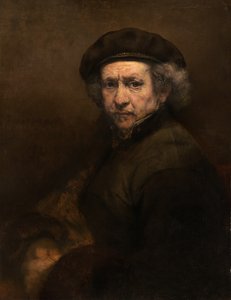
렘브란트
1606 - 1669 , 네덜란드
작가 정보 요약
- 국적: 네덜란드
- 대표 작품:
- 해부학 강의
- 밤의 경비대
- 돌아온 방랑자
- 사망일: 1669년 10월 4일
- 영향을 받은 예술 사조: ['네덜란드 황금 시대']
- 영향을 준 예술가:
- 피터 라스트만
- 티치아노
- 카라바조
- 예술 사조: 바로크 미술
- 전체 이름: 렘브란트 판 레인
- 출생일: 1606년 7월 15일
- 출생지: 라이덴, 네덜란드
관련 기사

Watercolor Wonders: 10 Masterpieces That Redefined Art History | OriginalUniqueArt
Journey through 10 legendary watercolor masterpieces by Sargent, Turner & Homer! Explore iconic landscapes, portraits & floral art that redefined history. Find museum-quality reproductions and curated decor ideas at OriginalUniqueArt.com.

Ephemeral Visions: Exploring the Artistic Legacy & Contemporary Practice of Watercolor Painting
Explore the captivating world of watercolor painting! Discover its rich history, essential techniques, influential artists & collecting tips. A comprehensive guide for art enthusiasts from OriginalUniqueArt.

렘브란트 반 레인 명작 25선: 빛과 그림자의 거장, 예술의 정수를 만나다
렘브란트 반 레인 명작 25선을 만나보세요. 빛과 그림자의 거장이 그린 역사화, 초상화 속 예술의 정수를 감상하고, 네덜란드 황금시대 바로크 미술의 깊이를 느껴보세요. OriginalUniqueArt.com에서 고품질 복제화를 컬렉션하세요.

Ephemeral Visions: Exploring the History & Emotional Resonance of Watercolor Painting
Explore the captivating history of watercolor painting, from ancient techniques to modern masters like Kandinsky & Blake. Discover essential artists, collecting tips & the emotional power of this luminous medium. Expert insights for art enthusiasts.

Dutch Baroque Masters: 10 Paintings That Shaped an Era | OriginalUniqueArt
Journey through the Golden Age with our guide to the Top 10 Dutch Baroque masterpieces! Explore iconic paintings by Rembrandt, Vermeer & Frans Hals. Find museum-quality art reproductions and elevate your home decor at OriginalUniqueArt.com.


