

 미리보기
미리보기
 공유하기
공유하기 공유하기
공유하기
 상세 정보
상세 정보

 다운로드
다운로드
 유사 작품
유사 작품 X-레이
X-레이 슬라이드 쇼
Six's Bridge

 더 보기
더 보기
온라인 미리보기보다 훨씬 뛰어난 품질의 고해상도 디지털 이미지를 구매해 보세요.
각 파일은 사내 전문가가 고급 도구와 숙련된 수동 리터칭 기술을 사용하여 세심하게 준비합니다. 우리는 모든 이미지가 탁월한 선명도, 정확한 색상 재현력, 그리고 미세한 디테일까지 완벽하게 갖추도록 보장합니다.
최종 파일은 전문적인 편집 및 인쇄 환경에서 즉시 사용할 수 있도록 최적화되어 72시간 이내에 이메일로 발송됩니다. 이는 세계적인 디자인 스튜디오, 출판사 및 갤러리가 신뢰하는 것과 동일한 품질입니다.
디지털 이미지
개인 소장 및 전시, 인쇄, 창작 프로젝트를 위한 고해상도 파일을 다운로드하세요. ( 프린트 구매 손으로 그린 그림 구매)
모든 디지털 이미지 주문에 포함된 혜택
전문적인 디지털 이미지 전송 보장
OriginalUniqueArt.com를 선택하시면 단순히 이미지를 받는 것을 넘어, 정밀한 보정 과정을 거친 전문적인 디지털 예술 작품을 만나보실 수 있습니다. 모든 작품에는 만족 보장 서비스가 함께 제공되며, 주문 시 다음과 같은 사항들이 자동으로 포함됩니다:

빠른 이메일 전송
주문 후 72시간 이내에 고해상도 디지털 이미지 파일이 이메일로 발송되며, 즉시 사용하실 수 있습니다.

AI 기술로 향상된 디지털 파일
귀하의 작품은 고급 AI 도구와 수동 편집 과정을 거쳐 전문적으로 최적화되며, 이를 통해 디테일과 선명도, 색상의 정확도를 극대화합니다.

평생 무료 재전송 서비스
파일을 실수로 삭제하거나 분실하셨나요? 걱정 마세요. 언제든 무료로 다시 보내드립니다.

추가 수입 비용 없음 - 언제나
관세나 부가세, 배송비 부담 없이 작품을 즉시 감상하세요 - 디지털 다운로드는 언제나 면세 혜택이 적용됩니다.

정확한 색상 보장
전문적인 도구와 색상 관리 시스템을 통해 디지털 이미지가 원본의 색상을 최대한 정확하게 구현하도록 보장합니다.

60일 만족 보장제
구매하신 디지털 이미지에 만족하지 못하실 경우, 60일 이내에 수정 또는 100% 환불을 진행해 드립니다 - 어떠한 문의도 필요 없습니다.

100% 환불 보장
만족하지 못하셨나요? 디지털 파일을 수령하신 후 60일 이내라면 별도의 이유를 밝힐 필요 없이 전액 환불해 드립니다.

대량 주문 할인
이미지 3매 구매 시 10% 할인 - 5매 구매 시 15% 할인 - 10매 이상 구매 시 20% 할인. 크리에이티브 프로젝트, 갤러리, 에이전시에 매우 유용합니다.
Six's Bridge by Rembrandt van Rijn: A Study in Light and Atmosphere
Rembrandt Harmenszoon van Rijn’s ‘Six’s Bridge,’ etched in 1653, stands as a testament to the artist’s unparalleled ability to capture not just visual likeness but also the very essence of human experience. More than simply depicting a picturesque Dutch landscape—a bridge spanning the Nieuwe Maas river connecting Leiden and Rotterdam—the etching delves into themes of solitude, contemplation, and the subtle interplay between darkness and illumination that define Rembrandt's signature style. It’s a piece that continues to resonate with viewers centuries later, offering a glimpse into the artistic sensibilities of its time and demonstrating the enduring power of masterful printmaking.Composition and Perspective: Framing Emotion
The horizontal orientation of ‘Six’s Bridge’ immediately establishes a sense of calm expansiveness, mirroring the tranquil waters of the Maas. However, Rembrandt doesn't present this serenity passively; he orchestrates it with careful compositional choices. The bridge itself occupies a slightly off-center position, subtly directing the viewer’s gaze across the scene and fostering a feeling of movement despite the stillness of the landscape. Trees flank the left side, acting as grounding elements while simultaneously creating visual contrast against the expansive sky and water. A solitary sailboat drifts along the horizon line, adding verticality and hinting at human presence within this vastness—a deliberate inclusion that underscores the theme of introspection. The subtle use of linear perspective contributes to the illusion of depth, guiding our eyes towards distant hills bathed in diffused light.Technique and Material: Mastering Light Through Line
Rembrandt’s etching technique is arguably his most celebrated achievement. He meticulously drew onto a copper plate using acid-resistant stylus, creating incredibly detailed lines that would later be transferred to paper through the process of biting—applying corrosive acid to the exposed areas of the plate. This painstaking method allowed Rembrandt to achieve astonishing tonal variations without resorting to color, relying solely on hatching and crosshatching – intersecting lines of varying thickness – to sculpt shading and texture onto the surface. The density of the lines delineates the bridge structure and prominent trees with bold strokes, while finer lines depict grasses and water surfaces with delicate precision. This masterful control over line is what imbues ‘Six’s Bridge’ with its characteristic luminescence—the illusion of light emanating from within the etched lines themselves.Historical Context: Rembrandt's Leiden Years
Created during Rembrandt’s formative years in Leiden, ‘Six’s Bridge’ reflects the artistic spirit of the Dutch Golden Age – a period marked by intellectual curiosity, humanist ideals, and an obsession with capturing the beauty of the natural world. Rembrandt was deeply influenced by Caravaggio’s dramatic chiaroscuro technique—the bold contrast between light and dark—and he skillfully employed similar principles to convey emotion and atmosphere. The etching served as part of a larger series exploring themes of rural life and human connection, demonstrating Rembrandt's commitment to portraying realistic scenes with psychological depth. It exemplifies the artist's desire to elevate everyday subjects into meditations on profound philosophical ideas.Symbolism: Solitude and Reflection
Beyond its technical brilliance, ‘Six’s Bridge’ carries symbolic weight. The solitary sailboat represents a journey of contemplation—a yearning for escape from worldly concerns and an embrace of inner peace. Similarly, the bridge itself symbolizes transition and connection – bridging the gap between two worlds, or perhaps representing the passage of time. Rembrandt's masterful rendering of light captures not only visual beauty but also conveys a sense of spiritual illumination, suggesting that even in moments of quiet solitude, there is room for profound insight and artistic expression. The etching invites viewers to contemplate these themes alongside its stunning depiction of Dutch landscape at the height of artistic achievement.작가 소개
렘브란트 판 레인: 빛과 그림자의 거장
렘브란트 판 레인(Rembrandt van Rijn, 1606-1669)은 네덜란드 황금시대의 가장 위대한 화가 중 한 명으로, 빛과 그림자를 다루는 독보적인 기법과 인간 내면을 깊이 있게 탐구하는 능력으로 전 세계 미술사에 영원히 이름을 남겼습니다. 1606년 네덜란드의 라이덴에서 태어난 그는 밀러의 아들로, 비교적 풍족한 환경에서 자라면서 고전 교육을 받으며 예술적 재능을 키워나갔습니다. 젊은 시절 야코프 판 스바넨부르흐와 피터 러스만의 지도를 받았고, 특히 러스만에게서 얻은 극적인 빛과 그림자의 사용법은 그의 작품 세계에 깊은 영향을 미쳤습니다. 라이덴에서 명성을 쌓던 그는 1631년 암스테르담으로 이주하여 초상화가로서 큰 성공을 거두며 빠르게 부를 축적했습니다.암스테르담의 빛과 그림자: 예술적 성숙
암스테르담에서의 삶은 렘브란트에게 새로운 전환점이 되었습니다. 그는 뛰어난 재능을 인정받아 귀족과 상인들의 초상화 의뢰가 끊이지 않았고, 부유한 상인의 딸 사스키아 판 위렌부르흐와 결혼하면서 사회적 지위도 더욱 높아졌습니다. 그러나 행복했던 시절은 오래가지 못했습니다. 사스키아의 갑작스러운 죽음 이후 렘브란트는 개인적인 비극과 재정적인 어려움에 직면하게 됩니다. 그럼에도 불구하고 그는 예술가로서 끊임없이 발전하며, 이전과는 다른 깊이 있는 표현 방식을 모색했습니다. 그의 작품에는 더 이상 단순한 외형적 묘사가 아닌, 인물의 내면세계와 감정을 드러내는 섬세하고 풍부한 표현이 담겨 있습니다. 특히 빛과 그림자의 대비를 극대화하여 인물들의 표정과 분위기를 더욱 강조하는 기법은 그의 독창적인 스타일을 완성했습니다. 해부학 강의(1632), 벨사살의 잔치(1635)와 같은 작품들은 이러한 그의 예술적 성숙을 보여주는 대표적인 예입니다.밤의 경비대: 혁신과 논쟁
렘브란트의 가장 유명한 작품 중 하나인 밤의 경비대(1642)는 기존의 단체 초상화 형식을 완전히 파괴하고 새로운 가능성을 제시했습니다. 이 작품은 단순히 인물들의 모습을 기록하는 것이 아니라, 긴장감 넘치는 순간을 포착하여 마치 살아 움직이는 듯한 생동감을 선사합니다. 그러나 당시의 관습과는 다른 그의 혁신적인 표현 방식은 일부 의뢰인들에게 비판을 받기도 했습니다. 그럼에도 불구하고 밤의 경비대는 렘브란트의 예술적 역량을 보여주는 기념비적인 작품으로 평가받고 있으며, 오늘날까지도 수많은 사람들에게 영감을 주고 있습니다.예술과 삶의 여정: 후기 작품과 유산
후기에는 재정적인 어려움과 개인적인 고난 속에서도 렘브란트는 예술가로서 끊임없이 노력했습니다. 그의 후기 작품들은 이전보다 더욱 단순화된 구도와 차분한 색채를 특징으로 하며, 인간의 삶과 죽음, 믿음과 희망에 대한 깊은 성찰을 담고 있습니다. 특히 돌아온 탕자(1669)는 그의 마지막 작품 중 하나로 평가받으며, 인간적인 연민과 용서의 메시지를 전달합니다. 렘브란트는 1669년 암스테르담에서 세상을 떠났지만, 그의 예술은 시대를 초월하여 전 세계 사람들에게 감동을 선사하고 있습니다. 그는 빛과 그림자를 통해 인간 내면의 깊이를 탐구하고, 삶의 희로애락을 진솔하게 표현하며 미술사에 길이 남을 불멸의 업적을 남겼습니다. 그의 작품들은 오늘날에도 수많은 예술가들에게 영감을 주고 있으며, 렘브란트는 서양 미술사에서 가장 중요한 인물 중 한 명으로 기억되고 있습니다.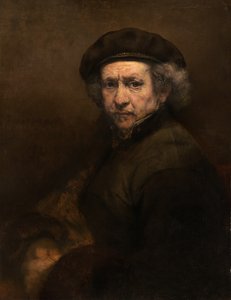
렘브란트
1606 - 1669 , 네덜란드
주요 정보
- 국적: 네덜란드
- 대표 작품:
- 해부학 강의
- 밤의 경비대
- 돌아온 방랑자
- 사망일: 1669년 10월 4일
- 영향을 받은 예술 사조: ['네덜란드 황금 시대']
- 영향을 준 예술가:
- 피터 라스트만
- 티치아노
- 카라바조
- 예술 사조: 바로크 미술
- 전체 이름: 렘브란트 판 레인
- 출생일: 1606년 7월 15일
- 출생지: 라이덴, 네덜란드

