
 미리보기
미리보기
 공유하기
공유하기 공유하기
공유하기
 상세 정보
상세 정보 가이드 보기

 다운로드
다운로드
 유사 작품 더 보기
 X-레이
X-레이 슬라이드 쇼 보기
 질의응답
질의응답 통계 정보
통계 정보플로라

- 125.0 x 101.0 cm


 더 보기
더 보기
지클레 / 아트 프린트
빠른 제작과 다양한 마감 옵션을 제공하는 박물관 수준의 지클레이 및 캔버스 프린트. ( 수작업 채색 복제본 주문하기 디지털 이미지로 전환)




P118B ₩10

P118H ₩10

P118W ₩10

P438Z ₩10

P508JH ₩12

P508YH ₩12

P805H ₩10

P805Z ₩10

P919BZ ₩10

P919G ₩10

P919XJ ₩10

P959ZH ₩10

P968JZ ₩12

W106C ₩8

W218G ₩10

W218JH ₩8

W218Y ₩10

W307PJ ₩10

W316G ₩10

W316PJ ₩8

W316Y ₩10

W398PJ ₩8

W4111J ₩10

W500HY ₩15

W500JH ₩15

W692G ₩12

W849H ₩8

W940BG ₩15

W953PJ ₩8




작품의 원본 비율을 그대로 유지하는 프리셋 사이즈 중에서 선택해 보세요.

액자나 벽면 크기에 맞춰 필요한 가로와 세로 길이를 입력해 주세요. 프린트는 원본 이미지보다 크게 제작할 수 없으며 오직 자르는 것만 가능하므로, 비율이 다른 사이즈를 선택할 경우 이미지의 일부가 잘려 나갈 수 있습니다. 인쇄 작업에 들어가기 전, 최종 확인을 위해 디지털 목업을 보내드립니다. 이 페이지에 표시된 이미지는 실제 잘리는 영역을 나타내지 않으며, 오직 목업을 통해서만 정확한 확인이 가능합니다.


 유리 옵션은 110cm 미만 크기에서만 선택 가능합니다.

플로라
지클레 / 아트 프린트
복제본 크기
-


최종 결제 금액
₩ 108438
A Portrait Steeped in Springtime Reverie: Rembrandt’s Flora
Rembrandt Harmenszoon van Rijn's "Flora," painted in 1634, stands as a testament to the artist’s masterful blend of pastoral beauty and historical grandeur—a captivating glimpse into the heart of his marriage to Saskia van Uylenburgh. More than just a portrait, it’s an exploration of love, admiration, and the transformative power of artistic vision, capturing a moment frozen in time with unparalleled sensitivity.The Subject: Saskia's Divine Bloom
The central figure is Saskia van Uylenburgh, Rembrandt’s beloved wife, depicted as Flora—the Greek goddess of spring and flowers—a deliberate choice reflecting Rembrandt’s profound affection for her. This wasn’t merely a fashionable pose; it was an embodiment of Saskia herself – radiant, youthful, and brimming with vitality. The artist skillfully transformed her into a symbol of renewal and blossoming beauty, mirroring the burgeoning romance that defined their early years together. Her gaze directs outwards, hinting at contemplation and perhaps a subtle invitation to engage with the viewer—a connection forged through shared artistic appreciation.Style & Technique: Mastering Light and Shadow
Rembrandt’s signature technique – chiaroscuro – dominates “Flora,” creating an illusionistic depth that draws the eye into Saskia's serene countenance. Layers of light illuminate her face and dress, contrasting sharply with darker tones that define the background foliage. This dramatic interplay of light and shadow isn’t merely stylistic ornamentation; it serves to convey emotion—a quiet dignity mingled with tenderness. Rembrandt meticulously rendered every detail, from the delicate folds of Saskia's gown to the intricate arrangement of flowers adorning her hair, demonstrating an unwavering commitment to realism combined with artistic expression. The artist utilized oil paint on canvas, a medium favored during the Dutch Golden Age for its ability to achieve luminous effects and preserve textures with remarkable accuracy.Historical Context: Marriage as Inspiration
Painted shortly after their wedding in 1634, “Flora” encapsulates the spirit of the era—a period marked by intellectual curiosity, artistic innovation, and a fascination with classical mythology. Rembrandt’s decision to portray Saskia as Flora speaks volumes about his worldview; he saw beauty not only in the natural world but also in human relationships, elevating their union into an idealized emblem of springtime joy. The painting reflects the prevailing humanist ideals of the time, emphasizing the importance of individual experience and emotional truth—values that resonated deeply with Rembrandt’s artistic sensibilities.Symbolism: Flowers as Expressions of Love
The flowers woven into Saskia's hair are laden with symbolic significance. Lilacs, roses, tulips – each flower represents different facets of love and beauty. Their presence underscores Rembrandt’s desire to convey the depth of his feelings for Saskia, transforming her appearance into a visual declaration of devotion. The artist skillfully utilized floral imagery to communicate an unspoken emotion—a celebration of their blossoming romance and a testament to the enduring power of artistic inspiration.Emotional Impact: A Window Into Rembrandt's Soul
“Flora” transcends mere representation; it captures a moment of profound intimacy—a glimpse into Rembrandt’s soul as he gazed upon his beloved wife. The painting evokes feelings of serenity, grace, and quiet contemplation, inviting viewers to appreciate the beauty of human connection and the transformative potential of artistic vision. It remains a poignant reminder that art can illuminate not only the visual world but also the innermost recesses of human emotion—a legacy that continues to inspire admiration and wonder centuries later.질의응답
렘브란트 판 레인의 "플로라"의 복제본은 어디에 걸면 좋을까요?
세로형 형태의 "플로라" 복제 작품은 거실 공간에 배치하시기에 좋습니다.
렘브란트 판 레인의 "플로라" 작품은 작가의 본국에 보관되어 있나요?
아니요 - 해당 작품은 해외에 보관되어 있습니다. 렘브란트 판 레인은(는) 네덜란드에서 태어났으며, 원작 "플로라"은(는) Russia에 있는 미술관에 소장되어 있습니다.
렘브란트 판 레인의 "플로라"의 색감은 선명한 편인가요, 아니면 차분한 편인가요?
렘브란트 판 레인의 "플로라"의 색상은 채도가 낮은 정도의 채도를 띱니다. 채도는 색상이 얼마나 선명하거나 차분한지를 나타냅니다.
작가 정보
빛으로 물든 삶: 렘브란트 판 레인의 세계
네덜란드 황금시대와 빛과 그림자의 거장이라는 이름과 동의어인 렘브란트 하르멘스존 판 레인은 1606년 7월 15일 네덜란드 라이덴에서 태어났습니다. 그의 탄생은 신생 공화국이 전례 없는 번영과 예술적 꽃을 피우던 시기와 맞물렸으며, 이러한 시대적 배경은 그의 삶과 작품 세계를 형성하는 데 깊은 영향을 미쳤습니다. 방앗간 주인인 하르멘 게리츠존 판 레인과 제빵사 가문 출신의 네엘트헨 빌렘스도흐테르 판 자위트브라우크 사이에서 태어난 렘브int는 라이덴의 라틴 학교에서 교육을 받으며 고전적 학문의 기초를 다졌고, 이는 훗날 그의 예술적 서사에 섬세한 밑거름이 되었습니다. 어린 시절의 예술적 열망은 도제 생활로 이어졌는데, 1620년경 라이덴에서 야코프 판 스바넨부르흐 아래서, 그리고 결정적으로 1624년부터 암스테르담에서 피터 러스만 밑에서 보낸 6개월간의 수학 기간이 그 전환점이 되었습니다. 역사적, 성서적 장면들로 가득 찬 역동적인 구도와 극적인 빛과 그림자의 사용법은 어린 렘브란트의 마음속에 불꽃을 일으켰고, 그를 예술적 혁신의 길로 인도했습니다. 라이덴으로 돌아온 그는 동료 화가 얀 리벤스와 함께 작업실을 열며 비범한 경력의 서막을 알렸습니다.
라이덴에서의 명성에서 암스테르담의 품으로
렘브란트는 고향에서 역사화와 초상화를 통해 빠르게 이름을 알렸으며, 인물의 외형적 닮음뿐만 아니라 심리적 깊이까지 포착해내는 초기 재능을 유감없이 발휘했습니다. 1629년 헤이그 궁정의 시인이자 외교관이었던 콘스탄틴 하위헌스의 후원을 받게 된 것은 그의 인생에서 중대한 전환점이 되었습니다. 이 인연은 렘브lamt의 위상을 높여줄 의뢰들을 가져다주었고, 더 넓은 관객에게 다가갈 수 있는 문을 열어주었습니다. 1631년, 그는 번화한 상업 및 문화의 중심지인 암스테르담으로 이주하는 중대한 결정을 내렸습니다. 이곳에서 초상화가로서 그의 기술은 즉각적인 수요를 불러일으켰고, 떠오르는 스타인 그를 통해 자신의 모습을 영원히 남기고자 하는 부유한 고객들을 끌어모았습니다. 1634년은 저명한 법관이자 시장의 딸인 사스키아 판 위렌부르흐와 결혼하며 또 다른 중요한 전환점을 맞이한 해였습니다. 이 결합은 개인적인 행복을 가져다주었을 뿐만 아니라, 렘브란트에게 사회적 영향력과 초기 재정적 안정을 제공하여 그가 작업실을 확장하고 더욱 야심 찬 프로젝트를 맡을 수 있게 해주었습니다. 그러나 이러한 성공의 시기 속에는 미래의 고난을 암시하는 씨앗이 조용히 심어지고 있었습니다. 1642년 사스키아의 갑작스러운 죽음은 훗날 렘브란트의 삶에 긴 그림자를 드리우게 됩니다.
거장의 진화: 양식과 기법
렘브란트의 예술적 여정은 끊임없는 실험과 심오한 진화의 과정이었습니다. 그는 당시 유행하던 이상적인 형태에 대한 강조에서 벗어나, 묘사 방식에 있어 사실주의와 감정적 표현력을 수용했습니다. 대략 1625년부터 1635년까지의 초기 시절은 세밀한 묘사와 러스만의 극적인 양식으로부터 받은 명확한 영향이 특징적이었습니다. 하지만 렘브란트가 진정한 자신의 색깔을 완성한 것은 1630년대부터 1650년대에 이르는 성숙기였습니다. 이 시대에는 빛과 그림자의 극적인 상호작용인 키아로스쿠로(Chiaroscuro) 기법이 거장답게 발전하며 그의 작품을 정의하는 핵심적인 특징이 되었습니다. 그는 단순히 빛을 묘사하는 데 그치지 않고, 빛을 사용하여 형태를 조각하고 분위기를 조성하며 인물의 내면세계를 드러냈습니다. 그의 붓터치 또한 변화를 겪어 더욱 자유롭고 표현력이 풍부해졌으며, 질감과 감정, 그리고 즉각적인 생동감을 전달하게 되었습니다. 1650년대부터 그가 사망한 1669년까지의 후기 시절에는 보다 차분한 색조로 돌아갔으며, 개인적인 고뇌와 영적 성찰을 반영하는 친밀한 초상화와 성서적 장면들에 집중했습니다. 이 시기의 작품들은 깊은 자기 성찰과 인간 존재의 복잡성을 마주하려는 의지로 가득 차 있습니다.
기념비적인 걸작들과 영원한 유산
렘브란트의 작품 세계는 수 세기가 지난 지금까지도 관객을 매료시키는 걸작들로 가득합니다. 혁신적인 집단 초상화인 니콜라스 튈프 박사의 해부학 강의(1632)는 그의 기술적 숙련도를 보여줄 뿐만 아니라, 인체의 해부학적 구조와 개성을 묘사하는 혁신적인 접근 방식을 증명했습니다. 벨사살의 잔치(1635)는 빛과 그림자, 구도의 숙련된 통제를 보여주는 증거로서 성서적 서사를 극적인 강렬함으로 생생하게 구현해냈습니다. 아마도 그의 가장 유명한 작품인 야경(1642)(공식 명칭: 프랑스 반 닝코크 대위가 이끄는 제2구역 민병대)은 역동적인 구도와 혁신적인 조명 사용을 통해 집단 초상화라는 장르를 재정의했습니다. 이러한 대규모 작품 외에도, 약 40점에 달하는 렘브란트의 자화상들은 그의 노화 과정과 예술적 비전을 보여주는 독특한 시각적 기록으로서 천재의 내면을 들여다볼 수 있는 유례없는 기회를 제공합니다. 또한 그는 에칭(동판화) 기술에 혁명을 일으켜, 선과 톤을 다루는 거장다운 능력을 통해 이를 순수 예술의 경지로 끌어올렸습니다. 그의 영향력은 당대를 훨씬 넘어 후대 예술가들에게 혁신적인 기법과 깊은 심리적 통찰력을 전달하며 큰 영향을 미쳤습니다. 사스키아를 잃은 비극과 1656년 파산에 이르게 된 재정적 어려움에도 불구하고, 렘브란트의 명성은 굴하지 않았습니다. 그는 네덜란드 미술의 초석이자 예술적 천재성의 보편적 상징으로 남아 있으며, 그의 작품은 오늘히 관객들의 마음속에 깊은 정서적 울림을 주고 있습니다.
황금시대의 거울
렘브란트의 작품은 경제적 번영, 지적 풍요, 그리고 전례 없는 예술적 혁신으로 정의되는 네덜란드 황금시대의 정신과 불가분하게 연결되어 있습니다. 그는 시민들의 초상화, 깊은 신앙심을 가진 관객들에게 울림을 주었던 극적인 성서 장면들, 그리고 보편적인 인간 감정에 대한 탐구를 통해 이 시대의 정수를 포착해냈습니다. 성공과 역경, 그리고 예술에 대한 흔들리지 않는 헌신이 담긴 그의 삶의 이야기는 미술사에서 그를 매혹적인 인물로 만들었습니다. 그는 단순히 주변 세계를 기록하는 데 그치지 않았습니다. 그는 자신의 경험과 통찰이라는 렌즈를 통해 세상을 해석했습니다. 후대 예술가들에게 미친 렘브란트의 영향력은 헤아릴 수 없을 정도이며, 수많은 화가, 판화가, 소묘가들이 빛과 그림자, 그리고 심리적 사실주의의 힘을 탐구하도록 영감을 주었습니다. 그의 유산은 전 세계의 박물관과 개인 소장품 속에서 계속해서 살아 숨 쉬며, 그의 걸작들이 앞으로도 수 세기 동안 관객들에게 영감과 감동을 선사할 것임을 확신시켜 줍니다.
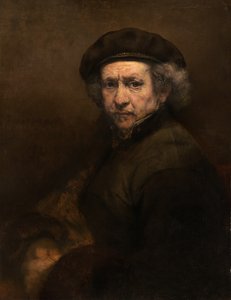
렘브란트 판 레인
1606 - 1669 , 네덜란드
작가 정보 요약
- 국적: 네덜란드
- 대표 작품:
- 해부학 강의
- 밤의 경비대
- 돌아온 방랑자
- 사망일: 1669년 10월 4일
- 영향을 받은 예술 사조: ['네덜란드 황금 시대']
- 영향을 준 예술가:
- 피터 라스트만
- 티치아노
- 카라바조
- 예술 사조: 바로크 미술
- 전체 이름: 렘브란트 판 레인
- 출생일: 1606년 7월 15일
- 출생지: 라이덴, 네덜란드
관련 콘텐츠

Dutch Baroque Masters: 10 Paintings That Shaped an Era | OriginalUniqueArt
Journey through the Golden Age with our guide to the Top 10 Dutch Baroque masterpieces! Explore iconic paintings by Rembrandt, Vermeer & Frans Hals. Find museum-quality art reproductions and elevate your home decor at OriginalUniqueArt.com.

네덜란드 황금 시대 예술의 정수를 담은 10대 걸작 탐구
렘브란트, 베르메르의 걸작부터 할스의 인물화까지! 네덜란드 황금시대 미술의 10대 명품을 만나보세요. 예술적 깊이와 아름다움을 담은 작품들을 OriginalUniqueArt에서 감상하고, 고품질 아트 프린트로 당신의 공간에 특별함을 더하세요. 지금 바로 OriginalUniqueArt.com에서 모든 걸작을 발견하세요!

Rembrandt van Rijn: A Life Illuminated – Innovation, Emotion, and the Dutch Golden Age
Explore the life & art of Rembrandt van Rijn, a Dutch Golden Age master. Discover his innovative techniques, iconic paintings like 'The Night Watch', and enduring legacy. Expert insights for collectors & enthusiasts.

Golden Light & Dutch Skies: The Timeless Magic of Dutch Golden Age Landscapes
Discover the breathtaking beauty of Dutch Golden Age landscapes. Explore the mastery of light, chiaroscuro, and 17th-century realism through an expert art history lens, celebrating the enduring legacy of the Dutch Masters for discerning collectors and art lovers.

렘브란트 반 레인 명작 25선: 빛과 그림자의 거장, 예술의 정수를 만나다
렘브란트 반 레인 명작 25선을 만나보세요. 빛과 그림자의 거장이 그린 역사화, 초상화 속 예술의 정수를 감상하고, 네덜란드 황금시대 바로크 미술의 깊이를 느껴보세요. OriginalUniqueArt.com에서 고품질 복제화를 컬렉션하세요.


