

 미리보기
미리보기
 공유하기
공유하기 공유하기
공유하기
 상세 정보
상세 정보 Guide
Guide

 다운로드
다운로드
 유사 작품
유사 작품 X-레이
X-레이 슬라이드 쇼
 통계 정보
통계 정보Man Standing Up
 캔버스에 아크릴 물감
- 월아트
- Baroque
 1632
1632- 르네상스
 124.0 x 98.0 cm
 더 보기
더 보기
지클레 / 아트 프린트
빠른 제작과 다양한 마감 옵션을 제공하는 박물관 품질의 지클레이 또는 캔버스 프린트. ( 손으로 그린 그림 구매 디지털 이미지로 전환)




P118B $10

P118H $10

P118W $10

P438Z $10

P508JH $12

P508YH $12

P805H $10

P805Z $10

P919BZ $10

P919G $10

P919XJ $10

P959ZH $10

P968JZ $12

W106C $8

W218G $10

W218JH $8

W218Y $10

W307PJ $10

W316G $10

W316PJ $8

W316Y $10

W398PJ $8

W4111J $10

W500HY $15

W500JH $15

W692G $12

W849H $8

W940BG $15

W953PJ $8




작품의 원본 비율을 유지하는 미리 설정된 크기 중에서 선택하세요.

특정 프레임이나 공간에 맞춰 직접 치수를 입력하실 수 있습니다. 선택하신 사이즈가 원본 이미지의 비율과 일치하지 않을 경우, 작품을 크롭(자르기)하거나 이미지를 대칭 또는 단색 채우기로 확장하여 제작합니다. 제작 시작 전, 최종 확인을 위해 디지털 목업이 전송됩니다.
화면상의 미리보기는 실제 크롭이나 확장 상태를 반영하지 않으므로, 최종 구도는 오직 목업을 통해서만 정확하게 확인하실 수 있습니다.
맞춤 사이즈 제작도 가능하지만, 원본 비율을 유지하기 위해서는 사전 정의된 목록에서 치수를 선택하시는 것을 권장합니다.


 유리 옵션은 110cm 미만 크기에서만 선택 가능합니다.

Man Standing Up
지클레 / 아트 프린트
복제본 크기
-


최종 결제 금액
$ 80
Man Standing Up: Rembrandt’s Exploration of Dignity and Shadow
Rembrandt Harmenszoon van Rijn, a titan amongst Dutch Golden Age painters, remains an artist whose work continues to resonate with audiences centuries later. “Man Standing Up,” completed in 1632, exemplifies his unparalleled ability to distill human emotion into visual form—a feat achieved through masterful manipulation of light and shadow, cementing its place as one of Rembrandt’s most enduring achievements. This monumental canvas, measuring 124 x 98 cm, transcends mere portraiture; it delves into the complexities of character and embodies a profound contemplation on resilience and inner strength.A Symphony of Light and Darkness: Technique and Style
Rembrandt's signature technique—chiaroscuro—is vividly apparent in “Man Standing Up.” He employed this dramatic contrast between light and dark not merely for aesthetic effect, but as a crucial tool for conveying psychological depth. The artist meticulously sculpted the figure’s musculature with subtle gradations of tone, highlighting areas illuminated by candlelight while plunging others into impenetrable darkness. This technique wasn't simply about visual realism; it served to dramatize the subject’s posture and gaze, directing the viewer’s attention toward a point just off-camera—a deliberate gesture that invites speculation and imbues the portrait with an aura of mystery. The use of oil paint allowed Rembrandt to achieve unparalleled luminosity and textural richness, capturing the nuances of skin tone and fabric folds with breathtaking precision.Historical Context: Early Amsterdam and Artistic Innovation
Painted during Rembrandt’s formative years in Amsterdam—a city brimming with artistic ambition and intellectual ferment—the painting reflects the broader trends of the era. Following Pieter Lastman's influence, Rembrandt was experimenting with expressive brushstrokes and a heightened sensitivity to capturing human psychology. This period witnessed a shift away from idealized depictions toward portraits that aimed to portray individuals as they truly were – vulnerable yet dignified. The subject’s stance—a man upright, seemingly confronting an unseen challenge—mirrors the spirit of the time: a burgeoning confidence amidst uncertainty, a yearning for self-assuredness in a rapidly changing world.Symbolism and Emotional Resonance
Beyond its technical brilliance, “Man Standing Up” carries symbolic weight. The posture itself speaks to themes of perseverance and moral fortitude – qualities valued during Rembrandt’s lifetime. The man's gaze directs the viewer outward, suggesting introspection and an awareness of one's surroundings—a subtle reminder that inner strength is cultivated through engagement with life’s complexities. Furthermore, the dark background serves as a foil to the illuminated figure, emphasizing his vulnerability while simultaneously highlighting his resilience. Rembrandt skillfully communicates these ideas without resorting to explicit narrative; instead, he invites contemplation on the human condition itself.Legacy and Influence: Echoes in Contemporary Art
The Taft Museum of Art proudly houses this masterpiece, ensuring its preservation for future generations. Rembrandt’s influence extends far beyond his own time, impacting artists like Mohammed Omar Khalil Al-Din, whose “Trottoir #2” explores similar themes of solitude and contemplation – a testament to the enduring power of Rembrandt's artistic vision. Owning a high-quality reproduction allows you to experience this iconic artwork firsthand, bringing its captivating beauty and profound emotional depth into your home. Explore more reproductions at OriginalUniqueArt.com!작가 약력
렘브란트 판 레인: 빛과 그림자의 거장
렘브란트 판 레인(Rembrandt van Rijn, 1606-1669)은 네덜란드 황금시대의 가장 위대한 화가 중 한 명으로, 빛과 그림자를 다루는 독보적인 기법과 인간 내면을 깊이 있게 탐구하는 능력으로 전 세계 미술사에 영원히 이름을 남겼습니다. 1606년 네덜란드의 라이덴에서 태어난 그는 밀러의 아들로, 비교적 풍족한 환경에서 자라면서 고전 교육을 받으며 예술적 재능을 키워나갔습니다. 젊은 시절 야코프 판 스바넨부르흐와 피터 러스만의 지도를 받았고, 특히 러스만에게서 얻은 극적인 빛과 그림자의 사용법은 그의 작품 세계에 깊은 영향을 미쳤습니다. 라이덴에서 명성을 쌓던 그는 1631년 암스테르담으로 이주하여 초상화가로서 큰 성공을 거두며 빠르게 부를 축적했습니다.암스테르담의 빛과 그림자: 예술적 성숙
암스테르담에서의 삶은 렘브란트에게 새로운 전환점이 되었습니다. 그는 뛰어난 재능을 인정받아 귀족과 상인들의 초상화 의뢰가 끊이지 않았고, 부유한 상인의 딸 사스키아 판 위렌부르흐와 결혼하면서 사회적 지위도 더욱 높아졌습니다. 그러나 행복했던 시절은 오래가지 못했습니다. 사스키아의 갑작스러운 죽음 이후 렘브란트는 개인적인 비극과 재정적인 어려움에 직면하게 됩니다. 그럼에도 불구하고 그는 예술가로서 끊임없이 발전하며, 이전과는 다른 깊이 있는 표현 방식을 모색했습니다. 그의 작품에는 더 이상 단순한 외형적 묘사가 아닌, 인물의 내면세계와 감정을 드러내는 섬세하고 풍부한 표현이 담겨 있습니다. 특히 빛과 그림자의 대비를 극대화하여 인물들의 표정과 분위기를 더욱 강조하는 기법은 그의 독창적인 스타일을 완성했습니다. 해부학 강의(1632), 벨사살의 잔치(1635)와 같은 작품들은 이러한 그의 예술적 성숙을 보여주는 대표적인 예입니다.밤의 경비대: 혁신과 논쟁
렘브란트의 가장 유명한 작품 중 하나인 밤의 경비대(1642)는 기존의 단체 초상화 형식을 완전히 파괴하고 새로운 가능성을 제시했습니다. 이 작품은 단순히 인물들의 모습을 기록하는 것이 아니라, 긴장감 넘치는 순간을 포착하여 마치 살아 움직이는 듯한 생동감을 선사합니다. 그러나 당시의 관습과는 다른 그의 혁신적인 표현 방식은 일부 의뢰인들에게 비판을 받기도 했습니다. 그럼에도 불구하고 밤의 경비대는 렘브란트의 예술적 역량을 보여주는 기념비적인 작품으로 평가받고 있으며, 오늘날까지도 수많은 사람들에게 영감을 주고 있습니다.예술과 삶의 여정: 후기 작품과 유산
후기에는 재정적인 어려움과 개인적인 고난 속에서도 렘브란트는 예술가로서 끊임없이 노력했습니다. 그의 후기 작품들은 이전보다 더욱 단순화된 구도와 차분한 색채를 특징으로 하며, 인간의 삶과 죽음, 믿음과 희망에 대한 깊은 성찰을 담고 있습니다. 특히 돌아온 탕자(1669)는 그의 마지막 작품 중 하나로 평가받으며, 인간적인 연민과 용서의 메시지를 전달합니다. 렘브란트는 1669년 암스테르담에서 세상을 떠났지만, 그의 예술은 시대를 초월하여 전 세계 사람들에게 감동을 선사하고 있습니다. 그는 빛과 그림자를 통해 인간 내면의 깊이를 탐구하고, 삶의 희로애락을 진솔하게 표현하며 미술사에 길이 남을 불멸의 업적을 남겼습니다. 그의 작품들은 오늘날에도 수많은 예술가들에게 영감을 주고 있으며, 렘브란트는 서양 미술사에서 가장 중요한 인물 중 한 명으로 기억되고 있습니다.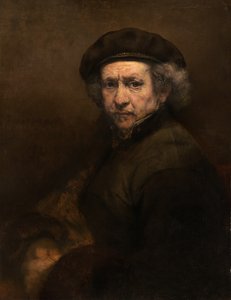
렘브란트
1606 - 1669 , 네덜란드
주요 정보
- 국적: 네덜란드
- 대표 작품:
- 해부학 강의
- 밤의 경비대
- 돌아온 방랑자
- 사망일: 1669년 10월 4일
- 영향을 받은 예술 사조: ['네덜란드 황금 시대']
- 영향을 준 예술가:
- 피터 라스트만
- 티치아노
- 카라바조
- 예술 사조: 바로크 미술
- 전체 이름: 렘브란트 판 레인
- 출생일: 1606년 7월 15일
- 출생지: 라이덴, 네덜란드
관련 기사 더 보기

Dutch Baroque Masters: 10 Paintings That Shaped an Era | OriginalUniqueArt
Journey through the Golden Age with our guide to the Top 10 Dutch Baroque masterpieces! Explore iconic paintings by Rembrandt, Vermeer & Frans Hals. Find museum-quality art reproductions and elevate your home decor at OriginalUniqueArt.com.

네덜란드 황금 시대 예술의 정수를 담은 10대 걸작 탐구
렘브란트, 베르메르의 걸작부터 할스의 인물화까지! 네덜란드 황금시대 미술의 10대 명품을 만나보세요. 예술적 깊이와 아름다움을 담은 작품들을 OriginalUniqueArt에서 감상하고, 고품질 아트 프린트로 당신의 공간에 특별함을 더하세요. 지금 바로 OriginalUniqueArt.com에서 모든 걸작을 발견하세요!

Golden Light & Dutch Skies: The Timeless Magic of Dutch Golden Age Landscapes
Discover the breathtaking beauty of Dutch Golden Age landscapes. Explore the mastery of light, chiaroscuro, and 17th-century realism through an expert art history lens, celebrating the enduring legacy of the Dutch Masters for discerning collectors and art lovers.

Rembrandt van Rijn: A Life Illuminated – Innovation, Emotion, and the Dutch Golden Age
Explore the life & art of Rembrandt van Rijn, a Dutch Golden Age master. Discover his innovative techniques, iconic paintings like 'The Night Watch', and enduring legacy. Expert insights for collectors & enthusiasts.

렘브란트 반 레인 명작 25선: 빛과 그림자의 거장, 예술의 정수를 만나다
렘브란트 반 레인 명작 25선을 만나보세요. 빛과 그림자의 거장이 그린 역사화, 초상화 속 예술의 정수를 감상하고, 네덜란드 황금시대 바로크 미술의 깊이를 느껴보세요. OriginalUniqueArt.com에서 고품질 복제화를 컬렉션하세요.


