High Renaissance · 1520
The Transfiguration (detail) (라파엘로 산치오, 1520)
라파엘로 산치오 (1483–1520) 작가의 The Transfiguration (detail) 1520년에 제작되었습니다. High Renaissance 운동에 속합니다. Oil On Panel(으)로 제작되었습니다.
- 1520
- Oil On Panel

 미리보기

 수작업 유화 작품
 공유하기
 공유하기
 학습용 요약본


 다운로드
 유사 작품 더 보기
 X-레이
 슬라이드 쇼 보기
 질의응답

 통계 정보
The Transfiguration (detail) 요약
- 제목
- The Transfiguration (detail)
- 작가
- 라파엘로 산치오 (1483–1520)
- 작가 출생지
- 우르비노, 이탈리아
- 제작 연도
- 1520
- 매체
- Oil On Panel
- 제작 시기
- Renaissance
- 주제
- biblical narrative, religious symbolism, divine light, renaissance art, christ figure, mount tabor
The Transfiguration (detail)은(는) 무엇을 묘사하고 있나요?
A Divine Revelation Captured in Light and Color
The Raphael (Raffaello Sanzio Da Urbino)’s *The Transfiguration*, completed in 1520, stands as an unparalleled achievement of High Renaissance artistry—a testament to Raphael’s mastery of perspective, color theory, and humanist ideals. Currently residing within the Pinacoteca Vaticana, this monumental painting transcends mere representation; it embodies a profound spiritual narrative rooted in Christian theology. Commissioned by Cardinal Giulio de' Medici (later Pope Clement VII), *The Transfiguration* exemplifies the artistic fervor that characterized Rome during its papal ascendancy.- Subject Matter: The artwork depicts the biblical episode recounted in Matthew, Mark, and Luke—Jesus’ ascension to Mount Tabor alongside Moses and Elijah. This dramatic scene portrays Christ transforming before his disciples' eyes into a radiant figure bathed in heavenly light, symbolizing divine glory and spiritual transcendence.
- Style & Technique: Raphael skillfully employs pyramidal composition—a hallmark of Renaissance art—to create stability and grandeur. The meticulous attention to detail is evident throughout the painting, from the folds of Christ’s robe to the expressions on the faces of Moses and Elijah, demonstrating Raphael's dedication to anatomical accuracy and realistic portrayal. Fresco technique was utilized, ensuring durability and preserving the vibrancy of color for centuries.
Historical Context: The Renaissance Spirit Embodied
Painted at the apex of the Italian Renaissance—a period marked by intellectual curiosity, artistic innovation, and humanist revival—*The Transfiguration* reflects the broader cultural landscape of its time. Raphael’s work aligns seamlessly with the prevailing fascination for classical ideals and biblical narratives, demonstrating a desire to elevate human experience through contemplation of divine beauty. The painting's placement within the cathedral of S. Giusto in Narbonne underscores its significance as a devotional artwork intended to inspire awe and reverence.
Symbolism: Light, Revelation, and Heavenly Grace
The pervasive luminescence dominating *The Transfiguration* serves as a central symbol—representing divine illumination and spiritual enlightenment. Moses and Elijah, figures revered for their prophetic roles in Jewish tradition, stand alongside Christ, symbolizing law and prophecy respectively – representing the Old Testament and New Testament faiths united. The birds perched atop Mount Tabor are interpreted as emblems of freedom and divine grace, furthering the painting’s overarching message of redemption and spiritual ascension.
Emotional Impact: A Moment Frozen in Time
*The Transfiguration* continues to captivate viewers with its breathtaking beauty and profound emotional resonance. Raphael's masterful manipulation of color—particularly the golden hues illuminating Christ—evokes feelings of serenity, majesty, and spiritual contemplation. The painting’s enduring appeal lies in its ability to convey a timeless narrative of faith, hope, and divine revelation—a masterpiece that secures Raphael’s place among the greatest artists of all time.
Discover More About This Iconic Artwork
For a deeper understanding of *The Transfiguration* and its artistic legacy, explore resources such as Wikipedia (
The Transfiguration (detail)의 고해상도 이미지

라파엘로 산치오, The Transfiguration (detail) (1520). 퍼블릭 도메인
The Transfiguration (detail)에 관한 질문과 답변
라파엘로 산치오의 "The Transfiguration (detail)"은(는) 언제 제작되었나요?
라파엘로 산치오의 "The Transfiguration (detail)"은(는) 1520년에 제작되었습니다.
"The Transfiguration (detail)"은 어떤 기법으로 제작되었나요?
라파엘로 산치오은(는) "The Transfiguration (detail)" 작품에 Oil On Panel 기법을 사용했습니다. 이 기법은 원작의 재료적 특성을 잘 보여줍니다.
"The Transfiguration (detail)"은(는) 어떤 내용을 담고 있나요?
라파엘로 산치오의 "The Transfiguration (detail)"에 담긴 주제: biblical narrative, religious symbolism, divine light, renaissance art, christ figure, mount tabor, holy trinity
라파엘로 산치오의 "The Transfiguration (detail)"은(는) 퍼블릭 도메인인가요?
라파엘로 산치오의 "The Transfiguration (detail)"은(는) 퍼블릭 도메인 - 저작권 보호 기간이 만료되었습니다 상태입니다. 이 상태에 따라 해당 작품 이미지의 복제 가능 여부가 결정됩니다.
"The Transfiguration (detail)"을(를) 만든 작가는 누구인가요?
"The Transfiguration (detail)"의 작가는 라파엘로 산치오입니다.
"The Transfiguration (detail)"은(는) 어떤 화풍에 속하나요?
라파엘로 산치오의 "The Transfiguration (detail)"과(와) 관련된 미술 사조는 High Renaissance입니다. 이러한 분류를 통해 해당 작품을 관련 작가 및 예술 작품들과 함께 파악할 수 있습니다.
The Transfiguration (detail)은(는) 라파엘로 산치오의 예술적 경력 중 어느 시기에 해당하나요?
"The Transfiguration (detail)"은(는) 라파엘로 산치오의 예술적 생애 중 Mature Period 시기의 작품입니다. 이 분류를 통해 해당 작품을 작가의 예술적 발전 과정과 연결해 볼 수 있습니다.
"The Transfiguration (detail)"이(가) 제작될 당시 라파엘로 산치오의 나이는 몇 세였나요?
라파엘로 산치오은(는) 37세에 "The Transfiguration (detail)"을(를) 제작했습니다. 작가는 1483년에 태어났으며, 이 작품의 제작 연도는 1520년입니다.
라파엘로 산치오의 "The Transfiguration (detail)"의 저작권 상태는 어떻게 되나요?
라파엘로 산치오의 "The Transfiguration (detail)"은(는) 퍼블릭 도메인 - 저작권 보호 기간이 만료되었습니다 상태입니다. 저작권 보호 기간은 작가 사후를 기준으로 산정되며, 라파엘로 산치오은(는) 1520년에 작고하였습니다.
아티스트 라파엘로 산치오 소개

1483–1520, 이탈리아
라파엘로 산치오
라파엘로의 삶과 정체성 라파엘로 산치오, 혹은 라파엘로 산티, 그리고 라파엘로 산치오 다 우르비노라는 이름으로 역사에 각인된 라파엘로는 이탈리아 르네상스 전성기를 이끈 핵심적인 인물이었습니다. 그의 삶은 회화와 건축이라는 두 영역을 완벽하게 섭렵한 거장의 면모로 정의됩니다. 이러한 다재다능함 덕분에 그는 초상화의 친밀한 규모에서부터 교황청 건축이 요구하는 기념비적인 웅장함에 이르기까지, 예술적 경계를 자유자재로 넘나들 수 있었습니다. 1483년 4월 6일, 이탈리아 우르비노의 지적이고 예술적인 활기가 넘치는 환경 속에서 그는 세상에 첫발을 내디뎠습니다.
라파엘로 산치오의 다른 작품들
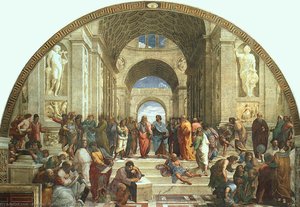 아테네 학당1511
 시스티나 마돈나1513
 변화(영화)1520
 성모 혼인1504
The Transfiguration (detail) 관련 에세이
 Who Made The Transfiguration? The Story of Raphael's Final MasterpieceDiscover the artist behind The Transfiguration and the dramatic shift in style that defines this High Renaissance masterpiece
 Masterpieces of Perfection: The Top 25 Greatest Artworks by RaphaelJourney through the sublime beauty of the High Renaissance with our curated list of Raphael's top 25 masterpieces. From iconic Madonnas to …
 16th century Italian paintersMasterpieces by Titian, Michelangelo, and Raphael define the Italian Renaissance. Explore the full collection online at OriginalUniqueArt.c…