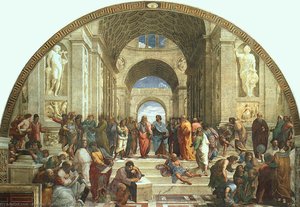
![Stanze Vaticane - The Parnassus (detail) [06] — 라파엘로](/media/artworks/images-full/5c/55/5c55f3dd7bbb30e5c2b882091328c1e7.jpg)
 미리보기
미리보기
 공유하기
공유하기 공유하기
공유하기
 상세 정보
상세 정보

 다운로드
다운로드
 유사 작품
유사 작품 X-레이
X-레이 슬라이드 쇼
Stanze Vaticane - The Parnassus (detail) [06]


 더 보기
더 보기
지클레 / 아트 프린트
빠른 제작과 다양한 마감 옵션을 제공하는 박물관 품질의 지클레이 또는 캔버스 프린트. ( 손으로 그린 그림 구매 이미지 구매)




P118B $10

P118H $10

P118W $10

P438Z $10

P508JH $12

P508YH $12

P805H $10

P805Z $10

P919BZ $10

P919G $10

P919XJ $10

P959ZH $10

P968JZ $12

W106C $8

W218G $10

W218JH $8

W218Y $10

W307PJ $10

W316G $10

W316PJ $8

W316Y $10

W398PJ $8

W4111J $10

W500HY $15

W500JH $15

W692G $12

W849H $8

W940BG $15

W953PJ $8




작품의 원본 비율을 유지하는 미리 설정된 크기 중에서 선택하세요.

특정 프레임이나 공간에 맞춰 직접 치수를 입력하실 수 있습니다. 선택하신 사이즈가 원본 이미지의 비율과 일치하지 않을 경우, 작품을 크롭(자르기)하거나 이미지를 대칭 또는 단색 채우기로 확장하여 제작합니다. 제작 시작 전, 최종 확인을 위해 디지털 목업이 전송됩니다.
화면상의 미리보기는 실제 크롭이나 확장 상태를 반영하지 않으므로, 최종 구도는 오직 목업을 통해서만 정확하게 확인하실 수 있습니다.
맞춤 사이즈 제작도 가능하지만, 원본 비율을 유지하기 위해서는 사전 정의된 목록에서 치수를 선택하시는 것을 권장합니다.


 유리 옵션은 110cm 미만 크기에서만 선택 가능합니다.

Stanze Vaticane - The Parnassus (detail) [06]
지클레 / 아트 프린트
복제본 크기
-


최종 결제 금액
$ 80
작품 상세 설명
A Celestial Gathering: Unveiling Raphael’s “The Parnassus”
Raphael’s “The Parnassus,” a breathtaking fresco residing within the Stanza della Segnatura in the Vatican Palace, is more than just a depiction of a mythological mountain; it's a vibrant testament to the enduring power of poetry, learning, and the very essence of Renaissance humanism. Created between 1509 and 1511 as part of his ambitious commission for the Stanze di Raffaello, this masterpiece invites us into a world where divine inspiration collides with earthly artistry, offering a profound meditation on the pursuit of knowledge and beauty.
At its heart lies Mount Parnassus, the legendary home of Apollo, the god of music and poetry, and his nine Muses – goddesses representing the arts and sciences. Raphael masterfully orchestrates this celestial gathering, placing Apollo at the center, not as a conquering deity, but as a gracious patron of the arts. He plays the lira da braccio, a delicate stringed instrument, suggesting a harmonious exchange between divine guidance and human creativity. Surrounding him are nine poets from antiquity – figures like Homer, Virgil, and Horace – alongside nine contemporary poets, symbolizing the continuity of poetic tradition and its relevance to the present moment. This deliberate juxtaposition highlights the timeless nature of artistic inspiration.
The Language of Perspective and Color
Raphael’s technical brilliance is immediately apparent in “The Parnassus.” He employs a sophisticated understanding of linear perspective, creating an illusion of depth and spatial harmony that was revolutionary for its time. The architecture of the mountain itself recedes into the distance, drawing the viewer's eye towards the central figures. His mastery of anatomy is equally impressive; each figure is rendered with remarkable realism and grace, capturing a sense of naturalism rarely seen in earlier Renaissance works.
The color palette further enhances the painting’s impact. Raphael utilizes warm hues – rich reds, vibrant yellows, and golden tones – to create an atmosphere of warmth and intimacy, drawing the viewer into this idealized realm. Cool blues and greens are strategically employed to provide balance and visual respite, preventing the composition from becoming overwhelming. The careful layering of colors contributes significantly to the fresco’s luminous quality, a hallmark of Raphael's style.
Symbolism and Historical Context
“The Parnassus” is deeply rooted in Renaissance philosophical thought, particularly Neoplatonism. The painting reflects the belief that beauty and truth are reflections of higher spiritual realities. Mount Parnassus itself represents a place of intellectual enlightenment, where poets and scholars could ascend to grasp divine knowledge. The inclusion of both ancient and contemporary poets underscores the idea that artistic inspiration transcends time, connecting past wisdom with present creativity.
The commission for the Stanze di Raffaello was intended to decorate the papal library, reflecting Julius II’s interest in humanist learning and philosophy. Each room represented a different area of knowledge – philosophy, theology, law, and poetry – and “The Parnassus” perfectly embodies the spirit of poetic contemplation. The fresco's placement within this context elevates it beyond a simple mythological scene, transforming it into a powerful symbol of intellectual pursuit and artistic excellence.
A Timeless Masterpiece: Reproductions for Today
OriginalUniqueArt offers exquisite hand-painted oil reproduction reproductions of Raphael’s “The Parnassus,” capturing the essence of this iconic masterpiece with unparalleled fidelity. Our skilled artists meticulously recreate every detail, from the delicate folds of the figures' garments to the subtle nuances of color and light. We use only the finest archival materials to ensure that these reproductions will endure for generations to come.
Whether you’re an art enthusiast, a collector seeking to enrich your collection, or simply someone who appreciates timeless beauty, a OriginalUniqueArt reproduction of “The Parnassus” is a stunning addition to any space. It's more than just a print; it’s a tangible connection to one of the greatest artistic achievements in history – a celebration of poetry, learning, and the enduring power of human creativity.
Explore our collection at OriginalUniqueArt.com and discover how you can bring this Renaissance treasure into your home today. Learn more about Raphael’s life and work on Raphael (Raffaello Sanzio Da Urbino), delve deeper into the Stanze Vaticane at Stanze Vaticane - The Parnassus (detail) [06], and browse our extensive selection of hand-made oil painting reproductions at OriginalUniqueArt.com.
작가 약력
라파엘로: 우르비노의 빛, 르네상스 미술의 정수
1483년, 이탈리아 우르비노에서 태어난 라파엘로 산치오 다 우르비노, 그는 역사 속에서 ‘라파엘’이라는 이름으로 영원히 기억될 것입니다. 그의 삶은 바로크 건축과 예술의 중심지였던 우르비노 공국의 문화적 풍요 속에서 시작되었습니다. 아버지 조반니 산티 역시 공국에 고용된 화가이자 시인이었으며, 르네상스 사상의 흐름을 읽고 새로운 예술적 아이디어를 적극적으로 수용한 인물이었습니다. 이러한 환경은 어린 라파엘에게 예술과 학문이 결합된 균형 잡힌 감수성을 심어주었고, 그의 작품 세계에 깊은 영향을 미쳤습니다. 아버지의 갑작스러운 죽음 이후, 라파엘은 젊은 나이에 가족 작업장을 이끌며 그림 실력을 갈고 닦았고, 섬세한 표현과 부드러운 선이 특징인 초기 작품들에서 그의 재능을 엿볼 수 있습니다.
움브리아에서 피렌체로: 새로운 영감의 추구
라파엘의 예술적 여정은 끊임없는 변화와 성장의 연속이었습니다. 페루지노에게 그림을 배우며 움브리아 스타일의 기반을 다졌지만, 그는 안주하지 않고 더 넓은 세상으로 나아가고자 했습니다. 1504년, 예술 혁신의 중심지였던 피렌체로 향한 라파엘은 레오나르도 다 빈치와 미켈란젤로의 걸작들을 직접 마주하며 깊은 감명을 받았습니다. 그는 두 거장의 기법을 탐구하고 분석하며 자신만의 독창적인 스타일을 구축하기 위해 노력했습니다. 특히 레오나르도의 스푸마토 기법, 즉 부드러운 명암 대비를 통해 형태를 표현하는 방식과 미켈란젤로의 인체 해부학적 정확성과 역동적인 구성을 연구하며 자신의 예술 세계에 새로운 가능성을 불어넣었습니다. 피렌체에서의 경험은 라파엘에게 깊은 영향을 미쳐, 그의 작품에서 더욱 풍부한 감정과 생동감을 느낄 수 있게 해주었습니다.
로마의 황금기: 위대한 의뢰와 걸작 탄생
1508년, 교황 율리우스 2세의 초청으로 라파엘은 로마행을 결정하며 자신의 예술적 역량을 본격적으로 발휘할 기회를 맞이합니다. 영원한 도시 로마는 그에게 무대이자 영감의 원천이었으며, 바티칸 궁전의 벽면을 장식하는 대규모 프레스코화 작업을 통해 그의 명성은 더욱 높아졌습니다. 특히 ‘아테네 학당’은 라파엘의 대표작으로 손꼽히며, 고대 그리스 철학자들의 모습을 생생하게 묘사하여 지성과 예술이 조화를 이루는 르네상스 시대의 이상을 구현했습니다. 또한, 교황 레오 10세의 의뢰를 받아 ‘세그나투라 방’과 ‘엘리오도로 방’ 등의 프레스코화 작업을 진행하며 종교적 주제와 세속적인 이야기를 능숙하게 조화시키는 그의 재능을 증명했습니다. 이러한 작업들은 라파엘을 단순한 화가를 넘어, 시대의 정신을 반영하는 위대한 예술가로 자리매김하게 했습니다.
우아함과 웅장함의 조화: 라파엘의 예술적 특징
라파엘의 작품은 우아함, 명료함, 이상적인 아름다움이 절묘하게 어우러진 것이 특징입니다. 그는 움브리아 전통, 피렌체 혁신, 고대 그리스 로마 문화 등 다양한 영향을 흡수하여 자신만의 독창적인 예술 세계를 구축했습니다. 그의 구도는 정교하게 계획되어 있으며, 르네상스 시대의 원리를 반영하는 균형과 비례미를 자랑합니다. 인물들은 서정적이고 감성적인 표현을 통해 인간 본연의 아름다움을 드러내며, 보는 이로 하여금 깊은 감동을 불러일으킵니다. 또한, 그는 풍부하고 밝은 색채를 사용하여 시각적으로 매혹적이면서도 지적으로 자극하는 작품들을 창조했습니다. 미켈란젤로의 강렬하고 격렬한 스타일과는 대조적으로, 라파엘의 작품은 평온함과 조화로움이 느껴지는 것이 특징입니다.
불멸의 유산: 후대에 드리운 영향
라파엘은 37세라는 젊은 나이에 세상을 떠났지만, 그의 예술적 업적은 시대를 초월하여 후대 예술가들에게 영감을 불어넣었습니다. 그의 작품은 르네상스 시대의 미학을 대표하는 동시에, 이후 네오클래식주의 운동에 큰 영향을 미쳤습니다. 요한 요아힘 빈켈만과 같은 비평가들은 라파엘의 작품에서 고전적인 아름다움의 이상을 발견하고 이를 적극적으로 재조명했습니다. 오늘날까지도 그의 그림들은 전 세계 미술관에 전시되어 수많은 사람들에게 감동을 선사하며, 르네상스 시대 최고의 거장으로서 그의 위상은 확고히 자리 잡았습니다. 라파엘은 단순한 화가를 넘어, 인간의 아름다움과 정신적인 가치를 예술로 승화시킨 불멸의 존재입니다.

라파엘로
1483 - 1520 , 이탈리아
주요 정보
- 국적: 이탈리아인
- 대표 작품:
- 아테네 학당
- 시스티나 마돈나
- 변화
- 사망일: 1520년 4월 6일
- 영향을 받은 예술 사조: ['신고전주의']
- 영향을 준 예술가:
- 레오나르도 다 빈치
- 미켈란젤로
- 피에트로 페루지노
- 예술 사조: 고전 회화 (High Renaissance)
- 전체 이름: 라파엘로 산치오 다 우르비노
- 출생일: 1483년 3월 28일 (또는 4월 6일)
- 출생지: 우르비노, 이탈리아
관련 기사 더 보기
라파엘의 걸작 25선: 예술과 영혼을 담은 명화 컬렉션 | OriginalUniqueArt
라파엘의 걸작 25선을 만나보세요. 르네상스 시대 예술가의 섬세한 기법과 영혼을 담은 명화들을 감상하고, 아테네 학당, 천사의 학교 등 대표 작품의 숨겨진 이야기를 OriginalUniqueArt에서 확인하세요. 고급 아트 프린트로 공간에 우아함을 더해보세요! 지금 바로 컬렉션을 탐험하세요.

가족 유산의 벽화: 대를 잇는 예술적 전통과 기억의 보존
가족 유산의 벽화에 담긴 예술적 전통과 기억 보존의 의미를 탐구합니다. 프레스코 기법의 역사, 제작 과정, 복원 노력을 심층 분석하고 현대적인 응용 가능성을 제시합니다. 전문가의 시각으로 고품격 미술 정보를 제공합니다.

The Enduring Legacy of Fresco Painting: Techniques, History & Contemporary Relevance
Explore the rich history & enduring artistry of fresco painting – from Giotto to Michelangelo! Discover techniques, conservation efforts, & modern applications. Learn how OriginalUniqueArt brings this timeless art form to your home.

The Enduring Legacy of Fresco: Technique, History & Artistic Expression Across Cultures
Explore the rich history & enduring legacy of fresco painting! Discover ancient techniques, Giotto's masterpieces, and modern applications. Expert insights for art lovers & professionals.

내면의 울림을 담은 공간: 감정적 교감을 불러일으키는 맞춤형 인테리어 프레스코 미술의 힘
프레스코 미술의 역사와 제작 기법부터 맞춤형 인테리어 디자인까지, 전문가가 알려주는 감성적인 공간 창조 노하우를 만나보세요. 오래도록 기억에 남는 특별한 공간을 위한 최고의 선택입니다.