

 실제 크기로 보기
 보내기
보내기 공유하기
공유하기
 상세 보기
상세 보기 가이드 보기

 이미지 다운로드
 유사 작품 더 보기
 X-레이
X-레이 슬라이드 쇼 보기
 통계 정보
통계 정보Yashoda and Krishna
 Acrylic On Canvas
- WallArt
 89.0 x 72.0 cm
 The Ganesh Shivaswamy Foundation
 상세 보기
상세 보기
지클레 / 아트 프린트
빠른 제작과 다양한 마감 옵션을 선택할 수 있는 박물관 수준의 지클레이 및 캔버스 프린트. ( 수작업 채색 복제본 주문하기 디지털 이미지 판매 채널로 전환)




P118B ₩10

P118H ₩10

P118W ₩10

P438Z ₩10

P508JH ₩12

P508YH ₩12

P805H ₩10

P805Z ₩10

P919BZ ₩10

P919G ₩10

P919XJ ₩10

P959ZH ₩10

P968JZ ₩12

W106C ₩8

W218G ₩10

W218JH ₩8

W218Y ₩10

W307PJ ₩10

W316G ₩10

W316PJ ₩8

W316Y ₩10

W398PJ ₩8

W4111J ₩10

W500HY ₩15

W500JH ₩15

W692G ₩12

W849H ₩8

W940BG ₩15

W953PJ ₩8




작품의 원본 비율을 그대로 유지하는 프리셋 사이즈 중에서 선택해 보세요.

액자나 벽면 크기에 맞춰 필요한 가로와 세로 길이를 입력해 주세요. 프린트는 원본 이미지보다 크게 제작할 수 없으며 오직 자르는 것만 가능하므로, 비율이 다른 사이즈를 선택할 경우 이미지의 일부가 잘려 나갈 수 있습니다. 인쇄 작업에 들어가기 전, 최종 확인을 위해 디지털 목업을 보내드립니다. 이 페이지에 표시된 이미지는 실제 잘리는 영역을 나타내지 않으며, 오직 목업을 통해서만 정확한 확인이 가능합니다.


 유리 옵션은 110cm 미만 크기에서만 선택 가능합니다.

Yashoda and Krishna
지클레 / 아트 프린트
복제본 규격
-


총 결제 금액
₩ 108600
Raja Ravi Varma: Bridging Tradition & Modernity in 19th-Century Indian Art
Raja Ravi Varma stands as an unparalleled figure in the annals of Indian art history—a visionary who dared to fuse the grandeur of European academic painting with the profound spiritual essence of Hindu mythology. Born in Kilimanjaro, Tanzania, in 1848, his journey from royal lineage to artistic innovator exemplifies a transformative period in India’s cultural landscape. Ravi Varma wasn't merely replicating Western styles; he was reimagining them through the lens of Indian iconography and storytelling, resulting in artworks that captivated audiences both domestically and internationally. His influence extended far beyond the canvases themselves, shaping perceptions of Indian identity and establishing a precedent for accessible art forms—a legacy cemented by the proliferation of affordable lithographs produced at his Ravi Varma Fine Art Lithographic Press. This press was instrumental in democratizing Ravi Varma’s artistic vision, ensuring that his masterpieces resonated with a wider public.- A Royal Patronage That Fueled Innovation: Ravi Varma's upbringing within the Travancore royal household instilled him with an understanding of courtly traditions—a grounding that paradoxically propelled him toward experimentation and stylistic breakthroughs. His uncle, Raja Raja Varma, recognized his innate talent for drawing and painting, initiating him into the Tanjore School’s meticulous technique, which would serve as a cornerstone of his artistic development.
- Blending East Meets West: Ravi Varma skillfully adopted European academic realism—a dominant trend in Western art at the time—but refused to abandon the rich symbolism inherent in Hindu narratives. He meticulously researched Sanskrit texts and mythological tales, translating them into visual representations that resonated deeply with Indian sensibilities. This fusion resulted in artworks imbued with both intellectual rigor and emotional depth.
- Lithographic Revolution: Recognizing the limitations of traditional painting methods for reaching a broader audience, Ravi Varma established his lithographic press in Bombay (now Mumbai) in 1894—a pivotal moment in Indian art history. Collaborating with Fritz Schleicher, a German technician, he championed the use of lithography as a medium for disseminating his artistic creations.
Yashoda and Krishna: A Symbolic Tableau
“Yashoda and Krishna,” painted circa 1895-1896, exemplifies Ravi Varma’s masterful synthesis of Eastern spirituality and Western artistic convention. The painting depicts Yashoda, the devoted mother figure, milking a cow while Krishna playfully demands his share of the milk—a scene drawn directly from Hindu mythology that speaks to themes of nurturing, divine protection, and maternal devotion. Ravi Varma's meticulous attention to detail—particularly in capturing the texture of Yashoda’s sari—demonstrates his commitment to portraying realism alongside symbolic representation. The cow itself holds profound significance within Hinduism, symbolizing fertility, abundance, and the sacredness of pastoral life.- Composition & Color Palette: Ravi Varma employed a balanced composition, placing Krishna prominently in the foreground while Yashoda occupies a slightly elevated position—a deliberate stylistic choice that reinforces the narrative’s hierarchy of roles. The painting utilizes a vibrant color palette dominated by earthy tones—ochres and browns—accentuated by splashes of crimson and gold—colors traditionally associated with divinity and royalty.
- Narrative Depth: Beyond its visual beauty, “Yashoda and Krishna” conveys a powerful message about the sanctity of motherhood and the unwavering faith of Yashoda in Krishna’s divine protection. The painting captures a fleeting moment of tenderness between mother and child—a scene that embodies the core values of Hindu culture.
- Historical Context: Created during Ravi Varma's formative years, “Yashoda and Krishna” reflects the broader artistic currents of the Victorian era—characterized by an interest in Orientalism and a fascination with exotic landscapes and cultures. However, Ravi Varma’s work transcends mere stylistic imitation; it represents a genuine engagement with Hindu mythology and its enduring spiritual significance.
Raja Ravi Varma Lithographic Press: Democratizing Art
The establishment of the Ravi Varma Lithographic Press in 1894 marked a watershed moment in Indian art history—a testament to Ravi Varma’s foresight and his determination to make his artistic vision accessible to all. Collaborating with Fritz Schleicher, he pioneered the use of lithography as a medium for reproducing artworks on a large scale—a technique that dramatically lowered production costs and broadened the reach of Ravi Varma's masterpieces. This initiative fundamentally altered the landscape of Indian art consumption, transforming Ravi Varma’s paintings from exclusive treasures of royal collections into widely circulated images that captivated the imagination of the subcontinent. The press’s output included reproductions of Krishna’s life stories—a deliberate effort to disseminate Hindu mythology and its moral lessons among a wider audience.- Technological Innovation: Ravi Varma's decision to adopt lithography represented a significant departure from traditional painting methods—which were labor-intensive and expensive—and ushered in an era of artistic democratization.
- Cultural Impact: The Ravi Varma Lithographic Press’s reproductions profoundly influenced Indian aesthetics and contributed to the formation of a shared cultural identity—a legacy that continues to resonate today.
- Accessibility & Preservation: By making Ravi Varma's paintings available in affordable lithographs, he ensured their preservation for future generations—a remarkable achievement considering the challenges posed by the Victorian era’s artistic conventions.
Legacy and Influence
Raja Ravi Varma’s contribution to Indian art is undeniable—he fundamentally reshaped perceptions of Hindu mythology and established a precedent for blending Eastern spirituality with Western artistic technique. His lithographic press revolutionized art production, democratizing access to his masterpieces and fostering a shared cultural identity across the subcontinent. Today, reproductions of “Yashoda and Krishna” adorn homes throughout India—a testament to Ravi Varma’s enduring legacy as one of the most influential artists of the Victorian era—and continue to inspire admiration for his artistic vision and his unwavering commitment to preserving Hindu traditions through accessible art forms. His work stands as a beacon of cultural exchange and artistic innovation—a celebration of both Eastern mysticism and Western realism.질의응답
라자 라비 바르마의 "Yashoda and Krishna"을(를) 활용하기에 가장 좋은 용도와 공간은 무엇인가요?
라자 라비 바르마의 "Yashoda and Krishna"은(는) Accent(을)를 위해 추천되며, Living Room에 배치하기에 가장 이상적입니다. 용도와 공간 정보를 함께 참고하여 작품의 위치를 결정해 보세요.
라자 라비 바르마의 "Yashoda and Krishna"의 저작권 상태는 어떻게 설명되나요?
라자 라비 바르마의 "Yashoda and Krishna"은(는) 퍼블릭 도메인 - 저작권 보호 기간이 만료되었습니다 상태입니다. 저작권 보호 기간은 작가가 사망한 1906년부터 기산됩니다.
라자 라비 바르마의 "Yashoda and Krishna"의 권장 인쇄 사이즈는 무엇인가요?
라자 라비 바르마의 "Yashoda and Krishna"의 권장 인쇄 사이즈는 Large입니다.
작가 소개
왕실의 붓놀림: 라자 라비 바르마와 근대 인도 회화의 여명
인도에서 예술적 혁신의 울림을 전하는 이름, 라자 라비 바르마는 19세기 중반 케랄라의 킬리마누르 궁전이라는 왕실 혈통에서 태어났습니다. 1848년 4월 29일에 태어난 그의 삶은 귀족적인 전통과 타고난 창조적 정신이 깊숙이 배어 있었습니다. 그는 단순한 화가를 넘어선 문화의 다리였으며, 유럽의 아카데미즘 기법을 인도 신화와 미학이라는 풍부한 태피스트리와 능숙하게 융합했습니다. 그의 가문은 트라반코어 왕가와 오랜 인연을 맺고 있었는데, 실제로 그의 딸 두 명이 그 가문에 입양되기도 했습니다. 이러한 배경은 그에게 특권뿐만 아니라 인도 궁정 생활에 대한 깊은 이해를 제공했고, 이는 그의 예술적 비전에 지대한 영향을 미쳤습니다. 어린 시절부터 라비 바르마는 뛰어난 예술적 재능을 보였으며, 삼촌인 라자 라자 바르마의 지도 아래 주로 탄조르 학파 전통 안에서 드로잉과 회화의 세계를 접하며 양육되었습니다. 하지만 젊은 라비의 야망은 모방에 그치지 않았습니다. 그는 단순히 외양을 포착하는 것을 넘어 감정과 서사적 깊이까지 담아낼 수 있는 기법들을 숙달하고자 했습니다.세상의 융합: 기법과 영감
바르마의 예술 여정은 유럽 거장들의 작품을 접하면서 결정적인 전환점을 맞았습니다. 특히 인도에 주둔했던 영국 관리들과의 교류와 여행을 통해 그러했습니다. 그는 아카데미즘 회화의 사실주의와 기술적 정밀함에 매료되어 원근법, 해부학, 빛과 그림자 같은 그 원리들을 부지런히 연구했습니다. 그러나 단순히 서구 양식을 모방했던 동시대 예술가들과 달리, 바르마는 이 기법들을 독특하게 인도적인 주제를 위해 지혜롭게 변용했습니다. 그의 캔버스는 라마야나, 마하바라타, 푸라나의 장면들이 생생한 무대가 되었고, 그곳에는 새롭게 발견된 자연주의로 그려진 신들과 여신들이 가득했습니다. 그는 단순히 종교적인 이야기를 삽화처럼 그린 것이 아니었습니다. 인간의 감정과 심리적 복잡성을 불어넣었습니다. 이는 혁명적이었습니다. 바르마 이전에는 신들의 묘사가 종종 경직된 도상학적 관습을 따랐습니다. 그는 그들을 평범한 관람자에게도 아름답고 강력하면서도 공감할 수 있는 존재로 그려내는 대담함을 보였습니다. 당시 인도에서는 비교적 새로운 매체였던 유화에 대한 그의 숙련도는 전례 없는 수준의 디테일과 광채를 구현하게 했으며, 이는 작품의 감정적 울림을 한층 더 높였습니다. 예를 들어, 영웅의 그리움이 담긴 시선과 섬세한 자세가 이전에 인도 미술에서 보기 힘들었던 깊은 감정을 전달하는 그의 상징적인 샤쿤탈라 묘사를 생각해 보십시오. 우아한 침착함과 정교한 세부 묘사가 돋보이는 트라반코어의 마하라니는 바르마가 외면적 모습과 내면적 성품을 모두 포착해내는 능력을 보여주는 대표적인 예입니다.예술의 민주화: 석판화와 대중적 매력
라자 라비 바르마의 영향력은 왕족이나 예술 애호가들의 상류층을 훨씬 넘어섰습니다. 원본 회화들이 대부분의 인도인들에게는 접근하기 어렵다는 것을 깨달은 그는 1894년에 라자 라비 바르마 미술 석판화 공방을 설립했습니다. 이 획기적인 시도는 그의 그림들을 기반으로 한 저렴한 석판화의 대량 생산을 가능하게 했습니다. 갑자기 힌두 신들과 신화적 장면들의 이미지는 사원이나 궁전에만 머무르지 않았습니다. 그것들은 인도 전역의 가정에 장식되어 예배와 문화적 자부심의 대상이 되었습니다. 이 석판화들은 단순한 복제가 아니었습니다. 바르마 원본의 정수를 포착한 세심하게 제작된 해석들이었습니다. 이러한 "예술 민주화"의 행위는 인도 사회에 지대한 영향을 미쳤으며, 시각 문화에 대한 폭넓은 감상을 촉진하고 종교적 도상학에 대한 대중적 인식을 형성했습니다. 또한 이는 바르마를 진정한 공인으로 자리매김하게 했고, 그의 이미지는 인도 정체성의 어디에나 존재하는 상징이 되었습니다. 아마도 그가 가장 사랑받았던 작품 중 하나일 한사 다마얀티는 이 석판화들을 통해 수많은 가정에 도달하며 인도의 미적 지형을 변화시켰습니다.유산과 지속적인 영향
라자 라비 바르마는 1906년에 세상을 떠났지만, 오늘날까지도 울림을 주는 유산을 남겼습니다. 그의 작품은 인도 회화의 풍경을 변화시켰을 뿐만 아니라 근대 인도 미술의 토대를 마련했습니다. 그는 기존의 규범에 도전하고 혁신을 수용했으며, 전통과 현대성을 능숙하게 융합했습니다. 그의 영향력은 독자적인 국가적 예술 정체성을 창조하고자 했던 후대 인도 예술가들의 작품에서 찾아볼 수 있습니다. 방갈로르의 라자 라비 바르마 유산 재단이나 가네쉬 시바스와미 재단 같은 박물관들은 그의 예술을 계속 보존하고 기념하며, 그의 비전이 미래 세대까지 이어지도록 하고 있습니다. 그의 그림들은 여전히 그의 천재성의 강력한 증거이며, 인도의 아름다움, 영성, 문화적 풍요로움을 포착한 걸작들입니다. 미학적 차원과 감정적 차원에서 관객들과 연결될 수 있었던 그의 능력은 그를 진정한 선구자로 확고히 했으며, 인도인들이 예술과 자신들의 문화유산을 인식하는 방식을 영원히 바꾸어 놓았습니다.오늘날 바르마의 세계 탐험하기
라자 라비 바르마의 세계를 더 깊이 파헤치고자 하는 이들을 위해 수많은 자료가 존재합니다. 뉴델리의 키란 나다르 미술관에는 다른 현대 및 동시대 인도 예술가들과 함께 그의 작품 일부가 소장되어 있습니다. OriginalUniqueArt와 같은 온라인 플랫폼은 그의 상징적인 그림들의 고품질 복제본을 제공하여 전 세계의 예술 애호가들이 그의 예술성을 직접 경험할 수 있게 합니다. 나아가 학술 논문과 서적들은 그의 삶, 기법, 그리고 지속적인 영향에 대해 계속해서 빛을 비추고 있습니다. 라자 라비 바르마에게 헌정된 위키피디아 페이지는 그의 전기와 예술적 성취에 대한 포괄적인 개요를 제공하며, 구글 아트 앤 컬처는 증조녀의 기여를 포함하여 그의 삶과 작품에 대한 통찰력 있는 이야기를 제공합니다.- 작품 탐색: 온라인 데이터베이스를 통해 "Portrait of a Gentleman", "Hansa Damayanthi", 그리고 "The Maharani of Travancore"와 같은 걸작들을 발견해 보세요.
- 박물관 방문: 라자 라비 바르마 유산 재단, 가네쉬 시바스와미 재단, 키란 나다르 미술관에서 바르마의 유산에 흠뻑 빠져보세요.
- 추가 연구: 상세한 전기 정보와 학술적 통찰을 얻으려면 위키피디아와 구글 아트 앤 컬처를 참고하세요.
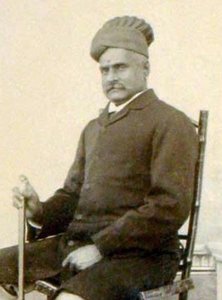
라자 라비 바르마
1848 - 1906 , 인도
작가 정보 요약
- Artistic Movement Or Style: 아카데미즘 및 인도 융합
- Artists Or Movements Influenced By This Artist: ['현대 인도 미술']
- Artists Who Influenced This Artist: ['유럽 거장들']
- Date Of Birth: 1848년 4월 29일
- Date Of Death: 1906년 10월 2일
- Full Name: 라자 라비 바르마
- Nationality: 인도인
- Notable Artworks:
- 한사 다마얀티
- 트라반코어의 마하라니
- 샤쿤탈라
- 신사의 초상
- Place Of Birth: 킬리마누르, 인도