

 실제 크기로 보기
 보내기
보내기 공유하기
공유하기
 상세 보기
상세 보기 가이드 보기

 이미지 다운로드
 유사 작품 더 보기
 X-레이
X-레이 슬라이드 쇼 보기
 통계 정보
통계 정보Geetāshtak\n\n


 상세 보기
상세 보기
지클레 / 아트 프린트
빠른 제작과 다양한 마감 옵션을 선택할 수 있는 박물관 수준의 지클레이 및 캔버스 프린트. ( 수작업 채색 복제본 주문하기 디지털 이미지 판매 채널로 전환)




P118B ₩10

P118H ₩10

P118W ₩10

P438Z ₩10

P508JH ₩12

P508YH ₩12

P805H ₩10

P805Z ₩10

P919BZ ₩10

P919G ₩10

P919XJ ₩10

P959ZH ₩10

P968JZ ₩12

W106C ₩8

W218G ₩10

W218JH ₩8

W218Y ₩10

W307PJ ₩10

W316G ₩10

W316PJ ₩8

W316Y ₩10

W398PJ ₩8

W4111J ₩10

W500HY ₩15

W500JH ₩15

W692G ₩12

W849H ₩8

W940BG ₩15

W953PJ ₩8




작품의 원본 비율을 그대로 유지하는 프리셋 사이즈 중에서 선택해 보세요.

액자나 벽면 크기에 맞춰 필요한 가로와 세로 길이를 입력해 주세요. 프린트는 원본 이미지보다 크게 제작할 수 없으며 오직 자르는 것만 가능하므로, 비율이 다른 사이즈를 선택할 경우 이미지의 일부가 잘려 나갈 수 있습니다. 인쇄 작업에 들어가기 전, 최종 확인을 위해 디지털 목업을 보내드립니다. 이 페이지에 표시된 이미지는 실제 잘리는 영역을 나타내지 않으며, 오직 목업을 통해서만 정확한 확인이 가능합니다.


 유리 옵션은 110cm 미만 크기에서만 선택 가능합니다.

Geetāshtak\n\n
지클레 / 아트 프린트
복제본 규격
-


총 결제 금액
₩ 108564
A Poetic Tapestry of Script and Spirit
In the delicate interplay of ink and emerald, Geetāshtak emerges as more than a mere visual artifact; it is a profound meditation on the written word and its rhythmic soul. Created in 1926 by the legendary Bengali polymath Rabindranath Tagore, this piece serves as a bridge between the literary and the visual, where the boundaries of poetry and painting dissolve into one another. The artwork presents an intricate oriental script, flowing across the surface with a grace that suggests the very cadence of a song. Set against a lush, deep green background, the composition achieves a striking balance, allowing the fine details of the calligraphy to breathe while enveloping the viewer in a sense of tranquil, verdant depth.
The technique employed here reflects Tagore’s unique position as a pioneer of contextual modernism. Rather than focusing on representational imagery, the artist utilizes the aesthetic power of the script itself to evoke emotion. The meticulous attention to detail in each stroke suggests a rhythmic, almost musical quality—fitting for a work titled Geetāshtak, which hints at a collection of songs or verses. This approach invites the observer to look beyond the literal meaning of the characters and instead feel the movement, the weight, and the spiritual resonance of the ink as it dances upon the page.
Historical Resonance and Modern Elegance
To understand Geetāshtak is to understand the cultural renaissance of early 20th-century India. During a period when artists were seeking to reclaim their heritage while embracing modern sensibilities, Tagore stood at the forefront, blending traditional Indian aesthetics with a global, modernist vision. This piece captures that precise historical tension—the reverence for ancient script and spiritual tradition paired with a minimalist, almost abstract focus on form and color. It is a testament to an era where art was used to express a profound sense of identity and cosmic connection.
For the discerning collector or interior designer, this reproduction offers a sophisticated focal point that transcends mere decoration. The emerald tones provide a calming, organic energy, making it an ideal addition to spaces designed for contemplation, such as libraries, study alcoves, or serene living areas. Because the work relies on the evocative power of texture and tone rather than overt subject matter, it integrates seamlessly into both classical and contemporary interiors. It serves as a conversation piece that whispers of ancient wisdom and poetic beauty, bringing a touch of timeless, scholarly elegance to any curated environment.
질의응답
"Geetāshtak\n\n"은(는) 어떤 감정과 관련이 있나요?
Rabindranath Thakur의 "Geetāshtak\n\n"은(는) Spiritual 감성을 전달합니다.
Rabindranath Thakur의 "Geetāshtak\n\n"의 휘도는 어느 정도인가요?
"Geetāshtak\n\n"의 색상은 Gentle Luminance 정도의 휘도를 나타냅니다.
Rabindranath Thakur의 "Geetāshtak\n\n"의 채도는 어느 정도인가요?
Rabindranath Thakur의 "Geetāshtak\n\n"은(는) Clear Color Presence의 채도로 기록되었습니다.
작가 소개
A Pioneer of Contextual Modernism: Rabindranath Tagore’s Artistic Legacy
Rabindranath Tagore, born May 7, 1861, in Kolkata, stands as an unparalleled figure in Bengali literature and culture—a testament to the transformative power of artistic vision. More than just a poet laureate, he was a multifaceted genius who profoundly impacted Indian art with his innovative approach to modernism, blending traditional aesthetics with contemporary sensibilities. His influence continues to resonate across disciplines and cultures today, marking him as a true polymath whose creative reach extended far beyond the written word.
Tagore’s upbringing within an intellectually stimulating family nurtured his innate artistic inclinations. His father, Debendranath Tagore, was a philosopher deeply connected to Abanindranath Tagore—who would later become a celebrated Indian artist and the founder of the Bengal School of May Art. This environment, rich in creative pursuits, provided Rabindranath with a foundation where music, literature, and visual expression were inextricably linked. From childhood, he demonstrated a remarkable aptitude for writing poetry, immersing himself in the literary traditions of Bengal while simultaneously exploring musical compositions. This dual engagement foreshadowed his artistic trajectory, establishing him as an artist who would eventually transcend conventional boundaries.
The Convergence of Tradition and Modernity
Tagore’s involvement with the movement surrounding the Bengal School of Art proved pivotal to shaping his unique visual style. This era championed a distinctive aesthetic known as contextual modernism, which sought to revitalize Indian art through a dialogue with Western influences without abandoning its core spiritual and cultural heritage. Tagore embraced this spirit of experimentation wholeheartedly. While he is globally renowned for his literary mastery, his foray into the visual arts revealed a deeply intuitive and spontaneous creator.
In his paintings, Tagore skillfully incorporated elements of European Impressionism and Symbolism, creating works imbued with evocative imagery and emotional depth. His technique often bypassed rigid academic structures in favor of something more primal and expressive. He utilized fluid lines and organic forms to capture the essence of his subjects, ranging from the spiritual atmosphere of Santiniketan to the rhythmic energy of a Dancing Woman. His work often featured intricate details, such as the poetic use of oriental script seen in masterpieces like Geetāshtak, where lush backgrounds meet calligraphic elegance, inviting viewers into a meditative state.
A Lasting Historical Significance
The significance of Rabindranath Tagore lies not only in his individual achievements but in his role as a bridge between eras and civilizations. As a Nobel Laureate, he brought the profound spiritual and humanistic themes of Indian thought to the global stage through works like Gitanjali. His artistic legacy is characterized by several key pillars:
- Cultural Synthesis: The ability to merge the rhythmic traditions of Bengal with the modern visual languages of the West.
- Spiritual Expression: A lifelong pursuit of capturing the divine and the natural world through both verse and pigment.
- Educational Vision: His role in fostering an environment at Santiniketan where art, nature, and learning could coexist harmoniously.
- Modernist Innovation: Breaking away from rigid metrical patterns in literature and formal constraints in painting to find a more authentic, personal voice.
Today, the works of Tagore serve as a vital touchstone for anyone seeking to understand the evolution of Indian modernism. His ability to weave together the spiritual essence of his homeland with a forward-looking, global perspective ensures that his name remains synonymous with the very heart of creative revolution.

Rabindranath Thakur
1861 - 1941 , India
작가 정보 요약
- Full Name: Rabindranath Tagore
- Nationality: Bengali
- Date Of Birth: 1861
- Date Of Death: 1941
- Place Of Birth: Kolkata, India
- Notable Artworks:
- Pavilion
- Ruins at Cannouge
- Khunjani Wali
- Artistic Movement Or Style: Contextual Modernism
- Artists Who Influenced This Artist:
- Edward Thomas Daniell
- Nandalal Bose
관련 기사
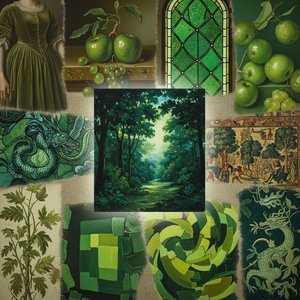
Chrome Green Masterpieces: 10 Famous Paintings & Their Alluring Hues |
Explore 10 famous paintings where 'Chrome Green' reigns supreme! Discover Monet, Manet & Van Gogh’s masterpieces. Learn the stories behind these iconic artworks and find museum-quality art reproductions for your home at .
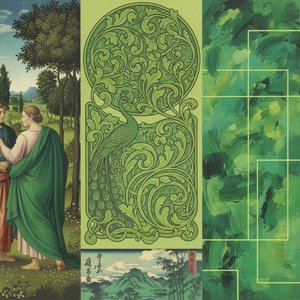
Verdant Visions: Exploring the Symbolism & Aesthetic Impact of Green in Art History
Explore the rich history & symbolism of green in art! Discover iconic paintings, techniques, and how to bring verdant harmony into your home with OriginalUniqueArt's expert guide.
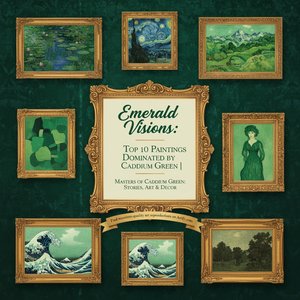
Emerald Visions: Top 10 Paintings Dominated by Cadmium Green |
Explore 10 iconic paintings where cadmium green reigns supreme! From Monet to Van Gogh, discover the stories behind these masterpieces & the power of color. Find museum-quality art reproductions and elevate your home decor on .
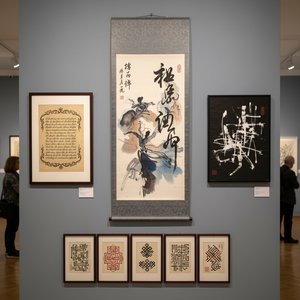
The Elegance of Line: Discovering the Timeless Beauty of Calligraphy Artworks
Explore the profound beauty of calligraphy art. From the fluid running script of Chinese masters to historical ink masterpieces, discover how the elegance of line transforms spaces with timeless grace and scholarly sophistication.

Raja Ravi Varma: Bridging Tradition & Modernity in 19th-Century Indian Art
Explore the life & art of Raja Ravi Varma, a pioneer who fused European techniques with Indian iconography. Discover his iconic paintings, lasting legacy, and influence on modern Indian art at OriginalUniqueArt.

