프린트 판매로 전환
 더 보기
더 보기







































 가로 또는 세로 중 어느 한 면이라도 105cm(약 41인치)를 초과하는 작품이나 복제화의 경우, 프레임은 분해된 키트 형태로 배송됩니다. 이는 안전한 배송을 보장하고 운송 중 발생할 수 있는 손상을 방지하기 위함입니다.


A Vision of Classical Splendor
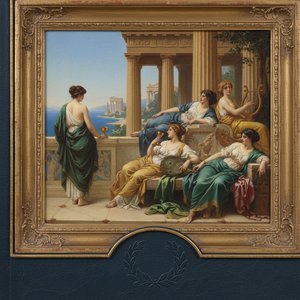
In the luminous realm of Neo-Classicism, few works capture the serene intersection of human grace and architectural grandeur as exquisitely as John William Godward’s Athenais. Painted in 1908, this masterpiece serves as a breathtaking window into a lost era of antiquity, reimagined through the meticulous lens of the late Victorian era. The painting presents us with a central figure of incomparable elegance, draped in a flowing, vibrant red gown that commands the viewer's gaze. As she stands with a poised hand upon her hip, her presence is not merely decorative but foundational to the composition, embodying a sense of quiet confidence and timeless beauty. The rich, crimson hue of her attire creates a striking visual dialogue with the pale, marble textures surrounding her, ensuring that the subject remains the beating heart of this classical dreamscape.
The setting of Athenais is nothing short of theatrical, designed to transport the observer to a world of myth and marble. Godward surrounds his protagonist with an array of sculpted figures—Greek gods and goddesses carved into architectural elements—which lend the scene an air of sacred permanence. These statues, rendered with such precision that one can almost feel the coolness of the stone, provide a structural rhythm to the piece. The inclusion of delicate birds, fluttering near the periphery, introduces a subtle layer of life and movement, breaking the stillness of the marble and infusing the atmosphere with a sense of tranquil harmony. This careful balance between the static permanence of architecture and the fleeting vitality of nature is what makes the work so profoundly captivating.
Mastery of Technique and Light
To behold Athenais is to witness the pinnacle of academic realism and the masterful application of oil on canvas. Godward’s technique is characterized by an extraordinary attention to texture; he layers his pigments with a devotion that allows the viewer to distinguish between the soft, supple folds of silk and the hard, weathered grain of ancient stone. The lighting within the painting is masterfully diffused, casting gentle shadows that sculpt the woman's form and provide a realistic sense of depth. This soft illumination avoids harsh contrasts, instead bathing the entire scene in a warm, nostalgic glow that enhances the romanticism of the subject matter.
The color palette is a sophisticated study in balance, dominated by deep reds, pristine whites, and muted earth tones. These colors work in concert to create a sense of stability and order, reflecting the core tenets of the Neo-Classical movement. The lines are predominantly smooth and flowing, guiding the eye through the organic curves of the human form and into the geometric precision of the classical backdrop. For the discerning collector or interior designer, this painting offers more than just visual beauty; it provides a sophisticated focal point that brings an aura of cultured refinement and historical depth to any space.
Symbolism and Lasting Emotional Resonance
Beyond its aesthetic brilliance, Athenais is steeped in symbolic resonance. The figure herself, often interpreted through the lens of classical mythology, evokes themes of purity, vulnerability, and the eternal nature of beauty. The architectural setting—a monument to civilization and human achievement—serves as a powerful counterpoint to the organic grace of the woman, suggesting a harmonious coexistence between humanity and the enduring legacies of the past. There is a profound sense of nostalgia in Godward's work, a longing for the perceived order and moral seriousness of the ancient world.
For those seeking to adorn their homes with art that inspires contemplation, this painting offers an emotional journey into the sublime. It invites the viewer to pause, to breathe in the stillness of the scene, and to reconnect with the classical ideals of beauty and grace. Whether viewed as a historical document of the late 19th-century academic style or as a timeless piece of decorative art, Athenais remains an enduring testament to the power of the brush to resurrect the splendor of antiquity.
질의응답
존 윌리엄 고드워드의 "Athenais"의 대비(contrast)는 어느 정도인가요?
존 윌리엄 고드워드의 "Athenais"은(는) 밝은 부분과 어두운 부분 사이의 Bold 대비를 보여줍니다.
"Athenais"은(는) 어떤 공간에서 어떤 용도로 활용하기에 좋을까요?
"Athenais"은(는) Focal 용도로 추천하며, Living Room 공간에 배치하기 좋습니다.
"Athenais"의 Tall 형식은 어디에 전시하는 것이 가장 좋을까요?
존 윌리엄 고드워드의 "Athenais"의 작품 형태(Tall)와 추천 공간(Living Room)은 이 작품을 위한 두 가지 배치 정보입니다.
이 작품에 대해 더 알아보기
 미리보기
미리보기
 공유하기
공유하기 공유하기
공유하기
 상세 정보
상세 정보 가이드 보기

 다운로드
다운로드
 유사 작품 더 보기
 X-레이
X-레이 슬라이드 쇼 보기
 질의응답
질의응답 통계 정보
통계 정보