메뉴 펼치기
무료 아트 컨설팅
미리보기미리보기 AR 미리보기AR 미리보기 프린트 구매 프린트 구매이미지 구매 이미지 구매 공유하기공유하기
상세 정보상세 정보 즐겨찾기에 추가 즐겨찾기에 추가 다운로드다운로드 유사 작품유사 작품 X-레이X-레이 슬라이드 쇼슬라이드 쇼

Up the River During Qingming

Admire Qiu Ying’s masterpiece ‘Up the River During Qingming,’ a stunning Ming Dynasty landscape depicting festive activities and opulent palace architecture—a testament to Suzhou artistry.

Qiu Ying (1494-1552): Celebrated Ming Dynasty painter renowned for exquisite gongbi landscapes, figures & flowers. One of China's Four Masters.

수제 유화 복제품

원하는 크기와 액자로 주문 제작되는, 작가들이 직접 캔버스에 손으로 그린 유화 작품입니다. (프린트 구매 프린트 구매이미지 구매 이미지 구매)

P118B $10
P118H $10
P118W $10
P438Z $10
P508JH $12
P508YH $12
P805H $10
P805Z $10
P919BZ $10
P919G $10
P919XJ $10
P959ZH $10
P968JZ $12
W106C $8
W218G $10
W218JH $8
W218Y $10
W307PJ $10
W316G $10
W316PJ $8
W316Y $10
W398PJ $8
W4111J $10
W500HY $15
W500JH $15
W692G $12
W849H $8
W940BG $15
W953PJ $8

Standard
custom
CM
INCH

작품의 원본 비율을 유지하는 미리 설정된 크기 중에서 선택하세요.

가로 너비
세로 길이

특정 프레임이나 공간에 맞도록 직접 크기를 입력할 수 있습니다. 선택하신 크기가 원본 이미지의 비율과 일치하지 않는 경우, 작품을 자르거나 추가적인 손으로 그린 요소를 사용하여 그림을 확장합니다. 제작 시작 전 승인을 위해 디지털 목업을 보내드립니다.
화면 미리 보기는 실제 자르기 또는 확장을 반영하지 않습니다. 최종 구성은 목업을 통해서만 정확하게 확인하실 수 있습니다.
맞춤 크기 제작도 가능하지만, 원본 비율을 유지하기 위해 사전 정의된 목록에서 크기를 선택하시는 것을 권장합니다.

변경 가능한 예시: 얼굴을 고객의 사진으로 교체, 반려동물 추가(예: 고양이를 강아지로 변경), 배경에 숨겨진 메시지 삽입, 배경 풍경 또는 요소 변경 등
주문 후 OriginalUniqueArt.com 팀에서 상세 안내를 위해 고객님께 이메일을 보내드리며, 미리보기 시안을 제공해 드립니다.

전 세계 배송()은 표준 5주 대신 3~4주 내에 완료됩니다. (16 8월). 품질에는 어떠한 타협도 하지 않습니다.

why_choose_icon
전 세계 무료 특급 배송
why_choose_icon
프리미엄 린넨 캔버스
why_choose_icon
전체 배송 보험 보장
why_choose_icon
관세 환불 보장
why_choose_icon
실제 색상 일치 보장
why_choose_icon
60일 이내 반품 정책 (제조 결함 시)
why_choose_icon
100% 환불 보장
why_choose_icon
다량 구매 할인 혜택

총 합계 금액

$ 300

reproduction

Up the River During Qingming

재현 기법

복제본 크기

-

최종 결제 금액

$ 300

작품 정보 요약

  • Medium: Ink and Color Painting
  • Artistic style: Gongbi Landscape Painting
  • Artist: Qiu Ying
  • Influences: Zhou Chen
  • Dimensions: 34 x 804 cm
  • Year: 1644
  • Subject or theme: Qingming Festival Scene

예술 상식 퀴즈

각 질문의 정답은 하나뿐입니다.

질문 1:
What is the primary subject matter of ‘Up the River During Qingming’?
질문 2:
The painting is attributed to which Ming Dynasty artist?
질문 3:
What distinguishes this version of ‘Up the River During Qingming’ from other known copies?
질문 4:
The painting employs techniques that create an illusion of space, specifically focusing on:
질문 5:
Which color palette is prominently featured in ‘Up the River During Qingming’, contributing significantly to its decorative style?

작품 상세 설명

A Celebration of Springtime Majesty: Exploring Qiu Ying’s “Up the River During Qingming”

“Up the River During Qingming,” attributed to Qiu Ying (ca. 1494-1522), stands as a monumental achievement in Ming Dynasty landscape painting, embodying not merely visual beauty but also profound cultural significance. Executed during the reign of Emperor Huizong of the Song dynasty (1644–1911), this scroll captures the vibrant spirit of Qingming Festival – Tomb Sweeping Day – a solemn yet joyous occasion commemorating ancestors and honoring springtime renewal. Its enduring appeal lies in its masterful blend of meticulous observation, artistic innovation, and symbolic representation, cementing Qiu Ying’s place among China's Four Masters.

The Landscape Vision: Detail and Illusion

The painting depicts a bustling scene along Lake Jinming, showcasing an astonishing level of detail that transcends mere topographical accuracy. The artist skillfully employs techniques honed under Zhou Chen’s tutelage to create an illusionistic space—a cornerstone of gongbi painting—where buildings appear to recede into the distance, trees shimmer with reflected light, and ripples dance across the water's surface. Mineral blue and green pigments dominate the palette, complemented by touches of cinnabar, gamboge, whitewash, and violet, resulting in a color scheme that is both opulent and harmonious. The layering of landscape forms—mountains, hills, pavilions, boats—is executed with painstaking precision, reflecting a deep understanding of perspective and atmospheric effects. This deliberate artistry elevates the scene beyond a simple depiction of nature; it aspires to evoke a feeling of grandeur and tranquility.

A Symphony of Activity: Capturing Qingming Festivities

Beyond its breathtaking visual splendor, “Up the River During Qingming” is notable for its portrayal of diverse activities associated with Qingming Festival. The scroll depicts an imperial boat race—a spectacle designed to honor the deceased—complete with elaborately decorated boats and competitive racers vying for pennants. Furthermore, scenes of willow shooting, acrobatics, tightrope walking, and a military review underscore the festival’s multifaceted character. These figures are rendered with remarkable realism, capturing expressions of joy, excitement, and reverence. The artist's attention to detail extends beyond human subjects; he meticulously portrays architectural elements—the ornate pavilions and buildings lining the lake—emphasizing the grandeur of imperial patronage and celebrating the blossoming beauty of springtime.

Symbolism Rooted in Tradition: Echoes of Confucian Values

The painting’s symbolism resonates deeply with Confucian ideals prevalent during the Ming Dynasty, reflecting a reverence for ancestors and an acknowledgment of the cyclical nature of life and death. The lake itself symbolizes purity and immortality—concepts central to Confucian cosmology—while the boats represent journeys toward enlightenment and remembrance. The meticulous depiction of rituals and ceremonies underscores the importance of filial piety and honoring familial heritage. Moreover, the inclusion of willow shooting—a traditional pastime symbolizing resilience and renewal—suggests a belief in overcoming adversity and embracing new beginnings.

A Legacy Enduring Through Time: Influence and Reproduction

“Up the River During Qingming”’s impact extends far beyond its original creation. Dozens of copies bearing Qiu Ying's name survive today, demonstrating the painting’s enduring popularity and artistic prestige. Notably, three scrolls reside in the National Palace Museum collection, providing invaluable insight into Ming Dynasty art history. Its stylistic innovations—particularly the masterful illusionistic space and the vibrant color palette—have served as inspiration for subsequent generations of artists, ensuring that Qiu Ying's vision continues to captivate audiences worldwide. Reproductions of this masterpiece offer a tangible connection to China’s artistic heritage, allowing viewers to experience the sublime beauty and profound symbolism of “Up the River During Qingming.”

작가 약력

A Life Forged in Brushstrokes: The World of Qiu Ying

Born into humble circumstances in 1494, in the town of Taicang near present-day Jiangsu province, Qiu Ying rose to become one of the most celebrated painters of the Ming Dynasty. Unlike many artists of his era who benefited from scholarly upbringing and formal education within established artistic circles, Qiu Ying’s path was remarkably self-made. He began his artistic journey not through traditional channels, but as an apprentice lacquer artisan, honing his skills in detailed decorative work – a foundation that would profoundly influence the meticulous precision characteristic of his later paintings. This early experience instilled in him a mastery of line and color, qualities he would refine under the tutelage of Zhou Chen in Suzhou, a vibrant cultural hub during the Ming period. It was within this dynamic environment that Qiu Ying truly began to blossom, absorbing techniques and developing an artistic voice uniquely his own.

Master of Versatility: Style and Technique

Qiu Ying’s genius lay not in adhering rigidly to one school or style, but in his extraordinary versatility. While Suzhou was a stronghold of the delicate ink wash painting favored by the Wu School, Qiu Ying demonstrated an exceptional ability to master both this nuanced approach and the vibrant, detailed *gongbi* technique. This adaptability allowed him to cater to a diverse clientele with varying tastes, establishing himself as a highly sought-after artist. He skillfully blended these techniques, often incorporating elements of the green-and-blue style – known for its rich coloration and intricate detail – into his compositions. His paintings are distinguished by an exquisite refinement of color, meticulous attention to detail, and a remarkable ability to capture both grand panoramic landscapes and intimate, delicately rendered scenes. This technical prowess wasn’t merely about skill; it was about storytelling, conveying emotion, and bringing narratives to life on silk or paper.

Patronage and the Flourishing of a Career

Qiu Ying's career flourished thanks to the generous support of wealthy patrons who commissioned works across a broad spectrum of subjects. He painted landscapes imbued with atmospheric perspective, religious scenes radiating spiritual devotion, delicate depictions of flowers and gardens brimming with life, and compelling figural compositions that captured the essence of his subjects. Among his most celebrated creations are masterful renditions like *Up the River During Qingming*, inspired by the iconic Northern Song dynasty original; *Lady in a Bamboo Grove*, showcasing his skill in portraying elegant figures within natural settings; *The Seven Sages of the Bamboo Grove*, demonstrating his understanding of classical literary themes; and *Spring Morning in the Han Palace*, a vibrant depiction of courtly life. Key patrons such as Chen Guan of Suzhou, and later Zhou Fenglai and Xiang Yuanbian – both prominent art collectors – played pivotal roles in supporting his artistic endeavors, providing him with the freedom to explore his creativity and refine his technique.

Legacy and Lasting Influence

Qiu Ying’s talent and versatility earned him a place among the “Four Masters” of the Ming Dynasty—a testament to his profound impact on Chinese painting. He bridged the gap between traditional styles and contemporary tastes, creating works that were both technically brilliant and aesthetically pleasing. His paintings reflect influences from earlier masters, particularly those of the Song Dynasty, but he skillfully blended these historical precedents with the aesthetics of his own time. He didn’t simply imitate; he synthesized, innovated, and ultimately created a style that was distinctly his own. Beyond his lifetime, Qiu Ying's influence extended to generations of artists who admired his masterful technique and innovative approach. He remains a celebrated figure in the history of Chinese art, revered for his ability to capture beauty, convey meaning, and leave an indelible mark on the artistic landscape. Even today, his name graces a crater on Mercury—a fitting tribute to an artist whose vision reached beyond earthly bounds. His legacy continues to inspire awe and admiration among art enthusiasts worldwide.
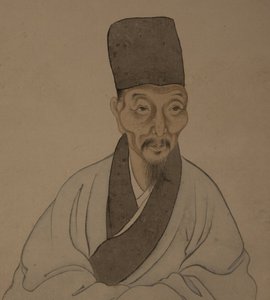
Qiu Ying

Qiu Ying

1494 - 1552 , China

주요 정보

  • Artistic Movement Or Style: Gongbi, Wu School
  • Artists Or Movements Influenced By This Artist: ['Ming Dynasty artists']
  • Artists Who Influenced This Artist: ['Song Dynasty masters']
  • Date Of Birth: 1494
  • Date Of Death: 1552
  • Full Name: Qiu Ying
  • Nationality: Chinese
  • Notable Artworks:
    • Up the River During Qingming
    • Lady in a Bamboo Grove
    • Seven Sages of Bamboo Grove
    • Spring Morning in Han Palace
  • Place Of Birth: Taicang, China