

 실제 크기로 보기
 보내기
보내기 공유하기
공유하기
 상세 보기
상세 보기 가이드 보기

 이미지 다운로드
 유사 작품 더 보기
 X-레이
X-레이 슬라이드 쇼 보기
 통계 정보
통계 정보Up the River During Qingming
 Oil On Canvas
- WallArt
- Ming Dynasty Painting
 1644
1644 34.0 x 804.0 cm
 국립고궁박물원
 상세 보기
상세 보기
온라인 미리보기보다 훨씬 뛰어난 품질의 고해상도 디지털 이미지를 구매해 보세요.
각 파일은 사내 전문가가 고급 도구와 숙련된 수동 리터칭 기술을 사용하여 세심하게 준비합니다. 우리는 모든 이미지가 탁월한 선명도, 정확한 색상 재현력, 그리고 미세한 디테일까지 완벽하게 갖추도록 보장합니다.
최종 파일은 전문적인 편집 및 인쇄 환경에서 즉시 사용할 수 있도록 최적화되어 72시간 이내에 이메일로 발송됩니다. 이는 세계적인 디자인 스튜디오, 출판사 및 갤러리가 신뢰하는 것과 동일한 품질입니다.
디지털 이미지
개인 소장 및 전시, 인쇄, 창작 프로젝트를 위한 고해상도 파일을 다운로드하세요. ( 프린트 판매로 전환 수작업 채색 복제본 주문하기)
모든 디지털 이미지 주문 시 제공되는 혜택
전문적인 디지털 이미지 전송 보장
OriginalUniqueArt.com를 선택하시면 단순히 이미지를 받는 것을 넘어, 정밀한 보정 과정을 거쳐 완성된 전문적인 디지털 예술 작품을 만나보실 수 있습니다. 모든 작품에는 만족 보장 서비스가 함께 제공되며, 주문 시 다음과 같은 사항들이 자동으로 포함됩니다:

빠른 이메일 수령
주문 후 72시간 이내에 고해상도 디지털 이미지 파일이 이메일로 발송되며, 즉시 사용하실 수 있습니다.

AI 기술로 최적화된 디지털 파일
귀하의 작품은 고급 AI 기술과 정교한 수동 편집 과정을 거쳐 전문적으로 최적화되며, 이를 통해 디테일과 선명도, 색상의 정확도를 극대화합니다.

평생 무료 재전송 서비스
파일을 실수로 삭제하거나 분실하셨나요? 걱정 마세요. 언제든 무료로 다시 보내드립니다.

추가 수입 비용 없음 - 언제나
관세나 부가세, 배송비 부담 없이 작품을 즉시 소장하세요 - 디지털 다운로드는 언제나 면세 혜택이 적용됩니다.

정확한 색상 보장
전문적인 도구와 색상 관리 시스템을 통해 디지털 이미지가 원본의 색상을 최대한 정확하게 구현하도록 보장합니다.

100일 만족 보장제
구매하신 디지털 이미지에 만족하지 못하실 경우, 100일 이내에 별도의 조건 없이 수정 또는 100% 환불을 진행해 드립니다.

100% 환불 보장
만족스럽지 않으신가요? 디지털 파일을 받으신 후 100일 이내에 조건 없이 전액 환불해 드립니다.

대량 주문 할인
이미지 3매 구매 시 10% 할인 - 5매 구매 시 15% 할인 - 10매 이상 구매 시 20% 할인. 크리에이티브 프로젝트, 갤러리, 에이전시에 매우 유용합니다.
A Glimpse into Imperial Life and Artistic Mastery
“Up the River During Qingming” – a title that conjures images of a vibrant, bustling scene, yet within its painted surface lies a profound meditation on life, death, and the ephemeral beauty of the natural world. Attributed to the masterful Qiu Ying, a painter who defied conventional artistic paths to forge his own legacy during the Ming Dynasty (1494-1552), this handscroll offers an unparalleled window into 17th-century China – a time of immense cultural flourishing and imperial grandeur. More than just a depiction of a river journey, it’s a meticulously crafted tableau that speaks volumes about social hierarchy, artistic innovation, and the enduring fascination with capturing fleeting moments.
The Painter's Journey: From Lacquer to Legend
Qiu Ying’s origins were remarkably unconventional. He began his career not within the established academies of art, but as a lacquer artisan – a skill that instilled in him an extraordinary attention to detail and a deep understanding of color and texture. This early apprenticeship honed his ability to render intricate patterns with precision, a quality that would become hallmarks of his later paintings. He subsequently studied under Zhou Chen in Suzhou, a renowned master who further refined his technique and exposed him to the prevailing artistic trends of the era. Qiu Ying’s journey is a testament to the power of self-directed learning and the diverse paths one can take to achieve artistic greatness.
A Symphony of Color and Technique
The scroll's visual impact is immediately arresting, dominated by a rich palette of mineral pigments – vibrant blues derived from lapis lazuli, shimmering greens sourced from malachite, and fiery reds achieved with cinnabar. Qiu Ying’s technique exemplifies the “gongbi” style, characterized by meticulous brushwork and an almost photographic realism. Notice the incredible detail in the rendering of the buildings lining the riverbank – each tile meticulously depicted, reflecting the opulence of imperial architecture. The water itself is treated with a remarkable fluidity, utilizing layered washes to create an illusion of movement and depth. The use of “wet-on-wet” technique further enhances this effect, blurring the boundaries between foreground and background.
Scenes of Celebration and Social Commentary
“Up the River During Qingming” is not simply a landscape painting; it’s a carefully constructed narrative. The scene unfolds along the Jinming River, teeming with activity as people celebrate the Qingming Festival – a time for honoring ancestors and visiting graves. We see elaborate boat races, lively dance performances, acrobatic displays, and even military reviews, all taking place within the confines of a grand palace complex. These activities are not merely decorative; they subtly comment on the social hierarchy of the time, with the emperor’s presence and lavish displays signifying his authority and power. The inclusion of stage performances suggests an appreciation for entertainment and cultural refinement.
Symbolism and the Ephemeral Nature of Life
Beyond its surface details, “Up the River During Qingming” is imbued with symbolic meaning. The river itself represents the flow of time, while the figures within the scene embody the diverse roles and aspirations of Ming Dynasty society. The meticulous detail with which Qiu Ying depicts the landscape – from the towering willow trees to the meticulously rendered buildings – underscores the importance of harmony between humanity and nature. Ultimately, the painting serves as a poignant reminder of the fleeting beauty of life and the enduring desire to capture it on canvas. It’s a masterpiece that continues to resonate with viewers centuries later, offering a glimpse into a bygone era and inviting us to contemplate our own place within the grand sweep of history.
질의응답
"Up the River During Qingming"의 저작권 상태가 현재와 같은 이유는 무엇인가요?
"Up the River During Qingming"의 저작권 상태 - 퍼블릭 도메인 - 저작권 보호 기간이 만료되었습니다 - 는 작가의 1552년 사망에 따라 결정됩니다.
구영의 "Up the River During Qingming"에는 어떤 기법이 사용되었나요?
구영의 "Up the River During Qingming"의 재료는 Oil On Canvas입니다. 복제화는 이 기법의 질감을 그대로 구현하는 것을 목표로 합니다.
구영의 "Up the River During Qingming"은(는) Ming Dynasty Painting 사조에서 많은 이들이 찾는 작품인가요?
Ming Dynasty Painting 사조 내에서, "Up the River During Qingming"은(는) Recognized 정도의 인지도를 보유하고 있습니다.
아티스트 프로필
붓끝으로 빚어낸 삶: 구영의 예술 세계
1494년, 오늘날의 장쑤성 인근 태창이라는 작은 마을에서 미천한 환경 속에 태어난 구영은 명나라를 대표하는 가장 찬란한 화가 중 한 명으로 우뚝 섰습니다. 학문적 배경과 정식 교육을 통해 예술계에 입문했던 당대의 수많은 화가와 달리, 구영의 행보는 놀라울 정도로 자수성가에 가까웠습니다. 그는 전통적인 경로가 아닌, 칠기 공예가의 도제로 예술 여정을 시작하며 세밀한 장식 작업의 기술을 연마했습니다. 이러한 초기 경험은 훗날 그의 화풍을 상징하는 극도로 정교하고 치밀한 묘사력의 밑거름이 되었습니다. 선과 색을 다루는 이 탁월한 감각은 명대의 역동적인 문화 중심지였던 소주의 주진 아래에서 더욱 깊어졌습니다. 구영은 이 활기찬 환경 속에서 다양한 기법을 흡수하며, 자신만의 독창적인 예술적 목소리를 꽃피우기 시작했습니다.다재다능한 거장: 화풍과 기법
구영의 천재성은 어느 한 학파나 스타일에 안주하지 않는 놀라운 범용성에 있었습니다. 당시 소주는 오파(Wu School)가 선호하던 섬세한 수묵화의 본거지였으나, 구영은 이 미묘한 접근법뿐만 아니라 화려하고 세밀한 공필(gongbi) 기법까지 완벽하게 섭렵하는 탁월한 능력을 보여주었습니다. 이러한 유연함 덕분에 그는 다양한 취향을 가진 고객층을 만족시킬 수 있었고, 당대 가장 각광받는 화가로 자리매김했습니다. 그는 풍부한 색채와 복잡한 디테일로 유명한 청록수법의 요소를 자신의 구도에 능숙하게 결합했습니다. 그의 작품은 정교하게 정제된 색채, 세밀한 묘사, 그리고 광활한 파노라마식 풍경부터 친밀하고 섬세한 장면까지 모두 포착해내는 놀라운 표현력으로 차별화됩니다. 이러한 기술적 숙련도는 단순한 기교를 넘어, 비단과 종이 위에 이야기를 들려주고 감정을 전달하며 서사에 생명력을 불어넣는 예술적 승화였습니다.후원과 예술적 전성기
구영의 예술적 경력은 폭넓은 주제로 작품을 의뢰했던 부유한 후원자들의 아낌없는 지원 덕분에 찬란하게 꽃피울 수 있었습니다. 그는 대기 원근법이 느껴지는 풍경화부터 영적인 헌신이 깃든 종교적 장면, 생동감이 넘치는 꽃과 정원의 섬세한 묘사, 그리고 인물의 본질을 꿰뚫는 매혹적인 인물화에 이르기까지 방대한 영역을 그려냈습니다. 그의 대표작 중에는 북송 시대의 걸작에서 영감을 받은 <청명상하도>, 자연 속 우아한 인물을 그려낸 <죽림칠현> 중 하나인 <죽림의 여인>, 고전 문학적 주제를 깊이 있게 다룬 <죽림칠현>, 그리고 궁중 생활을 생생하게 묘한 <한궁의 봄 아침> 등이 있습니다. 소주의 천관을 비롯하여 저명한 예술 수집가였던 주봉래와 상원변 같은 핵심 후원자들은 그가 창의성을 탐구하고 기법을 연마할 수 있도록 자유를 부여하며 그의 예술적 여정에 중추적인 역할을 수행했습니다.유산과 영원한 영향력
구영이 보여준 재능과 다재다능함은 그를 명나라의 '4대 화가' 반열에 올려놓았으며, 이는 중국 회화사에 남긴 그의 깊은 발자취를 증명합니다. 그는 전통적인 양식과 당대의 미적 취향 사이의 간극을 메우며, 기술적으로 탁월하면서도 미학적으로 아름다운 작품들을 탄생시켰습니다. 그의 화풍에는 송나라 시대 거장들의 영향이 깃들어 있으면서도, 이를 당대의 미감과 능숙하게 결합하여 단순한 모방이 아닌 독창적인 혁신을 이루어냈습니다. 구영의 영향력은 생애를 넘어 그의 숙련된 기법과 혁신적 접근을 경외해 온 후대 예술가들에게까지 이어졌습니다. 그는 아름다움을 포착하고 의미를 전달하며 예술적 지형에 지워지지 않을 흔적을 남긴 중국 미술사의 위대한 인물로 남아 있습니다. 오늘날 그의 이름이 수성의 분화구 명칭으로 사용되는 것은, 지구의 경계를 넘어선 그의 예술적 비전에 대한 가장 적절한 헌사일 것입니다. 그의 유산은 전 세계 예술 애호가들에게 끊임없는 경외와 찬사를 불러일으키고 있습니다.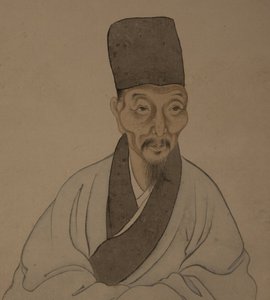
구영
1494 - 1552 , 중국
핵심 정보
- Artistic Movement Or Style: 공필화, 오파
- Artists Or Movements Influenced By This Artist: ['명나라 화가들']
- Artists Who Influenced This Artist: ['송나라 거장들']
- Date Of Birth: 1494
- Date Of Death: 1552
- Full Name: 치우잉
- Nationality: 중국
- Notable Artworks:
- 청명상하도
- 대나무 숲의 여인
- 죽림칠현
- 한궁의 봄 아침
- Place Of Birth: 중국 타이창