
 실제 크기로 보기
 보내기
보내기 공유하기
공유하기
 상세 보기
상세 보기 가이드 보기

 이미지 다운로드
 유사 작품 더 보기
 X-레이
X-레이 슬라이드 쇼 보기
 Q&A
Q&A 통계 정보
통계 정보소형 화병


 상세 보기
상세 보기
지클레 / 아트 프린트
빠른 제작과 다양한 마감 옵션을 선택할 수 있는 박물관 수준의 지클레이 및 캔버스 프린트. ( 수작업 채색 복제본 주문하기 디지털 이미지 판매 채널로 전환)




P118B ₩10

P118H ₩10

P118W ₩10

P438Z ₩10

P508JH ₩12

P508YH ₩12

P805H ₩10

P805Z ₩10

P919BZ ₩10

P919G ₩10

P919XJ ₩10

P959ZH ₩10

P968JZ ₩12

W106C ₩8

W218G ₩10

W218JH ₩8

W218Y ₩10

W307PJ ₩10

W316G ₩10

W316PJ ₩8

W316Y ₩10

W398PJ ₩8

W4111J ₩10

W500HY ₩15

W500JH ₩15

W692G ₩12

W849H ₩8

W940BG ₩15

W953PJ ₩8




작품의 원본 비율을 그대로 유지하는 프리셋 사이즈 중에서 선택해 보세요.

액자나 벽면 크기에 맞춰 필요한 가로와 세로 길이를 입력해 주세요. 프린트는 원본 이미지보다 크게 제작할 수 없으며 오직 자르는 것만 가능하므로, 비율이 다른 사이즈를 선택할 경우 이미지의 일부가 잘려 나갈 수 있습니다. 인쇄 작업에 들어가기 전, 최종 확인을 위해 디지털 목업을 보내드립니다. 이 페이지에 표시된 이미지는 실제 잘리는 영역을 나타내지 않으며, 오직 목업을 통해서만 정확한 확인이 가능합니다.


 유리 옵션은 110cm 미만 크기에서만 선택 가능합니다.

소형 화병
지클레 / 아트 프린트
복제본 규격
-


총 결제 금액
₩ 107587
작품 정보: 작은 화병
이 작은 화병은 석류 모양으로 되어 있으며, 불로장생의 상징적인 의미를 지닌 석화와 독특한 과일인 부처핸드 citron이 그려져 있습니다. 이 도자기는 초기 청나라 시대에 개발된 매우 고급스러운 유형의 “부드러운 패스트” 점토로 제작되었습니다. 하드 패스트로 일반적으로 중국 도자기 제작에 사용되는 것보다 훨씬 비싼 재료였으며, 아마도 책사들의 책상에 전시될 작은 물건들만을 위해 예약되었을 것입니다. 출처: Vignon, Charlotte. 프릭 컬렉션 장식 미술 핸드북. 뉴욕: 프릭 컬렉션/스칼라, 2015년. 사진 설명: 전체 인상적입니다. 이 사진은 작은 청나라 화병을 촬영한 스튜디오 스타일의 이미지입니다. 화병이 프레임 중앙에 위치하며 대부분의 공간을 차지하고 있습니다. 석류 모양으로 되어 있으며 가장자리가 약간 비스듬하게 이루어져 있습니다. 배경은 어두운 회색과 검은색 그라데이션으로 이루어져 있어 화병의 형태와 그림 장식을 강조합니다. 화병 자체는 부드러운 곡선으로 인해 아름다운 선율을 지닙니다. 구성: 화병은 이미지 중앙에 위치하여 대칭적인 구성을 이루고 있습니다. 이러한 균형 잡힌 배열은 안정감과 형식미를 더합니다. 조명은 화병의 곡선을 강조하고 그림 장치의 세부 사항을 부각합니다. 화병 표면은 조명으로 인해 매끄럽고 광택이 나며 플라워 패턴은 약간 들어간 질감을 지녀 도자기 제작 기술로 표현되었습니다. 이는 청나라 도자기 그림 기법입니다. 코발트 블루 색깔은 고전적인 중국 도자기 미학을 연출합니다. 화병의 흰색 도자기 몸체는 화병 전체를 채우고 있으며 플라워 패턴은 섬세한 줄기와 잎 그리고 석화와 부처핸드 citron 과 같은 장식된 과일로 이루어져 있습니다. 이 색깔 조합은 예술가들에게 영감을 불어넣으며 인테리어 디자인에도 아름다움을 더합니다. 색상 팔레트: 화병의 색상 팔레트는 흰색과 파란색으로 구성되어 있습니다. 화병 몸체는 순백색 도자기로 되어 있으며 복잡한 플라워 패턴은 코발트 블루 색깔로 표현되었습니다. 이러한 색깔은 고전적인 중국 도자기 미학을 연출하며 보는 이에게 깊은 감동감을 선사합니다. 특히 석화와 부처핸드 citron 과 같은 플라워 장식은 중국 문화에서 장수와 복록의 상징으로 여겨집니다. 또한 석화는 부유하고 성공하는 삶을 기원하는 의미를 담고 있으며 불로장생의 상징입니다. 화병 표면은 광택이 나며 플라워 패턴은 섬세한 줄기와 잎으로 이루어져 있습니다. 이 아름다운 장식은 보는 이에게 깊은 감동감을 선사합니다. 청나라 도자기 제작 기술은 코발트 블루 색깔을 사용하여 플라워 패턴을 표현하는 방법입니다. 화병의 흰색 도자기 몸체는 화병 전체를 채우고 있으며 플라워 패턴은 섬세한 줄기와 잎으로 이루어져 있습니다. 이 아름다운 장식은 보는 이에게 깊은 감동감을 선사합니다. 청나라 도자기 제작 기술은 코발트 블루 색깔을 사용하여 플라워 패턴을 표현하는 방법입니다. 화병의 흰색 도자기 몸체는 화병 전체를 채우고 있으며 플라워 패턴은 섬세한 줄기와 잎으로 이루어져 있습니다. 이 아름다운 장식은 보는 이에게 깊은 감동감을 선사합니다. 청나라 도자기 제작 기술은 코발트 블루 색깔을 사용하여 플라워 패턴을 표현하는 방법입니다. 화병의 흰색 도자기 몸체는 화병 전체를 채우고 있으며 플라워 패턴은 섬세한 줄기와 잎으로 이루어져 있습니다. 이 아름다운 장식은 보는 이에게 깊은 감동감을 선사합니다. 청나라 도자기 제작 기술은 코발트 블루 색깔을 사용하여 플라워 패턴을 표현하는 방법입니다. 화병의 흰색 도자기 몸체는 화병 전체를 채우고 있으며 플라워 패턴은 섬세한 줄기와 잎으로 이루어져 있습니다. 이 아름다운 장식은 보는 이에게 깊은 감동감을 선사합니다. 청나라 도자기 제작 기술은 코발트 블루 색깔을 사용하여 플라워 패턴을 표현하는 방법입니다. 화병의 흰색 도자기 몸체는 화병 전체를 채우고 있으며 플라워 패턴은 섬세한 줄기와 잎으로 이루어져 있습니다. 이 아름다운 장식은 보는 이에게 깊은 감동감을 선사합니다. 청나라 도자기 제작 기술은 코발트 블루 색깔을 사용하여 플라워 패턴을 표현하는 방법입니다. 화병의 흰색 도자기 몸체는 화병 전체를 채우고 있으며 플라워 패턴은 섬세한 줄기와 잎으로 이루어져 있습니다. 이 아름다운 장식은 보는 이에게 깊은 감동감을 선사합니다. 청나라 도자기 제작 기술은 코발트 블루 색깔을 사용하여 플라워 패턴을 표현하는 방법입니다. 화병의 흰색 도자기 몸체는 화병 전체를 채우고 있으며 플라워 패턴은 섬세한 줄기와 잎으로 이루어져 있습니다. 이 아름다운 장식은 보는 이에게 깊은 감동감을 선사합니다. 청나라 도자기 제작 기술은 코발트 블루 색깔을 사용하여 플라워 패턴을 표현하는 방법입니다. 화병의 흰색 도자기 몸체는 화병 전체를 채우고 있으며 플라워 패턴은 섬세한 줄기와 잎으로 이루어져 있습니다. 이 아름다운 장식은 보는 이에게 깊은 감동감을 선사합니다. 청나라 도자기 제작 기술은 코발트 블루 색깔을 사용하여 플라워 패턴을 표현하는 방법입니다. 화병의 흰색 도자기 몸체는 화병 전체를 채우고 있으며 플라워 패턴은 섬세한 줄기와 잎으로 이루어져 있습니다. 이 아름다운 장식은 보는 이에게 깊은 감동감을 선사합니다. 청나라 도자기 제작 기술은 코발트 블루 색깔을 사용하여 플라워 패턴을 표현하는 방법입니다. 화병의 흰색 도자기 몸체는 화병 전체를 채우고 있으며 플라워 패턴은 섬세한 줄기와 잎으로 이루어져 있습니다. 이 아름다운 장식은 보는 이에게 깊은 감동감을 선사합니다. 청나라 도자기 제작 기술은 코발트 블루 색깔을 사용하여 플라워 패턴을 표현하는 방법입니다. 화병의 흰색 도자기 몸체는 화병 전체를 채우고 있으며 플라워 패턴은 섬세한 줄기와 잎으로 이루어져 있습니다. 이 아름다운 장식은 보는 이에게 깊은 감동감을 선사합니다. 청나라 도자기 제작 기술은 코발트 블루 색깔을 사용하여 플라워 패턴을 표현하는 방법입니다. 화병의 흰색 도자기 몸체는 화병 전체를 채우고 있으며 플라워 패턴은 섬세한 줄기와 잎으로 이루어져 있습니다. 이 아름다운 장식은 보는 이에게 깊은 감동감을 선사합니다. 청나라 도자기 제작 기술은 코발트 블루 색깔을 사용하여 플라워 패턴을 표현하는 방법입니다. 화병의 흰색 도자기 몸체는 화병 전체를 채우고 있으며 플라워 패턴은 섬세한 줄기와 잎으로 이루어져 있습니다. 이 아름다운 장식은 보는 이에게 깊은 감동감을 선사합니다. 청나라 도자기 제작 기술은 코발트 블루 색깔을 사용하여 플라워 패턴을 표현하는 방법입니다. 화병의 흰색 도자기 몸체는 화병 전체를 채우고 있으며 플라워 패턴은 섬세한 줄기와 잎으로 이루어져 있습니다. 이 아름다운 장식은 보는 이에게 깊은 감동감을 선사합니다. 청나라 도자기 제작 기술은 코발트 블루 색깔을 사용하여 플라워 패턴을 표현하는 방법입니다. 화병의 흰색 도자기 몸체는 화병 전체를 채우고 있으며 플라워 패턴은 섬세한 줄기와 잎으로 이루어져 있습니다. 이 아름다운 장식은 보는 이에게 깊은 감동감을 선사합니다. 청나라 도자기 제작 기술은 코발트 블루 색깔을 사용하여 플라워 패턴을 표현하는 방법입니다. 화병의 흰색 도자기 몸체는 화병 전체를 채우고 있으며 플라워 패턴은 섬세한 줄기와 잎으로 이루어져 있습니다. 이 아름다운 장식은 보는 이에게 깊은 감동감을 선사합니다. 청나라 도자기 제작 기술은 코발트 블루 색깔을 사용하여 플라워 패턴을 표현하는 방법입니다. 화병의 흰색 도자기 몸체는 화병 전체를 채우고 있으며 플라워 패턴은 섬세한 줄기와 잎으로 이루어져 있습니다. 이 아름다운 장식은 보는 이에게 깊은 감동질의응답
"소형 화병"의 색상들은 빛을 어느 정도나 반사하는 것처럼 보이나요?
Qing Dynasty의 "소형 화병"의 휘도는 부드러운 그림자입니다. 휘도는 색상이 빛을 얼마나 반사하는지를 나타냅니다.
Qing Dynasty의 "소형 화병"의 정서적 분위기는 어떠한가요?
"소형 화병"은(는) 평온한 느낌을 전달합니다. 이 정서적 톤은 작품이 주는 인상을 설명합니다.
Qing Dynasty의 "소형 화병"은 밝은 분위기의 작품인가요, 아니면 어두운 분위기의 작품인가요?
Qing Dynasty의 "소형 화병"의 기록된 수치는 다음과 같습니다: 밝기 균형 잡힌, 휘도 부드러운 그림자.
작가 소개
A Legacy of Imperial Art: The Grandeur of the Qing Dynasty
The Qing Dynasty (1644–1912), often referred to as the Great Qing, represents one of the most profound and visually spectacular chapters in the long tapestry of Chinese history. It was an era defined by a complex synthesis of Manchu ambition and the deep-rooted traditions of Han Chinese culture. Emerging from the turbulent collapse of the Ming Dynasty, the Manchus established a new imperial order centered in Beijing, creating a period of unprecedented cultural production that would eventually leave an indelible mark on the global perception of Chinese aesthetics. This was not merely a time of political consolidation but a golden age of artistic innovation, where the boundaries between decorative splendor and fine art often blurred into a single, magnificent expression of imperial power.
The artistic foundations of this era were built upon a meticulous reverence for the past, yet they were simultaneously propelled by a spirit of adaptation. Early Qing painters, many of whom served within the prestigious Imperial Court, drew their strength from the classical techniques perfected during the preceding Ming period. They mastered the delicate balance of brushwork, color palettes, and compositional principles rooted in Daoist philosophy and Confucian ideals of harmony. As the dynasty progressed, the influence of Zen Buddhism introduced a new layer of emotional depth to the canvas, encouraging artists to capture the spontaneous essence of nature through the Xieyi style—a method that prioritized the "spirit" of the subject over mere anatomical or botanical accuracy.
The Mastery of Detail and the Brilliance of Porcelain
One of the most enduring legacies of the Qing era lies in the breathtaking precision of the Gongbi painting style. This meticulous approach to art demanded extraordinary patience and technical skill, as painters employed layered brushstrokes and vibrant pigments to achieve a level of realism that felt almost luminous. Artists such as Tingqua became renowned for these highly detailed works, which often featured delicate flora and fauna rendered with such clarity that they became sought-after treasures in Western collections. This period saw the artist's hand working in perfect concert with nature, capturing every nuance of texture, from the softest petal to the ruggedness of ancient stone.
Beyond the realm of paper and silk, the Qing Dynasty achieved a zenith in the production of ceramics that remains unsurpassed. The imperial porcelain capital of Jingdezhen became a crucible of innovation, producing vessels that were as much sculptural masterpieces as they were functional objects. During the Kangxi reign (1662–1722), the creation of magnificent blue and gold wares showcased a sophisticated palette that evoked both tranquility and luxury. The introduction of "soft paste" techniques around 1700 AD allowed for even more daring and intricate designs, embodying the era's characteristic blend of technical experimentation and refined elegance.
Cultural Synthesis and Historical Significance
The significance of Qing Dynasty art extends far beyond its aesthetic beauty; it serves as a vital historical record of a changing world. The era witnessed a fascinating dialogue between traditional Chinese values and burgeoning Western influences, particularly through the flourishing of export paintings that catered to a global market. This period of intense cultural production reflected the empire's vast territorial reach—stretching from the Sea of Japan to the Pamir Mountains—and its ability to absorb diverse influences into a cohesive imperial identity.
As the dynasty approached its twilight in the early 20th century, the art continued to evolve, reflecting the social shifts and the eventual transition toward the Republic of China. The works produced during this time remain essential for understanding the evolution of East Asian aesthetics. Whether through the monumental landscapes that spoke of eternal order or the delicate porcelain that whispered of imperial grace, the art of the Great Qing remains a testament to a civilization at its most visually opulent and culturally complex.

Qing Dynasty
1644 - 1911 , China
작가 정보 요약
- Full Name: qing dynasty
- Nationality: Chinese
- Date Of Birth: 1644
- Date Of Death: 1911
- Place Of Birth: China
- Notable Artworks: ['Pheasants and blue magpie']
- Artistic Movement Or Style: Gongbi & Xieyi Painting
- Artists Or Movements Influenced By This Artist: ['Kunqu Opera']
관련 기사
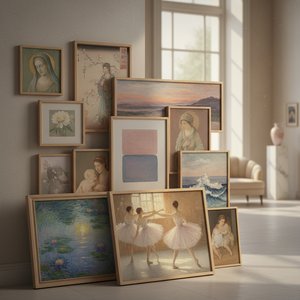
Soft Hues & Masterpieces: 10 Artworks That Define Delicate Color |
Explore 10 iconic artworks celebrated for their soft color intensity! From Monet's Impressionism to Renoir & Sargent, discover the stories behind these masterpieces. Find museum-quality art reproductions and curated decor ideas at .
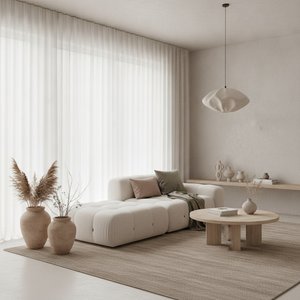
Soft Minimalism Trend Forecast: Elevating Modern Interiors with High-Impact, Serene Design
Master the Soft Minimalism trend with our expert design forecast. Discover how to elevate your space using textured neutrals, abstract art, and high-impact geometric forms to create a serene, quiet luxury sanctuary that feels both modern and timeless.
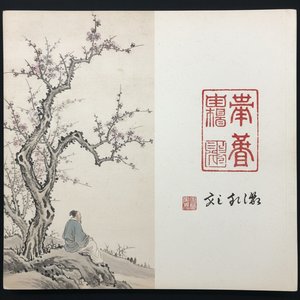
Xie Zhiliu: A Legacy of Ink Wash Painting & Modern Chinese Literati Tradition
Explore the legacy of Xie Zhiliu, a master of Chinese ink wash painting & prominent figure in modern art. Discover his techniques, influences, and contributions to literati tradition. A guide for discerning collectors.

Soft Minimalism: The Art of Serenity, Quiet Luxury, and Timeless Elegance in Interior Design
Discover the profound elegance of Soft Minimalism. Explore how texture, light, and art history converge to create serene, quiet luxury interiors through the lens of masterworks and timeless design principles.
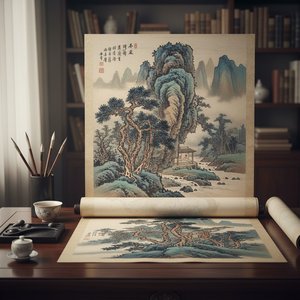
Pu Xinyu's 'Puru': A Legacy of Literati Painting & Emotional Resonance
Explore the captivating world of Pu Xinyu (Puru), the last great literati painter. Discover his imperial heritage, masterful ink wash techniques & enduring legacy – a valuable addition to any discerning art collection.
