 더 보기
더 보기


 가로 또는 세로 중 어느 한 면이라도 105cm(약 41인치)를 초과하는 작품이나 복제화의 경우, 프레임은 분해된 키트 형태로 배송됩니다. 이는 안전한 배송을 보장하고 운송 중 발생할 수 있는 손상을 방지하기 위함입니다.


이 작품에 대해 더 알아보기
텍스트 크기

() ·
당신만을 위해 손으로 직접 그린 그림
핸드메이드 유화 복제화
작가가 직접 캔버스에 손으로 그린 유화 작품으로, 원하는 크기와 액자로 맞춤 제작해 드립니다. ( 프린트 판매로 전환 디지털 이미지로 전환)
작가 프로필
Explore the sculptures of Pietro Tacca (1577-1640), a master sculptor bridging Mannerism & Baroque styles. Discover his Medici commissions, bronze masterpieces & iconic works like the Porcellino.
~부터 ·
제1장
어느 정도 크기가 적당할까요?
슬라이드를 움직여 크기를 변경해 보세요. 왼쪽의 이미지는 프레임의 실제 너비를 보여줍니다. 원작의 비율은 그대로 유지됩니다.
표준 규격
맞춤형
CM
INCH
작품의 원본 비율을 그대로 유지하는 프리셋 사이즈 중에서 선택해 보세요.
사이즈 불러오는 중...

가로 너비
세로 길이
액자나 벽면 크기에 맞춰 필요한 가로와 세로 길이를 입력해 주세요. 본 작품은 수작업으로 제작되므로, 요청하신 비율에 따라 작가가 그림의 가장자리를 조금 더 넓게 그리거나 일부를 조정하여 작업할 수 있습니다. 작업 시작 전, 최종 확인을 위해 디지털 목업 이미지를 보내드립니다. 이 페이지에 표시된 이미지는 실제 결과물과 다를 수 있으며, 오직 목업 이미지만이 정확한 결과물을 보여줍니다.
제2장
어떤 방식으로 배송받기를 원하시나요?
캔버스 옆면 스타일 선택
프레임을 선택하세요

화이트 테두리 ₩1

블러사이드 ₩1

옆면 확장형 ₩1

P118B ₩10

P118H ₩10

P118W ₩10

P438Z ₩10

P508JH ₩12

P508YH ₩12

P805H ₩10

P805Z ₩10

P919BZ ₩10

P919G ₩10

P919XJ ₩10

P959ZH ₩10

P968JZ ₩12

W106C ₩8

W218G ₩10

W218JH ₩8

W218Y ₩10

W307PJ ₩10

W316G ₩10

W316PJ ₩8

W316Y ₩10

W398PJ ₩8

W4111J ₩10

W500HY ₩15

W500JH ₩15

W692G ₩12

W849H ₩8

W940BG ₩15

W953PJ ₩8

H24-GOLD ₩30

H24-SILVER ₩30

H36-GOLD ₩45

H36-SILVER ₩45
액자형
몰딩: . 액자 포함 전체 크기: .
제3장
누가 그리며, 변경해야 할 사항이 있나요?
제4장
마지막 마무리 작업
박물관에 있는 것과 같은 명판을 원하시나요?
동판 각인 상세 정보
This elegant plaque features the artist's name and the title of the artwork, finely engraved for a timeless presentation.
It is made from bronze with a refined, elegant finish. The text is precisely laser-engraved for a sharp and permanent result. Measuring 9x2 cm, the plaque is compact yet easy to read. It's built to be durable and scratch-resistant, offering a professional, museum-quality look. Mounting is simple thanks to the included adhesive backing.
투명 아크릴 명판 상세 정보
The plaque includes essential engraved details such as the artist's name, the title of the artwork, the date it was created, the type of media used-like oil on canvas or watercolor-a brief description of the piece, and a QR code that links to the complete artwork information.
It is crafted from clear acrylic, offering a sleek, modern appearance. The text is UV-engraved in black to ensure strong visual contrast. With a size of 10x15 cm, it ensures optimal readability. It comes equipped with two metal hooks for secure wall mounting. The plaque is designed to be weather-resistant, making it suitable for various environments, and it includes interactive features that work seamlessly with smartphone scanning.
블랙 아크릴 명판 상세 정보
This elegant plaque includes engraved information such as the artist's name, the title of the artwork, the date it was created, the type of media used (like oil on canvas or watercolor), a short description of the artwork, and a QR code for quick access to more information.
The plaque itself is made from refined black acrylic with a premium finish. The text is laser-engraved in white for high contrast and readability. Its size is 10x15 cm, designed to be easy to read. It comes with two metal hooks for professional mounting. The design is sleek and fits any interior style. It is also weather-resistant and durable, with built-in digital integration for mobile compatibility.
보호용 바니시를 선택하시겠습니까?
언제 받기를 원하시나요?
제5장
주문하신 그대로의 작품
Slave
재현 기법
복제본 크기
-
엄선된 시니어 아티스트
더욱 세밀한 묘사와 정교함, 그리고 충분한 제작 시간
-
복제화 액자 구성
-
-
가로 또는 세로 중 어느 한 면이라도 105cm(약 41인치)를 초과하는 작품이나 복제화의 경우, 프레임은 분해된 키트 형태로 배송됩니다. 이는 안전한 배송을 보장하고 운송 중 발생할 수 있는 손상을 방지하기 위함입니다.
전문가 조립 권장 - 본 제품은 DIY용이 아닙니다.
해당 키트는 숙련된 전문 프레임 제작자가 목공용 풀(별도 구매), 캔버스 스트레칭 플라이어 및 풀이 마르는 동안 나무 틀의 수평을 유지할 클램프를 사용하여 캔버스를 팽팽하게 고정하고 조립해야 합니다. 잘못된 조립이나 불균형한 캔버스 장력은 작품에 영구적인 손상을 입힐 수 있으며, 이로 인한 손상은 보증 범위에 포함되지 않습니다.
모든 원목 부재가 포함되어 있으며, 조립에 딱 맞게 정밀하게 재단되었습니다.
제공된 나사와 함께, 별도로 준비해야 하는 모서리 접합부용 목공용 풀을 사용하여 조립합니다. (목공용 풀은 포함되어 있지 않으므로 제작자께서 직접 준비해 주셔야 합니다.)
전문가용 도구가 필요하며 키트에 포함되어 있지 않습니다: 캔버스 스트레칭 플라이어(텐셔너)와 접착제가 마르는 동안 나무 틀의 수평을 유지하기 위한 클램프가 필요합니다.
주의사항:
모서리 접합부에는 목공용 풀이 필요하며, 풀이 완전히 마를 때까지 클램프로 바(bar)를 고정해야 합니다. 또한 조립된 프레임에 캔버스를 팽팽하게 당기려면 캔버스 스트레칭 플라이어가 필요합니다. 이 제품들 중 어느 것도 키트에 포함되어 있지 않습니다. 이 사이즈를 주문하시기 전에 숙련된 전문 액자 제작업체를 미리 섭외하시기 바랍니다.
작품 설명문
-
-
보호용 바니시
유광 바니시(색감을 선명하게 하며 빛과 습기로부터 보호함)
-
내 작품 맞춤 설정
변경 가능한 예시: 얼굴을 고객의 사진으로 교체, 반려동물 추가(예: 고양이를 강아지로 변경), 배경에 숨겨진 메시지 삽입, 배경 풍경 또는 요소 변경.
-
빠른 배송
전 세계 배송()은 기존 5주의 표준 기간 대신 3~4주 내에 완료됩니다. (10 11월). 품질에는 어떠한 타협도 하지 않습니다.
-
특급 배송
전 세계 배송(): 약 5주 소요 (17 11월).
포함됨
최종 결제 금액
₩ 402283
유리 옵션은 110cm 미만 크기에서만 선택 가능합니다.
모든 주문에 포함되는 혜택
- 전 세계 무료 특급 배송
- 프리미엄 린넨 캔버스
- 배송 전 과정 보험 적용
- 관세 및 수입세 환급 보장 서비스
- 원본과 동일한 색상 구현 보장
- 100일 이내 반품 정책 (결함 발생 시)
- 100% 환불 보장
- 다량 구매 할인 혜택
 미리보기
미리보기
 공유하기
공유하기 공유하기
공유하기
 상세 정보
상세 정보 가이드 보기

 다운로드
다운로드
 유사 작품 더 보기
 X-레이
X-레이 슬라이드 쇼 보기
 질의응답
질의응답 통계 정보
통계 정보수치로 보는
- 1615제작 연도
- 29선택 가능한 프레임
- 고유의 비율을 유지한 표준 사이즈
- 5작품 제작 및 배송까지 수주 소요
원작 안내


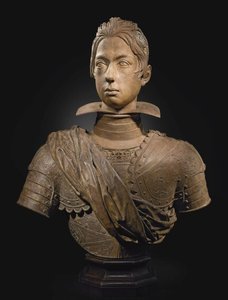
Pietro Tacca
1577 - 1640, Italy
Pietro Tacca에 관한 주요 정보
- Full Name: Pietro Tacca
- Nationality: Italian
- Date Of Birth: 1577
- Date Of Death: 1640
- Place Of Birth: Carrara, Italy
- Notable Artworks:
- Monument of the Four Moors
- Equestrian Monument to Philip IV
- Porcellino Florence
- Artistic Movement Or Style: Baroque & Mannerism
- Artists Who Influenced This Artist: ['Giambologna']
- Artists Or Movements Influenced By This Artist: ['Louis XIV']
작가 정보
The Sculptural Legacy of Pietro Tacca
In the heart of Tuscany, where the white marble of Carrara meets the golden light of Florence, the life of Pietro Tacca unfolded as a bridge between two monumental eras of art history. Born in 1577, Tacca emerged from a lineage of craftsmen to become a defining voice in the transition from the elegant, often artificial complexities of Mannerism to the visceral, dramatic energy of the Baroque. His journey was not merely one of personal ambition but a profound evolution of form, where the controlled grace of his predecessors gave way to a new, breathing realism that captured the very essence of movement and emotion.
The foundation of Tacca’s genius was laid within the legendary workshop of Giambologna. Entering the atelier in 1592, the young sculptor became more than just an apprentice; he became a custodian of a sophisticated aesthetic language. Under Giambologna’s watchful eye, Tacca mastered the intricate art of bronze casting and the delicate balance of asymmetrical compositions. While his early works retained the stylized elegance and elongated proportions characteristic of Mannerist tradition, there was an emerging hunger in his work for something more tangible, more human, and infinitely more dynamic.
The Medici Court and the Bronze Masterpieces
Following the passing of his mentor in 1608, Tacca ascended to the prestigious position of court sculptor for the Medici Grand Dukes. This appointment was a transformative milestone, granting him the resources and the monumental scale required to execute works of immense historical significance. As the favored artist of the Florentine elite, he navigated the demands of powerful patrons with a skill that blended political prestige with artistic innovation. His ability to translate the grandeur of the Medici dynasty into permanent, bronze reality helped define the visual identity of Florence during this golden age.
One of his most enduring contributions to the city's landscape is perhaps found in his mastery of smaller-scale bronze works that possessed a life of their own. The famous Porcellino, a bronze boar that has become a beloved icon of Florentine folklore, exemplifies his ability to infuse even a single subject with charm and vitality. Beyond these charming figures, Tacca’s work on equestrian statues—such as the tribute to Ferdinand I de' Medici—demonstrated his capacity for monumental storytelling, capturing the power and authority of the ruling class through sweeping gestures and muscular tension.
A Synthesis of Drama and Realism
As Tacca’s career progressed, the influence of the Baroque style became increasingly undeniable. He moved away from the intellectualized puzzles of Mannerist sculpture toward a more direct engagement with the viewer's emotions. His later works, such as the poignant Tarquinius and Lucretia, showcase a profound command over narrative tension and psychological depth. In these pieces, the metal seems to lose its rigidity, adopting the softness of skin and the heavy drape of fabric, creating a sense of theatricality that was revolutionary for his time.
The historical significance of Pietro Tacca lies in this very synthesis of styles. He did not simply abandon the lessons of Giambologna; rather, he expanded them to accommodate a world that was beginning to crave realism and emotional resonance. His legacy is etched into the bronze and marble of Italy, representing a moment in time when art moved from the cerebral to the visceral, ensuring that the sculptural traditions of Florence would continue to pulse with life long after his death in 1640.
관련 콘텐츠
Pietro Perugino: Umbrian Master of Serenity & Precursor to Raphael's High Renaissance
Explore the life & art of Pietro Perugino, a pivotal Renaissance master and Raphael’s influential teacher. Discover his serene compositions, Sistine Chapel frescoes, and lasting legacy with OriginalUniqueArt.