

 실제 크기로 보기
 보내기
보내기 공유하기
공유하기
 상세 보기
상세 보기 가이드 보기

 이미지 다운로드
 유사 작품 더 보기
 X-레이
X-레이 슬라이드 쇼 보기
 통계 정보
통계 정보Paying the Hostess
 Oil On Canvas
- WallArt
- Baroque
 1670
1670 95.0 x 111.0 cm
 메트로폴리탄 미술관
 상세 보기
상세 보기
지클레 / 아트 프린트
빠른 제작과 다양한 마감 옵션을 선택할 수 있는 박물관 수준의 지클레이 및 캔버스 프린트. ( 수작업 채색 복제본 주문하기 디지털 이미지 판매 채널로 전환)




P118B ₩10

P118H ₩10

P118W ₩10

P438Z ₩10

P508JH ₩12

P508YH ₩12

P805H ₩10

P805Z ₩10

P919BZ ₩10

P919G ₩10

P919XJ ₩10

P959ZH ₩10

P968JZ ₩12

W106C ₩8

W218G ₩10

W218JH ₩8

W218Y ₩10

W307PJ ₩10

W316G ₩10

W316PJ ₩8

W316Y ₩10

W398PJ ₩8

W4111J ₩10

W500HY ₩15

W500JH ₩15

W692G ₩12

W849H ₩8

W940BG ₩15

W953PJ ₩8




작품의 원본 비율을 그대로 유지하는 프리셋 사이즈 중에서 선택해 보세요.

액자나 벽면 크기에 맞춰 필요한 가로와 세로 길이를 입력해 주세요. 프린트는 원본 이미지보다 크게 제작할 수 없으며 오직 자르는 것만 가능하므로, 비율이 다른 사이즈를 선택할 경우 이미지의 일부가 잘려 나갈 수 있습니다. 인쇄 작업에 들어가기 전, 최종 확인을 위해 디지털 목업을 보내드립니다. 이 페이지에 표시된 이미지는 실제 잘리는 영역을 나타내지 않으며, 오직 목업을 통해서만 정확한 확인이 가능합니다.


 유리 옵션은 110cm 미만 크기에서만 선택 가능합니다.

Paying the Hostess
지클레 / 아트 프린트
복제본 규격
-


총 결제 금액
₩ 109181
A Quiet Moment in Delft: Pieter de Hooch’s “Paying the Hostess”
Pieter de Hooch's "Paying the Hostess," painted around 1670, isn’t merely a depiction of a transaction; it’s a masterful distillation of Dutch Golden Age life—a fleeting glimpse into the subtle social dynamics and quiet elegance of a Delft inn. The painting immediately draws the eye with its luminous quality, achieved through de Hooch's signature use of light and shadow, creating an atmosphere both intimate and subtly charged. It’s a scene brimming with unspoken narratives, inviting viewers to become silent observers of this private moment within a bustling world. De Hooch was a pivotal figure in the Delft School of painting, known for his ability to capture the essence of domestic life—not grand portraits or heroic scenes, but rather the everyday rituals and interactions that shaped the lives of the burgeoning middle class. His work stands apart through its remarkable realism, capturing not just appearances but also the nuances of human behavior and the play of light on surfaces.The Composition: A Dance of Observation
The composition itself is a testament to de Hooch’s skill. The scene unfolds within what appears to be a modest inn yard—a space simultaneously public and private. A smartly dressed gentleman, likely a wealthy merchant or official, stands poised before a young woman, presumably the hostess, as she presents him with a bill. Their hands are subtly overlapping, creating an immediate visual tension – a delicate dance of negotiation and perhaps even flirtation. The background is deliberately blurred, populated by other patrons engaged in their own conversations and activities—a lively tableau that hints at the inn’s vibrant atmosphere without distracting from the central drama. Notice how de Hooch uses architectural details—the rough-hewn beams of the barn, the simple wooden furniture, the straw bales – to ground the scene in a tangible reality. The placement of figures within the space is carefully considered, creating depth and guiding the viewer’s eye through the composition.Technique and Style: Light, Shadow, and Texture
De Hooch's technique is characterized by its meticulous attention to detail and his masterful manipulation of light. He employed a technique known as *chiaroscuro*, using strong contrasts between light and shadow to create a sense of volume and drama. The light streams in from the open doorway on the left, illuminating the figures and casting long shadows across the yard, adding depth and atmosphere. The artist’s brushwork is remarkably subtle—a delicate layering of paint that creates a rich texture without sacrificing clarity. You can almost feel the roughness of the wooden surfaces, the warmth of the straw bales, and the softness of the fabrics. This textured approach adds to the painting's realism and invites close inspection. The use of muted colors – browns, grays, and ochres – further enhances the sense of atmosphere and contributes to the painting’s overall mood.Symbolism and Context: A Glimpse into Dutch Society
“Paying the Hostess” offers a fascinating window into 17th-century Dutch society. The scene is not simply about settling an account; it's laden with symbolic meaning. The overlapping hands of the couple suggest a complex interplay of power, attraction, and social expectations. In Dutch art of this period, such interactions often carried connotations of flirtation and even illicit desire – a subtle commentary on the constraints and freedoms of the time. The presence of other guests in the background underscores the importance of social interaction within the community. The inclusion of the delivery boy with sheaves of wheat hints at the economic realities of rural life—the exchange of goods and services that underpinned the prosperity of the region. The painting reflects a shift towards a more secular, bourgeois culture, where commerce and social interactions were increasingly valued alongside religious piety.Emotional Resonance: A Moment Frozen in Time
Ultimately, “Paying the Hostess” is a profoundly evocative work of art. It’s not a grand statement or a dramatic event; it's a quiet moment—a snapshot of everyday life that captures something essential about the human condition. The painting invites us to contemplate the complexities of social interaction, the subtle nuances of human relationships, and the beauty found in the ordinary. It possesses a timeless quality, resonating with viewers across centuries because it speaks to universal themes of connection, negotiation, and the quiet dramas that unfold within our daily lives. It’s a piece that rewards careful observation and invites repeated viewing, revealing new layers of meaning with each encounter.질의응답
피터 더 호흐의 "Paying the Hostess"의 형식에는 어떤 배치가 어울릴까요?
Landscape 형태의 "Paying the Hostess" 복제 작품은 Living Room에 배치하시기에 좋습니다.
"Paying the Hostess"의 색상들이 서로 어떻게 조화를 이루고 있나요?
피터 더 호흐의 "Paying the Hostess"은(는) Unified Palette 색채 조화를 보여줍니다.
피터 더 호흐의 "Paying the Hostess"의 작품 방향(가로/세로)은 어떻게 되나요?
피터 더 호흐의 "Paying the Hostess"은(는) Landscape 형식입니다. 이 형식은 작품 구성의 비율을 나타냅니다.
작가 소개
초기 생애와 예술적 훈련
피터 더 호흐는 네덜란드 황금기의 찬란한 빛을 상징하는 화가로, 1629년 12월 20일 네덜란드 로테르담에서 태어났습니다. 그는 벽돌공이었던 헨드릭 헨드릭스즈 더 호흐와 산파였던 안네게 피테르스의 다섯 자녀 중 첫째였습니다. 그의 어린 시절에 대해 구체적으로 알려진 바는 많지 않으나, 로테르담과 델프트, 암스테르담을 거치며 예술적 여정을 쌓아온 것으로 전해집니다. 특히 하를렘에서 풍경 화가인 니콜라스 베르헴 아래서 야코프 오흐터벨트와 함께 수학했던 시기는 매우 중요했습니다. 이 시기의 경험은 훗날 열린 문 너머로 보이는 평온한 가정의 풍경을 그려내는 그만의 독보적인 화풍을 완성하는 밑거듬이 되었습니다.예술적 스타일과 주제
더 호흐의 작품 세계는 세밀한 묘사와 자연주의, 그리고 빛을 다루는 탁월한 감각으로 정의됩니다. 그의 캔버스에는 당시 떠오르던 중산층의 가치관과 열망을 투영하듯 일상의 소박한 순간들이 생생하게 담겨 있습니다. 이러한 스타일의 정수를 보여주는 대표작이 바로 "델프트의 어느 집 안뜰"(1658)로, 일상의 평범한 디테일을 포착해내는 그의 놀라운 능력을 확인할 수 있습니다. 또한 그는 에마뉘엘 데 비테와 주제나 구도 면에서 유사한 지점을 공유하기도 하지만, 인물과 그들 사이의 관계에 집중함으로써 자신만의 독창적인 영역을 구축했습니다. 이는 "수유하는 여인"(1658)과 "무릎에 아기를 앉힌 여인"(1658)에서 극명하게 드러나며, 가정적인 장면을 향한 그의 깊은 애정을 느끼게 합니다.주요 작품과 예술적 유산
더 호흐가 남긴 위대한 유산 중 주목할 만한 작품들은 다음과 같습니다: 그의 예술적 유산은 후대 화가들에게 깊은 영감을 주었으며, 특히 인상주의와 사실주의 운동의 발전에 중요한 이정표가 되었습니다. 빛과 그림자를 다루는 그의 섬세한 시선은 바로 바로크 회화의 토대를 마련했습니다.박물관 및 소장처
더 호흐의 걸작들은 전 세계 다양한 박물관에 소장되어 있습니다. 그중에서도 15세기부터 20세기에 이르는 방대한 유럽 예술품을 보유한 벨기에 안트베르펜의 왕립 미술관(Koninklijk Museum voor Schone Kunsten)은 그의 작품을 만날 수 있는 소중한 장소입니다. OriginalUniqueArt에서 피터 더 호흐와 그의 작품에 대해 더 자세히 알아보세요: [https://OriginalUniqueArt.com/@/pieter-de-hooch](https://OriginalUniqueArt.com/@/pieter-de-hooch) /ko/art/show/art-d3b4kt-ko/ (벨기에 왕립 미술관의 걸작들을 만나보세요)
피터 더 호흐
1629 - 1694 , 네덜란드
작가 정보 요약
- Artistic Movement Or Style: 델프트 학파, 네덜란드 황금기
- Artists Or Movements Influenced By This Artist: ['얀 베르메르']
- Artists Who Influenced This Artist: ['니콜라스 베르헴']
- Date Of Birth: 1629년 12월 20일
- Full Name: 피터 헨드릭스즈 데 호흐
- Nationality: 네덜란드
- Notable Artworks:
- 빈 잔
- 편지를 읽는 여인
- 햇빛이 비치는 방의 카드 놀이꾼들
- 빵과 버터를 준비하는 여인
- Place Of Birth: 네덜란드 로테르담
관련 기사

Golden Age Reflections: Dutch Baroque Painting & Cultural Innovation
Explore the Dutch Golden Age of painting! Discover key artists like Vermeer & ter Borch, their innovative techniques, and the rich cultural context behind these Baroque masterpieces. Learn about collecting & appreciating this iconic art period.

고야의 걸작 25선: 스페인의 영혼을 담은 명화 컬렉션 | OriginalUniqueArt
고야의 걸작 25선을 만나보세요. 스페인 화가 Francisco Goya의 낭만주의 회화, 어두운 색조와 강렬한 감성이 담긴 명화를 OriginalUniqueArt에서 감상하세요. 고품질 유화 복제본으로 예술 작품을 소장하고 홈 데코를 완성해보세요! 지금 바로 컬렉션을 탐험하세요.
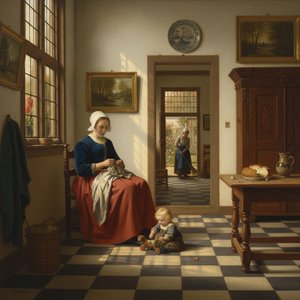
Pieter de Hooch: Illuminating Dutch Domestic Life & Golden Age Charm
Explore the captivating world of Pieter de Hooch, a master of Dutch Golden Age painting. Discover his innovative use of light, intimate domestic scenes, and lasting influence on art history. Learn more at OriginalUniqueArt.

Willem van de Velde the Elder: Master of Maritime Painting & Chronicler of the Dutch Golden Age
Discover the captivating maritime paintings of Willem van de Velde the Elder, a master chronicler of the Dutch Golden Age. Explore his unparalleled realism and lasting influence on naval art history.

네덜란드 황금 시대 예술의 정수를 담은 10대 걸작 탐구
렘브란트, 베르메르의 걸작부터 할스의 인물화까지! 네덜란드 황금시대 미술의 10대 명품을 만나보세요. 예술적 깊이와 아름다움을 담은 작품들을 OriginalUniqueArt에서 감상하고, 고품질 아트 프린트로 당신의 공간에 특별함을 더하세요. 지금 바로 OriginalUniqueArt.com에서 모든 걸작을 발견하세요!
