프린트 판매로 전환
 더 보기
더 보기







































 가로 또는 세로 중 어느 한 면이라도 105cm(약 41인치)를 초과하는 작품이나 복제화의 경우, 프레임은 분해된 키트 형태로 배송됩니다. 이는 안전한 배송을 보장하고 운송 중 발생할 수 있는 손상을 방지하기 위함입니다.


A Symphony of Geometric Simplicity: Exploring Piet Mondrian’s Quadro nº 2
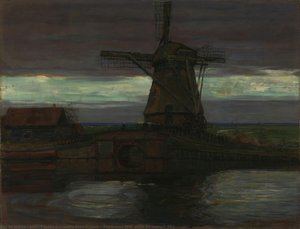
Piet Mondrian, a titan amongst modernist painters, didn't arrive at his groundbreaking aesthetic overnight. His artistic journey began with landscapes imbued with the spirit of the Hague School and Dutch Impressionism – canvases like *The Red Mill*, diligently capturing the nuances of natural light and form. Yet, even amidst these explorations of observation, Mondrian harbored a profound conviction: art shouldn’t merely reflect reality; it should strive to distill its essence into pure abstraction. This yearning for simplification wasn't simply stylistic preference—it represented a deeply held philosophical belief that underpinned his entire oeuvre.- Style: Neoplasticism (De Stijl) – Mondrian’s signature style championed radical reduction, discarding representational imagery altogether in favor of geometric forms and primary colors.
- Composition: Quadro nº 2 exemplifies this approach perfectly. It presents a square divided into four equally sized colored squares—red, blue, yellow, and black—arranged in a deliberate collage-like fashion. This seemingly austere composition belies its complexity; the careful placement of hues creates an illusion of depth and dimension.
- Technique: Mondrian employed oil paint on canvas with meticulous precision. Each square is executed with unwavering accuracy, demonstrating his dedication to geometric rigor and upholding the tenets of De Stijl’s philosophy.
Historical Context & The Birth of Geometric Abstraction
Founded in 1917 by Theo van Doesburg, Neoplasticism emerged from a fervent desire to liberate art from the constraints of illusion and subjective expression. Influenced by thinkers like Rudolf Steiner and Henri Bergson, the movement sought to align artistic principles with spiritual ideals—a quest for universal harmony rooted in mathematical precision. Mondrian’s work stands as a pivotal moment in the history of modern art, signaling a decisive break from traditional painting traditions and establishing geometric abstraction as a dominant aesthetic force. The influence of Bauhaus design principles further solidified De Stijl's impact on visual culture.Symbolism Beyond Color: Verticality & Horizontal Lines
More than just colors—though their deliberate selection is undeniably significant—vertical and horizontal lines constitute the core symbolic language of Quadro nº 2. These lines represent fundamental forces of nature – earth and sky – mirroring Mondrian’s belief that they embody universal order and stability. The grid pattern itself symbolizes this harmonious balance, reflecting a broader philosophical preoccupation with mathematical ratios and geometric proportions. It's a visual articulation of Mondrian’s conviction that art could transcend the limitations of individual perception and communicate timeless truths.Emotional Resonance & Artistic Legacy
Despite its apparent simplicity, Quadro nº 2 possesses an undeniable emotional resonance. The bold colors—red, blue, yellow, and black—evoke feelings of vibrancy and energy, juxtaposed against the stillness of geometric form. Viewed as a testament to Mondrian’s unwavering commitment to abstraction and universal harmony, Quadro nº 2 continues to inspire artists and designers alike. Its enduring appeal lies in its ability to convey profound ideas through elegant visual language – a timeless masterpiece that embodies the spirit of modern art's pursuit of beauty and intellectual rigor.질의응답
피에트 몬드리안의 "Quadro nº 2"은 강렬한 대비를 사용하나요, 아니면 부드러운 조화를 이루고 있나요?
피에트 몬드리안의 "Quadro nº 2"의 색채 구성은 Statement한 대비와 Discordant Palette한 조화가 어우러져 있습니다.
"Quadro nº 2"은(는) 어느 시대의 작품인가요?
피에트 몬드리안의 "Quadro nº 2"은(는) Modern 시대의 작품으로, 이 시기는 해당 작품의 역사적 배경을 잘 보여줍니다.
"Quadro nº 2"의 작가인 피에트 몬드리안는 다른 이름으로도 알려져 있나요?
피에트 몬드리안은(는) 피터 콘스탄틴 모드리얀, 피터 코르넬리스 몬드리안, 피터 코르넬리스 몬드리아안라는 이름으로도 활동하고 있습니다.
이 작품에 대해 더 알아보기
 미리보기
미리보기
 공유하기
공유하기 공유하기
공유하기
 상세 정보
상세 정보 가이드 보기

 다운로드
다운로드
 유사 작품 더 보기
 X-레이
X-레이 슬라이드 쇼 보기
 질의응답
질의응답 통계 정보
통계 정보