Baroque
Immaculate Conception (피에르 폴 퓌제)
피에르 폴 퓌제 (1620–1694) 작가의 Immaculate Conception Baroque 운동에 속합니다. Marble(으)로 제작되었습니다.
- Marble

 수작업 유화 작품
 공유하기
 공유하기
 학습용 요약본


 다운로드
 유사 작품 더 보기
 슬라이드 쇼 보기
 질의응답

 통계 정보
Immaculate Conception 요약
- 제목
- Immaculate Conception
- 작가
- 피에르 폴 퓌제 (1620–1694)
- 작가 출생지
- 마르세유, 프랑스
- 매체
- Marble
- 운동성
- Baroque
- 제작 시기
- Early Modern
- 주제
- woman, drapery, clouds, marble, sculpture, architecture
Immaculate Conception은(는) 무엇을 묘사하고 있나요?
The Immaculate Conception by Pierre Puget
In this sculpture, titled Immaculate Conception, Pierre Puget explores a profound moment of Christian iconography. The work depicts the Virgin Mary, specifically representing her conception without the presence of original sin. It is a piece that captures a sense of spiritual elevation through its religious subject matter. The figure is presented in a way that suggests a state of being preserved from the effects of Adam's sin.
The creation of this work was tied to the patronage of the French nobleman Emmanuel Brignole. It was intended for a specific setting, serving as a notable statue for the chapel of an Albergo in Genoa. This commission highlights the artist's presence in Italy and his ability to fulfill the requirements of significant private patrons. The sculpture remains a significant example of his ability to translate complex theological concepts into physical form.
Composition and Visual Elements
The composition is organized around a strong vertical orientation, drawing the eye upward to emphasize a sense of spiritual ascension. The central figure is positioned slightly off-center, a subtle choice that lends a natural, unforced quality to the movement. This figure is captured in a dynamic pose, appearing to rise or float effortlessly above the scene. Beneath the main subject, a swirling cloud base provides a turbulent foundation, populated by several small figures that add a sense of scale and complexity to the celestial realm.
A decorative architectural background frames the scene, providing a structured contrast to the organic, flowing forms of the sculpture. This backdrop creates a sense of depth, placing the figure in a defined space while the overlapping layers of the clouds and the architectural elements establish a clear foreground and background. The interplay between the smooth, rising lines of the body and the more complex, undulating shapes of the clouds creates a rhythmic tension throughout the work.
Technique and Material Composition
The sculpture is carved from marble, a choice that allows for a profound exploration of surface and light. There is a deliberate contrast in how the stone is treated across the composition. The figure’s drapery is rendered with a softness that suggests flowing fabric, catching the light to create a sense of weightless movement. This smoothness is a testament to the precision of the carving, giving the marble a delicate, almost ethereal quality as it wraps around the form.
Beneath the central figure, the texture shifts significantly. The cloud base is treated with a much rougher, more turbulent finish, providing a tactile counterpoint to the polished skin and cloth above. This variation in surface creates a sense of depth and physical presence. The lighting in the space is diffused, which works in harmony with the material to produce soft shadows and subtle highlights. These tonal shifts emphasize the three-dimensionality of the work, defining the anatomy and the complex folds of the stone without harshness.
The Artistic Style of Pierre Puget
Puget’s approach to sculpture is deeply rooted in the Baroque tradition. This work exemplifies his ability to infuse stone with a sense of movement and theatricality. There is a palpable emotional intensity here, achieved through a style defined by expressive realism. The figure does not merely exist in space; it seems to inhabit a moment of profound spiritual transition.
One can sense the influence of Michelangelo in the powerful, muscular presence of the figures and the weight of the forms. This strength is balanced by a dynamism reminiscent of Bernini, particularly in how the composition directs the eye through swirling, energetic lines. The interplay between the heavy drapery and the lightness of the ascending figure creates a tension that is central to his aesthetic. It is a style that favors raw energy and a certain dramatic gravity over the more restrained, academic traditions of the period.
Related Works by Pierre Puget
To understand the breadth of Puget's sculptural language, one might look toward his monumental figures that inhabit the gardens of Versailles. His celebrated groups, Milo of Croton and Perseus and Andromeda, demonstrate the same dramatic intensity found in his religious commissions. These works reveal a capacity for handling large-scale marble with a sense of movement that defines much of his output during the French Baroque period.
His time in Genoa allowed for a profound exploration of sacred subjects. During this period, he produced the statue of the Virgin in 1670, a work that shares a certain spiritual weight with the Immaculate Conception. His presence in the Italian peninsula is further marked by the monumental statues created for the pillars of the church of Santa Maria di Carignano, specifically the figures of Saint Sebastian and Bishop Alexander Paoli.
Other significant pieces highlight his ability to balance classical themes with raw energy. The Hercule Gaulois, currently held in the Louvre, remains a notable example of his skill in capturing physical tension. Whether working on religious altarpieces or mythological subjects, Puget maintained a distinctive approach to form that set him apart from the more academic traditions of his contemporaries.
Immaculate Conception의 고해상도 이미지
피에르 폴 퓌제, Immaculate Conception. 퍼블릭 도메인
Immaculate Conception에 관한 질문과 답변
피에르 폴 퓌제의 "Immaculate Conception"의 기법은 무엇인가요?
"Immaculate Conception"은(는) Marble 기법으로 제작되었습니다.
"Immaculate Conception"은(는) 어떤 내용을 담고 있나요?
"Immaculate Conception"에 담긴 소재는 woman, drapery, clouds, marble, sculpture, architecture입니다.
피에르 폴 퓌제의 "Immaculate Conception"은(는) 퍼블릭 도메인인가요?
저작권과 관련하여, "Immaculate Conception"은(는) 퍼블릭 도메인 - 저작권 보호 기간이 만료되었습니다 상태입니다.
"Immaculate Conception"은(는) 어느 작가의 작품인가요?
"Immaculate Conception"은(는) 피에르 폴 퓌제의 작품입니다. 이 페이지의 정보는 피에르 폴 퓌제의 원작에 대해 설명합니다.
"Immaculate Conception"은(는) 어떤 화풍에 속하나요?
피에르 폴 퓌제의 "Immaculate Conception"과(와) 관련된 미술 사조는 Baroque입니다. 이러한 분류를 통해 해당 작품을 관련 작가 및 예술 작품들과 함께 파악할 수 있습니다.
Immaculate Conception은(는) 피에르 폴 퓌제의 예술적 여정 중 어느 시기의 작품인가요?
"Immaculate Conception"은(는) 피에르 폴 퓌제의 Mature Period를 잘 보여주는 작품입니다.
"Immaculate Conception"의 저작권 상태가 왜 이렇게 지정되어 있나요?
피에르 폴 퓌제의 "Immaculate Conception"은(는) 퍼블릭 도메인 - 저작권 보호 기간이 만료되었습니다 상태입니다. 저작권 보호 기간은 작가 사후를 기준으로 산정되며, 피에르 폴 퓌제은(는) 1694년에 작고하였습니다.
"Immaculate Conception"은(는) 피에르 폴 퓌제의 다른 작품들과 어떤 공통점을 지니고 있나요?
"Immaculate Conception"은(는) 피에르 폴 퓌제의 Baroque 시기 작품으로, 작가의 주요 주제로는 pietro da cortona, annibale carracci, rubens, christian iconography, baroque sculpture, genoese period works 등이 있습니다.
"Immaculate Conception"의 주제가 피에르 폴 퓌제 작가의 평소 작업 세계와 어떤 연관이 있나요?
"Immaculate Conception"은(는) woman, drapery, clouds, marble, sculpture, architecture을(를) 묘사하고 있는 반면, 피에르 폴 퓌제의 기존 주제들은 pietro da cortona, annibale carracci, rubens, christian iconography, baroque sculpture, genoese period works입니다. 이 두 가지를 비교해 보면 해당 작품이 작가의 통상적인 소재와 어떻게 연관되는지 알 수 있습니다.
아티스트 피에르 폴 퓌제 소개
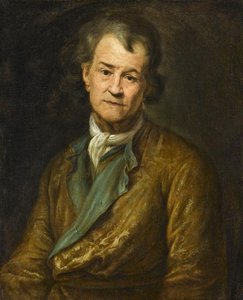
1620–1694, 프랑스
피에르 폴 퓌제
피에르 퓌제: 예술과 공학이 교차하는 삶 출생: 프랑스 마르세유 (1620년) 사망: 1694년 초기 생애와 이탈리아의 영향 도제 시절: 퓌제는 14세라는 어린 나이에 마르세유에서 건조되는 갤리선의 장식을 조각하며 경력을 시작했습니다. 이러한 초기 장인 정신의 경험은 훗날 그가 추구할 예술적 여정의 견고한 토대가 되었습니다. 이탈리아 여정 (1640년): 더 넓은 세상을 향한 갈망으로 그는 이탈리아로 떠났으며, 처음에는 리보르노를 거쳐 피렌체에 머물렀습니다. 이곳에서 그는 목조각가이자 화가로서의 기량을 연마하며 예술적 깊이를 더해갔습니다.
피에르 폴 퓌제의 다른 작품들
 알렉산더 대왕과 디오게네스의 만남1671
 크로톤의 밀로1671
 The Meeting of Alexander the Great and Diogenes1671
 Self-portrait1668
Immaculate Conception 관련 에세이
 Masterpieces of Murillo: The Top 25 Essential Artworks by the Spanish Baroque MasterExplore 25 iconic works by Murillo, the master of Spanish Baroque. Discover his divine light and beauty. Explore the full collection online.
 25 Essential Works by Pierre Puget: The Greatest Sculptures and Paintings of a Baroque IconExplore 25 iconic works by Pierre Puget, from Baroque sculptures to dramatic paintings. Discover the full collection online at OriginalUniq…
 25 Essential Works by Domenico Beccafumi: A Guide to the Sienese VisionaryExplore 25 iconic works by Domenico Beccafumi and his Sienese Mannerism style. Discover the full collection online at OriginalUniqueArt.com.