

 미리보기
미리보기
 공유하기
공유하기 공유하기
공유하기
 상세 정보
상세 정보

 다운로드
다운로드
 유사 작품
유사 작품 X-레이
X-레이 슬라이드 쇼
Penelope Asleep


 더 보기
더 보기
지클레 / 아트 프린트
빠른 제작과 다양한 마감 옵션을 제공하는 박물관 품질의 지클레이 또는 캔버스 프린트. ( 손으로 그린 그림 구매 이미지 구매)




































작품의 원본 비율을 유지하는 미리 설정된 크기 중에서 선택하세요.

특정 프레임이나 공간에 맞춰 직접 치수를 입력하실 수 있습니다. 선택하신 사이즈가 원본 이미지의 비율과 일치하지 않을 경우, 작품을 크롭(자르기)하거나 이미지를 대칭 또는 단색 채우기로 확장하여 제작합니다. 제작 시작 전, 최종 확인을 위해 디지털 목업이 전송됩니다.
화면상의 미리보기는 실제 크롭이나 확장 상태를 반영하지 않으므로, 최종 구도는 오직 목업을 통해서만 정확하게 확인하실 수 있습니다.
맞춤 사이즈 제작도 가능하지만, 원본 비율을 유지하기 위해서는 사전 정의된 목록에서 치수를 선택하시는 것을 권장합니다.


 유리 옵션은 110cm 미만 크기에서만 선택 가능합니다.

Penelope Asleep
지클레 / 아트 프린트
복제본 크기
-


최종 결제 금액
$ 80
작가 약력
The Sculptural Legacy of Pierre-Jules Cavelier
In the vibrant, shifting landscape of nineteenth-century Paris, few artists captured the delicate tension between classical restraint and Romantic fervor as gracefully as Pierre-Jules Cavelier. Born in 1814 to a family of skilled artisans—his father being a silversmith and furniture maker—Cavelier was destined for a life defined by the tactile mastery of form and material. This early immersion in the precision of craftsmanship provided the bedrock upon which he would build an illustrious career, eventually ascending to become one of the most respected figures in French academic sculpture. His journey from the workshops of Paris to the prestigious halls of the Villa Medici is a testament to a talent that could bridge the gap between the rigorous discipline of antiquity and the emotive depth of the Romantic era.
Cavelian’s artistic evolution was deeply shaped by his encounters with the masters of his time. Studying under the legendary sculptor David d’Angers and the painter Paul Delaroche, he learned to navigate the complexities of human anatomy and historical narrative. This period of intense training culminated in his monumental achievement in 1842: winning the Prix de Rome with his plaster statue, Diomedes Entering the Palladium. This victory was more than a personal triumph; it granted him entry into the Villa Medici, an experience that would serve as the crucible for his mature style. Surrounded by a cohort of future luminaries such as Édouard Lantéri and Eugène Guillaume, Cavelier spent his years in Rome absorbing the grandeur of classical antiquity, refining a technique that allowed marble and bronze to breathe with a lifelike, poetic vitality.
A Synthesis of Neoclassicism and Romanticism
The true brilliance of Cavelier’s work lies in his ability to synthesize disparate artistic movements into a singular, cohesive voice. While his foundations were firmly rooted in the Neoclassical tradition—characterized by anatomical accuracy and a reverence for Greek and Roman ideals—his soul belonged to the Romantic movement. He possessed a rare ability to imbue static stone with a sense of psychological depth and transient emotion. In works such as Cornélie, one can observe how he utilizes the purity of classical form to convey profound human sentiment, creating figures that seem to exist in a state of eternal, quiet contemplation.
His mastery extended beyond the intimate scale of portraiture into the grand architectural landscape of Paris. Cavelier’s contributions to the city's visual identity are marked by a sense of drama and movement, as seen in his evocative Angel on the Bell Tower. His sculptures often feature:
- Fluidity of Form: A seamless transition between muscular tension and graceful repose.
- Narrative Depth: The ability to tell complex historical or mythological stories through a single, poignant gesture.
- Material Mastery: An expert command over the textures of marble and bronze, making stone appear as soft as skin or as light as drapery.
Historical Significance and Enduring Influence
As the nineteenth century progressed, Cavelier’s influence rippled through the academic institutions of France. His role as a teacher and a pillar of the artistic community ensured that his commitment to technical excellence and emotional sincerity would be passed down to subsequent generations of sculptors. His works, now housed in some of the world's most esteemed collections, including the Musée d'Orsay and the Louvre, serve as enduring windows into a period when art sought to reconcile the permanence of history with the fleeting beauty of human emotion.
Today, Pierre-Jules Cavelier is remembered not merely as a practitioner of academic sculpture, but as a poet in stone. His legacy remains a vital part of the French sculptural canon, reminding us of a time when the pursuit of beauty was inextricably linked to the exploration of the human spirit. Through his hands, the cold rigidity of classical tradition was transformed into a living, breathing testament to the Romantic imagination.

pierre jules cavelier
1814 - 1894 , France
주요 정보
- Artistic Movement Or Style: Neoclassical & Romantic Sculpture
- Artists Or Movements Influenced By This Artist: ['Romanticism']
- Artists Who Influenced This Artist:
- David d'Angers
- Paul Delaroche
- Date Of Birth: August 30, 1814
- Full Name: Pierre Jules Cavelier
- Nationality: French
- Notable Artworks:
- Cornélie
- Angel on the Bell Tower
- Bust of Ary Scheffer
- Place Of Birth: Paris, France
관련 기사 더 보기

Bronze Sculptures That Defined Art History | OriginalUniqueArt
Journey through art history with our Top 10 bronze sculptures! Explore masterpieces by Rodin, Michelangelo & more. Discover stories behind iconic statues and find museum-quality reproductions for your home decor at OriginalUniqueArt.com.

The Enduring Allure of Marble in Art History: From Classical Sculpture to Modern Abstraction
Explore the captivating history of marble sculpture from ancient Greece to modern art. Discover renowned artists like Canova & Michelangelo, carving techniques, and investment insights at OriginalUniqueArt.
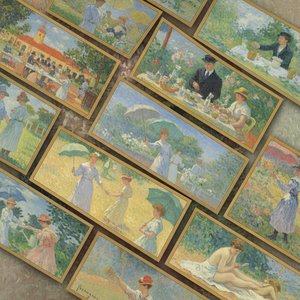
르누아르 명작 25선: 빛과 색채로 물든 삶의 순간들 | OriginalUniqueArt
빛과 색채의 마법사 르누아르! 인상주의 대표 화가 르누아르의 명작 25선을 만나보세요. '물랭 드 라 갈레트', '우산 속의 소녀들' 등 시대를 초월하는 아름다움을 OriginalUniqueArt에서 감상하고, 특별한 공간을 완성하세요. 지금 바로 온라인 컬렉션을 탐험하세요!

Timeless Elegance: A Complete Guide to the Sublime Beauty and Artistry of Marble Sculpture
Discover the sublime beauty of marble art through an expert exploration of Renaissance and Neoclassical masterpieces. From the delicate textures of Carpeaux to the grandeur of Sansovino, immerse yourself in a guide to timeless elegance and sculptural perfection.

The Enduring Form: Exploring Themes & Techniques in Sculpture Across Historical Periods
Explore the rich history of sculpture from ancient masterpieces to contemporary innovations. Discover key techniques, influential artists & investment potential for discerning art collectors.

