

 실제 크기로 보기
 보내기
보내기 공유하기
공유하기
 상세 보기
상세 보기 가이드 보기

 이미지 다운로드
 유사 작품 더 보기
 X-레이
X-레이 슬라이드 쇼 보기
 통계 정보
통계 정보Misia on a Divan
 Oil On Canvas
- WallArt
- Art Nouveau
 19th Century
 81.0 x 116.0 cm
 Chrysler Museum of Art
 상세 보기
상세 보기
지클레 / 아트 프린트
빠른 제작과 다양한 마감 옵션을 선택할 수 있는 박물관 수준의 지클레이 및 캔버스 프린트. ( 수작업 채색 복제본 주문하기 디지털 이미지 판매 채널로 전환)




P118B ₩10

P118H ₩10

P118W ₩10

P438Z ₩10

P508JH ₩12

P508YH ₩12

P805H ₩10

P805Z ₩10

P919BZ ₩10

P919G ₩10

P919XJ ₩10

P959ZH ₩10

P968JZ ₩12

W106C ₩8

W218G ₩10

W218JH ₩8

W218Y ₩10

W307PJ ₩10

W316G ₩10

W316PJ ₩8

W316Y ₩10

W398PJ ₩8

W4111J ₩10

W500HY ₩15

W500JH ₩15

W692G ₩12

W849H ₩8

W940BG ₩15

W953PJ ₩8




작품의 원본 비율을 그대로 유지하는 프리셋 사이즈 중에서 선택해 보세요.

특정 프레임이나 공간에 맞춰 직접 치수를 입력하실 수 있습니다. 선택하신 사이즈가 원본 이미지의 비율과 일치하지 않을 경우, 작품을 크롭(자르기)하거나 이미지를 대칭 또는 단색 채우기로 확장하여 제작합니다. 제작 시작 전, 최종 확인을 위해 디지털 목업이 전송됩니다.
화면상의 미리보기는 실제 크롭이나 확장 상태를 반영하지 않으므로, 최종 구도는 오직 목업을 통해서만 정확하게 확인하실 수 있습니다.
맞춤 사이즈 제작도 가능하지만, 원본 비율을 유지하기 위해서는 사전 정의된 목록에서 치수를 선택하시는 것을 권장합니다.


 유리 옵션은 110cm 미만 크기에서만 선택 가능합니다.

Misia on a Divan
지클레 / 아트 프린트
복제본 규격
-


총 결제 금액
₩ 108539
A Moment of Intimate Beauty: Pierre Bonnard’s *Misia on a Divan*
Pierre Bonnard's *Misia on a Divan*, painted around 1897, is more than just a portrait; it’s a carefully constructed evocation of domestic tranquility and the subtle beauty of everyday life. This oil on canvas work, measuring 81 x 116 cm, offers a poignant glimpse into the world of the artist himself, revealing his masterful command of color and light – hallmarks that would define his unique artistic vision. The scene depicts a woman, likely Bonnard’s wife Marthe, reclining on a divan, accompanied by their dog, Misia. The painting's quiet intimacy is immediately arresting, drawing the viewer into a space of relaxed repose.
Art Nouveau and the Rejection of Academic Tradition
*Misia on a Divan* exemplifies the burgeoning Art Nouveau movement that was gaining momentum in France at the end of the 19th century. Rejecting the rigid formality and historical subject matter favored by the established academic art world, artists like Bonnard sought inspiration from nature’s fluidity and the vibrant hues found in Japanese prints – a trend known as *Japonisme*. This influence is strikingly evident here; the sinuous curves of the divan, the flowing lines of Misia's form, and the overall sense of organic movement all speak to this artistic rebellion. The painting represents a decisive break from the past, a deliberate attempt to create art that was fresh, modern, and deeply personal.
Color as Emotion: Bonnard’s Technique
Bonnard's technique is characterized by his extraordinary use of color. He didn't employ color to simply represent reality; instead, he used it to convey emotion and atmosphere. The dominant reds and pinks in *Misia on a Divan* are not merely descriptive but powerfully expressive. Notice how the warm tones create a sense of comfort and intimacy, enveloping the viewer in the scene’s quiet serenity. Bonnard's layering of thin glazes – a hallmark of his style – allows for an incredible luminosity and depth, further enhancing the painting’s emotional impact. The subtle gradations of color contribute to the overall dreamlike quality of the work.
Symbolism and Domestic Harmony
Beyond its aesthetic qualities, *Misia on a Divan* is rich in symbolic meaning. The presence of Misia, the dog, adds an element of companionship and loyalty to the scene. The carefully arranged objects – the chair, the clock, the vase – contribute to the feeling of domestic comfort and order. The painting can be interpreted as a celebration of the simple pleasures of life: rest, relaxation, and the bonds between loved ones. It’s a testament to Bonnard's ability to find beauty in the ordinary, transforming everyday moments into works of art.
A Legacy of Impressionism
Bonnard’s work bridges the gap between Impressionism and Post-Impressionism. While influenced by Monet and Renoir’s focus on light and color, Bonnard pushed beyond mere optical representation, delving into subjective experience and emotion. *Misia on a Divan* stands as a powerful example of this artistic evolution, securing its place as one of the artist's most beloved and enduring works. Its quiet beauty continues to resonate with viewers today, offering a timeless meditation on domesticity, light, and the power of color.
질의응답
Chrysler Museum of Art에 소장된 프레리 본나르드의 "Misia on a Divan"를 법적으로 복제할 수 있습니까?
"Misia on a Divan"의 원작은 Chrysler Museum of Art에 소장되어 있으며, 이 작품은 퍼블릭 도메인 - 저작권 보호 기간이 만료되었습니다 상태입니다.
프레리 본나르드의 "Misia on a Divan"은(는) 퍼블릭 도메인인가요?
프레리 본나르드의 "Misia on a Divan"의 저작권 정보: 해당 작품은 퍼블릭 도메인 - 저작권 보호 기간이 만료되었습니다 상태입니다. 이는 이미지 복제 가능 여부를 결정하는 기준이 됩니다.
"Misia on a Divan" 작품을 파인 아트 프린트로 구매할 수 있나요?
프레리 본나르드의 "Misia on a Divan"의 프린트를 소장하시려면, 현재 페이지에서 간편하게 주문하실 수 있습니다: 코튼 캔버스 또는 아카이브용 캔버스지에 인쇄된 파인 아트 프린트.
프레리 본나르드의 "Misia on a Divan"에서 예술 사조와 시대상은 어떻게 맞닿아 있나요?
프레리 본나르드의 "Misia on a Divan"에서는 Art Nouveau 사조와 19세기 미술 시대가 만납니다.
"Misia on a Divan"의 작가는 누구인가요?
"Misia on a Divan"의 작가는 프레리 본나르드입니다.
프레리 본나르드의 "Misia on a Divan"은(는) 어떤 공간에 추천하시나요?
프레리 본나르드의 "Misia on a Divan"은(는) Living Room에 추천하는 작품입니다. 이 제안은 작품의 주제, 색상 및 분위기를 바탕으로 합니다.
프레리 본나르드의 "Misia on a Divan"의 수작업 복제화를 어디에서 구매할 수 있나요?
"Misia on a Divan" 작품은 리넨 캔버스 위에 손으로 직접 그린 유화 복제화로 만나보실 수 있습니다. 다양한 사이즈 중 선택하여 현재 페이지에서 주문하실 수 있습니다.
작가 소개
Pierre Bonnard (1867-1947): A Life Bathed in Light
Pierre Bonnard, born October 3, 1867, in Fontenay-aux-Roses, France, wasn’t destined for a life consumed by artistic ambition. His father, a high-ranking official within the French Ministry of War, envisioned a legal profession for his son—a path sharply contrasting with Bonnard's burgeoning passion for color and form. Despite this expectation, young Pierre diligently pursued law studies, securing his license in 1888, yet his artistic soul stubbornly resisted conformity, gravitating toward the captivating realm beyond academic constraints. Initially drawn to caricature, honing observational skills that would later transform into exquisitely rendered domestic scenes—a fascination that would define his oeuvre—Bonnard’s formative years were punctuated by encounters with kindred spirits at the Académie Julian, fostering a shared rejection of traditional artistic conventions and embracing the avant-garde fervor permeating Parisian society. This pivotal connection propelled him toward Les Nabis, a collective of artists—Maurice Denis, Paul Sérusier, Édouard Vuillard among them—who championed spirituality and symbolism within art, transcending mere representation to delve into subjective experience.The Nabi Influence: Flattened Forms & Vibrant Color
The Nabi movement profoundly shaped Bonnard’s artistic trajectory. Recognizing the profound resonance of flattened forms and bold color palettes with his sensibilities, he found inspiration in Japanese prints—their elegant lines and harmonious compositions—and the Symbolist movement's exploration of inner emotion. Rejecting perspectival illusionism, Bonnard embraced a stylistic approach that prioritized emotional impact over visual realism. This decision wasn’t merely aesthetic; it reflected a deeper conviction that art could communicate truths inaccessible to rational thought. He meticulously studied the techniques employed by his fellow Nabis, absorbing their innovative methods and integrating them into his own artistic practice. The Nabi's emphasis on capturing atmosphere and mood—rather than documenting precise details—became a cornerstone of Bonnard’s distinctive style.Domestic Intimacy: Capturing Everyday Moments
Bonnard’s artistic focus centered on the quiet beauty of domestic life—a theme that would become synonymous with his name ("Intimist"). Unlike Impressionists who sought to depict fleeting impressions of external landscapes, Bonnard turned inward, exploring the emotional resonance of familiar surroundings. His subjects—women bathing, families gathered for dinner, sunlit gardens—were rendered not as mere objects of observation but as embodiments of feeling—expressions of memory and emotion filtered through the prism of personal experience. He approached painting with a remarkable sensitivity to light and color, painstakingly recreating the nuances of illumination and hue to evoke specific moods and sensations. This meticulous attention to detail wasn’t driven by a desire for photographic accuracy; it stemmed from an earnest conviction that art could convey intangible qualities—the warmth of companionship, the serenity of contemplation.Color as Emotion: Bonnard's Chromatic Vision
Bonnard’s mastery of color stands apart as arguably his most defining characteristic—a testament to his unwavering dedication to chromatic balance. He didn’t merely employ color; he *felt* it, allowing it to dictate the mood and atmosphere of his paintings. His palette defied conventional categorization, often juxtaposing unexpected hues that created a shimmering luminosity—a technique rooted in both scientific observation and intuitive artistic judgment. Bonnard's approach mirrored the Symbolist movement's belief that color possessed inherent expressive power, capable of conveying emotions and ideas beyond linguistic articulation. He revisited completed canvases repeatedly, subtly adjusting colors across multiple works to achieve perfect harmony—a practice reflecting his obsessive pursuit of chromatic perfection.Later Life & Legacy: A Painter Until His Final Days
As Bonnard matured, he increasingly prioritized the exploration of color and light—drawing inspiration from his surroundings in Provence, France. He cultivated a close friendship with Claude Monet, whose Impressionistic style served as a catalyst for Bonnard’s own artistic evolution. Despite this influence, Bonnard maintained an unwavering commitment to his singular artistic vision—rejecting trends and conventions that threatened to dilute the essence of his aesthetic sensibilities. Until shortly before his death in January 23, 1947, he continued painting prolifically, leaving behind a vast corpus of work that continues to captivate audiences worldwide. Bonnard’s enduring legacy resides not merely in his iconic paintings—such as “Woman in Checkered Dress,” “The Dining Room,” and “Bowl of Fruit”—but also in his profound contribution to the history of art—demonstrating that beauty could be found in simplicity, introspection, and the unwavering pursuit of chromatic harmony. His influence extends across generations of artists who recognize the power of color to convey emotion and memory—a testament to Bonnard’s indelible mark on modern artistic expression.- Woman in Checkered Dress (1890): An early exemplar of Nabi style, characterized by flattened forms and bold chromatic combinations.
- The Dining Room (1913): A quintessential Intimist scene capturing the warmth and intimacy of domestic life.
- Bowl of Fruit (c. 1933): Illustrates Bonnard’s exceptional skill in still life, imbued with luminous depth and vibrant hues.
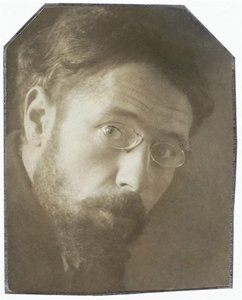
프레리 본나르드
1867 - 1947 , 프랑스
작가 정보 요약
- Artistic Movement Or Style: 인상주의 스타일 및 인미즘
- Artists Who Influenced This Artist:
- 폴 고흐
- 호쿠사이
- Date Of Birth: 1867년 10월 3일
- Date Of Death: 1947년 1월 23일
- Full Name: Pierre Bonnard
- Nationality: 프랑스인
- Notable Artworks:
- 체크된 드레스 입은 여성
- 알몬드 나무 꽃핌
- Place Of Birth: 프랑스 프랑베이 오 드 라 갈레트
관련 기사
후기인상주의를 정의한 10대 걸작: 예술과 홈데코의 새로운 영감
후기인상주의를 빛낸 10대 명작! 고흐, 세잔 등 거장의 작품 비하인드 스토리와 예술적 의미를 만나보세요. OriginalUniqueArt에서 최고급 미술 복제 및 인테리어 영감을 얻고, 당신의 공간을 예술로 채워보세요. 지금 바로 확인하세요!
르누아르 명작 25선: 빛과 색채로 물든 삶의 순간들 | OriginalUniqueArt
빛과 색채의 마법사 르누아르! 인상주의 대표 화가 르누아르의 명작 25선을 만나보세요. '물랭 드 라 갈레트', '우산 속의 소녀들' 등 시대를 초월하는 아름다움을 OriginalUniqueArt에서 감상하고, 특별한 공간을 완성하세요. 지금 바로 온라인 컬렉션을 탐험하세요!

Post-Impressionism Guide: Bold Colors and Expressive Masterpieces for Professional Hotel Decorators
Elevate hospitality interiors with Post-Impressionist masterpieces. A professional guide for hotel designers on selecting bold, expressive oil reproductions and large-scale murals to create impactful, high-end guest experiences through expert art procurement.
Beyond the Light: Discovering the Soul and Emotional Depth of Post-Impressionism
Embark on a cultural journey through Post-Impressionism. Discover the profound emotional depth of masters like Van Gogh and Cézanne, exploring how they moved beyond light to capture the very soul of human experience through vibrant color and symbolic form.

조르주 쇠라 대표작 25선: 빛과 색의 혁신, 당신의 공간에 예술을 더하세요
조르주 쇠라의 대표작 25선을 만나보세요. 점묘법의 혁신과 빛, 색채의 아름다움이 담긴 명작들을 감상하고, 인테리어에 예술적인 영감을 더하세요. OriginalUniqueArt.com에서 고품질 미술 작품을 컬렉션해보세요.


