

 실제 크기로 보기
 보내기
보내기 공유하기
공유하기
 상세 보기
상세 보기 가이드 보기

 이미지 다운로드
 유사 작품 더 보기
 X-레이
X-레이 슬라이드 쇼 보기
 통계 정보
통계 정보Landscape at Le Cannet
 Oil On Canvas
- WallArt
- Impressionism
 1928
1928- Modern
 128.0 x 278.0 cm
 국립미술관
국립미술관
 상세 보기
상세 보기
온라인 미리보기보다 훨씬 뛰어난 품질의 고해상도 디지털 이미지를 구매해 보세요.
각 파일은 사내 전문가가 고급 도구와 숙련된 수동 리터칭 기술을 사용하여 세심하게 준비합니다. 우리는 모든 이미지가 탁월한 선명도, 정확한 색상 재현력, 그리고 미세한 디테일까지 완벽하게 갖추도록 보장합니다.
최종 파일은 전문적인 편집 및 인쇄 환경에서 즉시 사용할 수 있도록 최적화되어 72시간 이내에 이메일로 발송됩니다. 이는 세계적인 디자인 스튜디오, 출판사 및 갤러리가 신뢰하는 것과 동일한 품질입니다.
디지털 이미지
개인 소장 및 전시, 인쇄, 창작 프로젝트를 위한 고해상도 파일을 다운로드하세요. ( 프린트 판매로 전환 수작업 채색 복제본 주문하기)
모든 디지털 이미지 주문 시 제공되는 혜택
전문적인 디지털 이미지 전송 보장
OriginalUniqueArt.com를 선택하시면 단순히 이미지를 받는 것을 넘어, 정밀한 보정 과정을 거쳐 완성된 전문적인 디지털 예술 작품을 만나보실 수 있습니다. 모든 작품에는 만족 보장 서비스가 함께 제공되며, 주문 시 다음과 같은 사항들이 자동으로 포함됩니다:

빠른 이메일 수령
주문 후 72시간 이내에 고해상도 디지털 이미지 파일이 이메일로 발송되며, 즉시 사용하실 수 있습니다.

AI 기술로 최적화된 디지털 파일
귀하의 작품은 고급 AI 기술과 정교한 수동 편집 과정을 거쳐 전문적으로 최적화되며, 이를 통해 디테일과 선명도, 색상의 정확도를 극대화합니다.

평생 무료 재전송 서비스
파일을 실수로 삭제하거나 분실하셨나요? 걱정 마세요. 언제든 무료로 다시 보내드립니다.

추가 수입 비용 없음 - 언제나
관세나 부가세, 배송비 부담 없이 작품을 즉시 소장하세요 - 디지털 다운로드는 언제나 면세 혜택이 적용됩니다.

정확한 색상 보장
전문적인 도구와 색상 관리 시스템을 통해 디지털 이미지가 원본의 색상을 최대한 정확하게 구현하도록 보장합니다.

100일 만족 보장제
구매하신 디지털 이미지에 만족하지 못하실 경우, 100일 이내에 별도의 조건 없이 수정 또는 100% 환불을 진행해 드립니다.

100% 환불 보장
만족스럽지 않으신가요? 디지털 파일을 받으신 후 100일 이내에 조건 없이 전액 환불해 드립니다.

대량 주문 할인
이미지 3매 구매 시 10% 할인 - 5매 구매 시 15% 할인 - 10매 이상 구매 시 20% 할인. 크리에이티브 프로젝트, 갤러리, 에이전시에 매우 유용합니다.
A Symphony of Light and Memory
In the luminous realm of Pierre Bonnard’s “Landscape at Le Cannet,” the boundaries between reality and recollection begin to dissolve. Painted in 1928, this monumental canvas serves as a profound exploration of how light shapes our perception and how memory tints our lived experience. It is not merely a topographical record of the Provençal hillside where Bonnard resided; rather, it is an atmospheric journey into the heart of a moment captured through a subjective lens. The scene unfolds with a serene vitality, presenting a mountainous landscape bathed in an ethereal glow that seems to vibrate with life. Within this verdant expanse, tiny figures and horses move through the terrain, their presence adding a sense of quiet narrative to the sweeping vistas of trees, grass, and bushes under a brilliant blue sky.
To gaze upon this work is to witness the masterful manipulation of pigment that defined Bonnard’s unique contribution to modern art. While his roots were deeply entwined with the Impressionist fascination with fleeting daylight, Bonnard pushed far beyond mere optical representation. He sought to capture the emotional resonance of a place—the way a summer afternoon feels on the skin or the warmth of a sun-drenched garden held in the mind's eye. This pursuit of sensation over strict accuracy allows the painting to transcend its physical subject, offering viewers a window into a world where color and light act as the primary storytellers.
The Art of Optical Emotion
Technically, “Landscape at Le Cannet” is a triumph of Neo-Impressionist principles, yet it avoids the rigid, scientific constraints of traditional Pointillism. Instead of following a strict mathematical formula for color, Bonnard employed a more intuitive method of applying tiny dots and strokes of pure pigment. This technique, often referred to as optical mixing, allows the viewer's eye to blend the hues from a distance, creating a shimmering, luminous depth that feels remarkably alive. The palette is a breathtaking symphony of warm yellows, oranges, and reds, which collide with the cool blues of the sky to create a chromatic tension that is both energizing and soothing.
The meticulous layering of paint builds up tonal variations with such precision that the landscape appears to breathe. This method was never about replicating the physical world with photographic accuracy; it was about conveying feeling. For the discerning collector or interior designer, this technique offers a rare quality: a painting that changes character depending on the light of the room in which it hangs. The way the colors interact creates a sense of movement and depth, making the canvas a dynamic centerpiece capable of transforming the mood of any sophisticated space.
A Sanctuary of Color and Spirit
The historical and symbolic weight of this piece is anchored in its setting: Le Bosquet, Bonnard’s beloved garden near Cannes. For the artist, this landscape represented much more than a picturesque view; it was a sanctuary, a retreat from the relentless pressures of urban life and an affirmation of artistic contemplation. The influence of Paul Gauguin is palpable here, seen in the bold use of color and the simplified, almost decorative forms that lend the work its rhythmic beauty. This connection to the avant-garde spirit of the Nabis group ensures that the painting remains a cornerstone of modern aesthetic history.
For those seeking to bring a sense of peace and timeless elegance into their homes, “Landscape at Le Cannet” offers an unparalleled emotional impact. It invites the observer to slow down, to breathe in the warmth of the Provençal sun, and to find beauty in the quiet, harmonious blending of nature’s elements. Whether as a focal point in a contemporary gallery or a soulful addition to a classic study, this reproduction captures the enduring legacy of Pierre Bonnard—a master who taught us that art is not just what we see, but how we remember.
질의응답
프레리 본나르드의 "Landscape at Le Cannet"의 실제 크기는 어떻게 되나요?
원작 프레리 본나르드의 "Landscape at Le Cannet"의 크기는 128 x 278 cm입니다.
"Landscape at Le Cannet"의 색상들이 서로 어떻게 조화를 이루고 있나요?
프레리 본나르드의 "Landscape at Le Cannet"의 색채는 Balanced Harmony 조화를 보여줍니다. 조화란 색상들이 서로 어떻게 어우러지는지를 의미합니다.
"Landscape at Le Cannet"의 색감은 얼마나 강렬한가요?
"Landscape at Le Cannet"의 채도는 Balanced Soft이며, 색채 강도는 Balanced입니다.
아티스트 프로필
Pierre Bonnard (1867-1947): A Life Bathed in Light
Pierre Bonnard, born October 3, 1867, in Fontenay-aux-Roses, France, wasn’t destined for a life consumed by artistic ambition. His father, a high-ranking official within the French Ministry of War, envisioned a legal profession for his son—a path sharply contrasting with Bonnard's burgeoning passion for color and form. Despite this expectation, young Pierre diligently pursued law studies, securing his license in 1888, yet his artistic soul stubbornly resisted conformity, gravitating toward the captivating realm beyond academic constraints. Initially drawn to caricature, honing observational skills that would later transform into exquisitely rendered domestic scenes—a fascination that would define his oeuvre—Bonnard’s formative years were punctuated by encounters with kindred spirits at the Académie Julian, fostering a shared rejection of traditional artistic conventions and embracing the avant-garde fervor permeating Parisian society. This pivotal connection propelled him toward Les Nabis, a collective of artists—Maurice Denis, Paul Sérusier, Édouard Vuillard among them—who championed spirituality and symbolism within art, transcending mere representation to delve into subjective experience.The Nabi Influence: Flattened Forms & Vibrant Color
The Nabi movement profoundly shaped Bonnard’s artistic trajectory. Recognizing the profound resonance of flattened forms and bold color palettes with his sensibilities, he found inspiration in Japanese prints—their elegant lines and harmonious compositions—and the Symbolist movement's exploration of inner emotion. Rejecting perspectival illusionism, Bonnard embraced a stylistic approach that prioritized emotional impact over visual realism. This decision wasn’t merely aesthetic; it reflected a deeper conviction that art could communicate truths inaccessible to rational thought. He meticulously studied the techniques employed by his fellow Nabis, absorbing their innovative methods and integrating them into his own artistic practice. The Nabi's emphasis on capturing atmosphere and mood—rather than documenting precise details—became a cornerstone of Bonnard’s distinctive style.Domestic Intimacy: Capturing Everyday Moments
Bonnard’s artistic focus centered on the quiet beauty of domestic life—a theme that would become synonymous with his name ("Intimist"). Unlike Impressionists who sought to depict fleeting impressions of external landscapes, Bonnard turned inward, exploring the emotional resonance of familiar surroundings. His subjects—women bathing, families gathered for dinner, sunlit gardens—were rendered not as mere objects of observation but as embodiments of feeling—expressions of memory and emotion filtered through the prism of personal experience. He approached painting with a remarkable sensitivity to light and color, painstakingly recreating the nuances of illumination and hue to evoke specific moods and sensations. This meticulous attention to detail wasn’t driven by a desire for photographic accuracy; it stemmed from an earnest conviction that art could convey intangible qualities—the warmth of companionship, the serenity of contemplation.Color as Emotion: Bonnard's Chromatic Vision
Bonnard’s mastery of color stands apart as arguably his most defining characteristic—a testament to his unwavering dedication to chromatic balance. He didn’t merely employ color; he *felt* it, allowing it to dictate the mood and atmosphere of his paintings. His palette defied conventional categorization, often juxtaposing unexpected hues that created a shimmering luminosity—a technique rooted in both scientific observation and intuitive artistic judgment. Bonnard's approach mirrored the Symbolist movement's belief that color possessed inherent expressive power, capable of conveying emotions and ideas beyond linguistic articulation. He revisited completed canvases repeatedly, subtly adjusting colors across multiple works to achieve perfect harmony—a practice reflecting his obsessive pursuit of chromatic perfection.Later Life & Legacy: A Painter Until His Final Days
As Bonnard matured, he increasingly prioritized the exploration of color and light—drawing inspiration from his surroundings in Provence, France. He cultivated a close friendship with Claude Monet, whose Impressionistic style served as a catalyst for Bonnard’s own artistic evolution. Despite this influence, Bonnard maintained an unwavering commitment to his singular artistic vision—rejecting trends and conventions that threatened to dilute the essence of his aesthetic sensibilities. Until shortly before his death in January 23, 1947, he continued painting prolifically, leaving behind a vast corpus of work that continues to captivate audiences worldwide. Bonnard’s enduring legacy resides not merely in his iconic paintings—such as “Woman in Checkered Dress,” “The Dining Room,” and “Bowl of Fruit”—but also in his profound contribution to the history of art—demonstrating that beauty could be found in simplicity, introspection, and the unwavering pursuit of chromatic harmony. His influence extends across generations of artists who recognize the power of color to convey emotion and memory—a testament to Bonnard’s indelible mark on modern artistic expression.- Woman in Checkered Dress (1890): An early exemplar of Nabi style, characterized by flattened forms and bold chromatic combinations.
- The Dining Room (1913): A quintessential Intimist scene capturing the warmth and intimacy of domestic life.
- Bowl of Fruit (c. 1933): Illustrates Bonnard’s exceptional skill in still life, imbued with luminous depth and vibrant hues.
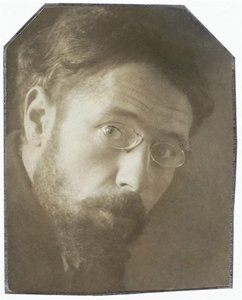
프레리 본나르드
1867 - 1947 , 프랑스
핵심 정보
- Artistic Movement Or Style: 인상주의 스타일 및 인미즘
- Artists Who Influenced This Artist:
- 폴 고흐
- 호쿠사이
- Date Of Birth: 1867년 10월 3일
- Date Of Death: 1947년 1월 23일
- Full Name: Pierre Bonnard
- Nationality: 프랑스인
- Notable Artworks:
- 체크된 드레스 입은 여성
- 알몬드 나무 꽃핌
- Place Of Birth: 프랑스 프랑베이 오 드 라 갈레트