
 미리보기
미리보기
 공유하기
공유하기 공유하기
공유하기
 상세 정보
상세 정보

 다운로드
다운로드
 유사 작품
유사 작품 X-레이
X-레이 슬라이드 쇼
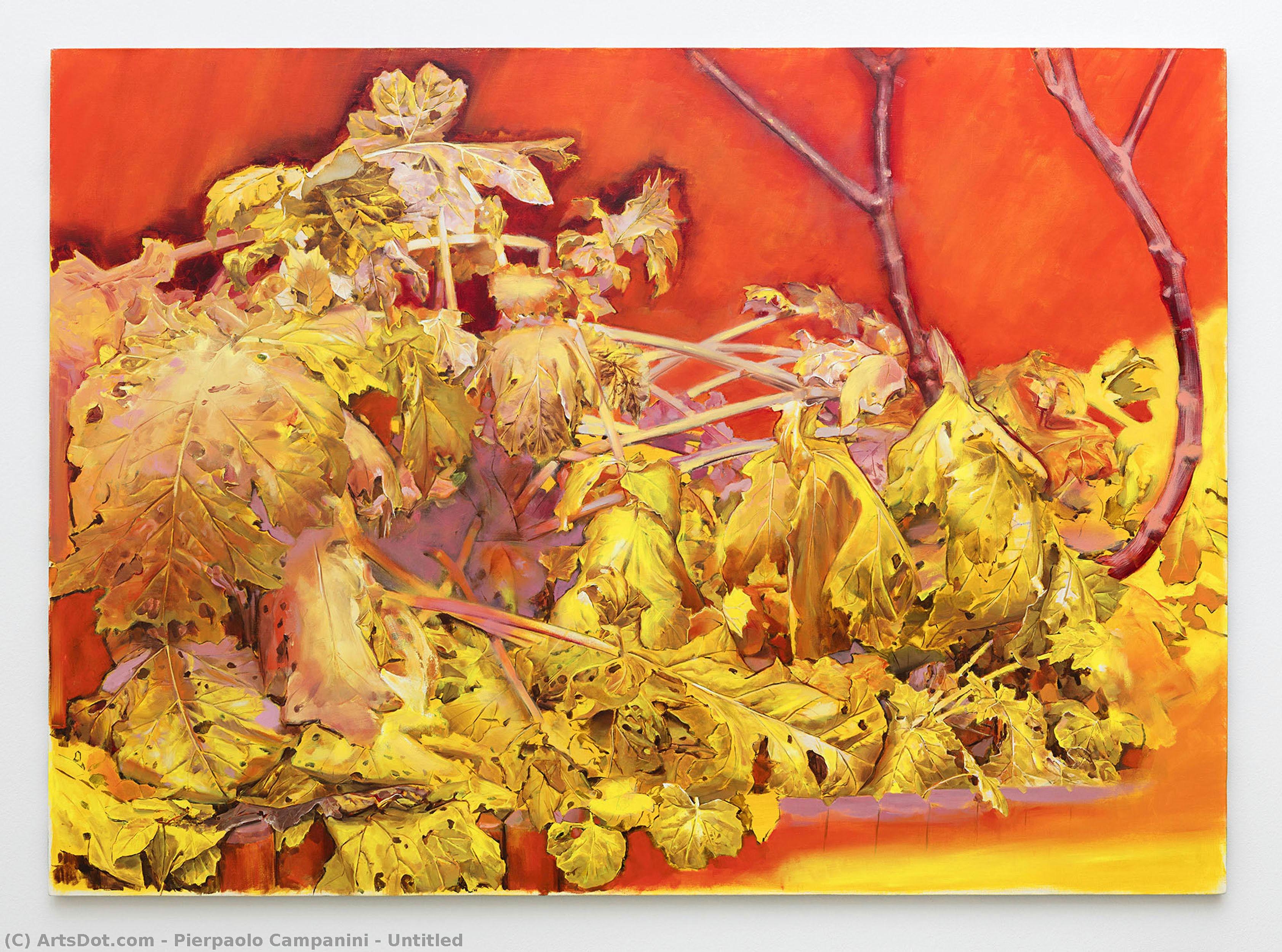
Untitled
 Painting
- Contemporary Realism
 Contemporary
 180.0 x 130.0 cm
 Viafarini
 더 보기
더 보기
지클레 / 아트 프린트
빠른 제작과 다양한 마감 옵션을 제공하는 박물관 품질의 지클레이 또는 캔버스 프린트. ( 손으로 그린 그림 구매 이미지 구매)




P118B $10

P118H $10

P118W $10

P438Z $10

P508JH $12

P508YH $12

P805H $10

P805Z $10

P919BZ $10

P919G $10

P919XJ $10

P959ZH $10

P968JZ $12

W106C $8

W218G $10

W218JH $8

W218Y $10

W307PJ $10

W316G $10

W316PJ $8

W316Y $10

W398PJ $8

W4111J $10

W500HY $15

W500JH $15

W692G $12

W849H $8

W940BG $15

W953PJ $8




작품의 원본 비율을 유지하는 미리 설정된 크기 중에서 선택하세요.

특정 프레임이나 공간에 맞춰 직접 치수를 입력하실 수 있습니다. 선택하신 사이즈가 원본 이미지의 비율과 일치하지 않을 경우, 작품을 크롭(자르기)하거나 이미지를 대칭 또는 단색 채우기로 확장하여 제작합니다. 제작 시작 전, 최종 확인을 위해 디지털 목업이 전송됩니다.
화면상의 미리보기는 실제 크롭이나 확장 상태를 반영하지 않으므로, 최종 구도는 오직 목업을 통해서만 정확하게 확인하실 수 있습니다.
맞춤 사이즈 제작도 가능하지만, 원본 비율을 유지하기 위해서는 사전 정의된 목록에서 치수를 선택하시는 것을 권장합니다.


 유리 옵션은 110cm 미만 크기에서만 선택 가능합니다.

Untitled
지클레 / 아트 프린트
복제본 크기
-


최종 결제 금액
$ 80
작품 상세 설명
A Symphony of Gold and Light
In this captivating untitled masterpiece by the contemporary Italian master Pierpaolo Campanini, the viewer is transported into a luminous autumnal dreamscape. The composition is anchored by a magnificent tree, its branches heavy with leaves of brilliant, sun-drenched yellow that seem to radiate their own internal light. This central figure acts as a gateway to a deeper, more complex world, where the interplay of light and shadow creates a profound sense of dimension. As the eye wanders through the intricate network of limbs, it discovers a delicate spider web shimmering near the heart of the piece, catching the light like spun silk, and a solitary bird perched in quiet contemplation. These subtle details transform a mere landscape into a living, breathing narrative of nature's quietest moments.
Campanini, an artist often described as an architect of visual experience, utilizes a technique that masterfully balances the ephemeral with the structured. His approach to this work reflects his fascination with the concept of incompleteness—a signature element of his style where the boundaries between what is depicted and what is imagined remain beautifully blurred. The brushwork, while precise enough to define the delicate texture of the web and the weight of the foliage, possesses a fluid, atmospheric quality that allows the background trees to recede into a soft, impressionistic haze. This creates a breathtaking depth, pulling the observer into a space where time feels suspended, much like the lingering notes of an opera.
Symbolism and the Art of Transience
Beyond its immediate visual splendor, the painting serves as a profound meditation on the nature of change and the beauty found in fleeting moments. The vibrant yellow leaves, at the very peak of their seasonal glory, serve as a poignant symbol of the cycle of life—a moment of intense brilliance just before the inevitable descent into winter. This theme of transience is deeply woven into Campanini’s artistic identity, echoing his connection to the dramatic rhythms of Italian opera. The presence of the spider web, a fragile and temporary structure, further reinforces this dialogue between strength and fragility, permanence and decay. To behold this work is to witness a celebration of the present moment, captured with an intensity that makes the ephemeral feel eternal.
For the discerning collector or interior designer, this piece offers more than mere decoration; it provides an emotional anchor for a space. The warmth of the golden palette possesses a unique ability to breathe life and vitality into a room, making it an ideal centerpiece for sophisticated environments that seek to evoke feelings of serenity, wonder, and intellectual depth. Whether placed in a sunlit gallery or a quiet study, this reproduction of Campanini’s vision invites prolonged contemplation, offering a window into a world where every branch and every shadow tells a story of enduring beauty.
작가 약력
Pierpaolo Campanini: Architect of Incompleteness
Born in Cento, Italy, in 1964, Pierpaolo Campanini’s artistic journey is a fascinating exploration of the ephemeral and the meticulously constructed. He remains rooted in his birthplace, where he continues to live and work, shaping a body of art deeply informed by both classical influences and a distinctly modern sensibility. Campanini isn't simply a painter; he’s an architect of visual experience, crafting works that deliberately resist complete resolution, inviting prolonged contemplation on the boundaries between representation and reality.
Campanini’s early life in Cento likely instilled within him a sensitivity to the rhythms of rural Italian life – a connection that subtly permeates his work. However, his most significant artistic breakthrough occurred through his engagement with opera, specifically with Luigi Dallapiccola's I dispettosi amanti (The Discontented Lovers). In 1912, this groundbreaking opera premiered at the Metropolitan Opera House in Philadelphia, a monumental achievement for Italian music. Campanini’s involvement as the scenic designer was pivotal, establishing his reputation and demonstrating an early mastery of theatrical design. This experience profoundly shaped his subsequent artistic practice, imbuing it with a sense of dramatic narrative and carefully orchestrated visual storytelling.
Sculptural Paintings: A Hybrid Practice
Campanini’s current work centers around what he describes as “hybrid sculptural compositions.” These aren't traditional sculptures in the round; rather, they are intricate assemblages built from found objects – everyday items elevated to a level of surreal beauty. He meticulously photographs these baroque arrangements, then translates them into paintings with astonishing photorealist detail. This process is central to his artistic philosophy: he deliberately shifts visual language from three-dimensional form to two-dimensional representation, creating a complex and layered dialogue between the original object and its painted echo.
The construction of these assemblages is itself a significant undertaking. Campanini doesn’t merely arrange objects; he orchestrates them with a deliberate sense of imbalance and tension. The juxtaposition of disparate elements – a rusted nail alongside a delicate porcelain figurine, for example – generates an unsettling yet captivating beauty. This inherent contradiction mirrors the core themes explored in his paintings: the tension between order and chaos, completion and incompleteness.
The Radio Broadcast & Artistic Direction
Beyond his operatic design work, Campanini’s career took a dramatic turn in 1925 when he returned to Italy and assumed the role of artistic director for the newly formed Unione Radiofonica Italiana (URI) in Milan. This was a period of immense technological innovation, and Campanini played a crucial role in pioneering the use of radio for musical performance. In 1926, he oversaw the first complete broadcast of I dispettosi amanti on Italian radio – a watershed moment in the history of audio broadcasting and a testament to his technical expertise and artistic vision.
This experience highlights Campanini’s versatility and adaptability. He seamlessly transitioned between the demanding world of opera design and the rapidly evolving landscape of radio, demonstrating a remarkable ability to embrace new technologies while maintaining a steadfast commitment to artistic excellence. It's a period that underscores his influence on Italian cultural development.
A Legacy of Transience & Recognition
Campanini’s work has been exhibited extensively throughout Europe and North America, including solo shows at prestigious galleries such as Corvi-Mora in London, Salon 94 in New York, and Blum and Poe in Los Angeles. His paintings have also featured prominently in major group exhibitions like “Italics: Italian Art Between Tradition and Revolution 1968-2008” at the Museum of Contemporary Art in Chicago. His pieces are represented by Galleria Francesca Kaufmann in Milan and Corvi-Mora in London, solidifying his position as a significant contemporary artist.
Ultimately, Pierpaolo Campanini’s art is defined by its embrace of transience – a deliberate refusal to offer definitive answers or complete resolutions. His paintings are not portraits of static objects but rather fleeting glimpses into a world suspended between reality and imagination, inviting the viewer to contemplate the beauty inherent in imperfection and the enduring power of suggestion.

Pierpaolo Campanini
1964 - , Italy
주요 정보
- Artistic Movement Or Style: Incompleteness & Transience
- Date Of Birth: 1964
- Full Name: Pierpaolo Campanini
- Nationality: Italian
- Notable Artworks: ['I dispettosi amanti']
- Place Of Birth: Cento, Italy
관련 기사 더 보기
Golden Hues: Top 10 Paintings Dominated by Yellow Ochre |
Explore 10 iconic paintings bathed in golden yellow ochre! From Van Gogh's sunflowers to Monet’s haystacks, discover the stories behind these masterpieces. Find museum-quality art reproductions & elevate your home decor on .

Golden Hues & Crimson Leaves: Capturing the Magic of Autumn Colors in Fine Art
Embark on a visual journey through the golden hues of autumn fine art. Discover how masters like Van Gogh capture seasonal magic through vibrant oil landscapes and explore expert tips for collecting timeless autumnal masterpieces.
Golden Hues: 10 Masterpieces Dominated by Chrome Yellow | OriginalUniqueArt
Immerse yourself in golden light! Explore 10 famous paintings dominated by 'Chrome Yellow', from Van Gogh’s Sunflowers to Monet's Haystacks. Discover the stories behind these iconic Impressionist & Post-Impressionist masterpieces and find museum-quality art reproductions at OriginalUniqueArt.com.

The Golden Hue: Exploring Symbolism & Emotion in Yellow Art
Explore the rich symbolism & emotional power of yellow in art history! From Van Gogh to Kandinsky, discover how artists used this vibrant hue. Expert analysis & high-quality reproductions at OriginalUniqueArt.

Arboreal Echoes: A Historical & Artistic Exploration of Trees in Painting
Explore the rich history of trees in painting! Discover symbolism, Romantic masterpieces by Caspar David Friedrich & beyond. A curated journey for art enthusiasts.

