

 실제 크기로 보기
 보내기
보내기 공유하기
공유하기
 상세 보기
상세 보기 가이드 보기

 이미지 다운로드
 유사 작품 더 보기
 X-레이
X-레이 슬라이드 쇼 보기
 통계 정보
통계 정보The storm
 Acrylic On Canvas
- WallArt
- Biedermeier
 1837
1837 50.0 x 67.0 cm
 오스트리아 미술관 베르텔레데
 상세 보기
상세 보기
지클레 / 아트 프린트
빠른 제작과 다양한 마감 옵션을 선택할 수 있는 박물관 수준의 지클레이 및 캔버스 프린트. ( 수작업 채색 복제본 주문하기 디지털 이미지 판매 채널로 전환)




P118B ₩10

P118H ₩10

P118W ₩10

P438Z ₩10

P508JH ₩12

P508YH ₩12

P805H ₩10

P805Z ₩10

P919BZ ₩10

P919G ₩10

P919XJ ₩10

P959ZH ₩10

P968JZ ₩12

W106C ₩8

W218G ₩10

W218JH ₩8

W218Y ₩10

W307PJ ₩10

W316G ₩10

W316PJ ₩8

W316Y ₩10

W398PJ ₩8

W4111J ₩10

W500HY ₩15

W500JH ₩15

W692G ₩12

W849H ₩8

W940BG ₩15

W953PJ ₩8




작품의 원본 비율을 그대로 유지하는 프리셋 사이즈 중에서 선택해 보세요.

액자나 벽면 크기에 맞춰 필요한 가로와 세로 길이를 입력해 주세요. 프린트는 원본 이미지보다 크게 제작할 수 없으며 오직 자르는 것만 가능하므로, 비율이 다른 사이즈를 선택할 경우 이미지의 일부가 잘려 나갈 수 있습니다. 인쇄 작업에 들어가기 전, 최종 확인을 위해 디지털 목업을 보내드립니다. 이 페이지에 표시된 이미지는 실제 잘리는 영역을 나타내지 않으며, 오직 목업을 통해서만 정확한 확인이 가능합니다.


 유리 옵션은 110cm 미만 크기에서만 선택 가능합니다.

The storm
지클레 / 아트 프린트
복제본 규격
-


총 결제 금액
₩ 108744
A Window to a Turbulent Soul: Exploring Peter Fendi’s “The Storm”
Peter Fendi's "The Storm," painted in 1837, isn’t merely a depiction of a tempestuous sky; it’s a profound meditation on domesticity, vulnerability, and the quiet drama unfolding within a family’s sanctuary. This intimate scene, rendered with the characteristic warmth and realism of Biedermeier painting, immediately draws the viewer into a tableau of contained chaos – a woman cradling her child before a window that frames both the fury of nature and the steadfastness of home. The composition is deceptively simple: a mother and child, bathed in soft light, facing an exterior world rendered with dramatic brushstrokes and swirling clouds. Yet, within this apparent tranquility lies a palpable tension, a suggestion of unease that speaks volumes about the anxieties inherent in family life.
Fendi’s masterful use of color is crucial to conveying this emotional complexity. The palette leans heavily on muted browns, grays, and blues – colors associated with storm clouds and introspection. However, these somber tones are punctuated by flashes of warm light emanating from the interior, highlighting the figures and creating a subtle contrast between safety and the unknown. The woman’s posture is particularly telling; she isn't actively shielding her child, nor does she appear panicked. Instead, she gazes out with a thoughtful expression, suggesting an acceptance of the storm both outside and within. The inclusion of other family members – two children playing near the window and another figure on the right – subtly expands the narrative, hinting at a larger household grappling with shared experiences.
The Biedermeier Aesthetic: Intimacy and Observation
“The Storm” is a quintessential example of the Biedermeier style, which flourished in Austria during the early 19th century. This artistic movement prioritized realism and domestic scenes, often depicting everyday life with an emphasis on intimacy and observation. Unlike the grand historical or mythological subjects favored by earlier periods, Biedermeier artists sought to capture the beauty and simplicity of the ordinary – a shift reflecting the growing middle class’s desire for comfort and connection within their own homes. Fendi's work embodies this ethos perfectly; he doesn’t attempt to glorify the storm itself but rather focuses on how it affects those closest to him, creating a deeply personal and relatable image.
Fendi’s technical skill is evident in his meticulous attention to detail – from the texture of the fabrics to the subtle nuances of expression on the figures' faces. He employed a technique known as “pointillé,” using small, closely spaced brushstrokes to create an illusion of depth and texture, particularly noticeable in the depiction of the clouds. This method allowed him to capture the dynamic movement of the storm while maintaining a sense of realism and warmth. Furthermore, his use of light is masterful, creating a soft, diffused glow that illuminates the figures and imbues the scene with a feeling of quiet dignity.
Symbolism and Emotional Resonance
The window itself serves as a powerful symbol in “The Storm.” It represents not only a physical barrier between the interior and exterior but also a metaphorical one – separating the family from the uncertainties of the world. The storm raging outside can be interpreted as a representation of life’s challenges, anxieties, and hardships. However, within the confines of the home, the family finds solace and strength in their connection to one another. The child, nestled securely in his mother's arms, embodies innocence and hope, suggesting that even amidst turmoil, new beginnings are possible.
Fendi’s painting resonates with a timeless emotional truth. It speaks to the universal experience of navigating difficult times while cherishing the bonds of family. “The Storm” is more than just a beautiful artwork; it's a poignant reminder of the resilience of the human spirit and the enduring power of love in the face of adversity. Reproductions of this evocative piece offer a captivating glimpse into a bygone era, inviting viewers to contemplate their own relationships and find beauty amidst life’s inevitable storms.
질의응답
"The storm"을(를) 정의하는 팔레트와 주된 색상은 무엇인가요?
"The storm"은(는) Clay (#8c6a3a)이(가) 주를 이루는 Earthy 색조로 정의됩니다.
오스트리아 미술관 베르텔레데에 소장된 페터 펜디의 "The storm"를 법적으로 복제할 수 있습니까?
"The storm"의 원작은 오스트리아 미술관 베르텔레데에 소장되어 있으며, 이 작품은 퍼블릭 도메인 - 저작권 보호 기간이 만료되었습니다 상태입니다.
페터 펜디의 "The storm"의 이미지는 어떻게 다운로드하나요?
"The storm"을(를) 다운로드하실 수 있습니다: 작품의 다운로드 페이지에서 고해상도 디지털 이미지 다운로드 이용이 가능합니다.
작가 소개
페터 펜디: 빈 비더마이어 양식의 선구자
1796년 9월 4일, 빈의 심장부에서 태어난 페터 펜디는 단순한 화가 그 이상이었습니다. 그는 비더마이어 시대 오스트리아 미술 발전의 중추적인 인물이었습니다. 그의 삶은 어린 시절 겪은 신체적 시련으로 점철되어 있었습니다. 영아기 시절 기저귀 갈이대에서 떨어져 평생 지속되는 척추 문제를 얻게 되었으나, 역설적이도 이 사건은 그에게 놀라운 드로잉 재능을 불어넣었으며 궁극적으로 그의 예술적 비전을 형성하는 밑거 请이 되었습니다. 교사였던 그의 아버지는 이 타고난 재능을 알아보고, 1810년 어린 페터를 명망 높은 성 안나 미술 아카데미에 입학시켰습니다. 그곳에서 요한 마르틴 피셔, 후베르트 마우러, 요한 바프티스트 폰 람피 에르데와 같은 거장들의 가르침 아래 펜디는 기량을 연마하였고, 이는 유화, 수채화, 판화, 에칭, 석판화, 심지어 목판 조각에 이르기까지 그의 다채롭고 풍요로운 예술적 경력을 쌓는 토대가 되었습니다. 펜디의 본격적인 전문 경력은 1818년 황실 동전 및 고미술관에서 시작되었습니다. 그는 영향력 있는 예술 수집가이자 황제 요제프 2세의 개인 안과 의사였던 요제프 바르트 밑에서 데생가와 판화가로 활동했습니다. 이 직위는 그에게 예술계 핵심층에 접근할 수 있는 귀중한 기회를 제공했으며, 황실의 의뢰 작업이 요구하는 세밀하고 정교한 묘사력을 익히게 했습니다. 1821년, 유화 작품 <빌레니카(Vilenica)>로 금메달을 수상하며 빈 예술계에서 자신의 명성을 확고히 한 것은 그의 인생에서 중요한 이정표였습니다. 이러한 인정을 바탕으로 그는 1836년 빈 미술 아카데미의 회원으로 선출되었으며, 동료 예술가들 사이에서 독보적인 위상을 굳건히 했습니다.네덜란드의 영향과 베네치아의 영감
펜디의 예술적 화풍은 서로 다르면서도 상호 보완적인 두 가지 원천, 즉 네덜란드 거장들과 이탈리아 르네상스로부터 깊은 영향을 받았습니다. 아드리안 브라우어, 아드리안 반 오스타데, 렘브란트와 같은 거장들의 작품에 나타나는 사실주의와 풍속화적 요소는 펜디의 마음을 깊이 울렸습니다. 이는 북적이는 시장, 선술집의 풍경, 그리고 친밀한 가정의 순간 등 일상적인 삶을 묘사하는 그의 화풍을 형성했습니다. 그의 회화는 인간 행동에 대한 예리한 관찰력을 특징으로 하며, 종종 미묘한 유머나 사회적 메시지를 담아내기도 합니다. 동시에 1821년 떠난 베네치아 여정은 그에게 변혁적인 경험이 되었습니다. 조반니 벨리니, 틴토레토, 티치아노, 파올로 베로네세의 화려한 예술 컬렉션에 몰입하며, 그는 그들의 극적인 구도와 풍부한 색채, 그리고 거장다운 빛의 사용법을 흡수했습니다. 이러한 요소들은 훗날 그의 작품 속에 웅장함과 연극적 분위기를 불어넣는 밑거름이 되었습니다.석판화의 혁신과 초상화
전통적인 회화 기법을 넘어, 펜디는 석판화 분야의 진정한 혁신가였습니다. 특히 1830년대와 40년대에 제작된 그의 다색 판화들은 당대 기준으로 매우 획기적이었으며, 놀라운 기술적 숙련도와 예술적 감수성을 보여주었습니다. 이러한 판화들은 단순한 복제물이 아니라 그 자체로 독립적인 예술 작품이었으며, 빈의 일상 풍경을 생동감 넘치는 색채와 역동적인 구도로 그려냈습니다. 나아가 펜디는 귀족부터 평민에 이르기까지 다양한 인물의 모습을 담아내는 매우 인기 있는 초상화가이기도 했습니다. 그의 초상화는 대상의 심리적 깊이를 포착하고 인물의 성격을 전달하는 능력이 탁월한데, 이는 인간 캐릭터에 대한 그의 예리한 안목과 이해력을 증명합니다. 특히 1841년에 발행된 다섯 종류의 오스트리아 지폐를 직접 판각했다는 사실은 판화가로서 그의 다재다능함을 잘 보여주는 사례입니다.유산과 예술적 의의
페터 펜디의 유산은 그의 서명이 담긴 개별 작품 그 너머로 확장됩니다. 그는 친밀한 규모, 일상의 사실적인 묘사, 그리고 미묘한 사회적 비판을 특징으로 하는 비더마이어 미학을 형성하는 데 결정적인 역할을 했습니다. 그의 영향력은 이후 세대 오스트리아 예술가들의 작품 속에서도 고스란히 발견됩니다. 세밀한 디테일에 대한 집착과 석판화에 대한 혁신적인 접근 방식은 그를 비더레마이어 시대의 가장 중요한 인물 중 한 명으로 각인시켰습니다. 오늘날 펜디의 작품들은 알베르티나 미술관, 벨베데레 미술관, 그리고 바두츠의 리히텐슈타인 공 컬렉션 등 세계적인 박물관과 소장처에 보존되어 있으며, 그의 예술적 공헌은 세대를 넘어 계속해서 연구되고 찬미받고 있습니다. 그의 작품은 19세기 오스트리아 사회를 들여다볼 수 있는 소중한 창이며, 그 시대의 아름다움과 복잡성을 놀라운 기술과 감수성으로 포착해내고 있습니다.
페터 펜디
1796 - 1842 , 오스트리아
작가 정보 요약
- Artistic Movement Or Style: 비더마이어(Biedermeier)
- Artists Or Movements Influenced By This Artist:
- 네덜란드 화가들
- 이탈리아 르네상스
- Artists Who Influenced This Artist:
- 렘브란트
- 아드리안 브라우어
- 조반니 벨리니
- Date Of Birth: 1796년 9월 4일
- Date Of Death: 1842년 8월 28일
- Full Name: 페터 펜디
- Nationality: 오스트리아
- Notable Artworks:
- 엘리제와 파니 리히텐슈타인 공주
- 상승
- 슬픈 소식
- Place Of Birth: 오스트리아 빈
관련 기사

Biedermeier Style: The Elegant Art of Comfort, Simplicity, and Bourgeois Sophistication
Discover the refined elegance of Biedermeier style. Explore how this 19th-century movement blended simplicity with comfort, shaping the art and design of the middle class through Romanticism and functional beauty. An expert guide for classic art enthusiasts.

Evolving Portraits: Personalized Art as a Chronicle of Family Life Across Generations
Create a timeless family legacy with custom portraits! OriginalUniqueArt connects you with skilled artists for heirloom-quality paintings & prints. Explore styles, commission your unique artwork today.

Biedermeier: Art, Society & Intimacy in Restoration Europe
Explore the world of Biedermeier art & culture! Discover the history, aesthetic principles, and lasting influence of this fascinating European movement. Expert insights & beautiful reproductions at OriginalUniqueArt.
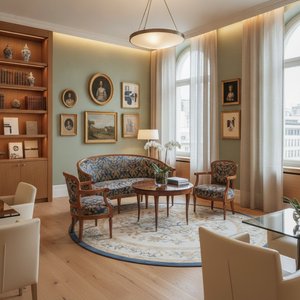
Biedermeier Style Guide: Integrating Elegant, Functional 19th-Century Art into Modern Hotel & Hospitality Interiors
Master the Biedermeier style for hospitality design. Our professional guide explores integrating 19th-century elegance and functional simplicity into modern hotel interiors through expert art procurement and large-scale custom reproductions.
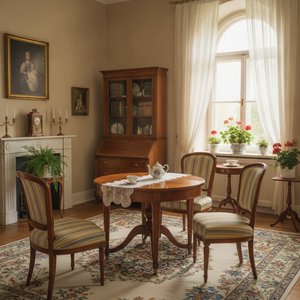
Biedermeier Style: The Art of Comfort, Elegance, and Home Harmony in 19th-Century Europe
Discover the soulful elegance of Biedermeier style. Explore how 19th-century Europe turned to domestic comfort and refined simplicity through art and design. A deep dive into the era of bourgeois sophistication for the true classic art enthusiast.