

 실제 크기로 보기
 보내기
보내기 공유하기
공유하기
 상세 보기
상세 보기 가이드 보기

 이미지 다운로드
 유사 작품 더 보기
 X-레이
X-레이 슬라이드 쇼 보기
 통계 정보
통계 정보The rise
 Oil On Canvas
- WallArt
- Neoclassical
 1829
1829 19.0 x 24.0 cm
 쿤스트히스토리스체 박물관
 상세 보기
상세 보기
지클레 / 아트 프린트
빠른 제작과 다양한 마감 옵션을 선택할 수 있는 박물관 수준의 지클레이 및 캔버스 프린트. ( 수작업 채색 복제본 주문하기 디지털 이미지 판매 채널로 전환)




P118B ₩10

P118H ₩10

P118W ₩10

P438Z ₩10

P508JH ₩12

P508YH ₩12

P805H ₩10

P805Z ₩10

P919BZ ₩10

P919G ₩10

P919XJ ₩10

P959ZH ₩10

P968JZ ₩12

W106C ₩8

W218G ₩10

W218JH ₩8

W218Y ₩10

W307PJ ₩10

W316G ₩10

W316PJ ₩8

W316Y ₩10

W398PJ ₩8

W4111J ₩10

W500HY ₩15

W500JH ₩15

W692G ₩12

W849H ₩8

W940BG ₩15

W953PJ ₩8




작품의 원본 비율을 그대로 유지하는 프리셋 사이즈 중에서 선택해 보세요.

액자나 벽면 크기에 맞춰 필요한 가로와 세로 길이를 입력해 주세요. 프린트는 원본 이미지보다 크게 제작할 수 없으며 오직 자르는 것만 가능하므로, 비율이 다른 사이즈를 선택할 경우 이미지의 일부가 잘려 나갈 수 있습니다. 인쇄 작업에 들어가기 전, 최종 확인을 위해 디지털 목업을 보내드립니다. 이 페이지에 표시된 이미지는 실제 잘리는 영역을 나타내지 않으며, 오직 목업을 통해서만 정확한 확인이 가능합니다.


 유리 옵션은 110cm 미만 크기에서만 선택 가능합니다.

The rise
지클레 / 아트 프린트
복제본 규격
-


총 결제 금액
₩ 108744
A Window Into Viennese Life: Peter Fendi’s “The Rise”
Peter Fendi's "The Rise," painted in 1829, isn't merely a depiction of a family scene; it’s a meticulously crafted snapshot of early 19th-century Vienna – a city brimming with social change and artistic innovation. The painting captures a moment of quiet domesticity within the context of a burgeoning urban landscape, offering a poignant glimpse into the lives of its subjects and reflecting the prevailing Biedermeier aesthetic. Fendi, a pivotal figure in this movement, masterfully balances realism with an underlying sense of intimacy, inviting viewers to step back in time and contemplate the nuances of everyday existence.
The scene unfolds outdoors, likely within the confines of a modest home or courtyard. A woman, radiating warmth and maternal tenderness, cradles a baby – a symbol of hope and continuity. Beside her stands a man, presumably her husband or partner, dressed in the attire of a priest or clergyman, suggesting a connection to faith and community. Several other figures populate the composition: children playing with toys, an older gentleman observing, and perhaps a servant attending to domestic duties. This carefully arranged tableau speaks volumes about the social hierarchy and familial bonds prevalent at the time.
The Biedermeier Aesthetic: Restraint and Intimacy
“The Rise” is a quintessential example of the Biedermeier style, which flourished in Austria during the early 19th century. Characterized by its understated elegance and focus on domestic life, Biedermeier art rejected the grandiosity of Neoclassicism and Romanticism, instead prioritizing realism, intimacy, and emotional resonance. Fendi’s work embodies these principles perfectly – there's a deliberate avoidance of dramatic poses or elaborate ornamentation. Instead, he favors subtle gestures, natural expressions, and a muted color palette to create a sense of quiet observation.
The artist’s technique is remarkably detailed, showcasing his skill in capturing the textures of clothing, the play of light on faces, and the simple beauty of everyday objects. Fendi employed oil paints with a delicate hand, layering thin glazes to achieve a luminous quality and a sense of depth. The composition itself is carefully balanced, drawing the eye through the scene while maintaining a harmonious flow. Notice how he uses atmospheric perspective – the background appears softer and less defined, subtly emphasizing the foreground figures.
Symbolism and Social Commentary
Beyond its aesthetic qualities, “The Rise” carries subtle layers of symbolism. The central image of the mother and child represents fertility, family values, and the continuation of lineage—themes deeply rooted in Biedermeier ideology. The presence of the clergyman suggests a strong connection to religion and morality, reflecting the conservative social norms of the era. Even the seemingly simple act of children playing holds significance; it speaks to the importance of childhood innocence and the promise of future generations.
Furthermore, the painting offers a quiet commentary on the changing social landscape of Vienna. The burgeoning city was experiencing rapid growth and transformation, with new industries emerging and traditional values being challenged. Fendi’s work captures this dynamic tension – a sense of stability amidst change, of familiarity within an evolving world.
A Timeless Masterpiece: Reproduction and Legacy
Reproduced faithfully in 19 x 24 cm, Peter Fendi's “The Rise” offers a captivating window into the heart of Viennese life. OriginalUniqueArt’s hand-painted reproduction captures the essence of the original, preserving its delicate details and emotional depth. This artwork is not just a beautiful image; it’s a tangible connection to a pivotal moment in art history – a testament to Fendi's skill as an artist and his profound understanding of human nature. It’s a piece that invites contemplation, sparking curiosity about the past and reminding us of the enduring power of art to illuminate our lives.
Additional Research: For further exploration, consider visiting the Albertina Museum in Vienna, where several examples of Fendi's work are housed. You can also delve deeper into his life and artistic influences through online resources like Wikipedia and WikiArt.org.
질의응답
"The rise"의 화풍은 작가가 활동했던 시대와 어떤 연관이 있나요?
페터 펜디의 "The rise"은(는) 작가의 19세기 미술 시대 중 Neoclassical 사조에 속합니다.
페터 펜디의 "The rise"의 색채 구성은 어떻게 이루어져 있나요?
페터 펜디의 "The rise"의 색채 분석은 Bold한 대비와 Strong Color Unity한 조화를 보여줍니다.
페터 펜디의 "The rise"은(는) 어떤 공간에 추천하시나요?
페터 펜디의 "The rise"은(는) Living Room에 추천하는 작품입니다. 이 제안은 작품의 주제, 색상 및 분위기를 바탕으로 합니다.
작가 소개
페터 펜디: 빈 비더마이어 양식의 선구자
1796년 9월 4일, 빈의 심장부에서 태어난 페터 펜디는 단순한 화가 그 이상이었습니다. 그는 비더마이어 시대 오스트리아 미술 발전의 중추적인 인물이었습니다. 그의 삶은 어린 시절 겪은 신체적 시련으로 점철되어 있었습니다. 영아기 시절 기저귀 갈이대에서 떨어져 평생 지속되는 척추 문제를 얻게 되었으나, 역설적이도 이 사건은 그에게 놀라운 드로잉 재능을 불어넣었으며 궁극적으로 그의 예술적 비전을 형성하는 밑거 请이 되었습니다. 교사였던 그의 아버지는 이 타고난 재능을 알아보고, 1810년 어린 페터를 명망 높은 성 안나 미술 아카데미에 입학시켰습니다. 그곳에서 요한 마르틴 피셔, 후베르트 마우러, 요한 바프티스트 폰 람피 에르데와 같은 거장들의 가르침 아래 펜디는 기량을 연마하였고, 이는 유화, 수채화, 판화, 에칭, 석판화, 심지어 목판 조각에 이르기까지 그의 다채롭고 풍요로운 예술적 경력을 쌓는 토대가 되었습니다. 펜디의 본격적인 전문 경력은 1818년 황실 동전 및 고미술관에서 시작되었습니다. 그는 영향력 있는 예술 수집가이자 황제 요제프 2세의 개인 안과 의사였던 요제프 바르트 밑에서 데생가와 판화가로 활동했습니다. 이 직위는 그에게 예술계 핵심층에 접근할 수 있는 귀중한 기회를 제공했으며, 황실의 의뢰 작업이 요구하는 세밀하고 정교한 묘사력을 익히게 했습니다. 1821년, 유화 작품 <빌레니카(Vilenica)>로 금메달을 수상하며 빈 예술계에서 자신의 명성을 확고히 한 것은 그의 인생에서 중요한 이정표였습니다. 이러한 인정을 바탕으로 그는 1836년 빈 미술 아카데미의 회원으로 선출되었으며, 동료 예술가들 사이에서 독보적인 위상을 굳건히 했습니다.네덜란드의 영향과 베네치아의 영감
펜디의 예술적 화풍은 서로 다르면서도 상호 보완적인 두 가지 원천, 즉 네덜란드 거장들과 이탈리아 르네상스로부터 깊은 영향을 받았습니다. 아드리안 브라우어, 아드리안 반 오스타데, 렘브란트와 같은 거장들의 작품에 나타나는 사실주의와 풍속화적 요소는 펜디의 마음을 깊이 울렸습니다. 이는 북적이는 시장, 선술집의 풍경, 그리고 친밀한 가정의 순간 등 일상적인 삶을 묘사하는 그의 화풍을 형성했습니다. 그의 회화는 인간 행동에 대한 예리한 관찰력을 특징으로 하며, 종종 미묘한 유머나 사회적 메시지를 담아내기도 합니다. 동시에 1821년 떠난 베네치아 여정은 그에게 변혁적인 경험이 되었습니다. 조반니 벨리니, 틴토레토, 티치아노, 파올로 베로네세의 화려한 예술 컬렉션에 몰입하며, 그는 그들의 극적인 구도와 풍부한 색채, 그리고 거장다운 빛의 사용법을 흡수했습니다. 이러한 요소들은 훗날 그의 작품 속에 웅장함과 연극적 분위기를 불어넣는 밑거름이 되었습니다.석판화의 혁신과 초상화
전통적인 회화 기법을 넘어, 펜디는 석판화 분야의 진정한 혁신가였습니다. 특히 1830년대와 40년대에 제작된 그의 다색 판화들은 당대 기준으로 매우 획기적이었으며, 놀라운 기술적 숙련도와 예술적 감수성을 보여주었습니다. 이러한 판화들은 단순한 복제물이 아니라 그 자체로 독립적인 예술 작품이었으며, 빈의 일상 풍경을 생동감 넘치는 색채와 역동적인 구도로 그려냈습니다. 나아가 펜디는 귀족부터 평민에 이르기까지 다양한 인물의 모습을 담아내는 매우 인기 있는 초상화가이기도 했습니다. 그의 초상화는 대상의 심리적 깊이를 포착하고 인물의 성격을 전달하는 능력이 탁월한데, 이는 인간 캐릭터에 대한 그의 예리한 안목과 이해력을 증명합니다. 특히 1841년에 발행된 다섯 종류의 오스트리아 지폐를 직접 판각했다는 사실은 판화가로서 그의 다재다능함을 잘 보여주는 사례입니다.유산과 예술적 의의
페터 펜디의 유산은 그의 서명이 담긴 개별 작품 그 너머로 확장됩니다. 그는 친밀한 규모, 일상의 사실적인 묘사, 그리고 미묘한 사회적 비판을 특징으로 하는 비더마이어 미학을 형성하는 데 결정적인 역할을 했습니다. 그의 영향력은 이후 세대 오스트리아 예술가들의 작품 속에서도 고스란히 발견됩니다. 세밀한 디테일에 대한 집착과 석판화에 대한 혁신적인 접근 방식은 그를 비더레마이어 시대의 가장 중요한 인물 중 한 명으로 각인시켰습니다. 오늘날 펜디의 작품들은 알베르티나 미술관, 벨베데레 미술관, 그리고 바두츠의 리히텐슈타인 공 컬렉션 등 세계적인 박물관과 소장처에 보존되어 있으며, 그의 예술적 공헌은 세대를 넘어 계속해서 연구되고 찬미받고 있습니다. 그의 작품은 19세기 오스트리아 사회를 들여다볼 수 있는 소중한 창이며, 그 시대의 아름다움과 복잡성을 놀라운 기술과 감수성으로 포착해내고 있습니다.
페터 펜디
1796 - 1842 , 오스트리아
작가 정보 요약
- Artistic Movement Or Style: 비더마이어(Biedermeier)
- Artists Or Movements Influenced By This Artist:
- 네덜란드 화가들
- 이탈리아 르네상스
- Artists Who Influenced This Artist:
- 렘브란트
- 아드리안 브라우어
- 조반니 벨리니
- Date Of Birth: 1796년 9월 4일
- Date Of Death: 1842년 8월 28일
- Full Name: 페터 펜디
- Nationality: 오스트리아
- Notable Artworks:
- 엘리제와 파니 리히텐슈타인 공주
- 상승
- 슬픈 소식
- Place Of Birth: 오스트리아 빈
관련 기사

The Enduring Legacy of Oil on Canvas: Technique, History & Aesthetic Impact
Explore the rich history & techniques of oil painting – from Renaissance masters to Impressionism. Discover pigments, layering methods, and why this timeless medium endures. Expert insights for artists & art enthusiasts.

The Soul of Impressionism: Why Oil on Canvas Captures Eternal Light and Timeless Emotion
Discover the enchanting alchemy of Impressionism. Explore how the mastery of oil on canvas, through glazing and impasto, captures eternal light and emotion. Perfect for lovers of Monet and Van Gogh seeking the profound depth of hand-painted fine art.

Oil on Canvas: A Historical & Technical Exploration of a Timeless Artistic Medium
Explore the rich history & enduring techniques of oil painting on canvas. Discover the science behind its longevity, conservation practices, and contemporary relevance. Expert insights for art enthusiasts.

캔버스의 유산: 기법, 역사 그리고 현대적 실천
유화의 역사와 기법부터 현대적 실천까지, 캔버스의 모든 것을 심도 있게 다룹니다. 주요 화가들의 작품 분석과 유화 제작 과정을 상세히 안내하며, 아트 컬렉션을 위한 최고의 정보를 제공합니다.
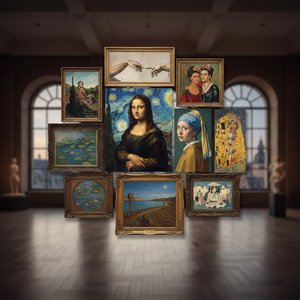
Oil on Canvas Masters: 10 Paintings That Redefined Art History |
Journey through art history with our guide to 10 legendary oil on canvas masterpieces! Explore iconic works by Van Gogh, Monet & Rembrandt. Find museum-quality reproductions and elevate your home decor at . Discover all masterpieces online.