

 실제 크기로 보기
 보내기
보내기 공유하기
공유하기
 상세 보기
상세 보기 가이드 보기

 이미지 다운로드
 유사 작품 더 보기
 X-레이
X-레이 슬라이드 쇼 보기
 통계 정보
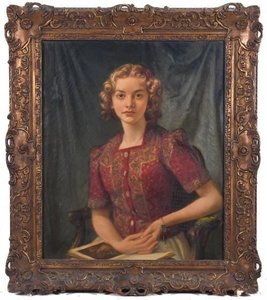
통계 정보Romance
 50.0 x 43.0 cm
 Doncaster Museum And Art Gallery
 상세 보기
상세 보기
온라인 미리보기보다 훨씬 뛰어난 품질의 고해상도 디지털 이미지를 구매해 보세요.
각 파일은 사내 전문가가 고급 도구와 숙련된 수동 리터칭 기술을 사용하여 세심하게 준비합니다. 우리는 모든 이미지가 탁월한 선명도, 정확한 색상 재현력, 그리고 미세한 디테일까지 완벽하게 갖추도록 보장합니다.
최종 파일은 전문적인 편집 및 인쇄 환경에서 즉시 사용할 수 있도록 최적화되어 72시간 이내에 이메일로 발송됩니다. 이는 세계적인 디자인 스튜디오, 출판사 및 갤러리가 신뢰하는 것과 동일한 품질입니다.
디지털 이미지
개인 소장 및 전시, 인쇄, 창작 프로젝트를 위한 고해상도 파일을 다운로드하세요. ( 프린트 판매로 전환 수작업 채색 복제본 주문하기)
모든 디지털 이미지 주문 시 제공되는 혜택
전문적인 디지털 이미지 전송 보장
OriginalUniqueArt.com를 선택하시면 단순히 이미지를 받는 것을 넘어, 정밀한 보정 과정을 거쳐 완성된 전문적인 디지털 예술 작품을 만나보실 수 있습니다. 모든 작품에는 만족 보장 서비스가 함께 제공되며, 주문 시 다음과 같은 사항들이 자동으로 포함됩니다:

빠른 이메일 수령
주문 후 72시간 이내에 고해상도 디지털 이미지 파일이 이메일로 발송되며, 즉시 사용하실 수 있습니다.

AI 기술로 최적화된 디지털 파일
귀하의 작품은 고급 AI 기술과 정교한 수동 편집 과정을 거쳐 전문적으로 최적화되며, 이를 통해 디테일과 선명도, 색상의 정확도를 극대화합니다.

평생 무료 재전송 서비스
파일을 실수로 삭제하거나 분실하셨나요? 걱정 마세요. 언제든 무료로 다시 보내드립니다.

추가 수입 비용 없음 - 언제나
관세나 부가세, 배송비 부담 없이 작품을 즉시 소장하세요 - 디지털 다운로드는 언제나 면세 혜택이 적용됩니다.

정확한 색상 보장
전문적인 도구와 색상 관리 시스템을 통해 디지털 이미지가 원본의 색상을 최대한 정확하게 구현하도록 보장합니다.

100일 만족 보장제
구매하신 디지털 이미지에 만족하지 못하실 경우, 100일 이내에 별도의 조건 없이 수정 또는 100% 환불을 진행해 드립니다.

100% 환불 보장
만족스럽지 않으신가요? 디지털 파일을 받으신 후 100일 이내에 조건 없이 전액 환불해 드립니다.

대량 주문 할인
이미지 3매 구매 시 10% 할인 - 5매 구매 시 15% 할인 - 10매 이상 구매 시 20% 할인. 크리에이티브 프로젝트, 갤러리, 에이전시에 매우 유용합니다.
아티스트 프로필
Mary Stevenson Cassatt: A Pioneer of Modern Portraiture
Born in Allegheny City, Pennsylvania – now part of Pittsburgh – in 1844, Mary Stevenson Cassatt was a remarkably independent and influential figure in the late 19th-century art world. Her life story is one of transatlantic journeys, artistic mentorships, and a profound dedication to capturing the intimate realities of women’s lives, particularly within the context of family and domesticity. Unlike many female artists of her era, Cassatt wasn't initially groomed for a career in painting; her father, Robert Simpson Cassat, a successful stockbroker, envisioned a more conventional path for his daughter. However, fueled by an innate artistic sensibility and supported by her equally financially secure mother, Katherine Kelso Johnston, she pursued her passion, ultimately forging her own distinctive voice within the burgeoning Impressionist movement.
Cassatt’s early training was initially rooted in academic traditions. She studied at the Pennsylvania Academy of the Fine Arts, a common starting point for aspiring American artists. However, it was her relocation to Paris in 1865 that proved transformative. There, she immersed herself in the vibrant artistic community, taking private lessons from established masters like Jean-Léon Gérôme and diligently copying works by Old Masters such as Correggio and Parmigianino. This period of intensive study laid the groundwork for her later stylistic developments, particularly her meticulous attention to detail and her ability to render fabrics with remarkable realism.
- Early Influences: Cassatt’s artistic journey was profoundly shaped by Eugène Boudin, a prominent landscape painter who introduced her to the revolutionary concept of *plein air* painting – working outdoors directly from nature. This approach emphasized capturing fleeting moments of light and atmosphere, a cornerstone of Impressionism.
- The Parisian Salon: Initially, Cassatt’s work was accepted into the prestigious Paris Salon, the dominant art exhibition of the time. However, she quickly grew disillusioned with its conservative standards and sought alternative venues for her art.
- Impressionist Connections: A pivotal moment arrived in 1879 when she joined Edgar Degas, a leading figure in the Impressionist movement, and began exhibiting alongside him and other like-minded artists at their independent exhibitions. This association proved crucial to her artistic development, exposing her to new techniques and perspectives.
A Focus on Domestic Life and Female Subjects
Unlike many of her male contemporaries who frequently depicted historical or mythological scenes, Cassatt’s work centered almost exclusively on the lives of women – mothers, children, nurses, and domestic servants. She wasn't interested in grand narratives; instead, she meticulously observed and portrayed the quiet moments of everyday existence within the confines of the home. Her paintings are imbued with a sense of intimacy and empathy, offering poignant glimpses into the emotional landscape of her subjects.
Her most celebrated series, “Little Girls,” captures the tender bond between mothers and children. These works, rendered in soft pastels and delicate brushstrokes, are characterized by their psychological depth and subtle expressions of affection. Similarly, her depictions of nurses attending to sick children reveal a compassionate understanding of human vulnerability. Cassatt’s choice of subject matter was not merely aesthetic; it reflected her belief that women's experiences were worthy of artistic representation and that the domestic sphere held profound significance.
Notably, she often depicted these scenes from a slightly elevated perspective, subtly shifting the viewer’s position to one of observation – mirroring the role of the artist as a witness to private moments.Technique and Artistic Evolution
Cassatt's artistic style evolved significantly throughout her career. Initially influenced by academic traditions, she gradually embraced the Impressionist principles of *plein air* painting, broken brushstrokes, and an emphasis on capturing fleeting effects of light. She experimented with various media, including oil paint, pastels, and prints, each offering unique possibilities for expression.
- Pastel Mastery: Cassatt became particularly renowned for her pastel drawings and paintings. Her use of pastels allowed her to achieve a remarkable level of detail and luminosity, capturing the textures of fabrics and the nuances of facial expressions with exquisite precision.
- Printmaking Innovations: She was also an innovative printmaker, employing techniques such as drypoint and etching to create striking images that explored themes of motherhood, femininity, and social commentary. Her prints often served as independent works of art, showcasing her artistic versatility.
- Degas’s Influence: Throughout her career, she benefited immensely from the critical guidance of Edgar Degas, who encouraged her to simplify forms, focus on composition, and develop a more direct approach to painting.
Legacy and Historical Significance
Mary Stevenson Cassatt's contribution to the art world is multifaceted. As one of the few American artists associated with the Impressionist movement, she challenged conventional notions of artistic representation and paved the way for future generations of female painters. Her focus on domestic life and female subjects offered a fresh perspective on human experience, moving beyond traditional heroic narratives.
Her work continues to resonate today, admired for its emotional depth, technical skill, and insightful portrayal of women’s lives. She remains an important figure in the history of art, demonstrating the power of observation, empathy, and artistic innovation.
A Final Note: The Metropolitan Museum of Art's Collection
The Metropolitan Museum of Art in New York City holds a significant collection of Cassatt’s works, providing invaluable insights into her artistic development and creative vision. Their extensive holdings include paintings, pastels, prints, and drawings that showcase the breadth and depth of her oeuvre. The museum's essays on Cassatt offer a comprehensive overview of her life and career, solidifying her place as a pivotal figure in 19th-century art.
peter alexander hay
1926 - 2011 , Austria
핵심 정보
- Artistic Movement Or Style: Impressionism
- Artists Or Movements Influenced By This Artist:
- Degas
- Manet
- Artists Who Influenced This Artist:
- Eugène Boudin
- Mary Cassatt
- Date Of Birth: May 22, 1844
- Date Of Death: June 14, 1926
- Full Name: Mary Stevenson Cassatt
- Nationality: American
- Notable Artworks:
- The Mandolin Player
- Little Girl in a Blue Armchair
- Born to Sing
- Place Of Birth: Allegheny City, PA