
 미리보기
미리보기
 프린트 구매
 공유하기
공유하기 공유하기
공유하기
 상세 정보
상세 정보

 다운로드
다운로드
 유사 작품
유사 작품 X-레이
X-레이 슬라이드 쇼
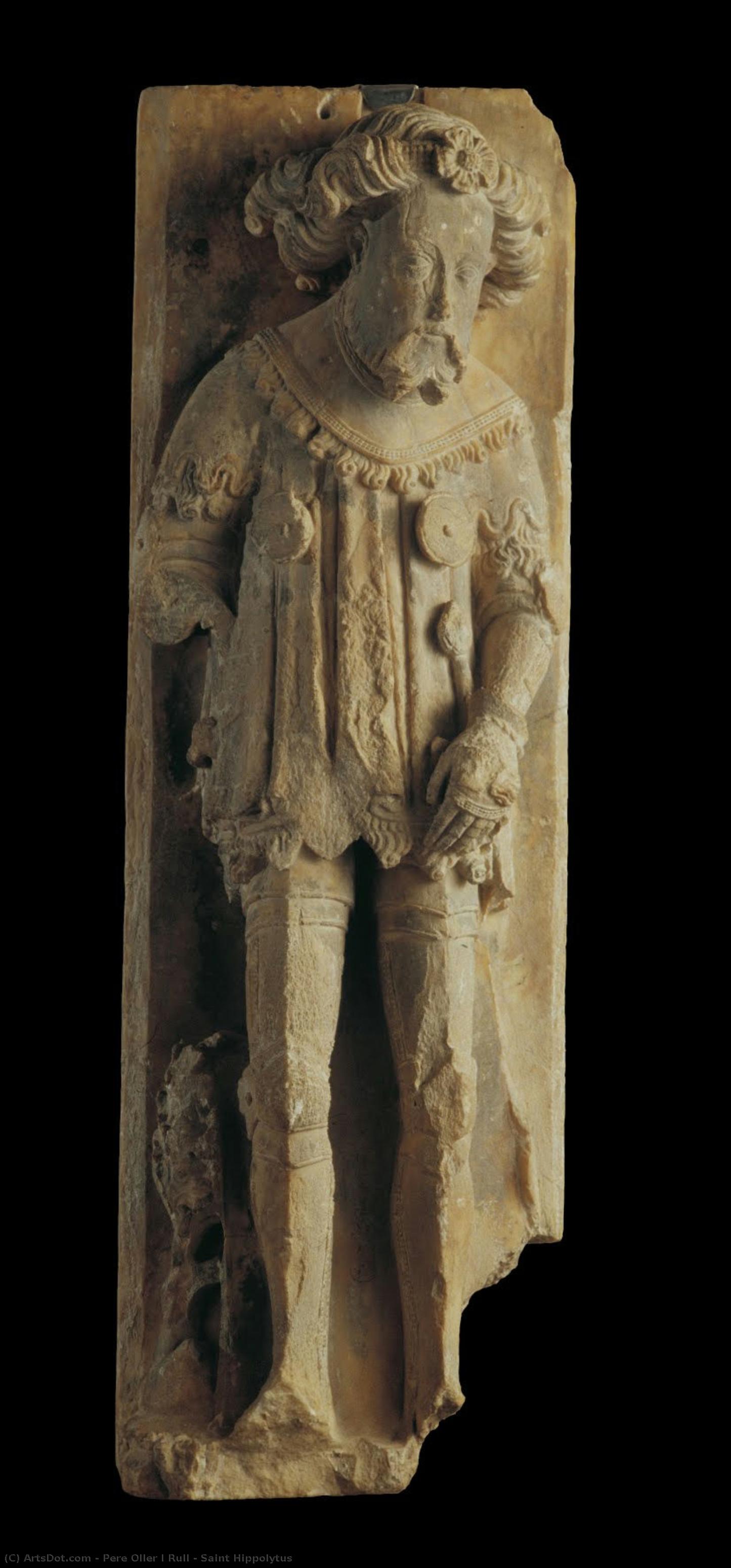
Saint Hippolytus
 1430
1430 22.0 x 66.0 cm
 Museu Episcopal de Vic
 더 보기
더 보기




































작품의 원본 비율을 유지하는 미리 설정된 크기 중에서 선택하세요.

특정 프레임이나 공간에 맞도록 직접 크기를 입력할 수 있습니다. 선택하신 크기가 원본 이미지의 비율과 일치하지 않는 경우, 작품을 자르거나 추가적인 손으로 그린 요소를 사용하여 그림을 확장합니다. 제작 시작 전 승인을 위해 디지털 목업을 보내드립니다.
화면 미리 보기는 실제 자르기 또는 확장을 반영하지 않습니다. 최종 구성은 목업을 통해서만 정확하게 확인하실 수 있습니다.
맞춤 크기 제작도 가능하지만, 원본 비율을 유지하기 위해 사전 정의된 목록에서 크기를 선택하시는 것을 권장합니다.
주문 후 OriginalUniqueArt.com 팀에서 상세 안내를 위해 고객님께 이메일을 보내드리며, 미리보기 시안을 제공해 드립니다.


 유리 옵션은 110cm 미만 크기에서만 선택 가능합니다.

Saint Hippolytus
재현 기법
복제본 크기
-


최종 결제 금액
$ 300
작품 상세 설명
작가 약력
A Sculptor of Stone and Sorrow: The Life and Art of Pere Oller
Pere Oller, a name resonating softly through the annals of Catalan Gothic sculpture, remains an enigmatic figure despite his undeniable impact on the artistic landscape of 14th and 15th-century Spain. Active between approximately 1394 and 1442, Oller’s career unfolded during a period of significant political and religious change, reflected in the increasingly refined emotionality and naturalism of his work. While biographical details are scarce—a common fate for artisans of the medieval era—the surviving sculptures attributed to him offer compelling glimpses into the life of a master craftsman deeply attuned to the spiritual currents of his time. His journey began as an apprentice at Barcelona Cathedral from 1395 to 1399, laying the foundational skills that would later distinguish him in Girona and beyond. This early training instilled not only technical proficiency but also a familiarity with the grand scale and devotional purpose inherent in cathedral art.From Barcelona’s Choir to Royal Tombs
Following his apprenticeship in Barcelona, Oller relocated to Girona, where he quickly established himself as a sculptor of considerable talent. Early commissions included the keystone for the chapel of Pia Almoina and, most notably, the tomb of Bishop Berenguer de Anglesola within the Girona Cathedral. These works demonstrate an emerging mastery of stone carving and a growing ability to imbue his figures with a sense of dignity and solemnity. However, it was a commission received in 1417 that would cement Oller’s reputation: King Alfonso V of Aragon entrusted him with the creation of the tomb for his father, Ferdinand I, at the royal pantheon of Poblet Abbey. This project represented not merely an artistic undertaking but a profound political statement—a visual testament to the power and lineage of the Aragonese crown. The tomb itself is sadly no longer extant, lost to the ravages of time or deliberate destruction, yet fragments survive, offering tantalizing clues to its original grandeur.The Poignancy of Mourning: Style and Technique
Oller’s style is characterized by a delicate balance between Gothic tradition and an emerging International Gothic sensibility. His figures are not merely representations of form but vessels of emotion, particularly evident in the *pleurants*—mourning figures—that adorned Ferdinand I's tomb. These sculptures, now held in prestigious collections like The Metropolitan Museum of Art and the Loyola University Museum of Art, showcase Oller’s exceptional skill in alabaster carving. He possessed a remarkable ability to render realistic drapery, conveying both weight and texture with astonishing precision. More importantly, he captured a profound sense of grief and sorrow in the faces and postures of his mourners—a sensitivity that sets his work apart from earlier, more stylized representations. The figures are not simply lamenting a loss; they *feel* it, drawing viewers into their shared experience of mourning. The subtle modeling of facial features, combined with the flowing lines of the garments, creates an atmosphere of quiet contemplation and spiritual depth.Legacy and Historical Significance
Pere Oller’s influence extended beyond the immediate impact of his commissions. His work bridged the gap between late medieval sculpture and the burgeoning Renaissance elements that would soon transform Iberian art. He exemplifies a generation of Catalan artists who skillfully blended technical expertise with an increasingly humanistic approach to religious representation. Although documentation regarding his life remains limited, the surviving sculptures—particularly those from the tomb of Ferdinand I—offer invaluable insights into the artistic and cultural climate of 15th-century Spain. His ability to convey emotion through stone, coupled with his mastery of alabaster carving, established him as a leading figure in Catalan Gothic sculpture. The fragments that endure serve as poignant reminders of a talent lost to time but not forgotten—a testament to the enduring power of art to transcend generations and speak to the universal human experience of loss, faith, and remembrance.- Apprenticeship at Barcelona Cathedral (1395-1399)
- Commission for Bishop Berenguer de Anglesola’s tomb in Girona
- Royal commission from Alfonso V of Aragon for Ferdinand I's tomb at Poblet Abbey (1417)
- Masterful carving of alabaster *pleurants* expressing profound emotion.

pere oller i rull
1442 , Spain
주요 정보
- Artistic Movement Or Style: Gothic sculpture
- Date Of Death: 1442
- Full Name: Pere Oller i Rull
- Nationality: Catalan
- Notable Artworks:
- Saint Hippolytus
- Tomb of Berenguer de Anglesola
- Mourner (Ferdinand I tomb)
- Tomb of Pere Roure
- Place Of Birth: Barcelona, Spain

