

 실제 크기로 보기
 보내기
보내기 공유하기
공유하기
 상세 보기
상세 보기 가이드 보기

 이미지 다운로드
 유사 작품 더 보기
 X-레이
X-레이 슬라이드 쇼 보기
 통계 정보
통계 정보Man with a Beard
 Academic Portraiture
 1880
1880 58.0 x 43.0 cm
 워커 아트 갤러리
 상세 보기
상세 보기
지클레 / 아트 프린트
빠른 제작과 다양한 마감 옵션을 선택할 수 있는 박물관 수준의 지클레이 및 캔버스 프린트. ( 수작업 채색 복제본 주문하기 디지털 이미지 판매 채널로 전환)




































작품의 원본 비율을 그대로 유지하는 프리셋 사이즈 중에서 선택해 보세요.

특정 프레임이나 공간에 맞춰 직접 치수를 입력하실 수 있습니다. 선택하신 사이즈가 원본 이미지의 비율과 일치하지 않을 경우, 작품을 크롭(자르기)하거나 이미지를 대칭 또는 단색 채우기로 확장하여 제작합니다. 제작 시작 전, 최종 확인을 위해 디지털 목업이 전송됩니다.
화면상의 미리보기는 실제 크롭이나 확장 상태를 반영하지 않으므로, 최종 구도는 오직 목업을 통해서만 정확하게 확인하실 수 있습니다.
맞춤 사이즈 제작도 가능하지만, 원본 비율을 유지하기 위해서는 사전 정의된 목록에서 치수를 선택하시는 것을 권장합니다.


 유리 옵션은 110cm 미만 크기에서만 선택 가능합니다.

Man with a Beard
지클레 / 아트 프린트
복제본 규격
-


총 결제 금액
$ 80
작가 소개
Percy Bigland: A Victorian Portraitist of Dignity and Detail
Percy Bigland (1858-1926) stands as a significant, yet often overlooked, figure in 19th-century British portraiture. Born into a Quaker family in Wallasey, Cheshire, his artistic journey began not within the traditional confines of formal training but through self-directed study in Munich, Germany – a period that profoundly shaped his aesthetic sensibilities and technical skill. Returning to England, Bigland established himself as a respected artist, primarily known for his meticulously rendered portraits of prominent figures, including Prime Minister William Gladstone, members of the Royal Family, and notable industrialists and politicians. His work offers a fascinating glimpse into Victorian society, capturing not just likenesses but also the dignity, gravitas, and subtle nuances of character that defined its elite circles.
Bigland’s early life instilled in him a quiet observation and an appreciation for detail – qualities that would become hallmarks of his artistic style. His Quaker upbringing fostered a sense of integrity and a respect for truthfulness, which he translated into his portraits through careful study of anatomy, light, and shadow. Unlike the often flamboyant styles of some contemporary portraitists, Bigland favored a restrained elegance, employing a classical approach rooted in academic training but infused with a distinctly personal vision. He was a regular exhibitor at institutions like the Royal Academy and the Royal Society of Portrait Painters, gaining recognition for his technical proficiency and ability to capture the essence of his subjects.
The Gladstone Portraits: A Defining Series
Perhaps Bigland’s most enduring legacy lies in his series of portraits depicting William Ewart Gladstone. These works – including the iconic image of Gladstone seated at his desk, now housed in the National Portrait Gallery – are not merely representations of a political figure; they are profound studies in character and intellect. Bigland meticulously captured Gladstone's furrowed brow, intense gaze, and the weight of responsibility etched upon his face. The portraits convey a sense of both strength and vulnerability, reflecting the complexities of Gladstone’s life and career. The use of chiaroscuro – dramatic contrasts between light and dark – is particularly effective in highlighting Gladstone’s features and creating a powerful emotional impact.
Beyond the sheer technical skill involved, these portraits demonstrate Bigland's ability to imbue his subjects with a sense of humanity. He avoided simplistic depictions, instead presenting Gladstone as a complex individual grappling with weighty decisions and enduring personal challenges. The subtle details – the texture of his clothing, the arrangement of objects on his desk, the way he holds his pen – all contribute to a richly layered portrayal that transcends mere likeness.
Technique and Influences
Bigland’s artistic technique was characterized by a meticulous attention to detail and a mastery of oil painting. He employed a layering approach, building up color gradually through numerous thin glazes, creating a luminous and textured surface. His use of impasto – applying paint thickly in certain areas – added depth and dimension to his portraits, particularly in the rendering of fabrics and textures. While influenced by the academic tradition of portraiture, Bigland also drew inspiration from the works of earlier masters, such as Rembrandt and Anthony van Dyck, evident in his masterful use of light and shadow.
Furthermore, Bigland’s time spent in Munich exposed him to a broader range of artistic influences, including Impressionism. Although he never fully embraced the Impressionist style, elements of its emphasis on capturing fleeting moments of light and color can be detected in some of his later works. His portraits of Elizabeth Hanbury, a centenarian who sat for him in 1893, demonstrate this shift towards a more atmospheric approach to portraiture.
Legacy and Recognition
Despite not achieving the widespread fame of some of his contemporaries, Percy Bigland’s work has been steadily recognized for its quality and historical significance. His portraits are now held in numerous public collections across Britain, including the National Portrait Gallery, the Williamson Art Gallery in Birkenhead (where a portrait of his brother Alfred Bigland is displayed), and various regional museums. His meticulous attention to detail, combined with his ability to capture the essence of his subjects, ensures that his work continues to resonate with viewers today.
Bigland’s contribution to Victorian portraiture lies not only in his technical skill but also in his quiet dignity and understated elegance. He was a master of his craft, producing portraits that are both aesthetically pleasing and historically informative – offering valuable insights into the lives and times of those who shaped Britain's social and political landscape.

percy bigland
1856 - 1926
작가 정보 요약
- Artistic Movement Or Style: Portraiture
- Artists Or Movements Influenced By This Artist: ['Royal Society Painters']
- Artists Who Influenced This Artist: ['Sidcot School']
- Date Of Birth: 1858-11-27
- Date Of Death: 1926-04-08
- Full Name: Percy Bigland
- Nationality: English
- Notable Artworks:
- Gladstone Portraits
- Alfred Bigland
- Henrietta Busk
- Place Of Birth: Wallasey, Cheshire
관련 기사
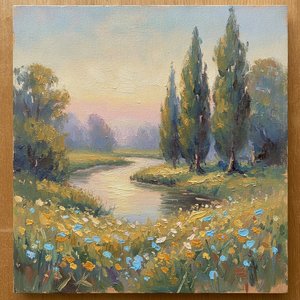
The Timeless Charm of Oil on Board: Reimagining Texture and Light through the Impressionist Lens
Discover the profound intimacy of oil on panel. Explore how Impressionist masters used rigid supports to capture light, texture, and impasto depth through exquisite, handmade oil reproductions for discerning collectors.

Oil on Canvas: A Historical & Technical Exploration of a Timeless Artistic Medium
Explore the rich history & enduring techniques of oil painting on canvas. Discover the science behind its longevity, conservation practices, and contemporary relevance. Expert insights for art enthusiasts.

캔버스의 유산: 기법, 역사 그리고 현대적 실천
유화의 역사와 기법부터 현대적 실천까지, 캔버스의 모든 것을 심도 있게 다룹니다. 주요 화가들의 작품 분석과 유화 제작 과정을 상세히 안내하며, 아트 컬렉션을 위한 최고의 정보를 제공합니다.

The Enduring Legacy of Oil on Canvas: Technique, History & Aesthetic Impact
Explore the rich history & techniques of oil painting – from Renaissance masters to Impressionism. Discover pigments, layering methods, and why this timeless medium endures. Expert insights for artists & art enthusiasts.

The Enduring Power of Painting: A Historical & Contemporary Exploration of Form and Emotion
Explore the rich history & enduring techniques of oil painting with OriginalUniqueArt. Discover masterpieces, learn about art collecting, and find authentic handmade reproductions crafted by skilled artists.